Warm Air Heater
CN → US| HS Code | Tariff Rate | Origin | Destination | Doc |
|---|---|---|---|---|
| 8516290060 | 38.7% | CN | US | Official Doc |
| 8516290030 | 38.7% | CN | US | Official Doc |
| 8419815080 | 17.5% | CN | US | Official Doc |
| 8419899585 | 39.2% | CN | US | Official Doc |
Product Images
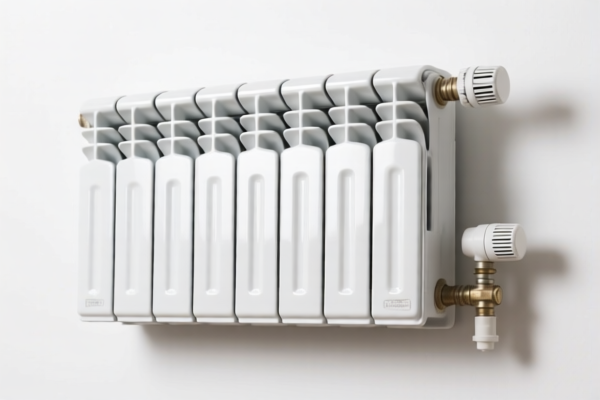
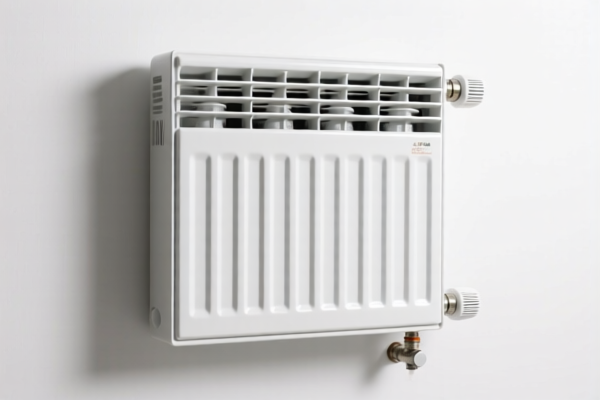
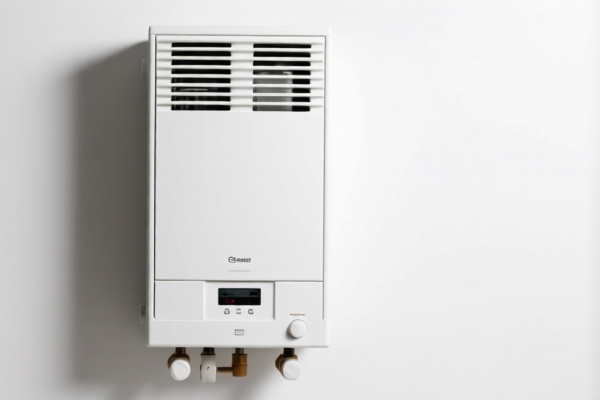

AI Analysis
🌡️ Warm Air Heater (Flameless / Electric Space Heater)
🌐 HS Code Reference & Clearance Guide | 2026 Latest Tariff Analysis | Professional-Level Clearance Strategy
📌 I. Product Definition & Classification: Do You Really Understand "Warm Air Heaters"?
A "Warm Air Heater" (often referred to as an electric space heater or forced-air heater) is a device that generates heat and distributes it via a fan or natural convection to warm a specific space. In international trade, the classification depends heavily on whether it is electrically heated and how the air is circulated.
Electric Space Heaters (8516 Series): Devices that use electric resistance heating elements to warm air, often equipped with fans (forced convection). Non-Electric/General Heating Appliances (8419 Series): Devices that heat air using other methods (e.g., gas, biomass) or do not fit specific electrical definitions, falling under general heating equipment.
⚠️ Key Distinction Point:
- If the device uses electricity and has a fan to blow hot air → It typically falls under 8516 (Electrical heating equipment).
- If the device is a general heating appliance without specific electrical features or uses non-electric fuel → It may fall under 8419 (Mechanical/thermal processing appliances).
📦 II. HS Code Classification Details (Based on Provided Data)
| HS Code | Product Description & Summary | Applicable Scenario | Total Tax Rate |
|---|---|---|---|
8516.29.00.60 |
Electric Space Heater (Portable/Fixed): Classified as an electric heating space heater, matching portable or fixed heating equipment categories. | Portable electric heaters, fixed wall-mounted electric heaters. | 38.7% |
8516.29.00.30 |
Electric Space Heater (Fan-Forced): Classified as an electric thermal space heating device; the "warm air" feature matches the forced-fan morphology. | Electric heaters with built-in fans to circulate warm air. | 38.7% |
8419.81.50.80 |
General Heating/Processing Appliance: Classified as a heating/heating device matching the description for heating/cooking apparatus purposes. | Non-electric or general industrial heating units; general thermal processing. | 17.5% |
8419.89.95.85 |
Other Material Processing Equipment: Classified as a heating/processing device where the function is thermal treatment, categorized under "other" processing equipment. | Complex industrial heating systems; specialized thermal treatment units. | 39.2% |
8516.29.00.60 |
Portable Electric Space Heater: Specifically classified as a portable space heater using electric heating. | Compact, movable electric heaters for residential/commercial use. | 38.7% |
🔍 Critical Reminder:
- Electric Heaters (Fan-forced or Radiant) generally fall under 8516.
- Non-Electric or General Heating Appliances fall under 8419.
- The tax rates vary significantly based on the exact functional definition (e.g., 17.5% vs. 38.7%).
💰 III. 2026 Latest Tariff Rate Breakdown (Including Surtaxes & Policy Add-ons)
✅ Applicable Country: United States (US)
✅ Origin: China (CN)
✅ Effective Date: From 2025/2026 onwards (Subject to ongoing trade policies)
🎯 1. 8516.29.00.60 & 8516.29.00.30 —— Electric Space Heaters
| Item | Detail |
|---|---|
| Base Tariff | 3.7% (Ad Valorem) |
| Section 301 Surtax | +25.0% (USITC Footnote for Chinese goods) |
| Section 122 Tariff | +10.0% (Specific policy surtax for certain Chinese imports) |
| Total Tax Rate | 38.7% |
| Tax Calculation | CIF Value × 38.7% |
| De Minimis Eligibility | ❌ Not Eligible (High rate exceeds de minimis thresholds) |
| Legal Basis Path | Base: 3.7% → Section 301: 25.0% → Section 122: 10.0% |
📌 Explanation:
- "Base Tariff 3.7%": The standard Most Favored Nation (MFN) rate for electrical heating appliances.
- "Section 301 Surtax 25%": A punitive tariff on Chinese goods under the US Trade Act.
- "Section 122 Tariff 10%": Additional surtax applied under Section 122 of the Trade Expansion Act.
- Combined Total: 38.7%. This is a very high tariff for consumer heating appliances.
🎯 2. 8419.81.50.80 —— General Heating/Processing Appliances
| Item | Detail |
|---|---|
| Base Tariff | 0.0% (Ad Valorem) |
| Section 301 Surtax | +7.5% (Reduced surtax rate for this specific subheading) |
| Section 122 Tariff | +10.0% |
| Total Tax Rate | 17.5% |
| Tax Calculation | CIF Value × 17.5% |
| De Minimis Eligibility | ❌ Not Eligible |
| Legal Basis Path | Base: 0.0% → Section 301: 7.5% → Section 122: 10.0% |
📌 Note:
- This rate is significantly lower (17.5%) compared to electric heaters (38.7%).
- However, misclassification is a major risk. If the device is clearly electric, declaring it under 8419 to save tax can lead to severe penalties.
🎯 3. 8419.89.95.85 —— Other Material Processing Equipment
| Item | Detail |
|---|---|
| Base Tariff | 4.2% (Ad Valorem) |
| Section 301 Surtax | +25.0% |
| Section 122 Tariff | +10.0% |
| Total Tax Rate | 39.2% |
| Tax Calculation | CIF Value × 39.2% |
| De Minimis Eligibility | ❌ Not Eligible |
| Legal Basis Path | Base: 4.2% → Section 301: 25.0% → Section 122: 10.0% |
📌 Note:
- This is the highest tax rate (39.2%) among the provided options.
- Applicable only to complex industrial heating/processing units that do not fit standard space heater definitions.
🛠️ IV. Clearance Operational Advice (Practical Pitfall Avoidance Guide)
✅ 1. Documentation Checklist (All Items Required)
| Document | Mandatory? | Description |
|---|---|---|
| ✅ Product Specification Sheet | ✔️ | Must include heating method (electric/gas), power input, wattage, voltage, and airflow rate (CFM). |
| ✅ Circuit Diagram / Electrical Schematic | ✔️ | Crucial to prove if the device is electric. Required for 8516 classification. |
| ✅ Product Photos (Including Nameplate) | ✔️ | Clear images of the label showing model number, brand, input/output parameters, and safety certifications. |
| ✅ Third-Party Test Reports | ✔️ | UL, ETL, or CE reports proving safety and compliance. |
| ✅ Commercial Invoice | ✔️ | Must clearly describe the item as "Electric Space Heater" or "Warm Air Heater" with accurate HS Code. |
| ✅ Certificate of Origin (CO) | ✔️ | Required for determining applicability of Section 301 and Section 122 tariffs. |
| ✅ Packing List | ✔️ | Detail contents to avoid misclassification as "parts" or "accessories". |
✅ 2. Declaration Techniques (Key Mantras)
🔥 "Electric = 8516, Non-Electric = 8419, Be Honest or Pay More!"
| Scenario | Correct Declaration | Incorrect Practice |
|---|---|---|
| Electric heater with fan | 8516.29.00.60 or 8516.29.00.30 |
Misdeclaring as "Heater" under 8419 → High Risk of Audit & Penalties |
| Non-electric (e.g., gas) heater | 8419.81.50.80 |
Misdeclaring as electric to avoid Section 301? → Impossible (Fuel source differs) |
| Industrial heating unit | 8419.89.95.85 |
Misdeclaring as consumer heater → Wrong Duty Rate |
| Heater + Stand + Cables | Declare as Whole Unit | Splitting into parts → Higher Cumulative Tax |
✅ 3. Special Situation Handling
| Situation | Handling Advice |
|---|---|
| OEM Custom Heaters | Provide client orders + design drawings. If it’s a standard electric heater, it still falls under 8516. |
| Gas/Propane Heaters | Must declare under 8419. Do not use 8516 codes. Tax rate is ~17.5%. |
| Industrial vs. Consumer | Industrial units may fall under 8419.89.95.85 (39.2%). Consumer units fall under 8516 (38.7%). |
| Pre-Ruling Request | Strongly recommended for high-value shipments. Apply for a US CBP Advance Ruling to confirm HS Code. |
🌍 V. Global Market Clearance Comparison (2026 Latest)
| Country/Region | Recommended HS Code | Tariff (China Origin) | Certification Requirements | Notes |
|---|---|---|---|---|
| 🇺🇸 USA | 8516.29.00.60 |
38.7% | UL/ETL + FCC (if electronic) | High tariffs due to Section 301 & 122. |
| 🇨🇳 China | 8419.81.50.80 |
5-10% | CCC | Lower tariffs for general heating. |
| 🇪🇺 EU | 8419.81.50.80 |
0-2.5% (if GSP/LDC) | CE + RoHS | Favorable tariffs for compliant goods. |
| 🇬🇧 UK | 8419.81.50.80 |
0-2.5% | UKCA + CE | Post-Brexit rules apply. |
| 🇦🇺 Australia | 8419.81.50.80 |
5% | RCM + SAA | Standard import duties. |
📌 Conclusion:
- USA imposes the highest barriers (38.7%) for electric warm air heaters.
- Non-US markets generally have much lower or zero tariffs.
- Cost Optimization: If possible, explore markets outside the US or consider supply chain diversification.
📌 VI. Common Errors & Pitfall Guide (Blood & Tears Lessons)
❌ Mistake 1: Misclassifying an Electric Heater as a General Heater (8419) to avoid Section 301.
👉 Consequence: CBP audit reveals electric components → Back taxes + Penalties (up to 300% of duty).
❌ Mistake 2: Declaring as "Heater Parts" to de minimis.
👉 Consequence: Heater is a "finished good" → De Minimis rejected, goods held at port.
❌ Mistake 3: Ignoring Section 122 Tariff.
👉 Consequence: Underpayment of 10% → Seizure or forced payment with interest.
❌ Mistake 4: Using vague descriptions like "Home Appliance".
👉 Consequence: Customs officer uses subjective judgment → Misclassification risk increases.
✅ Correct Practice:
"Electric Warm Air Heater, 1500W, 120V, with Thermostat and Fan, Model XYZ, UL Listed, for Home Use"
🎯 VII. Conclusion: Precision Classification, Cost Efficiency, Smooth Clearance!
🎯 Remember the Mantra:
🔹 "Electric = 8516 (38.7%), Non-Electric = 8419 (17.5% or 39.2%)."
🔹 "Section 301 + 122 = High Cost. Be Precise to Save Money."
📌 Tips:
- For US imports, the 38.7% tax on electric heaters is a major cost factor.
- If your product is gas-powered or non-electric, ensure it is classified under 8419 to benefit from the 17.5% rate.
- Always provide circuit diagrams and clear product descriptions to avoid CBP disputes.
📣 Immediate Action:
📞 Contact a licensed customs broker + Provide product specs + Apply for a CBP Advance Ruling.
🚀 Ensure your Warm Air Heaters clear customs smoothly, avoid delays, and maximize profits!
✨ Professional Clearance Starts with Accurate Classification!
💼 Every cent of tax savings is worth precise calculation!
Customer Reviews
About HS Code Classification
The Harmonized System (HS) is an internationally standardized nomenclature developed by the World Customs Organization (WCO) to classify traded products. Over 200 countries use the HS system as the basis for customs tariffs, trade statistics, and import/export regulations.
Each HS code follows a hierarchical structure:
- Chapter (2 digits) — Broad category of goods (e.g., Chapter 84: Machinery and Mechanical Appliances)
- Heading (4 digits) — More specific grouping within the chapter
- Subheading (6 digits) — Internationally standardized breakdown, used by all WCO member countries
- National subdivisions (8-10 digits) — Country-specific extensions for further classification, such as US HTSUS 10-digit codes
Correct HS code classification is essential for smooth customs clearance, accurate duty payment, and compliance with trade regulations. Misclassification can lead to customs delays, overpayment of duties, or penalties.
When importing from CN to US, the applicable tariff rates may include:
- Most-Favored-Nation (MFN) rate — The standard duty rate applied to WTO members
- General rate — Applied to countries without trade agreements
- Trade remedy duties — Additional tariffs such as Section 301 (anti-dumping), Section 232 (national security), or countervailing duties
The information provided on this page is for reference purposes only. For official classification, please consult with your local customs authority or a licensed customs broker.