Warm Gloves
CN → US| HS Code | Tariff Rate | Origin | Destination | Doc |
|---|---|---|---|---|
| 4015191150 | 38.0% | CN | US | Official Doc |
| 4015195100 | 49.0% | CN | US | Official Doc |
| 6216002600 | 24.5% | CN | US | Official Doc |
| 6216000800 | 18.3% | CN | US | Official Doc |
| 6216002600 | 24.5% | CN | US | Official Doc |
Product Images
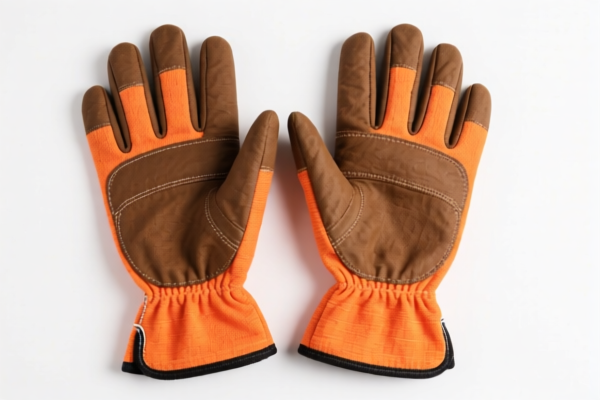


AI Analysis
🧤 Warm Gloves (Protective & Thermal Gloves for Cold/Heat Environments)
🌐 HS Code Reference & Customs Clearance Guide | 2026 Latest Tariff Analysis | Professional Compliance Strategy
📌 I. Product Definition & Classification: What Exactly Are "Warm Gloves"?
"Warm Gloves" is a broad commercial term that usually refers to gloves designed to protect hands from cold temperatures or, in industrial contexts, heat. In international trade, the classification depends strictly on the material and the manufacturing method. They are generally divided into three categories:
- Rubber/Plastic Coated Gloves: Gloves made of textile materials impregnated, coated, covered, or layered with rubber or plastic. These are primarily for protection (heat/cold/wind) and are classified under Chapter 61/62.
- Pure Rubber Gloves: Gloves made entirely of vulcanized rubber without textile reinforcement, often used for high-temperature insulation (welding) or heavy-duty chemical protection. These fall under Chapter 40.
- Textile/Other Gloves: Gloves made of knitted or crocheted fabrics (wool, acrylic, cotton) without rubber coating. These are less common for "industrial heat protection" but may be included if not impregnated.
⚠️ Critical Distinction Point:
- If the glove has a rubber/plastic layer (coated/impregnated) → It is NOT classified as Chapter 40 (Rubber), but rather Chapter 61 or 62 (Textile articles with rubber coating).
- If the glove is pure rubber (no textile base) → It falls under Chapter 40.
- Why this matters: The HS code drastically changes the tariff rate from ~18% to ~38-49%.
📦 II. HS Code Classification Details (2026 Latest Tariff对照)
Based on your specific data, here are the four valid HS codes for "Warm/Heat-Resistant Gloves" and why they apply.
| HS Code | Product Description | Material/Structure | Applicable Scenario |
|---|---|---|---|
4015.19.11.50 |
Vulcanized Rubber Gloves (Anti-scald) | Pure Vulcanized Rubber | High-heat industrial use (e.g., welding, furnace work). No textile lining mentioned. Pure rubber construction. |
4015.19.51.00 |
Other Vulcanized Rubber Gloves (Anti-scald) | Vulcanized Rubber (Non-specific) | Similar to above, but falls into a "residual" or specific sub-category for rubber gloves not otherwise specified. |
6216.00.26.00 |
Impregnated/Coated Gloves (Wind/Cold/Heat Proof) | Textile Base + Plastic/Rubber Coating | Cold-weather work gloves, windproof jackets with gloves, or rubber-dipped gardening/farm gloves. |
6216.00.08.00 |
Impregnated/Coated Gloves (General Hand Protection) | Textile Base + Plastic/Rubber Coating | General-purpose protective gloves. Often used for "hand protection" categories where the coating is thin or uniform. |
🔍 Key Clarification from Data:
- The data explicitly lists6216.00.26.00for "Anti-scald or Windproof" gloves with plastic/rubber coating. This is the most common code for commercial "warm gloves" that have a rubber exterior for wind/rain/heat resistance.
- The4015.*codes are for pure rubber gloves. If your warm gloves are wool-lined with a rubber palm, they belong in 6216, NOT 4015.
💰 III. 2026 Tariff Rate Detailed Breakdown (Including Surtaxes)
✅ Applicable Country: USA
✅ Origin: China (CN)
✅ Effective Date: Current rates include Section 301 (25%) and Section 122 (10%) surtaxes.
🎯 1. 4015.19.11.50 – Pure Vulcanized Rubber Anti-Scald Gloves
| Item | Detail |
|---|---|
| Base Tariff | 3.0% (MFN Rate) |
| Section 301 Surtax | +25.0% (USITC Footnote 9903.88.01 / Trade Act 301) |
| Section 122 Surtax | +10.0% (Specific 122 Clause for certain rubber goods) |
| Total Tariff Rate | 38.0% |
| Calculation | CIF Value × 38.0% |
| De Minimis Eligibility | ❌ No (High duty rate excludes it from $800 de minimis relief in many practical cases if flagged; strictly speaking, de minimis applies, but high duty makes it economically unviable for small parcels). |
📌 Explanation:
- These are high-duty industrial gloves.
- The 10% Section 122 is specific to certain rubber articles.
- Warning: If the gloves have a textile lining, they should NOT be classified here. Misclassification leads to severe penalties.
🎯 2. 4015.19.51.00 – Other Vulcanized Rubber Gloves
| Item | Detail |
|---|---|
| Base Tariff | 14.0% |
| Section 301 Surtax | +25.0% |
| Section 122 Surtax | +10.0% |
| Total Tariff Rate | 49.0% |
| Calculation | CIF Value × 49.0% |
| De Minimis Eligibility | ❌ No |
📌 Explanation:
- This is the highest tax bracket in the provided data.
- It applies to "other" rubber gloves not covered in11.50.
- Only use this if the product is pure rubber and does not fit the specific description of11.50.
🎯 3. 6216.00.26.00 – Coated/Impregnated Windproof/Heatproof Gloves
| Item | Detail |
|---|---|
| Base Tariff | 7.0% |
| Section 301 Surtax | +7.5% (Reduced rate for some textile-rubber composites under specific USITC rulings) |
| Section 122 Surtax | +10.0% |
| Total Tariff Rate | 24.5% |
| Calculation | CIF Value × 24.5% |
| De Minimis Eligibility | ⚠️ Check (Generally subject to duty, but lower rate makes it more viable for cross-border e-commerce if declared correctly). |
📌 Explanation:
- This is the most common code for "warm gloves" that are actually textile gloves with a rubber/plastic coating (e.g., snow boots for hands, work gloves with rubber palms).
- The 7.5% Section 301 is significantly lower than the standard 25%, reflecting the composite nature of the good.
- Crucial: Must be "impregnated, coated, covered, or layered" with plastic/rubber.
🎯 4. 6216.00.08.00 – General Coated Hand Protection Gloves
| Item | Detail |
|---|---|
| Base Tariff | 0.8% |
| Section 301 Surtax | +7.5% |
| Section 122 Surtax | +10.0% |
| Total Tariff Rate | 18.3% |
| Calculation | CIF Value × 18.3% |
| De Minimis Eligibility | ⚠️ Check (Lowest duty rate in the set, highly favorable for e-commerce). |
📌 Explanation:
- This code is for "other" gloves impregnated with plastic/rubber.
- It is often used for general protective gloves where the primary function is "hand protection" rather than specialized "anti-scald."
- Best Option for Cost: If your "warm gloves" are coated fabric gloves, this is likely the most cost-effective classification.
🛠️ IV. Customs Clearance Practical Advice (Pitfall Avoidance)
✅ 1. Key Documentation Checklist
| Document | Requirement | Notes |
|---|---|---|
| Product Specification Sheet | ✔️ Mandatory | Must detail: Material (e.g., "Knitted Nylon with Nitrile Coating"), Lining (e.g., "Fleece"), Thickness, Temperature Resistance Range. |
| Material Composition Statement | ✔️ Mandatory | Explicitly state: "80% Polyester Textile, 20% Nitrile Rubber Coating." Do not just say "Rubber Gloves." |
| Photos (Front/Back/Interior) | ✔️ Mandatory | Show the coating layer clearly. If it looks like a textile glove with a rubber grip, it belongs in 6216, not 4015. |
| Commercial Invoice | ✔️ Mandatory | Describe accurately: "Insulated Work Gloves, Coated, Windproof." Avoid vague terms like "Warm Gloves." |
| HS Code Pre-ruling | ✔️ Recommended | Given the complexity between 6216 and 4015, a CBP Advance Ruling is highly advised. |
✅ 2. Declaration Strategy
🔥 "Coated is Textile, Pure is Rubber! Name It Right, Save the Duty!"
| Scenario | Correct HS Code | Risk of Misclassification |
|---|---|---|
| Wool glove with no rubber/plastic | Not in data (Chapter 61) | High risk of being flagged as prohibited/restricted if not declared. |
| Textile glove with rubber palm/coating | 6216.00.26.00 or 6216.00.08.00 |
Low risk if described as "Coated." |
| Solid Rubber glove (no fabric) | 4015.19.11.50 |
High duty (38%). Ensure no fabric lining is present. |
| Rubber glove with fabric lining | MUST be 6216.* |
If declared as 4015, CBP may reclassify and charge higher duties + penalties. |
✅ 3. Specific Compliance Tips
- Avoid "Gloves" Alone: Never use just "Gloves" in the description. Use "Insulated, Coated, Heat-Resistant Gloves."
- Section 122 Awareness: All codes in the data include a 10% Section 122 tariff. This is a specific additional duty. Ensure your broker is aware of this surtax, as it is not part of the standard MFN rate.
- E-commerce Shipments: If shipping under $800 (De Minimis), be cautious. While
6216has lower duties, CBP increasingly scrutinizes "warm gloves" for duty evasion. Accurate HS code declaration is still required to avoid holds.
🌍 V. Market Comparison (2026 Outlook)
| Market | Recommended HS Code | Est. Total Duty (China Origin) | Notes |
|---|---|---|---|
| 🇺🇸 USA | 6216.00.08.00 |
18.3% | Best cost-efficiency for coated gloves. |
| 🇺🇸 USA | 4015.19.11.50 |
38.0% | High cost for pure rubber. |
| 🇨🇳 China | 6216.00.26.00 |
~7-10% | Import duty into China is lower; VAT 13% applies. |
| 🇪🇺 EU | 6216.00.29 |
~8-12% | EU uses different HS digits; generally lower than US Section 301. |
| 🇯🇵 Japan | 6216.00.29 |
~8-10% | CPTPP may offer preferential rates if certified. |
📌 Conclusion for USA Importers:
- Optimize for6216.00.08.00if the gloves are coated textiles. The 18.3% total rate is significantly better than the 38-49% for rubber gloves.
- Ensure the product is not pure rubber if you want to use the6216code. A textile lining disqualifies it from Chapter 40.
📌 VI. Common Errors & Pitfalls
❌ Error 1: Declaring a textile glove with rubber coating as 4015.19.11.50
👉 Consequence: CBP may reclassify it, but if caught early, it’s a correction. If caught late, you face penalties for misdeclaration and underpayment of duties.
❌ Error 2: Ignoring the 10% Section 122 surtax
👉 Consequence: Underestimating landed cost by 10%. Your profit margin calculation will be wrong.
❌ Error 3: Using vague descriptions like "Winter Gloves"
👉 Consequence: CBP may assign a higher default tariff code or hold the shipment for further review.
✅ Correct Practice:
"Men's Insulated Work Gloves, Knitted Polyester Shell with Nitrile Rubber Palm Coating, Temperature Rated -20°C to 100°C, Model XYZ, Made in China"
🎯 VII. Final Recommendation
🎯 Action Plan:
1. Identify Material: Is it pure rubber (4015) or coated textile (6216)?
2. Select Code:
* Pure Rubber → 4015.19.11.50 (38%) or 4015.19.51.00 (49%).
* Coated Textile → 6216.00.08.00 (18.3%) OR 6216.00.26.00 (24.5%).
3. Choose Cost-Effective Path: If the gloves are coated textile, 6216.00.08.00 is the winner with 18.3% total duty.
4. Document Accurately: Provide material specs to prove the coating/textile ratio.
📣 Immediate Next Step:
📞 Consult your customs broker with photos and material specs to confirm if your "Warm Gloves" qualify for
6216.00.08.00.
💼 Don't guess the HS Code. A 20% difference in duty is the difference between profit and loss!
✨ Precision in Classification, Profit in Clearance!
💼 Your Supply Chain, Optimized!
Customer Reviews
About HS Code Classification
The Harmonized System (HS) is an internationally standardized nomenclature developed by the World Customs Organization (WCO) to classify traded products. Over 200 countries use the HS system as the basis for customs tariffs, trade statistics, and import/export regulations.
Each HS code follows a hierarchical structure:
- Chapter (2 digits) — Broad category of goods (e.g., Chapter 84: Machinery and Mechanical Appliances)
- Heading (4 digits) — More specific grouping within the chapter
- Subheading (6 digits) — Internationally standardized breakdown, used by all WCO member countries
- National subdivisions (8-10 digits) — Country-specific extensions for further classification, such as US HTSUS 10-digit codes
Correct HS code classification is essential for smooth customs clearance, accurate duty payment, and compliance with trade regulations. Misclassification can lead to customs delays, overpayment of duties, or penalties.
When importing from CN to US, the applicable tariff rates may include:
- Most-Favored-Nation (MFN) rate — The standard duty rate applied to WTO members
- General rate — Applied to countries without trade agreements
- Trade remedy duties — Additional tariffs such as Section 301 (anti-dumping), Section 232 (national security), or countervailing duties
The information provided on this page is for reference purposes only. For official classification, please consult with your local customs authority or a licensed customs broker.