Warm Jacket
CN → US| HS Code | Tariff Rate | Origin | Destination | Doc |
|---|---|---|---|---|
| 6201301200 | 21.9% | CN | US | Official Doc |
| 6202302050 | 26.4% | CN | US | Official Doc |
| 6101200010 | 33.4% | CN | US | Official Doc |
| 6111206010 | 25.6% | CN | US | Official Doc |
| 6109901047 | 49.5% | CN | US | Official Doc |
Product Images
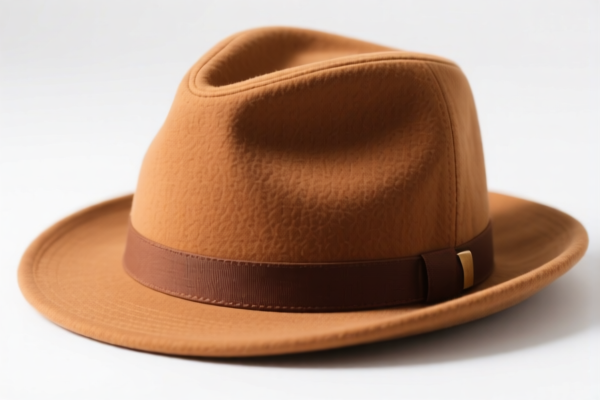
AI Analysis
🧥 Warm Jacket (Winter Outerwear)
🌐 HS Code Reference & Customs Clearance Guide | 2026 Latest Tariff Analysis | Professional Entry Strategy
📌 I. Product Definition & Classification: What Exactly Is a "Warm Jacket"?
"Warm Jacket" is a generic term used in international trade to describe outer garments designed for thermal insulation. However, customs authorities do not classify based on marketing names like "warm"; they classify based on material composition and manufacturing method (knitted vs. woven).
Misclassification is the most common cause of duty spikes for apparel. There are two primary categories: 1. Men’s Boys’ Outerwear (Heading 6201): Typically refers to woven fabrics (e.g., cotton coats, windbreakers, parkas). 2. Women’s Girls’ Outerwear (Heading 6202): Typically refers to women’s specific cuts (e.g., winter coats, dusters). 3. Knitted/Crocheted Garments (Heading 61xx): Includes knit sweaters, fleece jackets, or thermal tops. 4. Other Specific Forms: Such as insulated coveralls or synthetic fiber tops.
⚠️ Key Distinction:
- If the jacket is Woven (e.g., cotton parka, polyester shell) → Look at Chapter 62 (6201 or 6202).
- If the jacket is Knitted (e.g., knit sweater-jacket, fleece) → Look at Chapter 61 (6101, 6109, 6111).
- Gender Matters: Men’s and Women’s headings have different base rates and 122 Section penalties.
📦 II. HS Code Classification Details (Based on Provided Data)
The following HS Codes are derived from the provided dataset, correlating general "Warm Jacket" descriptions with specific material and form inferences.
| HS Code | Product Description (Inferred) | Fabric Type | Total Tax Rate | Tax Breakdown |
|---|---|---|---|---|
6201.30.12.00 |
Men’s/Boys’ Winter Coats | Inferred by form & warmth needs | 21.9% | Base: 4.4%, Section 301: 7.5%, Section 122: 10% |
6202.30.20.50 |
Women’s/Girls’ Winter Coats | Cotton (Inferred) | 26.4% | Base: 8.9%, Section 301: 7.5%, Section 122: 10% |
6101.20.00.10 |
Men’s/Boys’ Knitted/Tatted Outerwear | Cotton/Synthetic (Inferred) | 33.4% | Base: 15.9%, Section 301: 7.5%, Section 122: 10% |
6111.20.60.10 |
Thermal Coveralls/Jumpsuits | Inferred by warmth & form | 25.6% | Base: 8.1%, Section 301: 7.5%, Section 122: 10% |
6109.90.10.47 |
Warm Coveralls (Synthetic) | Artificial Fiber/Textile | 49.5% | Base: 32.0%, Section 301: 7.5%, Section 122: 10% |
🔍 Critical Observation:
- The Base Duty varies significantly from 4.4% (Woven Men’s) to 32.0% (Knitted Synthetic Coveralls).
- The Section 122 Duty (10%) and Section 301 Duty (7.5%) are constant across all categories in this dataset, adding a flat 17.5% surcharge on top of the base rate.
- Highest Risk Code:6109.90.10.47has a 49.5% total tax due to a high base rate of 32.0%.
💰 III. 2026 Latest Tariff Rate Details (Including Surcharges)
✅ Applicable Country: United States (US)
✅ Country of Origin: China (CN) (Implied by Section 122 and 301 applicability in data)
✅ Effective Time: Current rates apply as per dataset structure.
🎯 1. 6201.30.12.00 — Men’s/Boys’ Woven Winter Coats
| Item | Content |
|---|---|
| Base Rate | 4.4% |
| Section 301 Surcharge | +7.5% |
| Section 122 Surcharge | +10.0% |
| Total Tax Rate | 21.9% |
| Calculation | CIF Value × 21.9% |
| De Minimis Exemption | ❌ No (Section 301 & 122 duties apply regardless of value) |
📌 Explanation:
- This is the lowest tax bracket for outerwear in the dataset.
- Suitable for standard woven parkas, anoraks, or windbreakers for men/boys.
- Advantage: Low base rate makes it the most cost-effective if the product matches this description.
🎯 2. 6202.30.20.50 — Women’s/Girls’ Cotton Winter Coats
| Item | Content |
|---|---|
| Base Rate | 8.9% |
| Section 301 Surcharge | +7.5% |
| Section 122 Surcharge | +10.0% |
| Total Tax Rate | 26.4% |
| Calculation | CIF Value × 26.4% |
| De Minimis Exemption | ❌ No |
📌 Explanation:
- Higher base rate than men’s counterparts due to different tariff schedules for women’s wear.
- Material Constraint: The summary explicitly infers Cotton. If the jacket is actually polyester or wool, this classification may be challenged, leading to audits.
🎯 3. 6101.20.00.10 — Men’s/Boys’ Knitted Outerwear
| Item | Content |
|---|---|
| Base Rate | 15.9% |
| Section 301 Surcharge | +7.5% |
| Section 122 Surcharge | +10.0% |
| Total Tax Rate | 33.4% |
| Calculation | CIF Value × 33.4% |
| De Minimis Exemption | ❌ No |
📌 Explanation:
- Applies to Knitted or crocheted outerwear (e.g., heavy knit sweaters that function as jackets).
- Material Inference: Cotton or Synthetic.
- Risk: If a customer declares a "Knitted Jacket" but provides a woven sample, this misdeclaration can lead to penalties.
🎯 4. 6111.20.60.10 — Thermal Coveralls
| Item | Content |
|---|---|
| Base Rate | 8.1% |
| Section 301 Surcharge | +7.5% |
| Section 122 Surcharge | +10.0% |
| Total Tax Rate | 25.6% |
| Calculation | CIF Value × 25.6% |
| De Minimis Exemption | ❌ No |
📌 Explanation:
- Specifically for Coveralls (one-piece garments) designed for warmth.
- Note: Do not use this for standard jackets. If it’s a two-piece (jacket + pants), it must be split or classified differently.
🎯 5. 6109.90.10.47 — Synthetic Fiber Warm Coveralls
| Item | Content |
|---|---|
| Base Rate | 32.0% |
| Section 301 Surcharge | +7.5% |
| Section 122 Surcharge | +10.0% |
| Total Tax Rate | 49.5% |
| Calculation | CIF Value × 49.5% |
| De Minimis Exemption | ❌ No |
📌 Warning:
- This is the most expensive classification in the dataset.
- High base rate (32.0%) suggests synthetic fibers in a specific knitted/tatted category (likely lightweight thermal wear or specific technical garments).
- Avoid unless the product strictly matches this narrow definition.
🛠️ IV. Customs Clearance Practical Advice
✅ 1. Essential Documentation Checklist
| Document | Required | Purpose |
|---|---|---|
| ✅ Product Specification Sheet | ✔️ | Must clearly state: Knitted vs. Woven, Material Composition (e.g., 100% Cotton), and Form (Jacket vs. Coverall). |
| ✅ Commercial Invoice | ✔️ | Must match the HS Code description. Do not use vague terms like "Warm Clothes." Use "Men's Woven Cotton Parka." |
| ✅ Fabric Swatch/Test Report | ✔️ | Critical for distinguishing between Chapter 61 (Knitted) and Chapter 62 (Woven). |
| ✅ Packaging Photos | ✔️ | To confirm if items are sold as sets (e.g., jacket + pants = Coverall classification risk). |
| ✅ Country of Origin Certificate | ✔️ | Required for Section 301 and 122 duty application. |
✅ 2. Declaration Tips (Key Mantra)
🔥 "Knitted is 61, Woven is 62. Men is 6201, Women is 6202. Check the base rate, avoid the 49.5% trap!"
| Scenario | Correct Classification | Incorrect Classification | Consequence |
|---|---|---|---|
| Standard Men’s Winter Parka (Woven) | 6201.30.12.00 (21.9%) |
6101.20.00.10 (33.4%) |
Overpayment of ~11.5% |
| Women’s Cotton Coat (Woven) | 6202.30.20.50 (26.4%) |
6101.20.00.10 (33.4%) |
Overpayment of ~7% |
| One-Piece Insulated Coverall | 6111.20.60.10 (25.6%) |
6201.30.12.00 (21.9%) |
Potential misclassification if deemed separate jacket/pants |
| Synthetic Thermal Wear (Specific) | 6109.90.10.47 (49.5%) |
Any other code | Huge Overpayment or Audit Risk if mislabeled |
✅ 3. Special Handling
| Situation | Advice |
|---|---|
| Mixed Material Jackets | If a jacket has a cotton shell and synthetic lining, the Shell Material usually dictates the classification. Be precise in the description. |
| "Unisex" Jackets | Declare as Men’s (6201) or Women’s (6202) based on the primary target market or cut. Do not use a generic code if a specific gender code exists. |
| Jackets with Electronics | If the jacket has heating elements, it may fall under different headings. Ensure it’s a simple textile "warm jacket" for these codes to apply. |
| Section 122 & 301 | Both duties are non-negotiable for Chinese-origin goods in these categories. Factor them into your pricing model immediately. |
🌍 V. Global Market Comparison (2026 Context)
| Market | Recommended HS Code | Estimated Duty | Notes |
|---|---|---|---|
| 🇺🇸 USA | 6201.30.12.00 / 6202.30.20.50 |
21.9% - 26.4% | Includes 17.5% in surcharges. Highest landed cost. |
| 🇨🇳 China | 6201.30.12.00 / 6202.30.20.50 |
~5% - 10% | No Section 301/122. Lower duty, but export restrictions may apply. |
| 🇪🇺 EU | 6201.30 / 6202.30 | ~12% | No additional punitive tariffs. Standard MFN rates apply. |
| 🇬🇧 UK | 6201.30 / 6202.30 | ~12% | Post-Brexit, aligned with EU MFN generally. |
📌 Conclusion:
- The US market is the most expensive due to Section 301 (7.5%) and Section 122 (10%) surcharges.
- Optimization Strategy: Choose Woven over Knitted where possible to lower the base rate (e.g., 4.4% vs 15.9%).
- Design Tip: Ensure the product is clearly a "Jacket" (two-piece upper) and not a "Coverall" to avoid the higher6111or6109classifications if the base rate is unfavorable.
📌 VI. Common Mistakes & Pitfalls
❌ Mistake 1: Declaring a Woven jacket as Knitted to guess a lower rate without verification.
👉 Result: If audited, customs will demand fabric tests. If it’s woven, you pay back taxes for the wrong code + penalties.
❌ Mistake 2: Ignoring the Section 122 (10%) duty.
👉 Result: All items in the dataset include this 10%. Forgetting to budget for it destroys profit margins.
❌ Mistake 3: Using "Warm Jacket" as the Product Description.
👉 Result: Customs brokers cannot classify "Warm Jacket." You must provide Material and Form.
✅ Correct Description: "Men's Woven Cotton Winter Parka with Hood, Model XYZ"
🎯 VII. Conclusion: Precision Pays
🎯 Remember the Mantra:
🔹 "Woven Men: 21.9%. Woven Women: 26.4%. Knitted Men: 33.4%. Coveralls: 25.6%. Synthetic Tech: 49.5%!"
🔹 "Base Rate Matters. Surcharges are Fixed. Don't Guess the Fabric!"
📌 Pro Tip:
If you are importing Woven jackets, prioritize 6201.30.12.00 (Men’s) or 6202.30.20.50 (Women’s) as they have the lowest base rates. Avoid 6109.90.10.47 unless absolutely necessary, as the 49.5% total tax is prohibitive.
📣 Immediate Action:
📞 Contact your freight forwarder with a material composition statement for each SKU.
🚀 Verify if your "Warm Jacket" is Knitted or Woven TODAY to lock in the 21.9% or 26.4% rate instead of risking a 49.5% classification.
✨ Professional Clearance Starts with Accurate Classification!
💼 Your Margin Depends on the First 10 Digits of the HS Code!
Customer Reviews
About HS Code Classification
The Harmonized System (HS) is an internationally standardized nomenclature developed by the World Customs Organization (WCO) to classify traded products. Over 200 countries use the HS system as the basis for customs tariffs, trade statistics, and import/export regulations.
Each HS code follows a hierarchical structure:
- Chapter (2 digits) — Broad category of goods (e.g., Chapter 84: Machinery and Mechanical Appliances)
- Heading (4 digits) — More specific grouping within the chapter
- Subheading (6 digits) — Internationally standardized breakdown, used by all WCO member countries
- National subdivisions (8-10 digits) — Country-specific extensions for further classification, such as US HTSUS 10-digit codes
Correct HS code classification is essential for smooth customs clearance, accurate duty payment, and compliance with trade regulations. Misclassification can lead to customs delays, overpayment of duties, or penalties.
When importing from CN to US, the applicable tariff rates may include:
- Most-Favored-Nation (MFN) rate — The standard duty rate applied to WTO members
- General rate — Applied to countries without trade agreements
- Trade remedy duties — Additional tariffs such as Section 301 (anti-dumping), Section 232 (national security), or countervailing duties
The information provided on this page is for reference purposes only. For official classification, please consult with your local customs authority or a licensed customs broker.