Warning Tape
CN → US| HS Code | Tariff Rate | Origin | Destination | Doc |
|---|---|---|---|---|
| 5609001000 | 37.9% | CN | US | Official Doc |
| 5609003000 | 39.5% | CN | US | Official Doc |
| 3926909925 | 22.8% | CN | US | Official Doc |
| 3926909989 | 22.8% | CN | US | Official Doc |
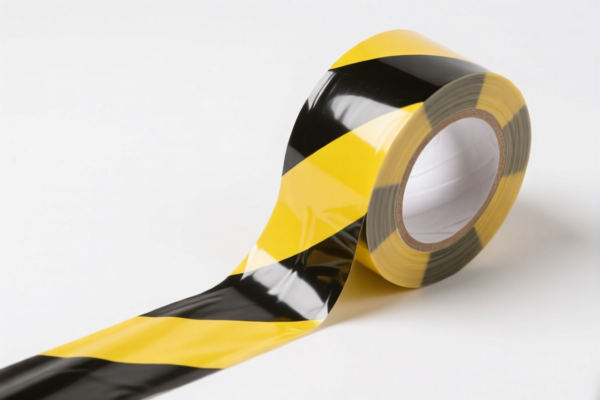
Product Images



AI Analysis
⚠️ Warning Tape & Traffic Cones: The "Plastic vs. Fabric" Classification Dilemma
🌐 HS Code Reference & Customs Clearance Guide | 2026 Latest Tariff Analysis | Professional Clearance Strategy
📌 I. Product Definition & Classification: Do You Really Understand "Warning Tape"?
"Warning Tape" is a broad term in international trade. It generally covers two distinct material categories, leading to vastly different HS Codes and tax liabilities. To classify correctly, you must distinguish between Synthetic Plastic Materials and Textile/Fabric Materials.
Plastic-Based Warning Tapes & Accessories (e.g., Polyethylene/Polyvinyl Chloride rolls, Plastic Traffic Cones): Made from synthetic polymers (PE, PVC), these are classified under Chapter 39 as articles of plastic. This includes standard yellow/black barrier tape, caution tape, and rigid plastic traffic warning cones.
⚠️ Key Distinction Point:
- If the material is flexible plastic film or rigid plastic → Classify under HS 3926 (Articles of Plastic).
- If the material is woven fabric, cotton, or synthetic textile strip → Classify under HS 5609 (Articles of textile materials, not elsewhere specified or included).
📦 II. HS Code Classification Details (2026 Latest Tariff Authority对照)
Based on the provided data, here are the four most likely HS Codes for "Warning Tape" and related warning devices:
| HS Code | Product Description | Material/State | Application Scenario |
|---|---|---|---|
5609.00.10.00 |
Articles of textile materials (Cotton/Fabric) | Cotton or Fabric Strip | Fabric caution tape, woven barrier strips, textile-based warning bands |
5609.00.30.00 |
Articles of textile materials (Artificial Fibers) | Synthetic Fiber (e.g., Polypropylene/Polyester Strip) | Synthetic fabric tape, non-woven synthetic warning strips |
3926.90.99.25 |
Other articles of plastic (Warning/Signage Use) | Plastic (Rigid or Flexible) | Traffic Warning Cones (Plastic), Plastic Reflective Triangular Warning Signs |
3926.90.99.89 |
Other articles of plastic (General/Domestic Use) | Plastic (PE/PVC Film) | Standard Plastic Warning Tape (Yellow/Black), Caution Tape Rolls, Plastic Barrier Tapes |
🔍 Critical Reminder:
- Plastic Warning Tape (the most common roll of tape) falls under3926.90.99.89as a "general plastic article" unless it fits specific sub-categories.
- Plastic Traffic Cones (rigid plastic) are often classified under3926.90.99.25due to their specific "warning/signage" use, even though they are plastic.
- Fabric/Cotton Tapes must go to5609series. Do not misclassify fabric tape as plastic tape!
💰 III. 2026 Latest Tariff Rate Breakdown (Including Surcharges, Policy Add-ons)
✅ Applicable Country: United States (US)
✅ Origin: China (CN)
✅ Effective Time: From November 10, 2025 (and subsequent imports)
🎯 1. 5609.00.10.00 —— Cotton/Fabric Warning Tape
| Item | Detail |
|---|---|
| Base Tariff | 2.9% (ad valorem) |
| Section 301 Surcharge | +25.0% (From USITC Footnote 9903.88.01) |
| IEEPA Surcharge | +10.0% (Against China/HK products, effective Nov 10, 2025) |
| Total Tax Rate | 37.9% |
| Tax Calculation | CIF Value × 37.9% |
| De Minimis Exemption? | ❌ No (deny_de_minimis) |
| Legal Basis Path | IEEPA:9903.01.25 → IEEPA:9903.01.24 → USITC:5609.00.10.00 → FOOTNOTE:9903.88.01 |
📌 Explanation:
- The 25% is the standard Section 301 tariff on many textile/articled goods.
- The 10% is the IEEPA surcharge.
- Total 37.9% is high. Ensure your product is genuinely cotton/fabric, not plastic, to avoid penalties for misclassification.
🎯 2. 5609.00.30.00 —— Artificial Fiber (Synthetic) Warning Tape
| Item | Detail |
|---|---|
| Base Tariff | 4.5% (ad valorem) |
| Section 301 Surcharge | +25.0% (From USITC Footnote 9903.88.01) |
| IEEPA Surcharge | +10.0% (Against China/HK products, effective Nov 10, 2025) |
| Total Tax Rate | 39.5% |
| Tax Calculation | CIF Value × 39.5% |
| De Minimis Exemption? | ❌ No (deny_de_minimis) |
| Legal Basis Path | IEEPA:9903.01.25 → IEEPA:9903.01.24 → USITC:5609.00.30.00 → FOOTNOTE:9903.88.01 |
📌 Explanation:
- Higher base tariff (4.5%) than cotton (2.9%), but still subject to the same 35% surcharges.
- Total 39.5% is the highest rate among the listed codes.
- Common for non-woven synthetic tapes or polyester fabric strips.
🎯 3. 3926.90.99.25 —— Plastic Warning Devices (e.g., Cones, Reflective Triangles)
| Item | Detail |
|---|---|
| Base Tariff | 5.3% (ad valorem) |
| Section 301 Surcharge | +7.5% (Note: Lower Section 301 rate for this specific sub-category) |
| IEEPA Surcharge | +10.0% (Against China/HK products, effective Nov 10, 2025) |
| Total Tax Rate | 22.8% |
| Tax Calculation | CIF Value × 22.8% |
| De Minimis Exemption? | ❌ No (deny_de_minimis) |
| Legal Basis Path | IEEPA:9903.01.25 → IEEPA:9903.01.24 → USITC:3926.90.99.25 |
📌 Explanation:
- Why lower Section 301 (7.5%)? This code often covers specific plastic safety articles that may have different tariff schedules under Section 301 compared to general plastic goods.
- Total 22.8% is significantly lower than fabric tapes.
- Use this code for rigid plastic traffic cones or reflective plastic warning signs, NOT for flexible tape rolls.
🎯 4. 3926.90.99.89 —— General Plastic Warning Tape (PE/PVC Rolls)
| Item | Detail |
|---|---|
| Base Tariff | 5.3% (ad valorem) |
| Section 301 Surcharge | +7.5% |
| IEEPA Surcharge | +10.0% (Against China/HK products, effective Nov 10, 2025) |
| Total Tax Rate | 22.8% |
| Tax Calculation | CIF Value × 22.8% |
| De Minimis Exemption? | ❌ No (deny_de_minimis) |
| Legal Basis Path | IEEPA:9903.01.25 → IEEPA:9903.01.24 → USITC:3926.90.99.89 |
📌 Explanation:
- This is the "catch-all" for plastic articles not specified elsewhere.
- Most common code for standard yellow/black plastic caution tape rolls.
- Total 22.8% is the most favorable rate for standard "Warning Tape" if it is plastic.
- Do not use this for fabric tapes! Misclassification can lead to severe penalties.
🛠️ IV. Customs Clearance Practical Advice (Battle-Tested Pitfall Avoidance Guide)
✅ 1. Required Documentation Checklist (Non-Negotiable)
| Document | Must Provide? | Explanation |
|---|---|---|
| ✅ Product Specification Sheet | ✔️ | Must clearly state Material Composition (e.g., "100% Polyethylene" vs. "100% Cotton"). |
| ✅ Product Photos | ✔️ | Clear images of the roll, texture, and any labels. Show if it's shiny/plastic or woven/fabric. |
| ✅ Commercial Invoice | ✔️ | Accurate description: "Plastic Warning Tape, PE, 100m roll" or "Cotton Caution Tape, Woven". |
| ✅ Material Certificate | ✔️ | From manufacturer confirming raw material (PE, PVC, Cotton, Polyester). |
| ✅ Packing List | ✔️ | Weight and dimensions. |
🔥 Key Tip:
- Plastic Tape: Use keywords like "Polyethylene (PE)", "PVC", "Plastic Film", "Caution Tape".
- Fabric Tape: Use keywords like "Woven Fabric", "Cotton Strip", "Textile Caution Band".
✅ 2. Declaration Strategy (Critical Mnemonics)
🔥 "Plastic Tape is 22.8%, Fabric Tape is 37%+, Cone is 22.8%, Misclassification is Death!"
| Scenario | Correct HS Code | Common Mistake | Consequence |
|---|---|---|---|
| Standard Plastic Caution Tape (Yellow/Black) | 3926.90.99.89 |
Declaring as 5609 (Fabric) |
Under-declaring: Penalty + Back Tax (Difference ~15%) |
| Fabric/Cotton Caution Tape | 5609.00.10.00 or 5609.00.30.00 |
Declaring as 3926 (Plastic) |
Over-declaring: Penalty + Back Tax (Difference ~15%) |
| Plastic Traffic Cone | 3926.90.99.25 |
Declaring as 3926.90.99.89 |
Minor discrepancy, but better to use specific code for accuracy. |
| Reflective Plastic Triangle Sign | 3926.90.99.25 |
Declaring as 3926.90.99.89 |
Same as above. Specific use-case codes are preferred. |
✅ 3. Special Cases
| Situation | Handling Advice |
|---|---|
| Mixed Materials (Plastic Tape with Fabric Backing) | Classify based on essential character. If plastic is dominant, likely 3926. Provide detailed material breakdown. |
| Reflective Warning Tape (Plastic with Reflective Film) | Still likely 3926.90.99.89 if the base is plastic film. Reflective coating doesn't change material class. |
| OEM Custom Warning Tape | Provide design specs and material invoices. Avoid generic terms like "Warning Tape"; be specific. |
| Small Parcels (De Minimis) | ❌ NO EXEMPTION. All these codes have deny_de_minimis. Even small orders are subject to full tariff. |
🌍 V. Global Market Clearance Comparison (2026 Latest)
| Country/Region | Recommended HS Code | Tariff Rate | Certification | Note |
|---|---|---|---|---|
| 🇺🇸 USA | 3926.90.99.89 (Plastic Tape) |
22.8% | N/A (Plastic) | High tariff due to IEEPA + Section 301. |
| 🇺🇸 USA | 5609.00.10.00 (Cotton Tape) |
37.9% | N/A (Textile) | Highest rate. |
| 🇨🇳 China | 3926.90.99.89 |
~5-6% | N/A | No extra surcharges. |
| 🇪🇺 EU | 3926.90.99 |
~5-6% | CE (if applicable) | No major surcharges for plastic goods. |
| 🇯🇵 Japan | 3926.90.99 |
~5% | PSE (if electronic) | Low tariff, but strict quality standards. |
📌 Conclusion:
- USA is the most expensive market for Warning Tape due to combined Section 301 and IEEPA tariffs.
- Plastic tape (22.8%) is significantly cheaper to import than Fabric tape (37.9%-39.5%).
- Ensure your product description matches the material exactly to avoid customs audits.
📌 VI. Common Errors & Pitfall Guide (Lessons Learned the Hard Way)
❌ Mistake 1: Calling "Plastic Caution Tape" a "Warning Banner" to avoid classification.
👉 Consequence: Customs will inspect, determine it's plastic, and apply 3926 + penalties.
👉 Fix: Be honest. Use "Plastic Warning Tape".
❌ Mistake 2: Declaring all "Warning Tape" under one HS Code regardless of material.
👉 Consequence: If you declare fabric tape as plastic (3926), you underpay ~15% tax. Back taxes + interest + fines.
👉 Fix: Test material. If it burns like plastic, it's 3926. If it burns like fabric, it's 5609.
❌ Mistake 3: Assuming small shipments qualify for De Minimis (Section 321).
👉 Consequence: All listed codes have deny_de_minimis. Even a $10 roll will be assessed the full 22.8%-39.5% tariff.
👉 Fix: Factor the 22.8%-39.5% cost into your pricing model for US shipments.
✅ Correct Declaration Example:
"Plastic Warning Tape, Yellow/Black Striped, Material: Polyethylene (PE), Roll Size: 100m x 5cm, For Construction Site Safety, Model XYZ"
🎯 VII. Conclusion: Professional Declaration, Save Time, Cut Costs!
🎯 Remember the Mnemonic:
🔹 "Plastic Tape 22.8%, Fabric Tape 37%+, No De Minimis, Check Material!"
🔹 "HS Code Defines Tax, Mistake Means Back Taxes!"
📌 Pro Tip:
If your Warning Tape is originating from Vietnam, Mexico, Thailand, or Malaysia, you may be eligible for IEEPA Exemption or lower Section 301 rates, potentially reducing the total tariff to 0%-5%.
Recommendation: Apply for an Advance Ruling from US Customs and Border Protection (CBP) before shipping large volumes.
📣 Immediate Action:
📞 Contact a professional Customs Broker + Provide Material Spec Sheet + Apply for HS Code Advance Ruling
🚀 Let your Warning Tape clear smoothly, avoid delays, and maximize profit!
✨ Professional Clearance Starts with Accurate Classification!
💼 Every Cent of Tariff is Worth Calculating!
Customer Reviews
About HS Code Classification
The Harmonized System (HS) is an internationally standardized nomenclature developed by the World Customs Organization (WCO) to classify traded products. Over 200 countries use the HS system as the basis for customs tariffs, trade statistics, and import/export regulations.
Each HS code follows a hierarchical structure:
- Chapter (2 digits) — Broad category of goods (e.g., Chapter 84: Machinery and Mechanical Appliances)
- Heading (4 digits) — More specific grouping within the chapter
- Subheading (6 digits) — Internationally standardized breakdown, used by all WCO member countries
- National subdivisions (8-10 digits) — Country-specific extensions for further classification, such as US HTSUS 10-digit codes
Correct HS code classification is essential for smooth customs clearance, accurate duty payment, and compliance with trade regulations. Misclassification can lead to customs delays, overpayment of duties, or penalties.
When importing from CN to US, the applicable tariff rates may include:
- Most-Favored-Nation (MFN) rate — The standard duty rate applied to WTO members
- General rate — Applied to countries without trade agreements
- Trade remedy duties — Additional tariffs such as Section 301 (anti-dumping), Section 232 (national security), or countervailing duties
The information provided on this page is for reference purposes only. For official classification, please consult with your local customs authority or a licensed customs broker.