Washable Sanitary Pads
CN → US| HS Code | Tariff Rate | Origin | Destination | Doc |
|---|---|---|---|---|
| 9619006800 | 15.6% | CN | US | Official Doc |
| 6307909891 | 24.5% | CN | US | Official Doc |
| 5601210090 | 38.6% | CN | US | Official Doc |
| 5601210010 | 38.6% | CN | US | Official Doc |
| 9619007400 | 33.5% | CN | US | Official Doc |
Product Images
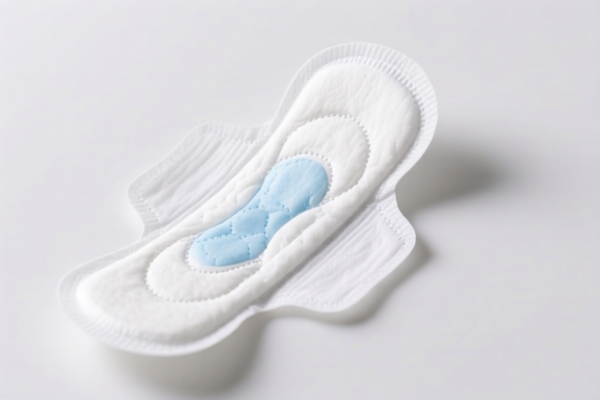
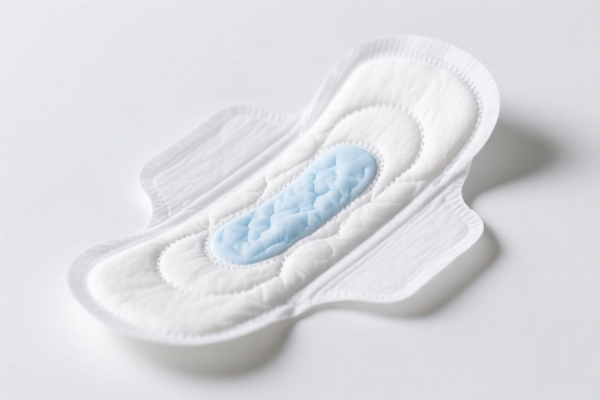
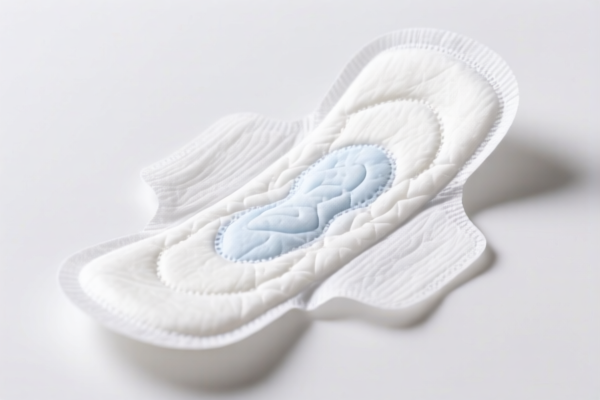
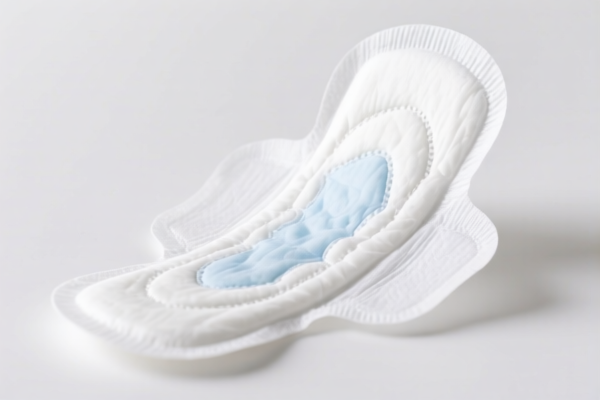
AI Analysis
🩸 Washable Sanitary Pads (Reusable Menstrual Products)
🌐 HS Code Reference & Customs Clearance Guide | 2026 Latest Tariff Analysis | Professional Compliance Strategy
📌 I. Product Definition & Classification: What Are "Washable Sanitary Pads"?
Washable sanitary pads, often referred to as "reusable menstrual pads" or "cloth pads," are eco-friendly feminine hygiene products designed to replace disposable pads. Unlike standard disposables, they are constructed from textile materials (cotton, bamboo, microfiber) and are intended for washing and reuse.
In international trade, the classification depends heavily on material composition and specific design intent. The data provided highlights a critical divergence: 1. Specific Hygiene Article: Classified under 9619 if deemed a finished sanitary article. 2. Textile Components: Classified under 6307, 5601, or 5807 if treated as general textiles, linings, or wadding.
⚠️ Key Distinction Point:
- If the product is recognized as a finished sanitary article (hygiene purpose primary) → Likely 9619.
- If classified as a textile good (material purpose primary) → Likely 6307 or 5601.
- Note: The provided data suggests multiple possible classifications depending on how customs authorities interpret the "finished state" vs. "textile material" aspect.
📦 II. HS Code Classification Details (Based on Provided Data)
Below are the five potential HS Codes derived from the analysis, ranked by likelihood and tax impact.
| HS Code | Product Description | Summary/Reasoning | Total Tax Rate |
|---|---|---|---|
9619.00.68.00 |
Sanitary Pads (Finished Article) | Most Likely for Hygiene Classification. Purpose is explicitly sanitary pads; material inferred as textile. Fits the specific "sanitary articles" category. | 15.6% |
9619.00.74.00 |
Other Sanitary Articles (Textile) | Matches hygiene use; material inferred as textile (man-made or cotton). Falls under other sanitary articles not specified elsewhere. | 33.5% |
6307.90.98.91 |
Other Made-up Textile Articles | Classified as a "made-up good" (finished textile item). Material inferred as fabric/cotton. General textile category. | 24.5% |
5601.21.00.90 |
Wadding & Articles of Wadding | Material inferred as textile wadding/padding. Form fits "pads/linings." Categorized under other wadding articles. | 38.6% |
5601.21.00.10 |
Cotton Wadding Articles | Material inferred as cotton/fiber textile. Function is padding/lining. Specific to cotton-based wadding products. | 38.6% |
🔍 Critical Analysis:
-9619.00.68.00is the most efficient classification (15.6% total tax) if the product is clearly marketed and constructed as a finished sanitary article.
-6307.90.98.91(24.5%) is the fallback if customs view it primarily as a textile accessory.
-5601codes (38.6%) carry the highest risk due to punitive add-on tariffs, suggesting these are less likely intended unless the product is sold as raw wadding/liners rather than finished pads.
💰 III. 2026 Latest Tariff Rate Breakdown (Including Surcharges)
✅ Applicable Country: United States (US)
✅ Origin: China (CN)
✅ Effective Date: Post-November 10, 2025 (Includes Section 301 & IEEPA)
🎯 1. 9619.00.68.00 — Sanitary Pads (Best Case Scenario)
| Item | Content |
|---|---|
| Base Duty | 5.6% |
| Add-on Duty (Section 301) | 0.0% |
| IEEPA (Section 122/301 Extension) | 10.0% |
| Total Effective Tax Rate | 15.6% |
| Tax Calculation | CIF Value × 15.6% |
| De Minimis Eligibility | ❌ Likely Excluded (Section 301 goods often lose de minimis benefits depending on specific footnote) |
| Legal Basis Path | USITC:9619.00.68.00 → IEEPA:9903.01.24 (10%) |
📌 Explanation:
- This is the lowest tax bracket among the options.
- Why 10% IEEPA? This refers to the additional tariff applied to Chinese-origin goods under recent executive orders/sections extending previous 301 duties.
- Advantage: If customs accept the "finished sanitary article" classification, you save significantly compared to textile classifications.
🎯 2. 6307.90.98.91 — Other Made-up Textile Articles
| Item | Content |
|---|---|
| Base Duty | 7.0% |
| Add-on Duty (Section 301) | 7.5% |
| IEEPA (Section 122) | 10.0% |
| Total Effective Tax Rate | 24.5% |
| Tax Calculation | CIF Value × 24.5% |
| De Minimis Eligibility | ❌ Excluded |
| Legal Basis Path | USITC:6307.90.98.91 → IEEPA:9903.01.24 + Section 301 Footnote |
📌 Explanation:
- If classified as a general textile good, it faces Section 301 surcharges (7.5%) on top of the base and IEEPA tariffs.
- Risk: Higher than the 9619 classification. Customs might prefer this if the product lacks specific "hygiene" labeling or certifications.
🎯 3. 9619.00.74.00 — Other Sanitary Articles
| Item | Content |
|---|---|
| Base Duty | 16.0% |
| Add-on Duty (Section 301) | 7.5% |
| IEEPA | 10.0% |
| Total Effective Tax Rate | 33.5% |
| Tax Calculation | CIF Value × 33.5% |
📌 Explanation:
- This category has a higher base duty (16%) than the first 9619 code.
- Use only if9619.00.68.00is rejected but9619is still accepted.
🎯 4. 5601.21.00.90 & 5601.21.00.10 — Wadding Articles (Highest Risk)
| Item | Content |
|---|---|
| Base Duty | 3.6% |
| Add-on Duty (Section 301) | 25.0% |
| IEEPA | 10.0% |
| Total Effective Tax Rate | 38.6% |
| Tax Calculation | CIF Value × 38.6% |
📌 Warning:
- Despite a low base duty (3.6%), the Section 301 surcharge is maxed out at 25%.
- Avoid this classification for finished washable pads. It is typically reserved for raw wadding, felt, or industrial linings, not finished consumer hygiene products. Misclassification here leads to high penalties.
🛠️ IV. Customs Clearance Practical Advice (Avoiding Pitfalls)
✅ 1. Essential Documentation Checklist
| Document | Required | Explanation |
|---|---|---|
| ✅ Product Specs | ✔️ | Must state material (e.g., "100% Cotton Outer, Microfiber Inner") and reusable/washable nature. |
| ✅ Product Photos | ✔️ | Show the finished pad, labels, and packaging. Must look like a consumer hygiene product, not raw fabric. |
| ✅ Labeling | ✔️ | Labels should say "Sanitary Pad," "Menstrual Product," or "Reusable Hygiene Pad." Avoid vague terms like "Textile Insert." |
| ✅ Invoice | ✔️ | Description must match HS Code intent. Use "Washable Sanitary Pad" not "Cotton Pouch." |
| ✅ Material Declaration | ✔️ | Detail layers (e.g., Top: Bamboo Charcoal, Middle: AOS, Bottom: PUL). |
✅ 2. Classification Strategy (Key Rules)
🔥 “Finish vs. Material: Define the End Use!”
| Scenario | Recommended HS Code | Strategy |
|---|---|---|
| Finished Pad with Plastic/PUL Backing & Elastic | 9619.00.68.00 |
Best Option. Clearly a finished sanitary article. Highlight "hygiene" and "disposable alternative." |
| Cloth Pad Sold as "Reusable Liner" (No Specific Hygiene Marking) | 6307.90.98.91 |
Fallback. If customs doubt the "sanitary" designation, it falls under general made-up textiles. |
| Bare Cloth Inserts (No PUL/Backing, sold as "Fabric Layers") | 5601.21.00.90 |
High Risk. Only use if it's literally just wadding/fabric without hygiene-specific finishing. Expect 38.6% tax. |
⚠️ Critical Tip:
- Do not classify as5601unless you are importing raw wadding for manufacturers.
- Do not mislabel as "Cloth Bag" or "Pouch" to avoid 9619 scrutiny; this triggers anti-dumping or misclassification audits.
✅ 3. Special Circumstances
| Situation | Handling Advice |
|---|---|
| Set of Pads + Storage Bag | Declare as a set under 9619.00.68.00 if the bag is incidental. If sold separately, bag may be 6307. |
| Promotional Samples | Ensure samples are clearly marked "SAMPLE" but still declare accurately. De minimis might apply for low-value samples, but Section 301 rules are strict. |
| OEM/Private Label | Provide manufacturer details. Customs may verify if the "hygiene" claim is legitimate. |
🌍 V. Global Market Comparison (2026 Context)
| Country/Region | Recommended HS Code | Est. Tariff (China Origin) | Key Requirements | Notes |
|---|---|---|---|---|
| 🇺🇸 USA | 9619.00.68.00 |
15.6% | None specific for hygiene, but strict on misclassification. | Lowest Tax in USA. Avoid 5601/6307 if possible. |
| 🇪🇺 EU | 9619.00.11 (Typical) |
~0-5% + VAT | REACH Compliance (Chemicals in textiles). | EU often classifies reusable pads under 9619 or 6307 depending on finish. |
| 🇨🇳 China | 9619.00.00 |
8-10% | CE mark not required, but GB standards apply. | Domestic production is low-cost; imports face moderate duties. |
| 🇬🇧 UK | 9619.00.11 |
0% | UKCA Marking if applicable. | Post-Brexit, follows similar logic to EU. |
| 🇨🇦 Canada | 9619.00.00.00 |
5% + GST | Health Canada Registration not required for non-medical reusable pads. | Generally favorable if classified correctly. |
📌 Conclusion:
- The USA is the most complex market due to high Section 301/IEEPA tariffs.
-9619.00.68.00is the only viable low-cost option for US imports.
- For EU/UK, the tax difference is less critical, but chemical compliance (REACH) is key.
📌 VI. Common Mistakes & Pitfalls (Lessons Learned)
❌ Mistake 1: Classifying as 6307 (Textile) to avoid "hygiene" scrutiny
👉 Result: You pay 24.5% instead of 15.6%. No savings. Customs often audit "textile" hygiene claims.
❌ Mistake 2: Classifying as 5601 (Wadding) to get low base duty
👉 Result: You pay 38.6% due to 25% Section 301 surcharge. Huge financial loss.
❌ Mistake 3: Vague Invoice Description ("Textile Pads")
👉 Result: Customs asks for clarification → Delays, potential reclassification to higher tax bracket.
❌ Mistake 4: Ignoring IEEPA 10% in cost calculations
👉 Result: Profit margins erased. Always include 10% IEEPA + Section 301 in landed cost.
✅ Correct Approach:
"Reusable Washable Sanitary Pad, Cotton/Microfiber, with PUL Waterproof Backing, Model XYZ, Certified Safe for Intimate Use"
🎯 VII. Conclusion: Precision in Classification Saves Money
🎯 Key Takeaways:
🔹 Aim for
9619.00.68.00: It offers the lowest total tax (15.6%) for washable sanitary pads in the US.
🔹 Prove "Finished Article": Use professional photos, clear labeling, and hygiene-focused marketing to justify 9619.
🔹 Avoid5601at All Costs: The 25% add-on tariff makes it unprofitable for finished consumer goods.
🔹 Plan for IEEPA: The additional 10% is unavoidable for Chinese-origin goods entering the US.
📌 Pro Tip:
If you are exporting large volumes, consider Advance Rulings from US Customs and Border Protection (CBP) to lock in the 9619.00.68.00 classification legally. This prevents surprise audits and reclassifications later.
📣 Immediate Action:
📞 Consult with a licensed customs broker to submit a Pre-Import Classification Ruling.
📦 Ensure your packaging and labels explicitly state "Sanitary Pad" or "Menstrual Product."
💡 Optimize your supply chain to absorb the 15.6% effective duty in your pricing model.
✨ Professional Compliance: Start with the Right HS Code!
💼 Every percentage point of tariff saved is pure profit!
Customer Reviews
About HS Code Classification
The Harmonized System (HS) is an internationally standardized nomenclature developed by the World Customs Organization (WCO) to classify traded products. Over 200 countries use the HS system as the basis for customs tariffs, trade statistics, and import/export regulations.
Each HS code follows a hierarchical structure:
- Chapter (2 digits) — Broad category of goods (e.g., Chapter 84: Machinery and Mechanical Appliances)
- Heading (4 digits) — More specific grouping within the chapter
- Subheading (6 digits) — Internationally standardized breakdown, used by all WCO member countries
- National subdivisions (8-10 digits) — Country-specific extensions for further classification, such as US HTSUS 10-digit codes
Correct HS code classification is essential for smooth customs clearance, accurate duty payment, and compliance with trade regulations. Misclassification can lead to customs delays, overpayment of duties, or penalties.
When importing from CN to US, the applicable tariff rates may include:
- Most-Favored-Nation (MFN) rate — The standard duty rate applied to WTO members
- General rate — Applied to countries without trade agreements
- Trade remedy duties — Additional tariffs such as Section 301 (anti-dumping), Section 232 (national security), or countervailing duties
The information provided on this page is for reference purposes only. For official classification, please consult with your local customs authority or a licensed customs broker.