Washed Handbags of Man Made Fiber Fabric
CN → US| HS Code | Tariff Rate | Origin | Destination | Doc |
|---|---|---|---|---|
| 4202923120 | 52.6% | CN | US | Official Doc |
| 6305390000 | 25.9% | CN | US | Official Doc |
| 6305900000 | 23.7% | CN | US | Official Doc |
| 4202923131 | 52.6% | CN | US | Official Doc |
Product Images
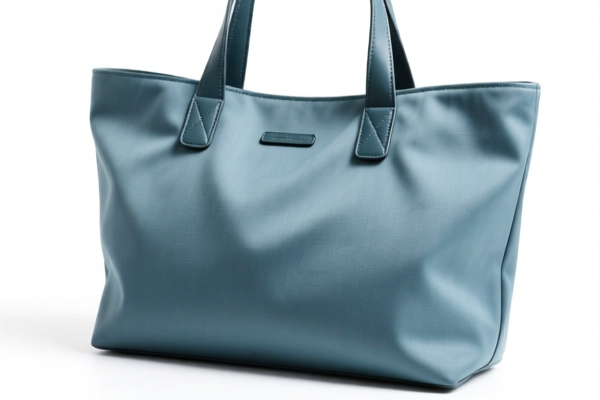
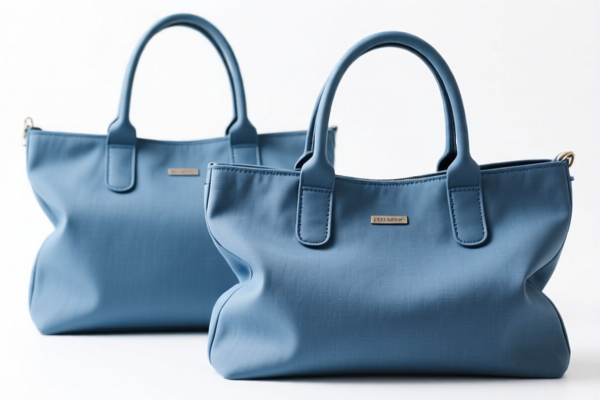
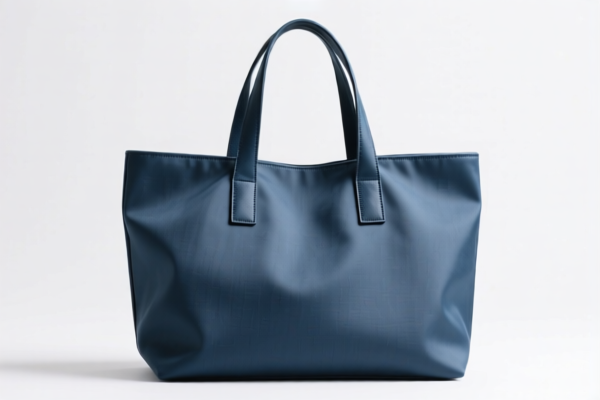
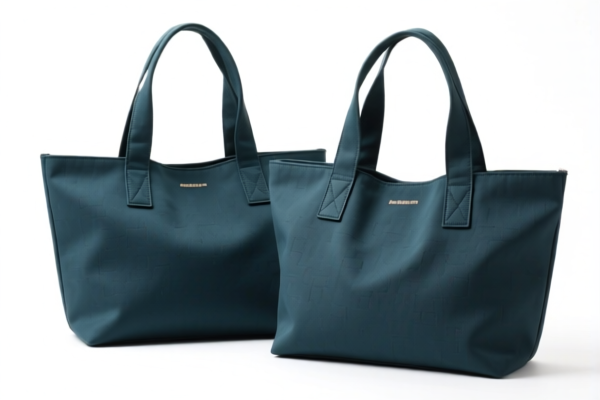
AI Analysis
👜 Washed Handbags of Man Made Fiber Fabric
🌐 HS Code Reference & Clearance Guide | 2026 Latest Tariff Analysis | Professional Entry Strategy
📌 I. Product Definition & Classification: Are You Sure About "Washed Handbags"?
"Washed Handbags of Man Made Fiber Fabric" refer to bags made from synthetic or artificial textile materials (such as polyester, nylon, or viscose) that have undergone a washing process to achieve a specific texture, softness, or vintage aesthetic. In international trade, these products are typically classified as articles of travel, vanity, or satchel type, but the material composition and specific structure dictate the HS Code.
⚠️ Key Distinction:
- If the bag is made of artificial fiber (e.g., rayon, viscose, polyester) and is classified under Chapter 42 (Articles of Leather; Travel Goods), it falls under heading 4202. - If the bag is considered a generic textile bag under Chapter 63 (Other Made Up Textile Articles), it falls under heading 6305. - Critical Factor: The term "Washed" refers to the surface treatment and does not change the fundamental material classification. The choice between HS Codes depends on whether the customs authority views the item primarily as a "Travel/Personal Item" (Ch. 42) or a "General Textile Article" (Ch. 63).
📦 II. HS Code Classification Details (Based on Provided Data)
| HS Code | Product Description | Material/Structure | Applicable Scenario |
|---|---|---|---|
4202.92.31.20 |
Artificial Fiber Travel Bag | Material: Artificial Fiber Use: Travel Bag |
High-end travel accessories, structured bags where "Artificial Fiber" is the primary defining feature. |
6305.39.00.00 |
Artificial Fiber Travel Bag | Material: Artificial Textile Material Form: Bag Type |
General textile bags, often used for storage or casual travel, classified under "Other Made Up Textile Articles." |
6305.90.00.00 |
Artificial Fiber Travel Bag | Material: Other Textile Material Form: Bag |
Bags made from other types of textile fibers (non-specific artificial fibers), categorized as miscellaneous textile articles. |
4202.92.31.31 |
Artificial Fiber Travel Bag | Material: Artificial Fiber Textile Material Use: Travel Category Bag |
Similar to 4202.92.31.20, but specific to "Travel Category Bag" classification within Chapter 42. |
🔍 Key Reminder:
- Chapter 42 (4202) often attracts higher tariffs (52.6% in the provided data) due to specific trade measures (Section 301/122). - Chapter 63 (6305) generally has lower base tariffs but is still subject to additional levies. - The term "Man Made Fiber" is broadly interpreted as "Artificial Fiber" in these specific tariff lines.
💰 III. 2026 Latest Tariff Rate Breakdown (Including Surcharges & Policy Add-ons)
✅ Applicable Country: United States (US)
✅ Origin: China (CN) (Implied by the specific "122" and "Section 301" tariff structures typical of US-China trade data)
✅ Effective Time: Current (2025-2026)
🎯 1. 4202.92.31.20 & 4202.92.31.31 — Artificial Fiber Travel Bags (Chapter 42)
| Item | Content |
|---|---|
| Base Tariff Rate | 17.6% (Ad Valorem) |
| Section 301 Surcharge | +25.0% (Trade Act of 1974, Section 301) |
| 122-Section Surcharge | +10.0% (Specific provision for textile/apparel articles from China) |
| Total Tax Rate | 52.6% |
| Tax Calculation | CIF Value × 52.6% |
| De Minimis Exemption | ❌ Not Eligible |
| Legal Basis Path | HTSUS:4202.92.31 → 301 Footnote 1 → 122 Section Provision |
📌 Explanation:
- The 52.6% total rate is the result of stacking multiple punitive tariffs. - 17.6% is the standard Most Favored Nation (MFN) rate for these bags. - 25.0% is the Section 301 tariff targeting Chinese imports. - 10.0% is the additional "122 Section" tariff specifically applied to certain textile and apparel goods. - Total Impact: This is a very high tariff burden. Importers must calculate landed costs carefully.
🎯 2. 6305.39.00.00 — Artificial Fiber Travel Bag (Textile Chapter)
| Item | Content |
|---|---|
| Base Tariff Rate | 8.4% (Ad Valorem) |
| Section 301 Surcharge | +7.5% (Partial Section 301 coverage for some textiles) |
| 122-Section Surcharge | +10.0% (Same 122 Section provision applies) |
| Total Tax Rate | 25.9% |
| Tax Calculation | CIF Value × 25.9% |
| De Minimis Exemption | ❌ Not Eligible |
| Legal Basis Path | HTSUS:6305.39 → 301 Footnote → 122 Section Provision |
📌 Note:
- This code offers a significantly lower rate (25.9%) compared to Chapter 42 codes. - The Section 301 surcharge is only 7.5%, not 25%, indicating partial exclusion or different tariff schedule application for this specific textile category. - Savings Potential: Choosing this classification (if legally justifiable) can reduce total tax by nearly 27 percentage points.
🎯 3. 6305.90.00.00 — Artificial Fiber Travel Bag (Other Textile Material)
| Item | Content |
|---|---|
| Base Tariff Rate | 6.2% (Ad Valorem) |
| Section 301 Surcharge | +7.5% |
| 122-Section Surcharge | +10.0% |
| Total Tax Rate | 23.7% |
| Tax Calculation | CIF Value × 23.7% |
| De Minimis Exemption | ❌ Not Eligible |
| Legal Basis Path | HTSUS:6305.90 → 301 Footnote → 122 Section Provision |
📌 Note:
- This is the lowest tariff option among the provided codes. - It applies to bags made of "other textile materials" that are still artificial/man-made fibers but may have different structural or compositional characteristics. - Caution: Misclassification can lead to severe penalties. Ensure the product description matches "Other Textile Material" accurately.
🛠️ IV. Practical Customs Clearance Advice (Avoid Pitfalls)
✅ 1. Documentation Checklist (Essential)
| Document | Required? | Description |
|---|---|---|
| ✅ Product Specification Sheet | ✔️ | Detailed description of material (e.g., "100% Polyester, Washed Finish"), dimensions, and capacity. |
| ✅ Fabric Composition Label | ✔️ | Photos of the inner label showing fiber content. |
| ✅ Commercial Invoice | ✔️ | Must clearly state "Washed Handbag, Artificial Fiber" and match HS Code description. |
| ✅ Packing List | ✔️ | Item count, weight, and packaging details. |
| ✅ Photos of Product | ✔️ | Front, back, interior, and close-up of fabric texture to prove "Washed" appearance. |
✅ 2. Classification Strategy (Key Tips)
🔥 "Material Defines Chapter, Use Defines Heading"
| Scenario | Recommended HS Code | Risk Level |
|---|---|---|
| Structured Bag, Leather-like Appearance | 4202.92.31.20 / 4202.92.31.31 |
⚠️ High Tax (52.6%) but often accurate for "Travel Goods." |
| Soft, General-Purpose Textile Bag | 6305.39.00.00 |
✅ Moderate Tax (25.9%) if it doesn't fit Ch. 42 definitions. |
| Miscellaneous Textile Bag (Non-specific) | 6305.90.00.00 |
✅ Lowest Tax (23.7%) if material doesn't fit other Ch. 63 subheadings. |
📌 Advice:
- If the bag has a structured frame, dedicated straps, and is marketed as a "Travel Bag", customs may insist on Chapter 42. - If the bag is a simple tote, pouch, or soft sack made of woven textile, Chapter 63 is more appropriate. - Do not force a lower tax code if the product clearly fits Chapter 42. The risk of audits and penalties outweighs the tax savings.
✅ 3. Special Considerations for "Washed" Finish
| Issue | Solution |
|---|---|
| "Washed" Affecting Material Definition | Ensure the invoice specifies "Washed Artificial Fiber" but does not imply a different fiber type. |
| Customs Scrutiny on Chapter 42 vs. 63 | Provide expert opinion letters or prior ruling references if available. |
| Section 301 Exclusions | Check if any specific "Washed Handbag" variants are excluded from Section 301. (Unlikely, but worth verifying). |
🌍 V. Global Market Comparison (2026)
| Country/Region | Recommended HS Code | Tariff (Approx.) | Key Requirement |
|---|---|---|---|
| 🇺🇸 USA | 4202.92.31.20 or 6305.39.00.00 |
23.7% - 52.6% | 122 Section + 301 Tariffs apply. |
| 🇨🇳 China (Import) | 4202.92.31.20 |
~10-15% | No 122/301 surcharges. |
| 🇪🇺 EU | 4202.92.30 |
4% - 6% | No punitive tariffs. CE/REACH compliance. |
| 🇬🇧 UK | 4202.92.00 |
4% - 6% | Post-Brexit tariffs apply. |
📌 Conclusion:
- The US market is the most challenging due to 122 Section and Section 301 tariffs. - Chapter 63 codes offer significant savings (23.7%-25.9%) compared to Chapter 42 codes (52.6%). - Strategic Tip: If the product allows, structure the classification to fit Chapter 63 (e.g., as a general textile bag rather than a dedicated travel good) to minimize costs. However, ensure accuracy to avoid customs disputes.
📌 VI. Common Mistakes & Pitfalls
❌ Mistake 1: Classifying all "bags" under Chapter 42 without considering Chapter 63 alternatives.
👉 Consequence: Paying 52.6% instead of 23.7%.
❌ Mistake 2: Ignoring the 122 Section Surcharge.
👉 Consequence: Underpayment by 10%, leading to fines and delayed release.
❌ Mistake 3: Using vague descriptions like "Bag" without material specifics.
👉 Consequence: Customs may assign a higher default rate or request additional documentation, causing delays.
✅ Best Practice:
Clearly specify "Artificial Fiber" or "Man Made Fiber" and "Washed Finish" in the description. Provide photos and material certificates. Choose the most accurate HS Code based on the bag's primary use and structure.
🎯 VII. Conclusion: Smart Classification, Lower Costs!
🎯 Key Takeaways:
🔹 Chapter 42 (4202): 52.6% Total Tax – High cost, use only if product is clearly a "Travel Good."
🔹 Chapter 63 (6305): 23.7%-25.9% Total Tax – Lower cost, use for general textile bags.
🔹 122 Section: Always add 10% for Chinese-origin textile/apparel goods.
🔹 Section 301: Adds 25% (Ch. 42) or 7.5% (Ch. 63).
📌 Final Advice:
Consult with a licensed customs broker to evaluate whether your specific "Washed Handbag" can be classified under Chapter 63. The potential savings of ~27% are significant. Always prioritize accuracy over aggressive minimization to avoid audits.
✨ Professional Clearance Starts with Accurate Classification!
💼 Your Profit Margin Depends on Every Percent!
Customer Reviews
About HS Code Classification
The Harmonized System (HS) is an internationally standardized nomenclature developed by the World Customs Organization (WCO) to classify traded products. Over 200 countries use the HS system as the basis for customs tariffs, trade statistics, and import/export regulations.
Each HS code follows a hierarchical structure:
- Chapter (2 digits) — Broad category of goods (e.g., Chapter 84: Machinery and Mechanical Appliances)
- Heading (4 digits) — More specific grouping within the chapter
- Subheading (6 digits) — Internationally standardized breakdown, used by all WCO member countries
- National subdivisions (8-10 digits) — Country-specific extensions for further classification, such as US HTSUS 10-digit codes
Correct HS code classification is essential for smooth customs clearance, accurate duty payment, and compliance with trade regulations. Misclassification can lead to customs delays, overpayment of duties, or penalties.
When importing from CN to US, the applicable tariff rates may include:
- Most-Favored-Nation (MFN) rate — The standard duty rate applied to WTO members
- General rate — Applied to countries without trade agreements
- Trade remedy duties — Additional tariffs such as Section 301 (anti-dumping), Section 232 (national security), or countervailing duties
The information provided on this page is for reference purposes only. For official classification, please consult with your local customs authority or a licensed customs broker.