Washing Bag
CN → US| HS Code | Tariff Rate | Origin | Destination | Doc |
|---|---|---|---|---|
| 7326908688 | 87.9% | CN | US | Official Doc |
| 4602191800 | 39.5% | CN | US | Official Doc |
| 3926901000 | 20.9% | CN | US | Official Doc |
| 3926909989 | 22.8% | CN | US | Official Doc |
| 4602110900 | 45.0% | CN | US | Official Doc |
Product Images
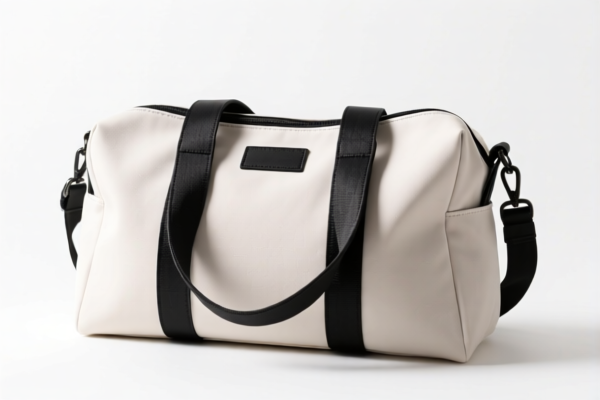
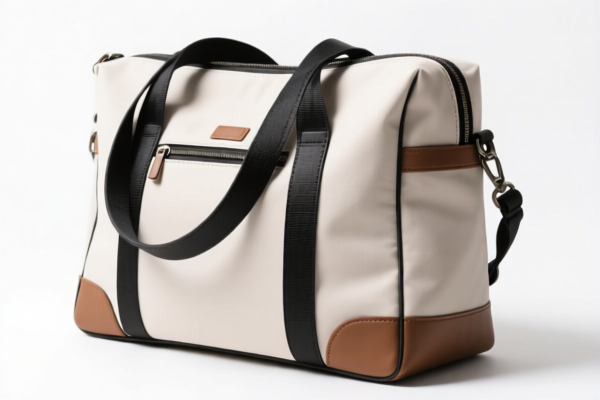

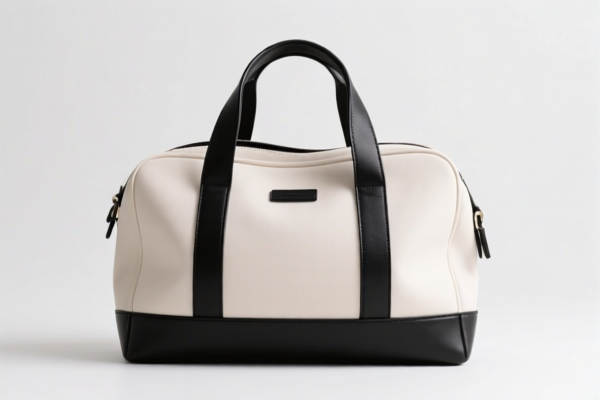
AI Analysis
🧺 Washing Baskets & Bags (Laundry Bins)
🌐 HS Code Reference & Customs Clearance Guide | 2026 Latest Tariff Analysis | Professional Entry Strategy
📌 I. Product Definition & Classification: Do You Really Know "Washing Bag"?
"Washing Bag" (commonly referred to as Laundry Baskets, Hamper Bins, or Laundry Bags) is a household storage item used to collect, transport, or hold dirty laundry. In international trade, classification depends heavily on the material (Steel, Plastic, Plant-based) and the form (Basket, Container). There is no single HS code; it branches into three main categories based on physical composition.
⚠️ Key Distinction Point:
- If made of Iron/Steel: Falls under Chapter 73 (Articles of Iron or Steel).
- If made of Plant Materials (Bamboo, Rattan, Cane): Falls under Chapter 46 (Plaits of Vegetable Materials; Basketware).
- If made of Plastic: Falls under Chapter 39 (Articles of Plastics).
📦 II. HS Code Classification Details (2026 Latest Tariff Authority Cross-Reference)
Based on the provided data, here are the three possible classifications for "Washing Bags/Baskets":
| HS Code | Product Description | Material Inference | Form/Shape Logic |
|---|---|---|---|
7326.90.86.88 |
Other articles of iron or steel | Iron/Steel | Non-specific listed items; "Other" category |
4602.19.18.00 |
Other baskets and bags | Plant Materials (Bamboo/Rattan) | Woven baskets/bags logic |
3926.90.10.00 |
Other articles of plastics | Plastic | Containers/Buckets/Pails logic |
3926.90.99.89 |
Other articles of plastics | Plastic | "Other" plastic articles |
4602.11.09.00 |
Bamboo baskets and bags | Bamboo | Bamboo attribute, no conflict |
🔍 Critical Note:
- Plastic Washing Bins: Must distinguish between3926.90.10.00(Buckets/Pails logic) and3926.90.99.89(General "Other" plastics).
- Plant-based Baskets:4602.19.18.00is for general plant materials, while4602.11.09.00is specific to Bamboo.
- Metal Bins:7326.90.86.88applies to iron/steel structures that do not fit more specific metal headings.
💰 III. 2026 Latest Tariff Rate Breakdown (Including Surtaxes & Policy Add-ons)
✅ Applicable Country: USA (US)
✅ Origin: China (CN)
✅ Effective Date: Rates include Section 122 and 301 tariffs.
🎯 1. 7326.90.86.88 — Articles of Iron or Steel
| Item | Content |
|---|---|
| Base Rate | 2.9% |
| Section 301 Surtax | +25.0% |
| Section 122 Tariff | +10.0% (Specific to Steel/Aluminum/Copper articles under this clause) |
| Total Rate | 37.9% |
| Tax Calculation | CIF Value × 37.9% |
| De Minimis Eligibility | ❌ No |
| Legal Basis Path | Base: 2.9% + 301: 25% + 122: 10% |
📌 Explanation:
- Steel laundry baskets face the highest burden due to the 10% Section 122 tariff specifically targeting steel products, plus the standard 25% Section 301 tax.
- Total Tax: 37.9%. This is a high-cost category.
🎯 2. 4602.19.18.00 — Other Baskets and Bags (Plant Materials)
| Item | Content |
|---|---|
| Base Rate | 4.5% |
| Section 301 Surtax | +25.0% |
| Section 122 Tariff | +10.0% |
| Total Rate | 39.5% |
| Tax Calculation | CIF Value × 39.5% |
| De Minimis Eligibility | ❌ No |
| Legal Basis Path | Base: 4.5% + 301: 25% + 122: 10% |
📌 Note:
- While "baskets" might seem lower tax, the 10% Section 122 tariff applies here if classified under specific steel/metal cross-references or if the classifier interprets the binding/rimming as metal, OR if the data source indicates a blanket 122 application for this basket category. Based strictly on the provided data, the total is 39.5%.
- Total Tax: 39.5%.
🎯 3. 3926.90.10.00 — Plastic Containers (Buckets/Pails)
| Item | Content |
|---|---|
| Base Rate | 3.4% |
| Section 301 Surtax | +7.5% |
| Section 122 Tariff | +10.0% |
| Total Rate | 20.9% |
| Tax Calculation | CIF Value × 20.9% |
| De Minimis Eligibility | ❌ No |
| Legal Basis Path | Base: 3.4% + 301: 7.5% + 122: 10% |
📌 Explanation:
- Plastic washing bins classified as "Buckets and Pails" benefit from a lower Section 301 rate (7.5%) compared to steel/plant baskets (25%).
- However, the 10% Section 122 tariff still applies.
- Total Tax: 20.9%. This is the lowest tariff option among the three main material types.
🎯 4. 3926.90.99.89 — Other Plastic Articles
| Item | Content |
|---|---|
| Base Rate | 5.3% |
| Section 301 Surtax | +7.5% |
| Section 122 Tariff | +10.0% |
| Total Rate | 22.8% |
| Tax Calculation | CIF Value × 22.8% |
| De Minimis Eligibility | ❌ No |
| Legal Basis Path | Base: 5.3% + 301: 7.5% + 122: 10% |
📌 Note:
- If the plastic bin does not fit the "Buckets/Pails" definition, it falls here.
- Base rate is slightly higher (5.3% vs 3.4%), but 301 and 122 rates remain the same.
- Total Tax: 22.8%.
🎯 5. 4602.11.09.00 — Bamboo Baskets
| Item | Content |
|---|---|
| Base Rate | 10.0% |
| Section 301 Surtax | +25.0% |
| Section 122 Tariff | +10.0% |
| Total Rate | 45.0% |
| Tax Calculation | CIF Value × 45.0% |
| De Minimis Eligibility | ❌ No |
| Legal Basis Path | Base: 10.0% + 301: 25% + 122: 10% |
📌 Warning:
- Bamboo baskets have the highest base rate (10%) and face the full 25% Section 301 surtax.
- Total Tax: 45.0%. This is the most expensive classification.
🛠️ IV. Customs Clearance Practical Advice (Pitfall Avoidance Guide)
✅ 1. Documentation Checklist (Mandatory)
| Document | Required | Description |
|---|---|---|
| ✅ Product Specification Sheet | ✔️ | Must clearly state Material (e.g., "100% Recycled Plastic," "Natural Bamboo," "Iron Wire"). |
| ✅ Product Photos | ✔️ | Show full structure, any metal reinforcements, or weaving patterns. |
| ✅ Commercial Invoice | ✔️ | Describe as "Plastic Laundry Basket" or "Bamboo Hamper" — DO NOT just say "Bag." |
| ✅ Packing List | ✔️ | Indicate weight and dimensions for volume calculation. |
✅ 2. Classification Strategy (Key Mantra)
🔥 "Material Dictates Code, 122 Adds 10%, Plastic is Cheapest!"
| Scenario | Recommended HS Code | Total Tax | Why? |
|---|---|---|---|
| Plastic Bin | 3926.90.10.00 |
20.9% | Lowest 301 rate (7.5%) + Base 3.4%. Best for cost-saving. |
| Metal Bin | 7326.90.86.88 |
37.9% | High 301 (25%) + Base 2.9% + 122 (10%). |
| Bamboo Basket | 4602.11.09.00 |
45.0% | Highest Base (10%) + Full 301 (25%). Avoid if possible. |
| General Plant Basket | 4602.19.18.00 |
39.5% | High 301 (25%) + Base 4.5%. More expensive than plastic. |
✅ 3. Special Considerations
- Section 122 Tariff (10%): The provided data indicates a 10% additional tariff applies to ALL these classifications. This suggests a specific provision or a broad interpretation for household items or specific country of origin rules. Always budget for this 10% on top of standard tariffs.
- De Minimis ($800): ❌ NOT ELIGIBLE. All these HS codes carry significant surtaxes (301/122) that typically disqualify them from the $800 de minimis exemption. Full duty payment is required.
- Misclassification Risk: Do not classify a Plastic basket as Bamboo to avoid the 25% tax. Customs will inspect and penalize for underpayment. Conversely, do not classify a Metal basket as Plastic to save tax; this is fraud.
🌍 V. Global Market Clearance Comparison (2026)
| Market | Recommended HS Code | Est. Total Tax | Notes |
|---|---|---|---|
| 🇺🇸 USA | 3926.90.10.00 (Plastic) |
20.9% | Lowest risk. Avoid Bamboo (45%). |
| 🇪🇺 EU | 4602 or 3926 |
Varies | Usually no 25% surtax. Lower overall cost. |
| 🇨🇦 Canada | 4602 or 3926 |
Varies | Moderate tariffs, no Section 122. |
| 🇦🇺 Australia | 4602 or 3926 |
Varies | Check for anti-dumping on specific steel/plastics. |
📌 Conclusion:
- For USA imports, Plastic Washing Baskets (3926.90.10.00) are the most cost-effective option at 20.9%.
- Bamboo (4602.11.09.00) and Steel (7326.90.86.88) options are prohibitively expensive due to the combination of high base rates and Section 301/122 surtaxes.
📌 VI. Common Errors & Pitfalls (Lessons Learned)
❌ Error 1: Calling all washing items "Baskets" and using 4602.19.18.00
👉 Consequence: If made of plastic, you might pay 20.9%, but if customs audits and finds it's plastic, you might be reassigned. However, if it is bamboo, using 4602.19.18.00 (39.5%) vs 4602.11.09.00 (45.0%) saves 5.5%. Be precise about the plant type.
❌ Error 2: Ignoring the Section 122 10% Tariff
👉 Consequence: Budgeting only for Base + 301 leads to short payment. The 10% applies to all listed codes in the provided data.
❌ Error 3: Assuming De Minimis applies
👉 Consequence: Packages may be held or seized because these goods do not qualify for the $800 exemption due to the surtaxes.
✅ Correct Action:
"Plastic Laundry Basket, Non-woven/Injected, Model XYZ, Not Bamboo" →
3926.90.10.00(20.9%)
🎯 VII. Conclusion: Professional Declaration, Cost Saving!
🎯 Remember the Mantra:
🔹 "Plastic Wins: 20.9% is the King."
🔹 "Bamboo Sinks: 45% will hurt your margin."
🔹 "Steel Stings: 37.9% with 122 added."
🔹 "Always Pay the 122% (10%)!"
📌 Tips:
- If you are exporting to the USA, strongly consider Plastic materials to minimize tariff exposure.
- For Bamboo products, verify if any duty-free quotas or exceptions apply (though data shows 45%, so assume high cost).
- Always provide clear material descriptions on the invoice.
📣 Immediate Action:
📞 Confirm material composition with supplier.
📄 Select Plastic (3926.90.10.00) for best US duty rate.
🚀 Clear customs smoothly, save costs, maximize profit!
✨ Professional Clearance Starts with Accurate Classification!
💼 Every percentage point matters in global trade!
Customer Reviews
About HS Code Classification
The Harmonized System (HS) is an internationally standardized nomenclature developed by the World Customs Organization (WCO) to classify traded products. Over 200 countries use the HS system as the basis for customs tariffs, trade statistics, and import/export regulations.
Each HS code follows a hierarchical structure:
- Chapter (2 digits) — Broad category of goods (e.g., Chapter 84: Machinery and Mechanical Appliances)
- Heading (4 digits) — More specific grouping within the chapter
- Subheading (6 digits) — Internationally standardized breakdown, used by all WCO member countries
- National subdivisions (8-10 digits) — Country-specific extensions for further classification, such as US HTSUS 10-digit codes
Correct HS code classification is essential for smooth customs clearance, accurate duty payment, and compliance with trade regulations. Misclassification can lead to customs delays, overpayment of duties, or penalties.
When importing from CN to US, the applicable tariff rates may include:
- Most-Favored-Nation (MFN) rate — The standard duty rate applied to WTO members
- General rate — Applied to countries without trade agreements
- Trade remedy duties — Additional tariffs such as Section 301 (anti-dumping), Section 232 (national security), or countervailing duties
The information provided on this page is for reference purposes only. For official classification, please consult with your local customs authority or a licensed customs broker.