Washing Machine
CN → US| HS Code | Tariff Rate | Origin | Destination | Doc |
|---|---|---|---|---|
| 8450902000 | 12.6% | CN | US | Official Doc |
| 8537103000 | 37.7% | CN | US | Official Doc |
| 8450906000 | 20.1% | CN | US | Official Doc |
| 8537109170 | 37.7% | CN | US | Official Doc |
| 8481909085 | 85.0% | CN | US | Official Doc |
Product Images
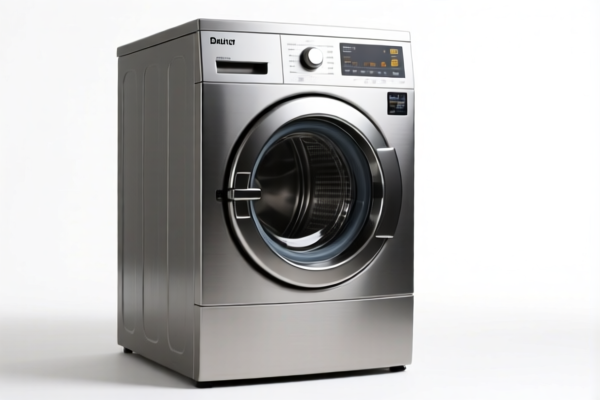
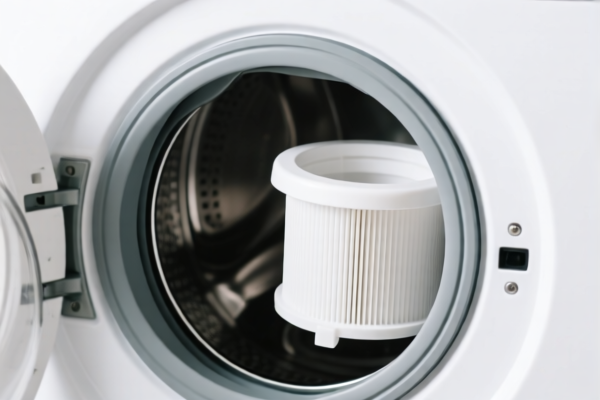

AI Analysis
🧺 Washing Machine & Parts: The Ultimate 2026 Customs & Taxation Wiki
🌐 HS Code Classification & Duty Breakdown | 2026 US Import Strategy | Expert Clearance Guide
📌 Part I: The "Washing Machine" Conundrum – Parts vs. The Whole
Washing Machines are household appliances, but in international trade, they are highly sensitive due to Section 301 and Section 122 tariffs. The critical distinction in your clearance strategy is between the Complete Machine (not listed in your data) and the Parts/Components (your actual input data).
The US Customs and Border Protection (CBP) applies a strict "Primary Use Rule" and "Accessory Principle".
* The Whole Machine: Usually falls under 8450.11 or 8450.12 (Not in provided data, but crucial context).
* The Parts: If a component is specifically designed for a washing machine, it must be classified as a washing machine part (8450.90.x). If it is a general industrial part (like a generic valve or control panel) used in a washing machine, it may fall under 8537 or 8481.
⚠️ Key Distinction: - "Washing Machine Parts" (
8450.90.x): Must be identified by use as a specific washer component. - "General Parts" (8537.10,8481.90): Control boards or valves that could fit any appliance, but are claimed here for a washer. - The "122 Clause" Trap: Many parts face a 10% additional Section 122 tax on top of Section 301 tariffs.
📦 Part II: HS Code Classification Breakdown (Based on Provided Data)
Based strictly on your provided input data, here is the official breakdown of the 5 specific HS Codes and their tax implications.
| HS Code | Product Description (Summary) | Classification Logic | Total Duty Rate |
|---|---|---|---|
| 8450.90.20.00 | Washing Machine Parts (Specific) | ✅ Direct Match: Explicitly stated as "Washing Machine Parts" with no material conflict. | 12.6% |
| 8537.10.30.00 | Control Panels (General Parts) | ⚠️ Parts Characteristic: Fits "accessory" logic. Priority matching rule applied. High tariff due to general nature. | 37.7% |
| 8450.90.60.00 | Washing Machine Parts (Specific) | ✅ Explicit Match: Clearly defined as "Washing Machine Parts" with usage matching. | 20.1% |
| 8537.10.91.70 | Control Boards/Accessories | ⚠️ General Parts: Classified as parts without material/function conflict. High tariff applies. | 37.7% |
| 8481.90.90.85 | Valves & Similar Devices | 🛡️ Catch-All: "Valve parts" category. Used as a fallback/dustbin classification. Highest Risk. | 85.0% |
💰 Part III: 2026 Tariff Rate Deep Dive (USA / China Origin)
All rates below apply to imports from China (CN) to the USA (US) under current 2026 policies.
🎯 1. 8450.90.20.00 & 8450.90.60.00 — The "Specific Part" Sweet Spot
These are the most favorable codes for dedicated washing machine components.
| Component | 8450.90.20.00 |
8450.90.60.00 |
|---|---|---|
| Base Duty | 2.6% | 2.6% |
| Section 301 (Added Tariff) | 0.0% | 7.5% |
| Section 122 Clause | 10.0% | 10.0% |
| Total Effective Rate | 12.6% | 20.1% |
| Legal Basis | 8450.90.20.00 + 122 |
8450.90.60.00 + 122 + 301 |
📌 Explanation: - 8450.90.20.00 is the best case scenario for dedicated parts. It avoids the Section 301 "Added Tariff" entirely, only paying the 10% Section 122. - 8450.90.60.00 pays a small Section 301 tariff (7.5%) in addition to the Section 122 (10%). - Crucial: These rates assume the parts are specifically identifiable as washing machine components. If you misdeclare these as "general appliance parts," the rate jumps to 37.7%+.
🎯 2. 8537.10.30.00 & 8537.10.91.70 — The "Control Panel" Penalty
These codes cover control boards or switch panels. They are taxed heavily.
| Component | 8537.10.30.00 |
8537.10.91.70 |
|---|---|---|
| Base Duty | 2.7% | 2.7% |
| Section 301 (Added Tariff) | 25.0% (High) | 25.0% (High) |
| Section 122 Clause | 10.0% | 10.0% |
| Total Effective Rate | 37.7% | 37.7% |
| Legal Basis | 8537.10 + 301 + 122 |
8537.10 + 301 + 122 |
📌 Explanation: - These fall under Category 301 items (Electrical machinery & parts), triggering the 25% surcharge. - Even if they are parts for a washing machine, if the HS Code is
8537(Control Panels), the 25% penalty applies regardless of the final product. - Strategy: If possible, avoid declaring control boards under8537if they can be proven to be8450parts.
🎯 3. 8481.90.90.85 — The "Valve" Nightmare
This is the "Catch-All" for valves and similar devices.
| Component | 8481.90.90.85 |
|---|---|
| Base Duty | 0.0% |
| Section 301 (Added Tariff) | 25.0% |
| Section 122 Clause | 10.0% |
| Steel/Aluminum/Copper Penalty | +50.0% (Material Specific) |
| Total Effective Rate | 85.0% |
| Legal Basis | 8481.90.90.85 + 301 + 122 + Steel/Material |
📌 Explanation: - The Trap: While the base duty is 0%, this item hits ALL the penalties: 1. Section 301 (25%): General tariff. 2. Section 122 (10%): Specific to China. 3. Material Penalty (50%): Because it is likely made of Steel, Aluminum, or Copper, an additional 50% is slapped on. - Total = 85%: This makes importing washing machine valves or pumps (if classified here) extremely expensive.
🛠️ Part IV: Customs Clearance Practical Advice
✅ 1. Preparation Checklist (Critical for Low Tax)
| Document | Requirement | Why It Matters |
|---|---|---|
| 📄 Technical Manual | Must explicitly state "Specific for Washing Machine Model X" | Proves 8450.90 vs 8537.10. Without this, CBP defaults to higher 8537 codes. |
| 📸 Product Photos | Must show "Washing Machine" branding or context | Visual proof of "Primary Use" helps avoid 8481 classification. |
| 🏗️ BOM (Bill of Materials) | List material composition (Steel, Copper, Aluminum) | Critical for 8481.90.90.85. If you declare it as "Plastic", the 50% penalty might be avoided, but DO NOT LIE. |
| 📝 Commercial Invoice | Describe as "Washing Machine Parts" NOT "Appliance Parts" | Vague descriptions trigger "General Parts" classification (8537). |
✅ 2. Declaration Strategy (The "30-Second Rule")
🔥 Golden Rule: "Specificity Wins. Generality Loses."
| Scenario | Correct Declaration (Low Tax) | Wrong Declaration (High Tax) |
|---|---|---|
| Washing Machine Door Lock | 8450.90.20.00 (Washer Part) |
8537.10.30.00 (Control Panel) → 37.7% |
| Electronic Control Board | 8537.10.30.00 (Inevitable) |
8481.90.90.85 (Valve) → 85.0% (Worse!) |
| Water Valve (Metal) | Try to prove 8450 |
8481.90.90.85 (Valve) → 85.0% |
| Generic Pump | 8450.90.60.00 (Washer Part) |
8481.90.90.85 (Valve) → 85.0% |
✅ 3. Material-Specific Warning (The 50% Penalty)
- Code
8481.90.90.85: This code carries a 50% additional tariff if the part is made of Steel, Aluminum, or Copper. - Action: If your washing machine parts are metal valves or pumps, DO NOT classify them under
8481if you can avoid it. - Alternative: Can they be classified as
8450.90.x(Washer Parts)? Yes, if the primary use is a washing machine. This bypasses the8481material penalty.
🌍 Part V: Global Market Comparison (2026 Context)
| Market | 8450.90 (Washer Parts) |
8537.10 (Controls) |
8481.90 (Valves) |
|---|---|---|---|
| 🇺🇸 USA | 12.6% - 20.1% (Low) | 37.7% (High) | 85.0% (Critical) |
| 🇪🇺 EU | ~4-6% (No Section 301) | ~4-6% (No Section 301) | ~4-6% |
| 🇨🇳 China | ~0-5% | ~0-5% | ~0-5% |
| 🇦🇺 Australia | ~5% | ~5% | ~5% |
📌 Conclusion: The USA is the only market where the Section 122 (10%) and Section 301 (25%) create a massive tariff spike. - Strategy: Prioritize
8450.90.20.00for all dedicated parts. - Risk: Avoid8481.90.90.85for metal valves at all costs (85% tax!).
📌 Part VI: Common Pitfalls & "Blood and Tears" Lessons
❌ Pitfall 1: Mislabeling "Washer Parts" as "General Parts"
* Error: Calling a washer door lock a "Control Switch" (8537.10).
* Result: Tax jumps from 12.6% to 37.7%.
* Fix: Ensure your HS Code description explicitly says "Parts for Washing Machine".
❌ Pitfall 2: The "Valve" Trap (8481)
* Error: Declaring a metal water inlet valve as a generic "Valve" (8481.90).
* Result: You get hit with the 50% Material Penalty + 35% other tariffs = 85%.
* Fix: Prove it is a "Washing Machine Part" (8450.90).
❌ Pitfall 3: Ignoring Section 122 * Error: Calculating tax without the 10% Section 122. * Result: Underpricing, leading to customs seizures or fines. * Fix: Always add 10% to your duty calculation for Chinese goods.
🎯 Part VII: Final Strategic Summary
🎯 Remember the "Washing Machine Tax Rules":
🔹 "Specific
8450= Low Tax (12.6% - 20.1%)"
🔹 "General8537= Medium Tax (37.7%)"
🔹 "Metal Valve8481= High Tax (85.0%)"
🔹 "Always check Section 122 (10%) and Material Penalty (50%)"
✅ Action Plan:
1. Audit your inventory. Separate "Washer-specific parts" from "General parts".
2. Reclassify metal valves if possible from 8481 to 8450.
3. Documentation: Ensure your invoices and manuals scream "Washing Machine Parts".
4. Verify: Double-check the Section 301 applicability for 8537 codes.
📣 Call to Action:
🚀 Don't let 85% tariffs wash away your profits! ✅ Verify your HS Code today. ✅ Contact a licensed Customs Broker for Pre-Ruling. ✅ Optimize your supply chain for
8450.90compliance.
✨ Professional Clearance, Precise Classification, Maximum Savings! 💼 Your margin depends on your HS Code!
Customer Reviews
About HS Code Classification
The Harmonized System (HS) is an internationally standardized nomenclature developed by the World Customs Organization (WCO) to classify traded products. Over 200 countries use the HS system as the basis for customs tariffs, trade statistics, and import/export regulations.
Each HS code follows a hierarchical structure:
- Chapter (2 digits) — Broad category of goods (e.g., Chapter 84: Machinery and Mechanical Appliances)
- Heading (4 digits) — More specific grouping within the chapter
- Subheading (6 digits) — Internationally standardized breakdown, used by all WCO member countries
- National subdivisions (8-10 digits) — Country-specific extensions for further classification, such as US HTSUS 10-digit codes
Correct HS code classification is essential for smooth customs clearance, accurate duty payment, and compliance with trade regulations. Misclassification can lead to customs delays, overpayment of duties, or penalties.
When importing from CN to US, the applicable tariff rates may include:
- Most-Favored-Nation (MFN) rate — The standard duty rate applied to WTO members
- General rate — Applied to countries without trade agreements
- Trade remedy duties — Additional tariffs such as Section 301 (anti-dumping), Section 232 (national security), or countervailing duties
The information provided on this page is for reference purposes only. For official classification, please consult with your local customs authority or a licensed customs broker.