Waste Adhesive
CN → US| HS Code | Tariff Rate | Origin | Destination | Doc |
|---|---|---|---|---|
| 3915900090 | 35.0% | CN | US | Official Doc |
| 3915900010 | 35.0% | CN | US | Official Doc |
| 3825610000 | 35.0% | CN | US | Official Doc |
| 3825690000 | 35.0% | CN | US | Official Doc |
| 4004000000 | 35.0% | CN | US | Official Doc |
Product Images
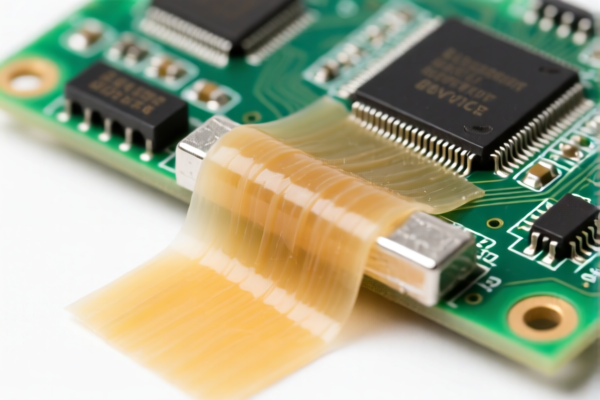
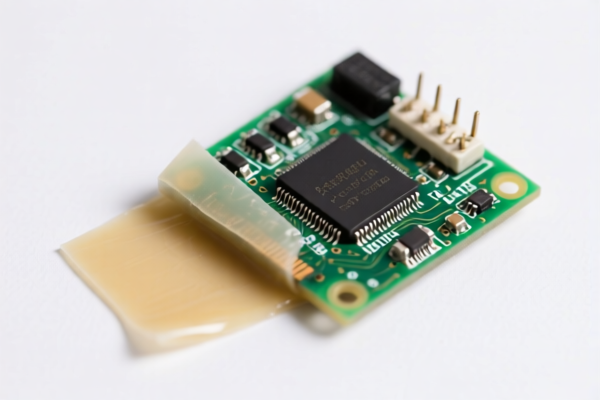

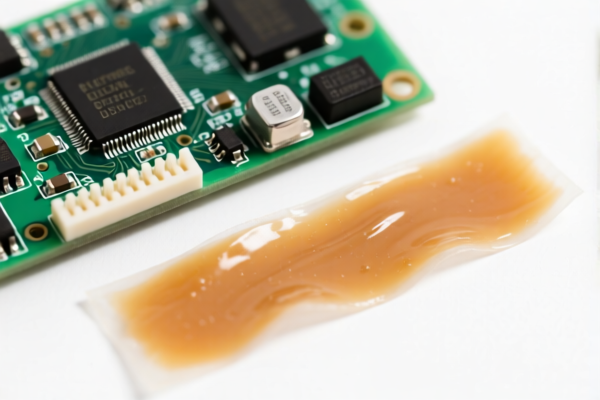
AI Analysis
📦 Waste Adhesive (Waste, Parings and Scrap of Plastics; Residual Products of the Chemical or Allied Industries; Waste of Rubber)
🌐 HS Code Reference & Customs Clearance Guide | 2026 Latest Tariff Breakdown | Professional Import Strategy
📌 One: Product Definition & Classification – What Exactly Is “Waste Adhesive”?
"Waste adhesive" refers to post-industrial or post-consumer scrap materials generated during adhesive manufacturing, application, or removal processes. These include:
- Plastic waste from adhesive tapes, packaging films, or coated substrates (e.g., polyethylene, PVC, PET);
- Residual chemical by-products from adhesive synthesis (e.g., solvents, uncured polymers, resin sludge);
- Rubber-based adhesive waste such as used rubber adhesives, scrap from rubber bonding processes, or granulated adhesive residues.
⚠️ Critical Distinction:
- If the waste is mainly organic and derived from plastic adhesives, it falls under 3915.90.00.90 or 3915.90.00.10;
- If it’s chemical sludge or residue from adhesive production, it’s classified under 3825.61.00.00 or 3825.69.00.00;
- If it’s rubber-based adhesive scrap, it belongs to 4004.00.00.00.🔍 Important Note:
- "Waste adhesive" is NOT a standalone HS code — it must be classified based on material composition, origin, and chemical nature.
- Do NOT declare as “adhesive” — this is waste, not a product.
📦 Two: HS Code Classification Details (2026 Official Tariff Match)
| HS Code | Product Description | Material Type | Waste Origin | Key Indicators |
|---|---|---|---|---|
3915.90.00.90 |
Waste, parings and scrap of plastics: Of other plastics, other than PET | General plastics (e.g., PP, PE, PVC, PS) | Industrial/Post-consumer | Contains adhesive residues, non-PET |
3915.90.00.10 |
Waste, parings and scrap of plastics: Of polyethylene terephthalate (PET) plastics | PET plastic | Adhesive-coated PET film, tape waste | Clear PET film scrap with adhesive layer |
3825.61.00.00 |
Residual products of chemical or allied industries: Mainly containing organic constituents | Organic chemical sludge, adhesive by-products | Adhesive manufacturing process | Solvent-based, high organic content |
3825.69.00.00 |
Residual products of chemical or allied industries: Other | General chemical waste | Adhesive production, cleaning waste | Non-specific, mixed organic residues |
4004.00.00.00 |
Waste, parings and scrap of rubber (other than hard rubber) and powders/granules | Rubber-based adhesives | Rubber adhesive production or use | Used rubber adhesive, scrap from bonding |
✅ Classification Rule:
- PET adhesive film waste →3915.90.00.10
- General plastic adhesive waste (non-PET) →3915.90.00.90
- Chemical sludge from adhesive production →3825.61.00.00or3825.69.00.00
- Rubber adhesive scrap →4004.00.00.00
💰 Three: 2026 Latest Tariff Rate Breakdown (With附加 Taxes & Policy Clauses)
✅ Applicable Country: United States (US)
✅ Origin: China (CN)
✅ Effective Date: November 10, 2025 (and ongoing)
🎯 1. 3915.90.00.90 — Waste, Parings and Scrap of Plastics (Other Plastics)
| Item | Detail |
|---|---|
| Base Tariff | 0% (ad valorem) |
| USITC Additional Duty | +25% (under Section 301, China-specific tariffs) |
| IEEPA Additional Duty | +10% (International Emergency Economic Powers Act, China-origin products) |
| Total Effective Duty | 45% |
| Tax Calculation | CIF Value × 45% |
| De Minimis Exemption | ❌ Not applicable (denied under US law) |
| Legal Basis Path | IEEPA:9903.01.25 → IEEPA:9903.01.24 → USITC:3915.90.00.90 → FOOTNOTE:9903.88.01 |
📌 Explanation:
- Despite being "plastic waste," this is treated as China-origin industrial scrap under US trade policy;
- The 25% USITC tariff is from the Section 301 China tariffs;
- The 10% IEEPA tariff applies to all goods from China under emergency economic powers;
- Total: 45% — extremely high, must be factored into cost planning.
🎯 2. 3915.90.00.10 — Waste, Parings and Scrap of PET Plastics
| Item | Detail |
|---|---|
| Base Tariff | 0% |
| USITC Additional Duty | +25% |
| IEEPA Additional Duty | +10% |
| Total Effective Duty | 45% |
| Tax Calculation | CIF × 45% |
| De Minimis Exemption | ❌ Not applicable |
| Legal Basis Path | IEEPA:9903.01.25 → IEEPA:9903.01.24 → USITC:3915.90.00.10 → FOOTNOTE:9903.88.01 |
📌 Note:
- Even though PET is recyclable, adhesive-contaminated PET waste is still subject to 45% due to origin;
- No distinction between clean PET and adhesive-laden PET in tariff treatment.
🎯 3. 3825.61.00.00 — Residual Chemical Waste (Mainly Organic)
| Item | Detail |
|---|---|
| Base Tariff | 0% |
| USITC Additional Duty | +25% |
| IEEPA Additional Duty | +10% |
| Total Effective Duty | 45% |
| Tax Calculation | CIF × 45% |
| De Minimis Exemption | ❌ Not applicable |
| Legal Basis Path | IEEPA:9903.01.25 → IEEPA:9903.01.24 → USITC:3825.61.00.00 → FOOTNOTE:9903.88.01 |
📌 Critical Point:
- Chemical waste from adhesive production is not exempt from tariffs;
- Even if it’s “non-hazardous” or “low-toxicity,” the origin-based tariff applies.
🎯 4. 3825.69.00.00 — Other Chemical Residual Waste
| Item | Detail |
|---|---|
| Base Tariff | 0% |
| USITC Additional Duty | +25% |
| IEEPA Additional Duty | +10% |
| Total Effective Duty | 45% |
| Tax Calculation | CIF × 45% |
| De Minimis Exemption | ❌ Not applicable |
| Legal Basis Path | IEEPA:9903.01.25 → IEEPA:9903.01.24 → USITC:3825.69.00.00 → FOOTNOTE:9903.88.01 |
📌 Note:
- This covers miscellaneous chemical waste not falling under specific subcategories;
- Same 45% rate applies — no exceptions.
🎯 5. 4004.00.00.00 — Waste, Parings and Scrap of Rubber (Non-Hard Rubber)
| Item | Detail |
|---|---|
| Base Tariff | 0% |
| USITC Additional Duty | +25% |
| IEEPA Additional Duty | +10% |
| Total Effective Duty | 45% |
| Tax Calculation | CIF × 45% |
| De Minimis Exemption | ❌ Not applicable |
| Legal Basis Path | IEEPA:9903.01.25 → IEEPA:9903.01.24 → USITC:4004.00.00.00 → FOOTNOTE:9903.88.01 |
📌 Key Insight:
- Rubber adhesive waste is treated identically to plastic and chemical waste;
- No lower rate for recyclable rubber — 45% applies regardless.
🛠️ Four: Customs Clearance Best Practices (Real-World Pro Tips)
✅ 1. Required Documentation (Must-Have List)
| Document | Required? | Why It Matters |
|---|---|---|
| ✅ Technical Data Sheet (TDS) | ✔️ | Proves material composition (e.g., PET, rubber, organic content) |
| ✅ Waste Classification Certificate | ✔️ | Confirms it’s waste, not a product (prevents misclassification) |
| ✅ Product Photos (with labels) | ✔️ | Shows adhesive layer, film, or residue |
| ✅ Commercial Invoice | ✔️ | Must state: “Waste, parings and scrap of plastics/rubber” |
| ✅ Bill of Lading (BOL) | ✔️ | For tracking and customs verification |
| ✅ Certificate of Origin (CO) | ✔️ | Critical — China-origin = 45% tariff |
| ✅ Environmental Compliance Certificate | ✔️ | If hazardous, needed for customs clearance |
✅ 2.申报技巧(Key Rules to Remember)
🔥 “Material First, Origin Second, Name Last!”
| Scenario | Correct HS Code | Wrong Approach |
|---|---|---|
| PET film with adhesive residue | 3915.90.00.10 |
3915.90.00.90 (wrong material) |
| Rubber adhesive scrap | 4004.00.00.00 |
3915.90.00.90 (wrong material) |
| Adhesive sludge from factory | 3825.61.00.00 |
3825.69.00.00 (less specific) |
| General plastic adhesive waste | 3915.90.00.90 |
3915.90.00.10 (if not PET) |
📌 Pro Tip:
- Never use “adhesive” in the description — use “waste, parings and scrap” instead;
- Do not declare as “recyclable” — this triggers higher scrutiny.
✅ 3. Special Cases & Solutions
| Situation | Recommended Action |
|---|---|
| Waste from non-China origin (e.g., Vietnam, Mexico) | Apply for IEEPA exemption — may reduce tariff to 0%–5% |
| Mixed waste (plastic + rubber + chemical) | Separate and declare by material — avoid "mixed waste" codes |
| Hazardous waste (e.g., solvent-based) | Obtain EPA/RCRA compliance — required for US entry |
| Recyclable waste with low contamination | Still 45% tariff — no exemption for recyclability |
🌍 Five: Global Customs Comparison (2026 Update)
| Country/Region | Recommended HS Code | Tariff | Certification | Notes |
|---|---|---|---|---|
| 🇺🇸 USA | 3915.90.00.90, 3915.90.00.10, 3825.61.00.00, 3825.69.00.00, 4004.00.00.00 |
45% | EPA, RCRA (if hazardous) | Highest tariff globally |
| 🇨🇳 China | Same codes | 0%–5% | China Waste Registration | No additional tariffs |
| 🇪🇺 EU | 3915.90.00.90, 3915.90.00.10, 3825.61.00.00, 3825.69.00.00, 4004.00.00.00 |
0% (if CE compliant) | CE, REACH | No附加 tax |
| 🇦🇺 Australia | Same | 0%–5% | RCM, Waste Compliance | No IEEPA/USITC tariffs |
| 🇯🇵 Japan | Same | 0% | PSE, JIS | No附加 tax |
📌 Conclusion:
- USA is the only market imposing 45% on waste adhesive;
- China, EU, Japan, Australia have no additional tariffs — ideal for export destinations.
📌 Six: Common Mistakes & How to Avoid Them (Avoid Costly Penalties!)
❌ Mistake 1: Declaring “adhesive waste” as “plastic pellets” or “recyclable material”
👉 Result: Incorrect HS Code, 45% tax, penalties, delayed clearance
❌ Mistake 2: Not separating mixed waste (e.g., plastic + rubber + chemical)
👉 Result: General waste code, higher risk of audit, 45% tariff
❌ Mistake 3: Using “adhesive” in commercial invoice or description
👉 Result: Misclassification, rejection, fines
❌ Mistake 4: Assuming recyclable waste gets lower tariff
👉 Result: 45% still applies — no exemption for recyclability
✅ Correct Way to Declare:
“Waste, parings and scrap of plastics, mainly polyethylene terephthalate (PET), with adhesive residue, used in packaging, not for resale, for recycling, origin: China”
🎯 Seven: Final Verdict – Smart Strategy for Waste Adhesive Export
🎯 Remember the Golden Rule:
🔹 “Material determines HS Code, origin determines tariff, description determines compliance.”
🔹 “45% is not a suggestion — it’s the law for China-origin waste adhesive.”
🔹 “If you’re exporting to the US, consider shifting production to Vietnam/Mexico to avoid 45%.”
📌 Pro Tip:
📞 Apply for an Advance Ruling (Pre-Clearance) with U.S. Customs before shipment — avoid surprises.
🚀 Use a customs broker experienced in waste and chemical scrap — they know the footnotes.
📣 Act Now:
📞 Contact a specialized waste clearance broker
📄 Provide material data, photos, and origin proof
📌 Get HS Code pre-approval and tariff forecast
✨ Professional Customs Starts with Accurate Classification!
💼 Your waste is not just scrap — it’s a tariff liability. Get it right the first time.
Customer Reviews
About HS Code Classification
The Harmonized System (HS) is an internationally standardized nomenclature developed by the World Customs Organization (WCO) to classify traded products. Over 200 countries use the HS system as the basis for customs tariffs, trade statistics, and import/export regulations.
Each HS code follows a hierarchical structure:
- Chapter (2 digits) — Broad category of goods (e.g., Chapter 84: Machinery and Mechanical Appliances)
- Heading (4 digits) — More specific grouping within the chapter
- Subheading (6 digits) — Internationally standardized breakdown, used by all WCO member countries
- National subdivisions (8-10 digits) — Country-specific extensions for further classification, such as US HTSUS 10-digit codes
Correct HS code classification is essential for smooth customs clearance, accurate duty payment, and compliance with trade regulations. Misclassification can lead to customs delays, overpayment of duties, or penalties.
When importing from CN to US, the applicable tariff rates may include:
- Most-Favored-Nation (MFN) rate — The standard duty rate applied to WTO members
- General rate — Applied to countries without trade agreements
- Trade remedy duties — Additional tariffs such as Section 301 (anti-dumping), Section 232 (national security), or countervailing duties
The information provided on this page is for reference purposes only. For official classification, please consult with your local customs authority or a licensed customs broker.