Waste Animal Charcoal
CN → USProduct Images
AI Analysis
🔥 Waste Animal Charcoal (Biochar from Animal Origin)
🌐 HS Code Reference & Customs Clearance Guide | 2026 Latest Tariff Analysis | Professional Compliance Strategy 📌 I. Product Definition & Classification: What is "Waste Animal Charcoal"?
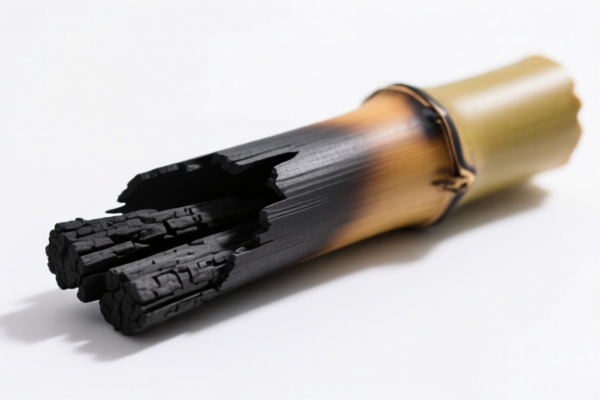
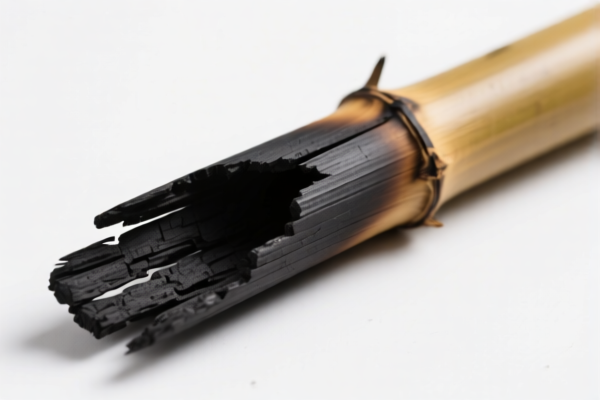
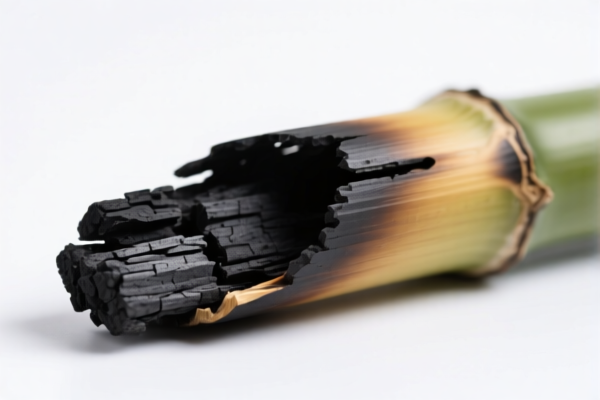
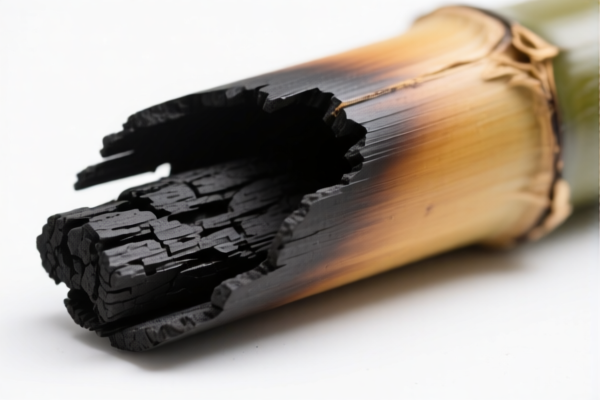
Waste Animal Charcoal refers to the carbonaceous residue obtained through the incomplete combustion or pyrolysis of animal derivatives (such as bones, hides, feathers, or slaughterhouse waste). In international trade, it is primarily categorized based on its origin (organic vs. inorganic) and processing state (raw vs. refined).
Key Distinction: * Bone Char / Animal Charcoal: Classified under Chapter 38 (Miscellaneous Chemical Products) or Chapter 05 (Products of Animal Origin, not elsewhere specified or included), depending on the primary use and chemical treatment. * Waste Classification: If the product is strictly "waste" intended for disposal or basic fuel, it falls under Chapter 38 (Waste and scrap of plastic, rubber, animal origin, etc.). However, if it is processed for adsorption (activated carbon) or fertilizer, it may fall under Chapter 31 (Fertilizers) or 3802 (Activated carbon).
⚠️ Critical Compliance Point:
- Animal By-Products (ABP) Regulations: Most jurisdictions (EU, US, China) strictly regulate animal by-products to prevent disease spread. Declaration must specify Category 1, 2, or 3 ABP according to sanitary standards.
- Not "Vegetable Charcoal": Do not confuse with HS Code 4402 (Vegetable Charcoal), which is strictly from plant origin. Misclassification here leads to heavy penalties for sanitary violations.
📦 II. HS Code Classification Details (2026 Latest Tariff Authority Comparison)
| HS Code | Product Description | Applicable Scenario | Sanitary/Chemical Status |
|--------|----------|--------------------------|
| 3802.10.00.00 | Activated carbon (from animal or other organic materials) | Refined charcoal used for filtration, purification, or medicinal use | ✅ Processed (Activated) |
| 3802.90.00.00 | Other activated carbon | Non-animal specific or mixed-source activated carbon | ✅ Processed (Activated) |
| 0506.90.90.00 | Bones and horns, unworked, defatted, simply prepared but not cut to shape; powders and waste | Raw bone char, unprocessed animal waste charcoal, bone black | ✅ Raw/Simple Prep |
| 3801.90.00.00 | Other carbon blacks and other carbon of a kind used primarily as pigment | If used primarily as a pigment/dye component | ✅ Pigment Grade |
| 1506.90.00.00 | Other animal fats and oils and their fractions (if fatty residue remains) | If the "charcoal" is actually a fatty residue/byproduct of rendering | ✅ Fat-Rich Residue |
🔍 Key Reminder:
- If the charcoal is raw waste with no further processing,0506.90.90.00is the most common for bone/animal waste.
- If it is activated (high surface area for adsorption), it MUST go to3802.10.00.00.
- Do not use4402(Vegetable Charcoal) for animal waste. Customs inspections often verify origin via lab tests.
💰 III. 2026 Latest Tariff Rate Details (Including Surtaxes & Policy Add-ons)
✅ Applicable Country: United States (US)
✅ Origin: China (CN)
✅ Effective Date: November 10, 2025 onwards (including subsequent imports)
🎯 1. 3802.10.00.00 —— Activated Carbon (Animal Origin)
| Item | Content |
|---|---|
| Base Tax Rate | 2.5% (ad valorem) |
| USITC Surtax (Section 301) | +25% (From USITC Footnote 9903.08.01) |
| IEEPA Surtax | +10% (Targeting China/HK products, effective Nov 10, 2025) |
| Total Tax Rate | 37.5% |
| Tax Calculation | CIF Value × 37.5% |
| De Minimis Eligibility | ❌ No (deny_de_minimis) |
| Legal Basis Path | IEEPA:9903.01.25 → USITC:3802.10.00.00 → FOOTNOTE:9903.08.01 |
📌 Explanation:
- Activated carbon is considered a chemical/industrial product. The 25% Section 301 tariff applies to most chemical derivatives.
- The new IEEPA 10% surcharge adds significant cost, making the total landed duty burden high.
🎯 2. 0506.90.90.00 —— Bones and Bones Waste (Unprocessed)
| Item | Content |
|---|---|
| Base Tax Rate | 5.0% (ad valorem) |
| USITC Surtax (Section 301) | +25% (From USITC Footnote 9903.08.01) |
| IEEPA Surtax | +10% (Targeting China/HK products) |
| Total Tax Rate | 40.0% |
| Tax Calculation | CIF Value × 40.0% |
| De Minimis Eligibility | ❌ No (deny_de_minimis) |
| Legal Basis Path | IEEPA:9901.25 → USITC:0506.90.90.00 → FOOTNOTE:9903.08.01 |
📌 Note:
- Raw bone waste/charcoal faces even higher effective rates due to the higher base rate and same surcharges.
- Sanitary Fees: In addition to duties, expect APHIS (USDA) inspection fees and potential quarantine charges.
🛠️ IV. Customs Clearance Practical Advice (Battle-Tested Pitfall Guide)
✅ 1. Required Documentation Checklist (Non-Negotiable)
| Document | Must Provide | Description |
|---|---|---|
| ✅ Species Declaration | ✔️ | Explicitly state source (e.g., "Bone Char from Bovine Source"). |
| ✅ Sanitary/Phytosanitary Certificate | ✔️ | Issued by the country of origin’s veterinary authority. Must confirm freedom from BSE/TSE. |
| ✅ Category 3 ABP Certificate | ✔️ | Confirm waste is processed under Category 3 standards (safe for industrial use). |
| ✅ MSDS (Material Safety Data Sheet) | ✔️ | Especially if sold as "Activated Carbon" for chemical filtration. |
| ✅ Commercial Invoice | ✔️ | Must match HS Code description exactly. Avoid vague terms like "Charcoal Powder." |
| ✅ Packing List | ✔️ | Indicate gross/net weight, packaging type (sealed bags to prevent dust/pollution). |
✅ 2. Declaration Tips (Key Mnemonics)
🔥 "Raw vs. Activated, Source Matters, Sanitary Docs Clear the Path!"
| Scenario | Correct Declaration | Wrong Practice |
|---|---|---|
| Activated Carbon for Water Filtration | 3802.10.00.00 |
Misdeclare as 4402 (Vegetable) → Sanitary Seal + Fine |
| Raw Bone Char for Fertilizer/Soil | 3801.90.00.00 or 0506.90.90.00 |
Declare as "Fertilizer" without ABP cert → Quarantine Hold |
| Mixed Waste (Animal + Vegetable) | 3802.10.00.00 |
Declare as 100% Vegetable → Fraud Penalty |
| "Waste" Charcoal for Landfill | 0506.90.90.00 |
Fail to provide ABP Category 3 Cert → Return/Destroy |
✅ 3. Special Situation Handling
| Situation | Handling Advice |
|---|---|
| BSE (Mad Cow Disease) Risk Country | Imports from countries with high BSE risk may be prohibited entirely. Check USDA APHIS list. |
| Activated Carbon for Medical Use | Requires FDA Registration in addition to customs clearance. |
| Smuggled/Undeclared Waste | Heavy fines under RCRA (Resource Conservation and Recovery Act) if classified as illegal waste. |
| OEM/Private Label | Ensure the supplier provides the origin verification documents to avoid origin fraud claims. |
🌍 V. Global Market Customs Comparison (2026 Latest)
| Country/Region | Recommended HS Code | Duty Rate | Certification Requirements | Notes |
|---|---|---|---|---|
| 🇺🇸 USA | 3802.10.00.00 / 0506.90.90.00 |
37.5% - 40% | USDA APHIS + FDA (if medical) | Strict BSE controls. High duty. |
| 🇨🇳 China | 3802.10.00.00 |
5% - 10% | CIQ (Inspection & Quarantine) | Stricter on "waste" importation. |
| 🇪🇺 EU | 3802.10.00.00 |
0% - 4% | ABP Regulation (EC) No 1069/2009 | Must prove Category 3 status. |
| 🇬🇧 UK | 3802.10.00.00 |
0% - 5% | GB Animal By-Product Rules | Post-Brexit rules mirror EU closely. |
| 🇯🇵 Japan | 3802.10.00.00 |
6% - 8% | MLIT + Health Minister Approval | Strict cleanliness standards. |
📌 Conclusion:
- USA is the most expensive market due to Section 301 + IEEPA surcharges.
- EU and UK have lower duties but strictest sanitary regulations regarding animal by-products.
- China restricts imports of "waste" unless strictly processed and certified.
📌 VI. Common Mistakes & Pitfall Guide (Lessons Learned)
❌ Mistake 1: Declaring "Animal Charcoal" as "Vegetable Charcoal" (4402)
👉 Consequence: Customs Lab Test → Positive for animal protein → Seizure + Fine for fraud.
❌ Mistake 2: Missing the ABP Category Certificate
👉 Consequence: USDA/APHIS Refusal → Goods destroyed at port → 100% Loss.
❌ Mistake 3: Vague Description: "Charcoal Powder"
👉 Consequence: Customs Holds for verification → Delays of 2-4 weeks → Demurrage Costs.
❌ Mistake 4: Ignoring BSE Risk Countries
👉 Consequence: Import Ban → Shipment turned back or destroyed.
✅ Correct Approach:
"Activated Carbon, Granular, Source: Bone (Bovine), Category 3 Animal By-Product, Processed for Filtration Use, BSE-Safe Certified, HS 3802.10.00.00"
🎯 VII. Conclusion: Precision in Classification, Safety in Clearance!
🎯 Remember Mnemonics:
🔹 "Animal Waste is High Risk, Sanitary Docs are the Key!"
🔹 "3802 for Activated, 0506 for Raw Bone, Don't Mix with 4402!"
🔹 "US Tariffs are High, Plan Costing Early, Avoid Surprises at Port!"
📌 Pro Tip:
If your charcoal is destined for environmental remediation (oil spill cleanup), ensure it is labeled as such, as some jurisdictions offer exemptions for eco-friendly waste utilization, though duties still apply.
📣 Immediate Action:
📞 Contact a Veterinary Customs Broker + Provide ABP Certificate + Apply for Pre-Clearance
🚀 Ensure your Charcoal, Compliant, Safe, and Clear!
✨ Professional Customs Clearance Starts with Accurate Classification!
💼 Your Product’s Safety is Our Priority, Your Cost is Our Concern!
Customer Reviews
About HS Code Classification
The Harmonized System (HS) is an internationally standardized nomenclature developed by the World Customs Organization (WCO) to classify traded products. Over 200 countries use the HS system as the basis for customs tariffs, trade statistics, and import/export regulations.
Each HS code follows a hierarchical structure:
- Chapter (2 digits) — Broad category of goods (e.g., Chapter 84: Machinery and Mechanical Appliances)
- Heading (4 digits) — More specific grouping within the chapter
- Subheading (6 digits) — Internationally standardized breakdown, used by all WCO member countries
- National subdivisions (8-10 digits) — Country-specific extensions for further classification, such as US HTSUS 10-digit codes
Correct HS code classification is essential for smooth customs clearance, accurate duty payment, and compliance with trade regulations. Misclassification can lead to customs delays, overpayment of duties, or penalties.
When importing from CN to US, the applicable tariff rates may include:
- Most-Favored-Nation (MFN) rate — The standard duty rate applied to WTO members
- General rate — Applied to countries without trade agreements
- Trade remedy duties — Additional tariffs such as Section 301 (anti-dumping), Section 232 (national security), or countervailing duties
The information provided on this page is for reference purposes only. For official classification, please consult with your local customs authority or a licensed customs broker.