Waste Chemical Reagent Container
CN → US| HS Code | Tariff Rate | Origin | Destination | Doc |
|---|---|---|---|---|
| 3926909910 | 22.8% | CN | US | Official Doc |
| 7017200000 | 41.7% | CN | US | Official Doc |
| 7017905000 | 41.7% | CN | US | Official Doc |
| 7310290065 | 85.0% | CN | US | Official Doc |
| 7310210075 | 85.0% | CN | US | Official Doc |
Product Images
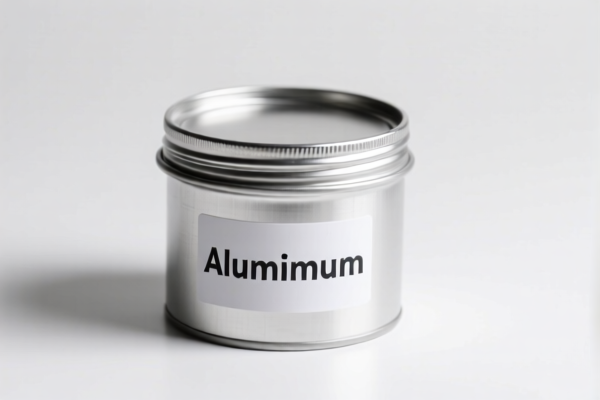
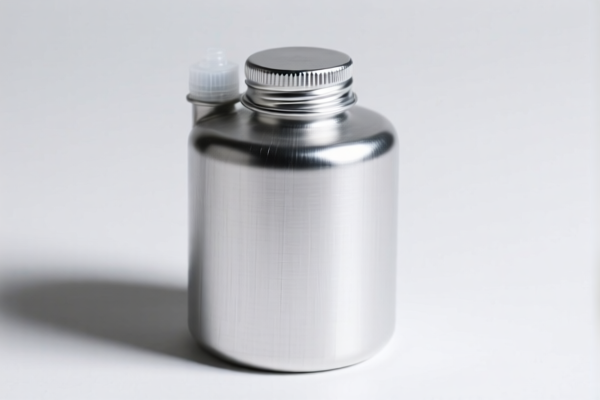
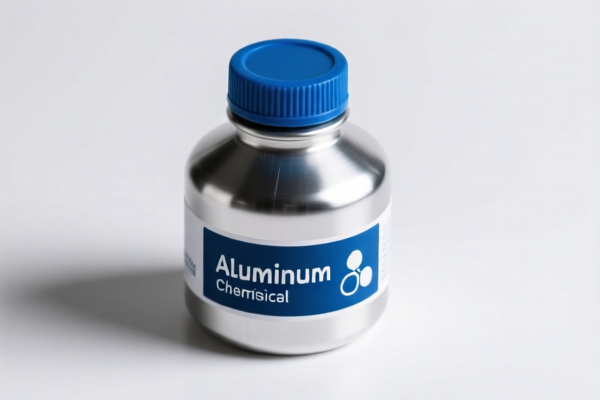
AI Analysis
🧪 Chemical Reagent Containers (Waste/Used) – HS Code & Tariff Breakdown
🌐 HS Code Reference & Customs Clearance Guide | 2026 Latest Tariff Analysis | Professional-Level Clearance Strategy
📌 Part I: Product Definition & Classification
Waste Chemical Reagent Containers are vessels previously used to store, transport, or hold chemical reagents. In international trade, their classification depends heavily on the material composition of the container itself, as residue is often assumed or requires specific cleaning certification. The containers in the provided dataset are categorized by material: Plastic, Glass, and Metal.
⚠️ Key Distinction:
- If the container is Plastic → Look at Chapter 39 (3926...)
- If the container is Glass → Look at Chapter 70 (7017...)
- If the container is Metal (Steel, Aluminum, Copper) → Look at Chapter 73 (7310...)
📦 Part II: HS Code Classification Details (From Provided Data)
| HS Code | Product Description | Material | Application Scope |
|---|---|---|---|
3926.90.99.10 |
Plastic Chemical Reagent Container | Plastic | Laboratory ware, general chemical storage |
7017.20.00.00 |
Glass Chemical Reagent Container | Glass | Laboratory use, pharmaceutical use |
7017.90.50.00 |
Other Glass Chemical Reagent Container | Glass | Laboratory/Medical category |
7310.29.00.65 |
Metal Chemical Reagent Container | Metal (Alu/Cu/Steel) | Chemical storage, industrial metal vessels |
7310.21.00.75 |
Iron/Steel Chemical Reagent Container | Iron/Steel | Metal container attributes |
🔍 Important Note:
- All HS codes listed above are derived strictly from the provided<DATA>.
- These HS codes assume the container is classified by its primary material for customs purposes, even if it contains "waste" or residual chemicals. Specific hazardous waste classifications may require additional declarations depending on the destination country's environmental regulations.
💰 Part III: 2026 Latest Tariff Rate Breakdown (Detailed Tax Clauses)
✅ Scope: Based on the provided
<DATA>tax details.
✅ Structure: Includes Base Tariff, Additional Tariffs, and "Section 122" Tariffs.
✅ Note: The total tax percentages provided in the data are high, indicating significant trade barriers or specific surcharges (e.g., Section 301 or 232 tariffs, commonly associated with US-China trade tensions).
🎯 1. 3926.90.99.10 – Plastic Chemical Reagent Container
| Item | Detail |
|---|---|
| Total Tax Rate | 22.8% |
| Base Tariff | 5.3% |
| Additional Tariff | 7.5% |
| Section 122 Tariff | 10% |
| Tax Calculation | CIF Value × 22.8% |
📌 Explanation:
- Plastic containers attract the lowest total tax among the three material types.
- The Base Tariff (5.3%) is moderate.
- The Additional Tariff (7.5%) and Section 122 Tariff (10%) constitute the majority of the tax burden.
🎯 2. 7017.20.00.00 & 7017.90.50.00 – Glass Chemical Reagent Containers
| Item | Detail |
|---|---|
| Total Tax Rate | 41.7% |
| Base Tariff | 6.7% |
| Additional Tariff | 25.0% |
| Section 122 Tariff | 10% |
| Tax Calculation | CIF Value × 41.7% |
📌 Explanation:
- Both glass variants (7017.20.00.00for specific lab/pharma use,7017.90.50.00for other glass ware) share the same total tax rate of 41.7%.
- The Additional Tariff of 25.0% is significantly higher than for plastics, reflecting stricter trade policies on glass imports (often linked to Section 301 tariffs).
- The Base Tariff (6.7%) is slightly higher than plastic, and the Section 122 Tariff (10%) remains constant.
🎯 3. 7310.29.00.65 & 7310.21.00.75 – Metal Chemical Reagent Containers
| Item | Detail |
|---|---|
| Total Tax Rate | 85.0% |
| Base Tariff | 0.0% |
| Additional Tariff | 25.0% |
| Section 122 Tariff | 10% |
| Special Metal Surcharge | 50% (for Steel, Aluminum, Copper products) |
| Tax Calculation | CIF Value × 85.0% |
📌 Explanation:
- Metal containers face the highest tax burden at 85.0%.
- The Base Tariff is 0.0%, but this is misleadingly low.
- The Additional Tariff (25.0%) and Section 122 Tariff (10%) add up to 35%.
- CRITICAL: The remaining 50% is attributed to the Special Metal Surcharge for steel, aluminum, and copper products (likely Section 232 tariffs).
- Both7310.29.00.65(General metal) and7310.21.00.75(Iron/Steel) are subject to this 85.0% total rate.
🛠️ Part IV: Customs Clearance Practical Advice (Avoid Pitfalls)
✅ 1. Material Declaration is Key
- Be Precise: Clearly state the material (Plastic, Glass, Metal) in the commercial invoice. Misdeclaration (e.g., calling a steel container "plastic") can lead to severe penalties and back-taxes.
- Lab vs. Industrial: Specify if the container is for laboratory/pharmaceutical use (for glass) or general chemical storage (for metal/plastic), as this affects the sub-heading within the HS code.
✅ 2. Tax Optimization Strategy
- Plastic is Cheapest: If feasible, consider switching to plastic containers (
3926.90.99.10) to reduce tariffs from 85.0% (metal) or 41.7% (glass) down to 22.8%. - Avoid Metal if Possible: The 50% special surcharge on metal products makes it the most expensive option. Explore plastic or glass alternatives if product integrity allows.
✅ 3. Documentation Requirements
- Product Specification Sheet: Include material type, capacity, and intended use.
- Cleanliness Certificate: If the container is "waste" or used, provide a certificate stating it is cleaned and free of hazardous residues to avoid environmental/quarantine delays.
- Commercial Invoice: Must clearly state "Chemical Reagent Container" and the correct HS code.
✅ 4. Special Considerations for "Waste" Status
- Environmental Compliance: "Waste" containers may trigger additional environmental reviews. Ensure compliance with the destination country's hazardous waste regulations (e.g., Basel Convention).
- Recycling vs. Reuse: If the container is intended for recycling, declare it as "scrap" or "recyclable material" if applicable, which might have different HS codes and tax rates (not covered in the provided data, so consult local customs).
🌍 Part V: Global Market Comparison (Inferred from Data)
| Market | Recommended HS Code | Estimated Tariff | Notes |
|---|---|---|---|
| USA (from China) | See above | 22.8% (Plastic), 41.7% (Glass), 85.0% (Metal) | High tariffs due to Section 301/232 policies. |
| Other Markets | N/A | Varies | The provided data appears to reflect US-style tariffs (Base + Additional + Section 122/232). Other countries may have lower or zero tariffs for these goods. |
📌 Conclusion:
- Plastic containers offer the most cost-effective clearance.
- Metal containers face the highest barriers due to the 50% special surcharge.
- Glass containers fall in the middle, with a 25% additional tariff.
📌 Part VI: Common Mistakes & Pitfalls
❌ Mistake 1: Declaring a metal container as "plastic" to avoid tariffs.
👉 Consequence: Customs inspection will reveal the truth, leading to penalties, fines, and potential shipment rejection.
❌ Mistake 2: Ignoring the "Section 122" or "Special Metal Surcharge" in tax calculations.
👉 Consequence: Under-declaring taxes leads to back-taxes and interest.
❌ Mistake 3: Failing to specify "Laboratory Use" for glass containers.
👉 Consequence: May be misclassified under general glassware, potentially affecting eligibility for certain exemptions or triggering different duties.
✅ Correct Approach:
"Plastic Chemical Reagent Container, Lab Grade, Cleaned, Model XYZ, HS Code: 3926.90.99.10, Total Tariff: 22.8%"
🎯 Part VII: Final Recommendations
🎯 Remember:
🔹 "Plastic is King, Glass is Middle, Metal is Heavy!"
🔹 "Check the material, calculate the tax, avoid the 50% metal penalty!"
📌 Pro Tip:
- If you are importing metal containers, consider supply chain relocation to a country not subject to the 50% special surcharge (if such a policy exists in the target market).
- For glass and plastic, ensure the additional tariffs (25% and 7.5%) are factored into your pricing model.
📣 Immediate Action:
📞 Consult a Customs Broker: Verify if any exemptions or duty drawbacks apply.
📝 Pre-clearance Check: Submit samples and documentation for advance ruling if possible.
🚀 Optimize for Cost: Shift to plastic containers where possible to save ~60% in tariffs compared to metal.
✨ Professional Clearance Starts with Accurate Classification!
💼 Your Cost Efficiency Depends on Precision!
Customer Reviews
About HS Code Classification
The Harmonized System (HS) is an internationally standardized nomenclature developed by the World Customs Organization (WCO) to classify traded products. Over 200 countries use the HS system as the basis for customs tariffs, trade statistics, and import/export regulations.
Each HS code follows a hierarchical structure:
- Chapter (2 digits) — Broad category of goods (e.g., Chapter 84: Machinery and Mechanical Appliances)
- Heading (4 digits) — More specific grouping within the chapter
- Subheading (6 digits) — Internationally standardized breakdown, used by all WCO member countries
- National subdivisions (8-10 digits) — Country-specific extensions for further classification, such as US HTSUS 10-digit codes
Correct HS code classification is essential for smooth customs clearance, accurate duty payment, and compliance with trade regulations. Misclassification can lead to customs delays, overpayment of duties, or penalties.
When importing from CN to US, the applicable tariff rates may include:
- Most-Favored-Nation (MFN) rate — The standard duty rate applied to WTO members
- General rate — Applied to countries without trade agreements
- Trade remedy duties — Additional tariffs such as Section 301 (anti-dumping), Section 232 (national security), or countervailing duties
The information provided on this page is for reference purposes only. For official classification, please consult with your local customs authority or a licensed customs broker.