Waste Electrical Equipment
CN → US| HS Code | Tariff Rate | Origin | Destination | Doc |
|---|---|---|---|---|
| 7204410080 | 35.0% | CN | US | Official Doc |
| 7204490080 | 35.0% | CN | US | Official Doc |
| 8548000000 | 35.0% | CN | US | Official Doc |
| 8544420000 | 0.0% | CN | US | Official Doc |
| 8549990000 | 35.0% | CN | US | Official Doc |
| 8549910000 | 35.0% | CN | US | Official Doc |
Product Images
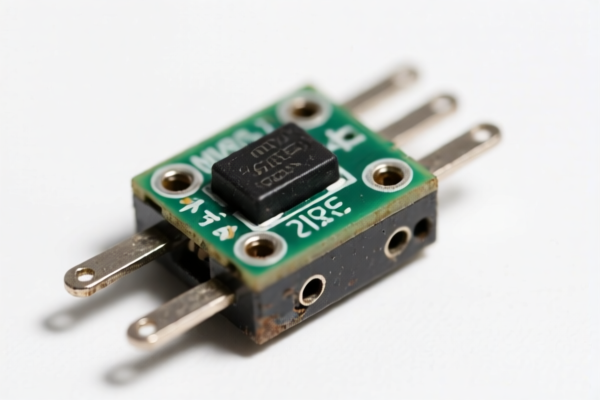
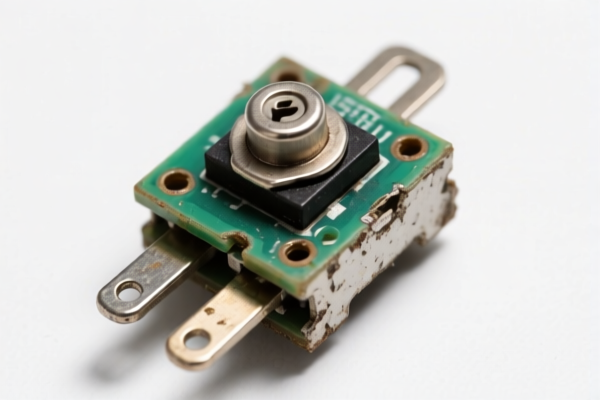
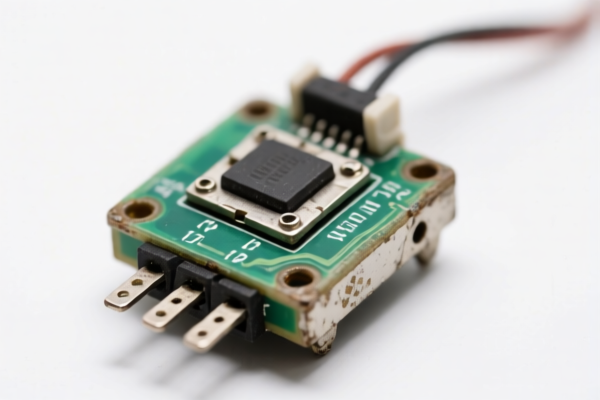
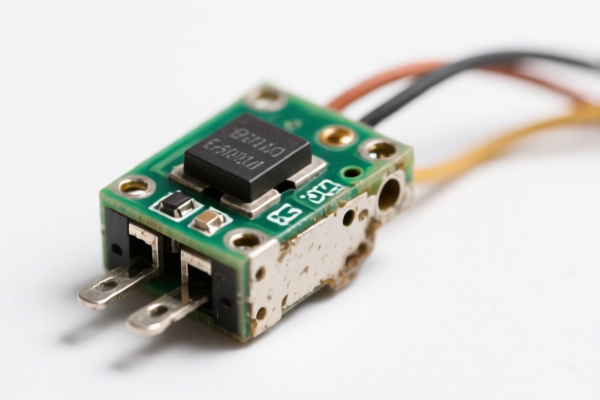
AI Analysis
🗑️ Waste Electrical & Electronic Equipment (WEEE)
🌐 HS Code Reference & Customs Clearance Guide | 2026 Latest Tariff Analysis | Professional Compliance Strategy
📌 I. Product Definition & Classification: What is "Waste Electrical Equipment"?
Waste Electrical and Electronic Equipment (WEEE) refers to discarded products that contain electrical or electronic components. In international trade, this category is strictly divided into two main groups based on their composition and environmental impact:
General Electrical Scrap (8548.00 / 8549.99): Electronic waste that does not contain specific hazardous materials (like mercury, cadmium, or lead) or specific components like CRTs. This is often treated as "general scrap" but still subject to strict environmental regulations.
Hazardous/Complex E-Waste (8549.91): Electronic waste containing primary cells, batteries, accumulators, mercury switches, glass from cathode-ray tubes (CRTs), or components with cadmium, mercury, lead, or PCBs. This category is subject to higher scrutiny due to environmental hazards.
⚠️ Key Distinction Point: - If the waste contains no hazardous components or specific listed parts (like batteries/CRTs) →归入 8548.00.00.00 or 8549.99.00.00 - If it contains batteries, mercury switches, CRT glass, or heavy metals (Cd, Hg, Pb) → Must be classified under 8549.91.00.00
📦 II. HS Code Classification Details (2026 Latest Tariff Authority Comparison)
| HS Code | Product Description | Applicable Scenario | Hazardous Components? |
|---|---|---|---|
8548.00.00.00 |
Electrical parts of machinery/apparatus, not specified elsewhere | Discarded electrical motors, switches, coils, or parts not constituting complete e-waste | ❌ No (General parts) |
8549.91.00.00 |
Electrical/electronic waste containing primary cells, batteries, mercury-switches, CRT glass, or heavy metals (Cd, Hg, Pb) | Old computers with batteries, CRT monitors, industrial controllers with mercury switches | ✅ Yes (High Risk) |
8549.99.00.00 |
Electrical/electronic waste: Other: Other | General e-waste without the specific hazardous components listed above | ❌ No (General Scrap) |
8504.40.00.00 (Note: Not in DATA but common) |
Transformers, Static Converters, Inductors | Excluded in this specific dataset | N/A |
🔍 Key Reminder: - 8549.91.00.00 is the most critical code for compliance. Misdeclaring hazardous waste as "general waste" (8549.99) can lead to severe fines, shipment rejection, or criminal charges due to environmental violations (Basel Convention). - 8548.00.00.00 is for "parts" not yet classified as "scrap/waste" of a complete apparatus, or parts not elsewhere specified. - 8549.99.00.00 is the "catch-all" for general electronic scrap that doesn't fit the hazardous definition of 8549.91.
💰 III. 2026 Latest Tariff Rate Breakdown (Including Surtaxes, Policy Surcharges)
✅ Applicable Country: United States (US)
✅ Origin: China (CN)
✅ Effective Date: 2025 onwards (Check latest USITC updates)
🎯 1. 8548.00.00.00 —— Electrical Parts (Not Elsewhere Specified)
| Item | Content |
|---|---|
| Base Tariff | 0.0% (ad valorem) |
| Section 301 Surcharge | +25.0% (USITC Footnote related to China) |
| Total Tariff | 25.0% |
| Tax Calculation | CIF Value × 25% |
| De Minimis Exemption | ❌ Not Applicable (Usually for Section 301 goods) |
| Legal Basis Path | USITC:8548.00.00.00 → FOOTNOTE:301_China |
📌 Explanation: - "Base tariff 0%" reflects the general MFN rate for electrical parts not specifically listed. - The 25% surcharge is the standard Section 301 tariff applied to most Chinese-origin electrical/electronic goods. - Total Cost Impact: High. Ensure the "value" declared is accurate, as it applies to the entire shipment value.
🎯 2. 8549.91.00.00 —— Hazardous Electrical/Electronic Waste (Contains Batteries, CRTs, etc.)
| Item | Content |
|---|---|
| Base Tariff | 0.0% (ad valorem) |
| Section 301 Surcharge | +25.0% (USITC Footnote related to China) |
| Total Tariff | 25.0% |
| Tax Calculation | CIF Value × 25% |
| De Minimis Exemption | ❌ Not Applicable |
| Legal Basis Path | USITC:8549.91.00.00 → FOOTNOTE:301_China |
📌 Note: - Despite being "waste," this category attracts the same 25% surcharge as general electrical goods. - CRITICAL: This classification triggers EPA and DOT environmental regulations. You must provide: - Manifests showing proper handling. - Certification that materials are sorted and non-hazardous (unless specifically permitted). - Recycling Facility Certificates. - Misclassification here is dangerous: if you declare it as
8549.99(general) but it contains mercury, you face environmental penalties and customs seizure.
🎯 3. 8549.99.00.00 —— General Electrical/Electronic Waste (Other)
| Item | Content |
|---|---|
| Base Tariff | 0.0% (ad valorem) |
| Section 301 Surcharge | +25.0% (USITC Footnote related to China) |
| Total Tariff | 25.0% |
| Tax Calculation | CIF Value × 25% |
| De Minimis Exemption | ❌ Not Applicable |
| Legal Basis Path | USITC:8549.99.00.00 → FOOTNOTE:301_China |
📌 Note: - This is the most common code for general e-waste scrap (e.g., shredded circuit boards, general wire scraps without specific hazardous components). - Tariff: 25% total. - Environmental Compliance: Still requires proof that the waste is properly sorted and does not contain prohibited hazardous substances under US law (RCRA).
🛠️ IV. Customs Clearance Practical Advice (Real-World Pitfall Guide)
✅ 1. Required Documentation Checklist (No Exceptions)
| Document | Mandatory? | Description |
|---|---|---|
| ✅ Commercial Invoice | ✔️ | Must clearly state "Used/Scrap Electronic Equipment" and list HS Codes. |
| ✅ Packing List | ✔️ | Detail the weight and quantity of each item. Separate hazardous from non-hazardous if mixed. |
| ✅ Environmental Compliance Statement | ✔️ | Certified by a licensed recycler stating the waste meets US EPA standards (RCRA). |
| ✅ Pre-Shipment Inspection Certificate | ✔️ | Often required for waste shipments to verify no prohibited items are present. |
| ✅ Bill of Lading/Air Waybill | ✔️ | Must match invoice and packing list exactly. |
| ✅ Certificate of Recycling/Disposal | ✔️ | Proof of intended disposal or recycling in the US. |
✅ 2. Declaration Tips (Key Mnemonics)
🔥 "Hazards First, Sort Clean, Declare Clearly, Avoid Seizure!"
| Scenario | Correct Declaration | Wrong Practice |
|---|---|---|
| E-waste with batteries/CRTs | 8549.91.00.00 + EPA Docs |
Declare as 8549.99 → Seizure & Fine |
| General e-waste (no hazards) | 8549.99.00.00 |
Declare as 8548.00 (parts) → Misclassification |
| Electrical parts (not waste) | 8548.00.00.00 |
Declare as "Waste" → Unnecessary Env. Docs |
| Mixed Shipment | Split Declaration | Mix all in one line → Customs Hold |
✅ 3. Special Cases & Handling
| Scenario | Handling Advice |
|---|---|
| OEM Return/Refurbishment | If returning defective goods for repair, use "Returned Goods" relief if applicable (must prove prior export). Provide repair contract. |
| Shredded Scrap | Must be finely shredded to prevent contamination. Provide lab test results for heavy metals. |
| Mixed Bins | DO NOT MIX hazardous (8549.91) and general (8549.99) waste. Ship separately or declare separately with precise quantities. |
| Origin: Not China | If from Vietnam/Mexico, check for USMCA or other FTAs. Some e-waste may have 0% tariff if qualifying. |
🌍 V. Global Market Comparison (2026 Latest)
| Country/Region | Recommended HS Code | Tariff (China Origin) | Certification Required | Notes |
|---|---|---|---|---|
| 🇺🇸 US | 8549.91.00.00 / 8549.99.00.00 |
25% (301 Tariff) | EPA/RCRA Compliance | Strict Environmental Controls |
| 🇪🇺 EU | 8549.99.00.00 | 0% (if compliant) | WEEE Directive + REACH | Zero Duty if Certified |
| 🇨🇳 China | 8549.99.00.00 | 5% (Import Duty) | CCC (if reusable) | Import of Waste Restricted |
| 🇯🇵 Japan | 8549.99.00.00 | 5% | JIS Standards | Strict Sorting Required |
📌 Conclusion: - US imposes a 25% tariff on all these electrical/electronic waste categories from China. - Environmental Compliance is as critical as the tariff. Fines for misdeclared hazardous waste can exceed the value of the shipment. - EU offers 0% duty but has strictest environmental laws.
📌 VI. Common Errors & Pitfall Guide (Lessons Learned)
❌ Error 1: Declaring hazardous e-waste (with batteries) as general scrap (8549.99.00.00)
👉 Consequence: EPA investigation, shipment rejection, and fines up to $100,000+.
❌ Error 2: Not separating hazardous and non-hazardous waste in a mixed shipment 👉 Consequence: Entire shipment held at customs until sorted, incurring demurrage fees.
❌ Error 3: Using "Used Electronics" vague description 👉 Consequence: Customs may classify under higher duty rates or require additional inspections. Use "Scrap" or "Waste" if applicable.
❌ Error 4: Ignoring Section 301 Tariffs 👉 Consequence: Underpayment of 25% → Back taxes + Interest.
✅ Correct Approach:
"Waste Electrical Circuit Boards, Shredded, Non-Hazardous (No CRTs, No Mercury), Certified Recycled Scrap, HS 8549.99.00.00"
🎯 VII. Conclusion: Professional Declaration, Cost Efficiency, Risk Mitigation
🎯 Remember the Mantra:
🔹 "Hazardous or General? Declare Right!"
🔹 "25% Tariff on China, EPA Rules Are Tight!"
🔹 "Separate Bins, Save Dollars, Avoid Sinns!"
📌 Pro Tip:
If your waste originates from Vietnam, Mexico, or Thailand, check for Free Trade Agreement (FTA) benefits. Some e-waste may qualify for 0% tariff if properly certified.
Recommendation: Apply for a Binding Ruling from US Customs and Border Protection (CBP) before shipping large volumes of waste.
📣 Immediate Action:
📞 Consult a licensed environmental consultant + Provide detailed inventory + Apply for CBP Ruling
🚀 Ensure your WEEE shipments clear customs smoothly, avoid penalties, and maximize value!
✨ Professional Customs Clearance Starts with Accurate Classification!
💼 Every Ton of Waste Deserves Precise Handling!
Customer Reviews
About HS Code Classification
The Harmonized System (HS) is an internationally standardized nomenclature developed by the World Customs Organization (WCO) to classify traded products. Over 200 countries use the HS system as the basis for customs tariffs, trade statistics, and import/export regulations.
Each HS code follows a hierarchical structure:
- Chapter (2 digits) — Broad category of goods (e.g., Chapter 84: Machinery and Mechanical Appliances)
- Heading (4 digits) — More specific grouping within the chapter
- Subheading (6 digits) — Internationally standardized breakdown, used by all WCO member countries
- National subdivisions (8-10 digits) — Country-specific extensions for further classification, such as US HTSUS 10-digit codes
Correct HS code classification is essential for smooth customs clearance, accurate duty payment, and compliance with trade regulations. Misclassification can lead to customs delays, overpayment of duties, or penalties.
When importing from CN to US, the applicable tariff rates may include:
- Most-Favored-Nation (MFN) rate — The standard duty rate applied to WTO members
- General rate — Applied to countries without trade agreements
- Trade remedy duties — Additional tariffs such as Section 301 (anti-dumping), Section 232 (national security), or countervailing duties
The information provided on this page is for reference purposes only. For official classification, please consult with your local customs authority or a licensed customs broker.