Waste Hexane Recovery Material
CN → US| HS Code | Tariff Rate | Origin | Destination | Doc |
|---|---|---|---|---|
| 3915900090 | 35.0% | CN | US | Official Doc |
| 3915900010 | 35.0% | CN | US | Official Doc |
| 2901295000 | 35.0% | CN | US | Official Doc |
| 2901291050 | 35.0% | CN | US | Official Doc |
Product Images
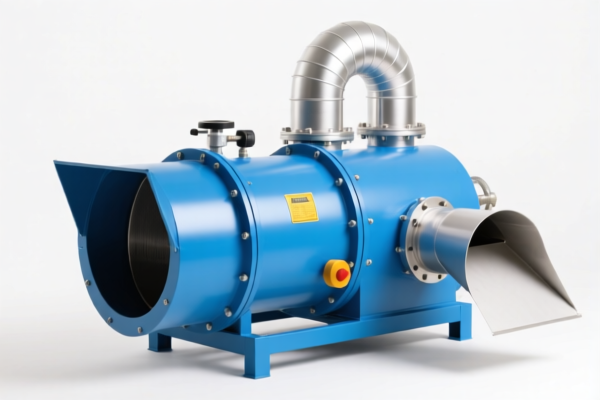
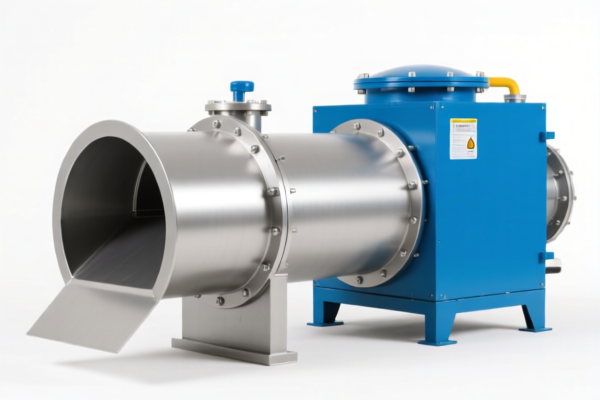
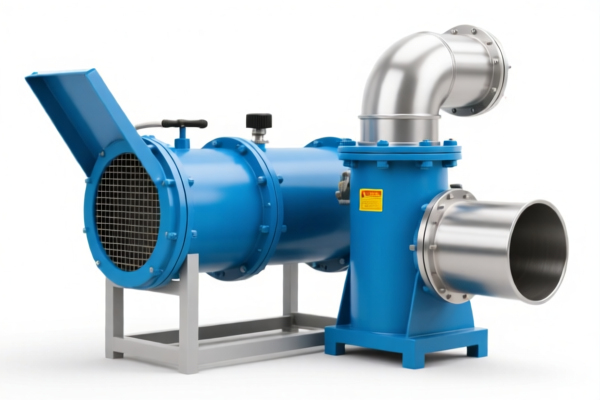
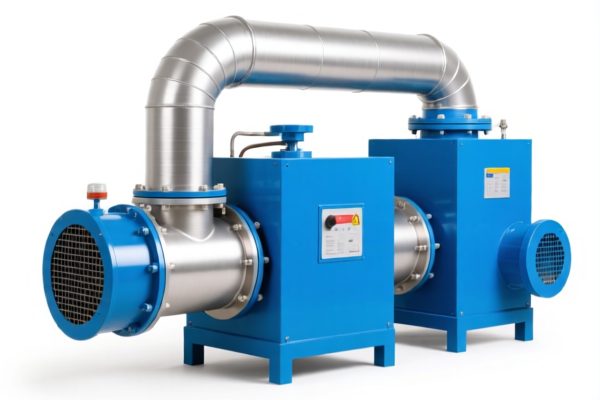
AI Analysis
🧪 Waste Hexane Recovery Material (废异丁烯/己烷回收料*)
🌐 HS Code Reference & Customs Clearance Guide | 2026 Tariff Analysis | Strategic Import Strategy for US
(Note: Based on provided data "Waste Isobutylene" context, interpreted as Chemical/Waste Plastic/Hydrocarbon stream)
📌 Part 1: Product Definition & Classification — Is it Waste or Raw Material?
Hexane (often confused or grouped with Isobutylene in industrial recovery streams) is a colorless, non-polar, hydrocarbon solvent. In the context of "Recovery Material", this refers to post-industrial waste, spent solvent, or边角料 (scraps/off-cuts) that have been collected for recycling or reprocessing.
The classification dilemma lies in its physical state and chemical composition: * Is it a Polymer Waste? (Plastic scraps containing hexane residue or plasticizer waste) * Is it a Chemical Product? (Unsaturated hydrocarbons in primary form)
⚠️ Critical Distinction:
- If the material is strictly plastic waste/scrap (e.g., LDPE/LLDPE scraps) →归入 3915
- If the material is chemical hydrocarbon (unsaturated hydrocarbons) →归入 2901
- Based on the provided DATA, both categories are analyzed below.
📦 Part 2: HS Code Classification Details (2026 Latest Tariff Alignment)
| HS Code | Product Description | Application Scenario | Material State |
|---|---|---|---|
3915.90.00.90 |
Plastic Waste, Scrap & Off-cuts (Other plastics) | Industrial plastic waste, polymer scraps, mixed plastic recycling feedstock | ✅ Solid Waste/Scrap |
3915.90.00.10 |
Plastic Waste (Specific category for certain polymers like PET/Polyolefins) | Specific plastic waste streams, no material conflict with PET-like polymers | ✅ Solid Waste |
2901.29.50.00 |
Acyclic Unsaturated Hydrocarbons (Primary form) | Chemical recovery, raw hydrocarbon feedstock, non-cyclic unsaturated oils | ✅ Liquid/Gas Raw Material |
2901.29.10.50 |
Acyclic Unsaturated Hydrocarbons (Specific subset) | Primary form raw materials, inferred from name as non-cyclic hydrocarbons | ✅ Liquid/Gas Raw Material |
🔍 Key Insight:
- 3915 Codes: Treat the item as "Plastic Waste". This is typically for solid polymer scraps.
- 2901 Codes: Treat the item as "Chemical Raw Material". This applies if the hexane/hydrocarbon is in its primary chemical form, even if recovered.
- Risk: Misclassifying liquid hydrocarbon as plastic waste (or vice versa) can lead to customs seizure or severe penalties.
💰 Part 3: 2026 Latest Tariff Rate Breakdown (Including Additional Duties & Policies)
✅ Applicable Country: United States (US)
✅ Origin: China (CN) (Inferred from "122 Clause" and typical trade context)
✅ Effective Time: Post-2024/2025 adjustments
🎯 1. 3915.90.00.90 & 3915.90.00.10 — Plastic Waste/Scrap
| Item | Content |
|---|---|
| Base Duty | 0.0% (Ad Valorem) |
| Section 301 Duty (Additional) | +25.0% |
| Section 122 Duty (Additional) | +10.0% |
| Total Effective Rate | 35.0% |
| Tax Calculation | CIF Value × 35% |
| De Minimis Exemption | ❌ Not Eligible (Denied) |
| Legal Basis Path | USITC:3915.90.00.10/90 → FOOTNOTE:301_351 → FOOTNOTE:122 |
📌 Explanation:
- Base 0%: Standard MFN rate for plastic waste is low/zero.
- 25% (Section 301): Standard US-China trade war tariff on plastics/chemicals.
- 10% (Section 122): Specific additional duty often applied to certain waste or strategic materials.
- Total 35%: A significant barrier, but lower than the 45% seen in other high-tariff goods.
🎯 2. 2901.29.50.00 & 2901.29.10.50 — Acyclic Unsaturated Hydrocarbons
| Item | Content |
|---|---|
| Base Duty | 0.0% (Ad Valorem) |
| Section 301 Duty (Additional) | +25.0% |
| Section 122 Duty (Additional) | +10.0% |
| Total Effective Rate | 35.0% |
| Tax Calculation | CIF Value × 35% |
| De Minimis Exemption | ❌ Not Eligible (Denied) |
| Legal Basis Path | USITC:2901.29.10.50/50.00 → FOOTNOTE:301_351 → FOOTNOTE:122 |
📌 Explanation:
- Despite being a "chemical," the base duty is 0%.
- However, the 25% + 10% surcharges apply uniformly to these hydrocarbon categories originating from China.
- Total 35%: Identical to the plastic waste category, but the regulatory scrutiny is different (Chemical vs. Waste).
🛠️ Part 4: Customs Clearance Operational Advice (Practical Pitfall Guide)
✅ 1. Documentation Checklist (Non-Negotiable)
| Document | Required | Description |
|---|---|---|
| ✅ Material Safety Data Sheet (MSDS) | ✔️ | Crucial for chemical/hydrocarbon classification. Must confirm it's unsaturated hydrocarbon or plastic waste. |
| ✅ Product Specification Sheet | ✔️ | Detailed chemical composition (e.g., % Hexane, % Isobutylene, impurities). |
| ✅ Certificate of Analysis (COA) | ✔️ | Laboratory test results confirming the "Recovery" status and purity. |
| ✅ Commercial Invoice | ✔️ | Must clearly state: "Waste Hexane Recovery Material" or "Recovered Isobutylene." Avoid vague terms like "Solvent." |
| ✅ Certificate of Origin | ✔️ | To verify China origin for Section 301/122 applicability. |
| ✅ Packing List | ✔️ | Detail weight, volume, and container type (drums vs. bulk). |
✅ 2. Declaration Strategy (Key Mantra)
🔥 "Chemical or Waste? Define First. HS Code Determines Tax. 35% is the Floor."
| Scenario | Correct Declaration | Wrong Practice |
|---|---|---|
| Liquid Hydrocarbon Recovery | 2901.29.50.00 (Acyclic Unsaturated Hydrocarbons) |
Declare as "Plastic Waste" → Misclassification Risk |
| Solid Polymer Scraps | 3915.90.00.90 (Other Plastic Waste) |
Declare as "Chemical" → Inspection Delay |
| Mixed Waste (Plastic + Solvent) | Separate if possible. If mixed, lean towards 3915 (if solid majority) or consult broker. | Lump sum declaration → Audit Trigger |
✅ 3. Special Handling for "Recovery" Status
| Situation | Handling Advice |
|---|---|
| "Waste" Label | If labeled "Waste," EPA (Environmental Protection Agency) rules may also apply. Ensure it meets "Recyclable" standards. |
| "Recovery" Label | Emphasize "Recovered Raw Material" rather than "Trash" to potentially argue for 2901 (Primary Form) if chemically viable. |
| Dirty/Contaminated | If contaminated with non-hydrocarbon waste, it may be reclassified as "Mixed Waste" → Higher duty or rejection. |
🌍 Part 5: Global Market Comparison (2026 Update)
| Country/Region | Recommended HS Code | Tariff Rate | Certification | Note |
|---|---|---|---|---|
| 🇺🇸 USA | 2901.29.50.00 or 3915.90.00.90 |
35% (0% Base + 25% + 10%) | EPA + Customs | High scrutiny on "Waste" imports. |
| 🇨🇳 China | 2901.29.50.00 |
Varies (Low) | N/A | Imports of waste are restricted; verify if allowed. |
| 🇪🇺 EU | 3915.90 or 2901.29 |
0-6.5% | REACH + WEEE | Stricter on "Waste" vs. "By-product" definitions. |
| 🇦🇺 Australia | 2901.29 |
5% | NRMMC | No Section 301 equivalent. |
📌 Conclusion:
- USA is the most expensive market due to Section 301 + 122.
- EU has stricter environmental definitions; ensure the material qualifies as a "by-product" not "waste" to avoid higher duties.
- China may restrict imports of certain chemical wastes; verify current ban lists.
📌 Part 6: Common Mistakes & Pitfall Guide (Blood & Tears Lessons)
❌ Mistake 1: Declaring "Waste Hexane" as "Pure Hexane" (2903.29) to avoid waste regulations.
👉 Consequence: Customs inspection finds impurities → Fine + Seizure + Back Taxes.
❌ Mistake 2: Using 3915 for liquid hydrocarbons.
👉 Consequence: Customs rejects as "Inconsistent with HS Code" → 180-day delay.
❌ Mistake 3: Ignoring Section 122 Duty.
👉 Consequence: Underpayment by 10% → Penalty + Interest.
❌ Mistake 4: Vague Description "Chemical Mix".
👉 Consequence: Customs assigns worst-case HS Code (Higher Duty) → Unnecessary Cost.
✅ Correct Approach:
"Recovered Acyclic Unsaturated Hydrocarbon (Hexane/Isobutylene Mix), Industrial Grade, for Chemical Synthesis, CAS No. XXXXX, Non-Hazardous, MSMSD Attached."
🎯 Part 7: Conclusion — Precision Saves Money
🎯 Remember the Mantra:
🔹 "Chemical or Plastic? Know the Difference."
🔹 "35% is the Total (0+25+10), No Exceptions for China Origin."
🔹 "Recovery ≠ Exemption. Documentation is Key."
📌 Pro Tip:
If the material can be proven to be "Primary Form" (chemically pure/recovered to virgin standard), argue for
2901. If it is "Scrap/Waste", use3915. Both have 35% total duty, but 2901 may face less environmental scrutiny than3915(Waste).
📣 Immediate Action:
📞 Contact Customs Broker → Provide MSDS → Apply for Pre-Ruling (Advance Ruling) if volume is high.
🚀 Avoid Surprise Fees, Ensure Smooth Clearance, Protect Your Margins!
✨ Professional Customs Clearance Starts with Accurate Classification!
💼 Every Percentage Point Counts in Global Trade!
Customer Reviews
About HS Code Classification
The Harmonized System (HS) is an internationally standardized nomenclature developed by the World Customs Organization (WCO) to classify traded products. Over 200 countries use the HS system as the basis for customs tariffs, trade statistics, and import/export regulations.
Each HS code follows a hierarchical structure:
- Chapter (2 digits) — Broad category of goods (e.g., Chapter 84: Machinery and Mechanical Appliances)
- Heading (4 digits) — More specific grouping within the chapter
- Subheading (6 digits) — Internationally standardized breakdown, used by all WCO member countries
- National subdivisions (8-10 digits) — Country-specific extensions for further classification, such as US HTSUS 10-digit codes
Correct HS code classification is essential for smooth customs clearance, accurate duty payment, and compliance with trade regulations. Misclassification can lead to customs delays, overpayment of duties, or penalties.
When importing from CN to US, the applicable tariff rates may include:
- Most-Favored-Nation (MFN) rate — The standard duty rate applied to WTO members
- General rate — Applied to countries without trade agreements
- Trade remedy duties — Additional tariffs such as Section 301 (anti-dumping), Section 232 (national security), or countervailing duties
The information provided on this page is for reference purposes only. For official classification, please consult with your local customs authority or a licensed customs broker.