Waste Paint Can Trash Bin
CN → US| HS Code | Tariff Rate | Origin | Destination | Doc |
|---|---|---|---|---|
| 7310100090 | 85.0% | CN | US | Official Doc |
| 3923900012 | 38.0% | CN | US | Official Doc |
| 3923900014 | 38.0% | CN | US | Official Doc |
| 7612905000 | 35.0% | CN | US | Official Doc |
| 7612901090 | 40.7% | CN | US | Official Doc |
Product Images
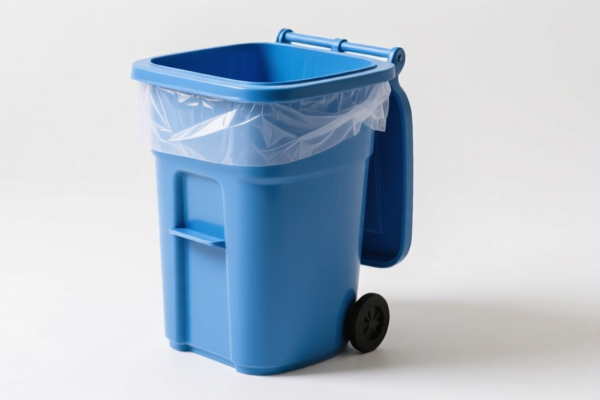
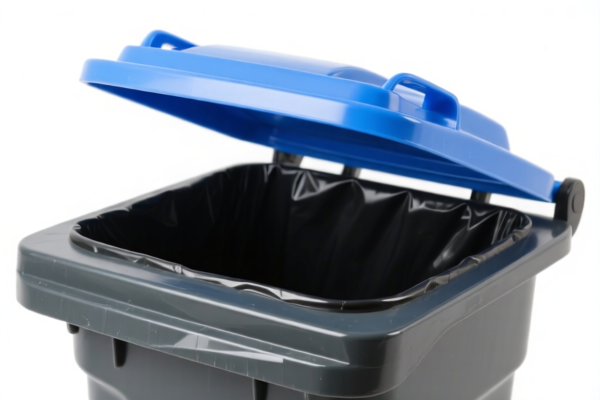
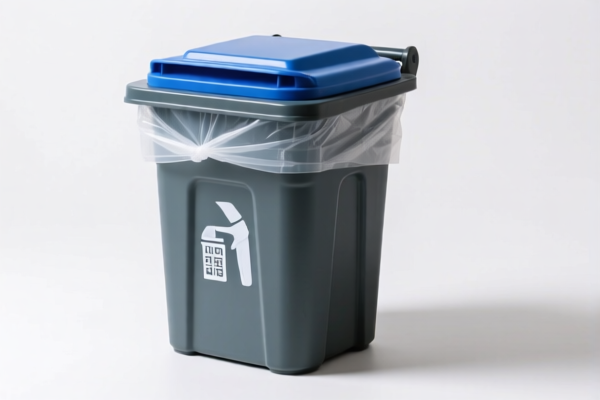
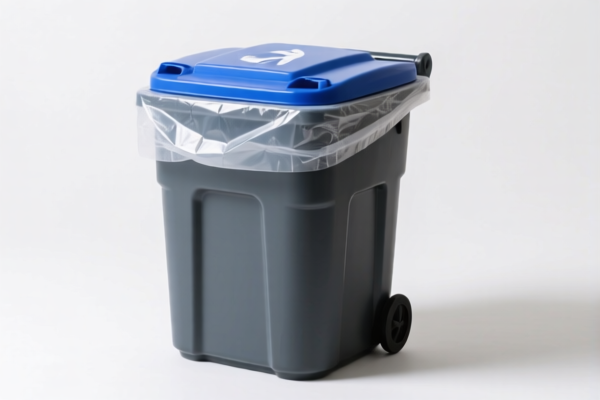
AI Analysis
🗑️ Waste Paint Can Trash Bin (Industrial Waste Oil/Paint Container)
🌐 HS Code Reference & Customs Clearance Guide | 2026 Latest Tariff Analysis | Professional Clearance Strategy for US Imports
📌 1. Product Definition & Classification: Understanding the "Waste Container"
In international trade, "Waste Paint Can Trash Bin" (often referring to used or new industrial containers for waste oil, paint, or hazardous liquids) is not a single HS code. It is classified strictly by Material and Capacity/Form. Misclassification leads to massive tariff discrepancies (e.g., 35% vs. 85%).
Key Distinctions: * Steel/Iron Containers: Heavy-duty, often used for bulk industrial waste oil (50-300L). Highest Risk for Retaliatory Tariffs. * Plastic Containers: Buckets/pails for smaller volumes. Lower base duty but still subject to Section 301/122 tariffs. * Aluminum Containers: Less common for waste, but if used, falls under specific aluminum chapters.
⚠️ Critical Warning:
- If the container is Steel/Iron and intended for industrial waste oil, it may trigger "Section 232 Steel/Aluminum" tariffs (50%) in addition to standard Section 301 tariffs.
- "Plastic" buckets are generally safer from the 50% steel/aluminum penalty but still face the 25% Section 301 + 10% IEEPA tariffs.
- Do not simply declare as "Trash Bin." You must specify Material and Intended Use (e.g., "Industrial Waste Oil Container").
📦 2. HS Code Classification Details (Based on Provided Data)
| HS Code | Product Description | Material | Capacity/Form | Total Tax Rate | Key Tariff Components |
|---|---|---|---|---|---|
7310.10.00.90 |
Iron/Steel Waste Oil Recovery Drum | Steel/Iron | 50-300 Liters, Industrial Use | 85.0% | Base: 0% Sec 301: 25% Sec 232 (Steel): 50% IEEPA: 10% |
3923.90.00.12 |
Plastic Waste Oil Recovery Bucket | Plastic | Buckets/Pails, Recycling Use | 38.0% | Base: 3% Sec 301: 25% IEEPA: 10% |
3923.90.00.14 |
Plastic/Metal Mixed Waste Container | Plastic/Metal | Other, Collection/Packaging | 38.0% | Base: 3% Sec 301: 25% IEEPA: 10% |
7612.90.50.00 |
Aluminum Waste Oil Container | Aluminum | Container, Non-Gas | 35.0% | Base: 0% Sec 301: 25% IEEPA: 10% |
7612.90.10.90 |
Aluminum Waste Oil Container | Aluminum | Container, General | 40.7% | Base: 5.7% Sec 301: 25% IEEPA: 10% |
🔍 Focus Point:
-7310.10.00.90(Steel) is the most expensive at 85% due to the 50% Section 232 Steel Tariff.
-7612.90.50.00(Aluminum) is the cheapest at 35%, assuming it qualifies under the 0% base duty.
- Plastic (3923.90...) is moderate at 38%, with a 3% base duty.
💰 3. 2026 Latest Tariff Rate Breakdown (With Additional Taxes)
✅ Applicable Country: United States (US)
✅ Origin: China (CN)
✅ Effective Time: 2025/2026 (Current IEEPA & Section 301 Rates)
🎯 1. 7310.10.00.90 – Iron/Steel Waste Oil Drum (50-300L)
| Item | Detail |
|---|---|
| Base Duty | 0.0% |
| Section 301 (25%) | +25% |
| Section 232 (Steel/Aluminum) | +50% (Critical: Applies to steel articles) |
| IEEPA (10%) | +10% |
| Total Effective Rate | 85.0% |
| Tax Calculation | CIF Value × 85% |
| De Minimis Exemption | ❌ Not Allowed (High value/high tariff items excluded) |
| Legal Basis | USITC:7310.10.00.90 → USITC:Footnote 232 (Steel) → IEEPA:9903.01.25 → Sec 301:9903.03.01 |
📌 Explanation:
- The 50% Section 232 tariff is applied because the product is made of Steel.
- This is on top of the 25% Section 301 and 10% IEEPA tariffs.
- Total 85% makes steel waste containers extremely costly. Consider plastic or aluminum alternatives if volume allows.
🎯 2. 3923.90.00.12 & 3923.90.00.14 – Plastic Waste Buckets/Containers
| Item | Detail |
|---|---|
| Base Duty | 3.0% |
| Section 301 (25%) | +25% |
| Section 232 | N/A (Not Steel/Aluminum) |
| IEEPA (10%) | +10% |
| Total Effective Rate | 38.0% |
| Tax Calculation | CIF Value × 38% |
| De Minimis Exemption | ❌ Not Allowed |
| Legal Basis | USITC:3923.90.00.12/14 → IEEPA:9903.01.24 → Sec 301:9903.03.01 |
📌 Explanation:
- Plastic containers avoid the 50% Section 232 penalty.
- Total 38% is significantly lower than steel (85%).
- Recommendation: If the waste liquid allows, switch to plastic containers to save 47% in taxes.
🎯 3. 7612.90.50.00 & 7612.90.10.90 – Aluminum Containers
| Item | Detail |
|---|---|
| Base Duty | 0.0% (for .50.00) / 5.7% (for .10.90) |
| Section 301 (25%) | +25% |
| Section 232 (Aluminum) | N/A or included in base/301 depending on specific ruling |
| IEEPA (10%) | +10% |
| Total Effective Rate | 35.0% (.50.00) / 40.7% (.10.90) |
| Tax Calculation | CIF Value × Rate |
| De Minimis Exemption | ❌ Not Allowed |
📌 Explanation:
-7612.90.50.00is the cheapest option at 35% if the base duty is 0%.
- Aluminum is lighter and corrosion-resistant, suitable for certain waste paints/oils.
- Verify Material: Ensure the product is truly Aluminum and not steel-plated, which would revert to the 85% steel rate.
🛠️ 4. Customs Clearance Practical Advice (Avoiding Pitfalls)
✅ 1. Required Documentation Checklist
| Document | Must Provide | Notes |
|---|---|---|
| ✅ Product Specification Sheet | ✔️ | Must explicitly state Material (Steel/Plastic/Aluminum) and Capacity (Liters). |
| ✅ Material Test Report | ✔️ | Prove it is Plastic or Aluminum to avoid 50% Steel penalty. |
| ✅ Commercial Invoice | ✔️ | Describe as "Plastic Waste Oil Container" or "Aluminum Waste Bucket", NOT "Trash Bin". |
| ✅ Photos | ✔️ | Show product label, material type, and capacity marking. |
| ✅ MSDS (if containing waste) | ✔️ | If importing with waste, hazardous material declaration is required. If empty, state "Empty Containers". |
✅ 2. Declaration Strategy (Key Mantras)
🔥 "Material is King, Capacity is Queen, Steel is a Trap, Plastic is Sweet!"
| Scenario | Correct Declaration | Incorrect Declaration | Consequence |
|---|---|---|---|
| Steel Drum | 7310.10.00.90 - Steel Waste Oil Drum |
"Waste Bin" | 85% Tax + Potential Sec 232 Audit |
| Plastic Bucket | 3923.90.00.12 - Plastic Waste Container |
"Plastic Bin" | 38% Tax (Safe) |
| Aluminum Can | 7612.90.50.00 - Aluminum Container |
"Metal Bin" | 35% Tax (Best Price) |
| Mixed/Misclassified | N/A | "Steel Paint Can" (if Plastic) | Audit, Fine, Delay |
✅ 3. Special Situations
| Situation | Advice |
|---|---|
| OEM Custom Containers | Provide design drawings to prove material composition. |
| Empty vs. Filled | Declare as "Empty Containers" if shipping empty. If filled with waste, additional hazardous material fees and restrictions apply. |
| Origin Shifting | If shipped from Vietnam/Mexico with Plastic/Aluminum, may qualify for IEEPA Exemptions or lower rates. Steel may still face high tariffs. |
| Section 232 Exemption | Some steel products may be exempt if they are not "like articles" as defined. Requires legal opinion. |
🌍 5. Global Market Comparison (2026 Update)
| Country/Region | Recommended HS Code | Est. Tax Rate (China Origin) | Notes |
|---|---|---|---|
| 🇺🇸 USA | 3923.90.00.12 (Plastic) |
38% | Avoid Steel (7310...) due to 85% tax. |
| 🇨🇳 China | 3923.90.00.12 |
5-10% | Lower base duty, no Section 301/IEEPA. |
| 🇪🇺 EU | 3923.90.00.12 |
3-6% | No Section 301/IEEPA. Check REACH compliance. |
| 🇬🇧 UK | 3923.90.00.12 |
5-8% | Post-Brexit tariff, no US retaliatory tariffs. |
| 🇯🇵 Japan | 3923.90.00.12 |
0-6% | Low base duty, no additional US-style tariffs. |
📌 Conclusion:
- USA is the most expensive market due to Section 301, IEEPA, and Section 232 tariffs.
- Plastic (3923.90) is the smartest choice for US imports (38% vs 85% for steel).
- Aluminum (7612.90) is a close second (35-40.7%) if weight/cost allows.
- Steel (7310.10) is prohibitively expensive for non-essential items.
📌 6. Common Errors & Pitfalls (Lessons Learned)
❌ Error 1: Declaring a Steel container as Plastic
👉 Result: Customs audit, 85% Tax + Fines + Seizure.
✅ Fix: Provide material test reports.
❌ Error 2: Using "Trash Bin" as HS Code descriptor
👉 Result: Customs classifies by material → Likely Steel → 85% Tax.
✅ Fix: Use "Waste Oil Recovery Container" or "Industrial Waste Drum".
❌ Error 3: Ignoring Section 232 Steel/Aluminum Tariff
👉 Result: Unexpected 50% penalty on top of 35% total.
✅ Fix: Check material carefully. Switch to Plastic/Aluminum if possible.
❌ Error 4: Importing Filled containers without Hazardous Material Declaration
👉 Result: Rejection at Port, Return, or Destruction.
✅ Fix: Declare as Empty Containers if possible. If filled, provide MSDS and Hazmat documentation.
🎯 7. Conclusion: Smart Sourcing for Maximum Profit
🎯 Remember the Mantra:
🔹 "Plastic is King (38%), Aluminum is Prince (35%), Steel is a Trap (85%)."
🔹 "HS Code Determines Cost, Material is the Key, Declaration Must Be Accurate."
📌 Pro Tip:
If your waste containers are Plastic or Aluminum, consider shifting supply chain to Vietnam or Mexico to potentially avoid IEEPA 10% or Section 301 25% tariffs.
For Steel, avoid US import unless the product value is extremely high and the 85% tax is absorbed.
📣 Immediate Action:
📞 Contact your freight forwarder with Material Test Reports.
🚀 Choose Plastic (3923.90) or Aluminum (7612.90) over Steel (7310.10) for US imports.
💼 Let precise classification save you 47-50% in tariffs!
✨ Professional Clearance Starts with Accurate Classification!
💼 Every Dollar Saved on Tariffs is Pure Profit!
Customer Reviews
About HS Code Classification
The Harmonized System (HS) is an internationally standardized nomenclature developed by the World Customs Organization (WCO) to classify traded products. Over 200 countries use the HS system as the basis for customs tariffs, trade statistics, and import/export regulations.
Each HS code follows a hierarchical structure:
- Chapter (2 digits) — Broad category of goods (e.g., Chapter 84: Machinery and Mechanical Appliances)
- Heading (4 digits) — More specific grouping within the chapter
- Subheading (6 digits) — Internationally standardized breakdown, used by all WCO member countries
- National subdivisions (8-10 digits) — Country-specific extensions for further classification, such as US HTSUS 10-digit codes
Correct HS code classification is essential for smooth customs clearance, accurate duty payment, and compliance with trade regulations. Misclassification can lead to customs delays, overpayment of duties, or penalties.
When importing from CN to US, the applicable tariff rates may include:
- Most-Favored-Nation (MFN) rate — The standard duty rate applied to WTO members
- General rate — Applied to countries without trade agreements
- Trade remedy duties — Additional tariffs such as Section 301 (anti-dumping), Section 232 (national security), or countervailing duties
The information provided on this page is for reference purposes only. For official classification, please consult with your local customs authority or a licensed customs broker.