Waste Plastic Bottles
CN → US| HS Code | Tariff Rate | Origin | Destination | Doc |
|---|---|---|---|---|
| 3915900010 | 35.0% | CN | US | Official Doc |
| 3915900090 | 35.0% | CN | US | Official Doc |
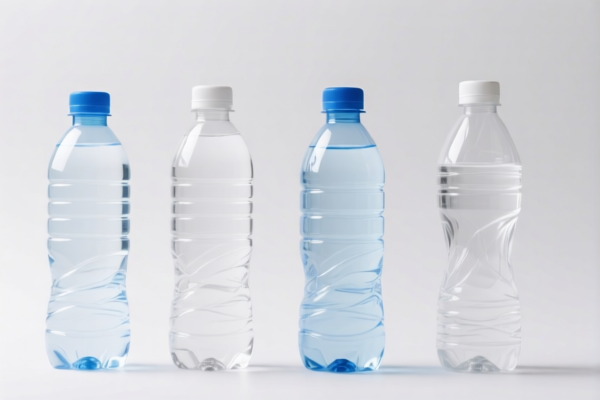
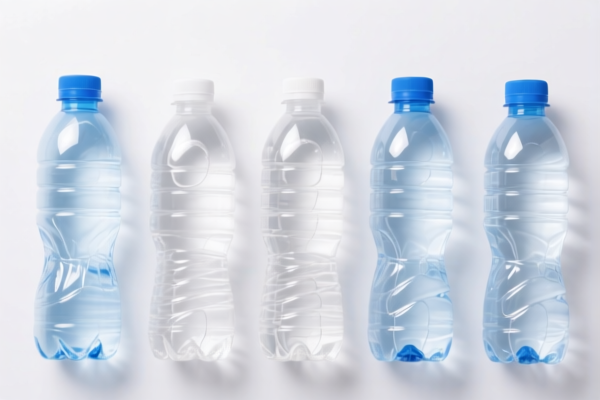
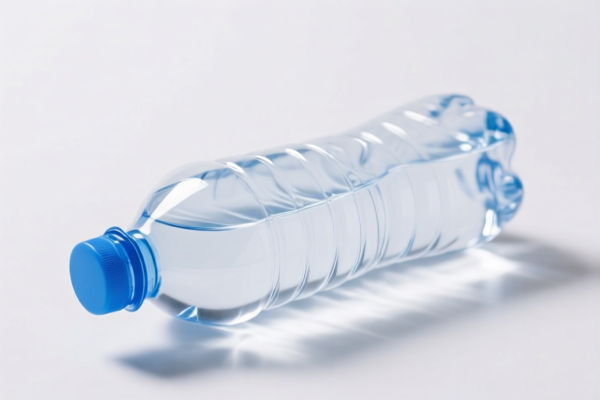
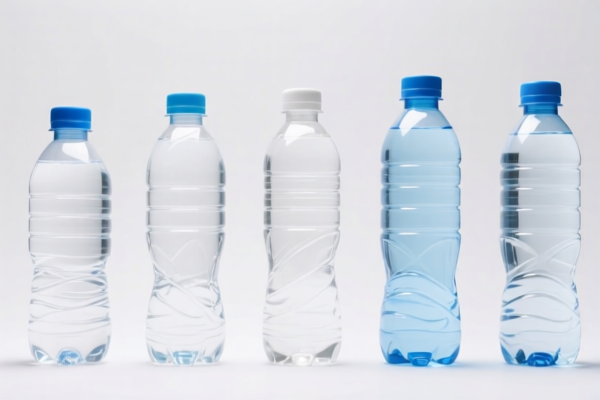
Product Images
AI Analysis
♻️ Waste Plastic Bottles (Polyethylene Terephthalate & Other Plastics)
🌐 HS Code Reference & Customs Clearance Guide | 2026 Latest Tariff Analysis | Professional Compliance Strategy
📌 I. Product Definition & Classification: Are Your "Bottles" Really Just "Scrap"?
In international trade, waste plastic bottles are not treated as finished goods. They are classified as scrap and waste under Chapter 39 (Plastics and Articles Thereof). The critical distinction lies in the material composition and physical state (bales, loose, shredded, or whole).
Key Classification Logic: 1. Polyethylene Terephthalate (PET) Bottles: Most clear water/soda bottles fall here. 2. Other Plastic Bottles: HDPE (milk jugs), PVC, PP, etc.
⚠️ Critical Distinction:
- If the bottles are clean, sorted, and ready for recycling as raw material → They are Waste/Scrap.
- If they are contaminated with food residue or mixed with non-plastic waste → May require additional cleaning declarations or fall under broader waste categories.
- Do not classify as "Used Bottles for Reuse" (which might fall under different HS codes for second-hand goods); if destined for recycling, use Chapter 39 Waste codes.
📦 II. HS Code Classification Details (2026 Latest Tariff Reference)
Based on the provided data, the classification is strictly divided by material type: PET vs. Other Plastics.
| HS Code | Product Description | Material Type | Application Scenario |
|---|---|---|---|
3915.90.00.10 |
Waste, parings and scrap, of plastics: Of other plastics: Of polyethylene terephthalate (PET) plastics | PET (Polyethylene Terephthalate) | Clear water bottles, soda bottles, food containers made of PET. |
3915.90.00.90 |
Waste, parings and scrap, of plastics: Of other plastics: Other | Non-PET (HDPE, PP, PVC, Mixed Plastics) | Milk jugs (HDPE), shampoo bottles (PP/PET mix if not sorted), caps, lids, mixed plastic waste. |
🔍 Key Reminder:
- PET vs. Non-PET: Customs officers will inspect the resin identification code (♳ for PET, ♴ for HDPE, etc.). Misclassifying HDPE as PET can lead to customs penalties or rejection.
- State of Waste: Whether the bottles are baled, shredded, or loose does not change the HS code under3915, but it affects duty calculation base (CIF value).
- Exclusion: This category excludes plastic waste containing halogenated compounds or specific hazardous plastics.
💰 III. 2026 Latest Tariff Rate Details (US Import Context)
✅ Applicable Country: United States (US)
✅ Origin: China (CN)
✅ Effective Time: Current rates as per provided data
🎯 1. 3915.90.00.10 —— Waste, Parings and Scrap of Plastics: PET Plastics
| Item | Content |
|---|---|
| Base Tariff Rate | 0.0% (Most Favored Nation) |
| Section 301 Surcharge | +25.0% |
| Total Tariff Rate | 25.0% |
| Tax Calculation | CIF Value × 25% |
| Legal Basis | USITC Harmonized Tariff Schedule + Section 301 Trade Action |
📌 Explanation:
- PET plastic waste is subject to the standard 25% Section 301 tariff on Chinese imports.
- Although the base rate is 0%, the effective import cost is 25% due to trade restrictions.
- No de minimis exemption applies for bulk waste shipments; however, small parcels may vary by CBP enforcement.
🎯 2. 3915.90.00.90 —— Waste, Parings and Scrap of Plastics: Other Plastics
| Item | Content |
|---|---|
| Base Tariff Rate | 0.0% (Most Favored Nation) |
| Section 301 Surcharge | +25.0% |
| Total Tariff Rate | 25.0% |
| Tax Calculation | CIF Value × 25% |
| Legal Basis | USITC Harmonized Tariff Schedule + Section 301 Trade Action |
📌 Explanation:
- HDPE, PP, and mixed plastic waste also face the 25% Section 301 surcharge.
- Uniform Rate: Both PET and Other Plastic wastes currently carry the same 25% total duty from China.
- No Differential Rate: Unlike finished goods, there is no lower rate for "other plastics" in this waste category.
🛠️ IV. Customs Clearance Practical Advice (Pitfall Avoidance Guide)
✅ 1. Essential Documentation Checklist
| Document | Mandatory? | Notes |
|---|---|---|
| Commercial Invoice | ✔️ | Must clearly state "Waste Plastic Bottles" and Material Type (e.g., "100% PET Waste" or "Mixed HDPE/PP Waste"). |
| Packing List | ✔️ | Detail weight, volume, and baling status. |
| Certificate of Origin | ✔️ | Required to verify China origin for Section 301 application. |
| Material Safety Data Sheet (MSDS) | ✔️ | If plastics have been contaminated or treated, prove they are not hazardous waste. |
| Import License/Permit | ✔️ | Some US states/countries require prior notification for plastic waste import under RCRA or EPA regulations. |
| Photographs | ✔️ | Show baling, sorting, and labeling to prove it is "scrap" and not "used goods." |
✅ 2. Declaration Tips (Key Mnemonic)
🔥 "Material Clear, Code Right, Section 301 Pay, No Hazardous Tag!"
| Scenario | Correct Declaration | Error to Avoid |
|---|---|---|
| Pure PET Bottles | 3915.90.00.10 + "PET Plastic Waste" |
Labeling as "General Plastic Waste" → Risk of misclassification audit. |
| Mixed Plastic Waste | 3915.90.00.90 + "Mixed Plastic Waste (HDPE/PP)" |
Declaring as "PET" to try to get lower rate (not applicable here, but still fraud). |
| Contaminated Waste | Must declare Hazardous if applicable | Failing to declare food residue may lead to CBP Detention or FDA Rejection. |
| Clean Recyclable Pellets | NOT 3915; may be 3915 or 3907 |
If processed into flakes/pellets, classification may change. Scrap = 3915. |
✅ 3. Special Case Handling
| Situation | Handling Advice |
|---|---|
| Mixed Bales (PET + Non-PET) | Must be separated or declared under 3915.90.00.90 (Other). Mixing PET into "Other" may trigger inspection. |
| Plastic Waste with Residue | If containing food/liquid, it may be classified as Solid Waste under EPA regulations, not just plastic scrap. Clean thoroughly. |
| Transshipment via Third Country | Section 301 tariffs apply based on Origin (China), not transshipment route. Do not mislabel origin. |
| Small Quantity (< $800) | May qualify for de minimis, but CBP is increasingly scrutinizing plastic waste. Verify with broker. |
🌍 V. Global Market Comparison (2026 Latest)
| Country/Region | Recommended HS Code | Tariff (China Origin) | Certification/Regulation | Notes |
|---|---|---|---|---|
| 🇺🇸 USA | 3915.90.00.10 / .90 |
25% (Total) | EPA/RCRA Compliance | High scrutiny on waste import. |
| 🇪🇺 EU | 3915.10 (PET) / 3915.90 |
Varies (0-6.5%) | Basel Convention Notice | Strict packaging waste directives. |
| 🇨🇳 China | 3915.10 / 3915.90 |
0-5% | Green List Policy | China restricted waste imports; only clean, sorted recyclables allowed. |
| 🇻🇳 Vietnam | 3915.90 |
0-5% | N/A | Increasing regulations on plastic waste. |
📌 Conclusion:
- USA imposes a flat 25% additional tariff on all Chinese plastic waste.
- EU and Asia have stricter environmental controls and may reject shipments if not pre-approved.
- Profit Margin Alert: With 25% duty, margin on low-value plastic waste is thin. Ensure high-purity sorting to maximize resale value.
📌 VI. Common Mistakes & Pitfalls (Lessons Learned)
❌ Mistake 1: Declaring "Mixed Plastic Waste" as "PET" to simplify customs.
👉 Consequence: Customs inspection reveals HDPE caps/mix → Penalties + Backdated Duties.
❌ Mistake 2: Failing to declare "Waste" status, labeling as "Recyclable Raw Material."
👉 Consequence: If found to be waste, it violates EPA/Basel regulations → Shipment Rejection & Fine.
❌ Mistake 3: Assuming de minimis exemption applies to bulk bales.
👉 Consequence: CBP may apply tariffs if quantity exceeds thresholds or if flagged for scrutiny.
✅ Correct Approach:
"100% Recycled PET Plastic Waste, Clean, Baled, For Recycling Only. Origin: China. HS Code: 3915.90.00.10. Subject to 25% Section 301 Duty."
🎯 VII. Conclusion: Precision in Recycling Trade!
🎯 Key Takeaways:
🔹 "PET vs. Other: Know Your Resin!" – Correct code prevents audit risks.
🔹 "25% Duty is Inevitable for China Origin" – Factor this into your cost model.
🔹 "Cleanliness is King" – Contaminated waste may be rejected by both Customs and Recyclers.
📌 Pro Tip:
📞 Contact a Licensed Customs Broker to verify Bale Specifications and EPA Notifications before shipment.
🚀 Optimize Sorting: Separating PET from HDPE can prevent "Mixed Waste" complications, even if tariff is same.
✨ Professional Clearance Starts with Accurate Classification!
💼 Every Ton of Plastic Waste Counts – Ensure Duty Accuracy!
Customer Reviews
About HS Code Classification
The Harmonized System (HS) is an internationally standardized nomenclature developed by the World Customs Organization (WCO) to classify traded products. Over 200 countries use the HS system as the basis for customs tariffs, trade statistics, and import/export regulations.
Each HS code follows a hierarchical structure:
- Chapter (2 digits) — Broad category of goods (e.g., Chapter 84: Machinery and Mechanical Appliances)
- Heading (4 digits) — More specific grouping within the chapter
- Subheading (6 digits) — Internationally standardized breakdown, used by all WCO member countries
- National subdivisions (8-10 digits) — Country-specific extensions for further classification, such as US HTSUS 10-digit codes
Correct HS code classification is essential for smooth customs clearance, accurate duty payment, and compliance with trade regulations. Misclassification can lead to customs delays, overpayment of duties, or penalties.
When importing from CN to US, the applicable tariff rates may include:
- Most-Favored-Nation (MFN) rate — The standard duty rate applied to WTO members
- General rate — Applied to countries without trade agreements
- Trade remedy duties — Additional tariffs such as Section 301 (anti-dumping), Section 232 (national security), or countervailing duties
The information provided on this page is for reference purposes only. For official classification, please consult with your local customs authority or a licensed customs broker.