Waste Rubber Products
CN → US| HS Code | Tariff Rate | Origin | Destination | Doc |
|---|---|---|---|---|
| 3825610000 | 35.0% | CN | US | Official Doc |
| 4004000000 | 35.0% | CN | US | Official Doc |
| 3825690000 | 35.0% | CN | US | Official Doc |
| 4014905000 | 14.2% | CN | US | Official Doc |
| 4016996050 | 37.5% | CN | US | Official Doc |
Product Images
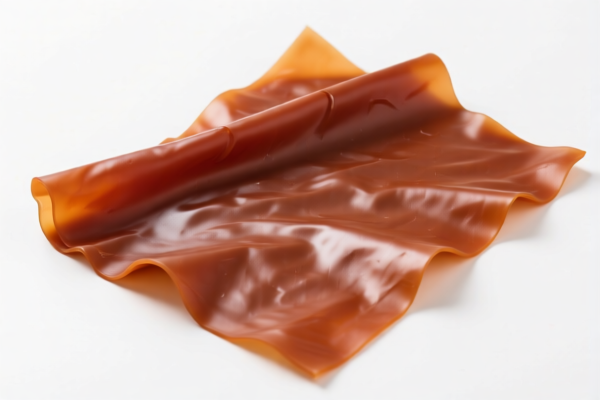
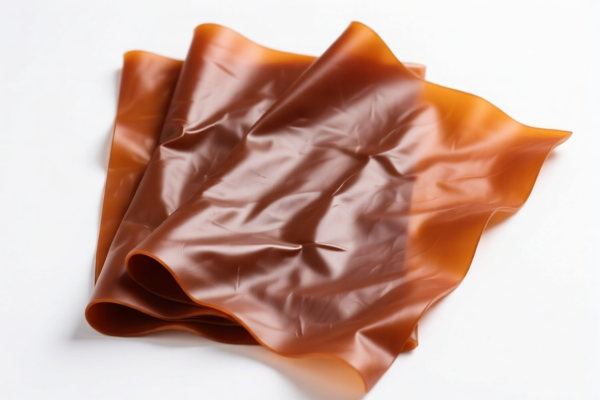
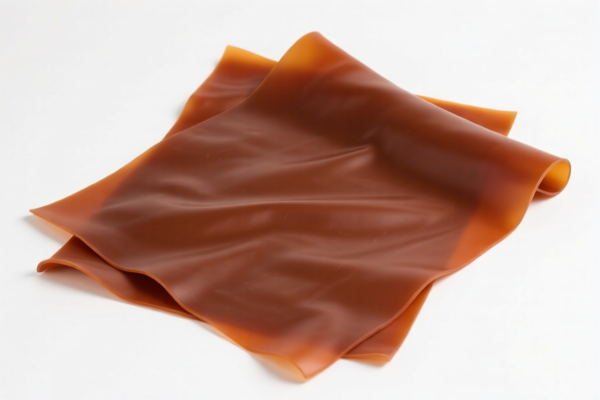
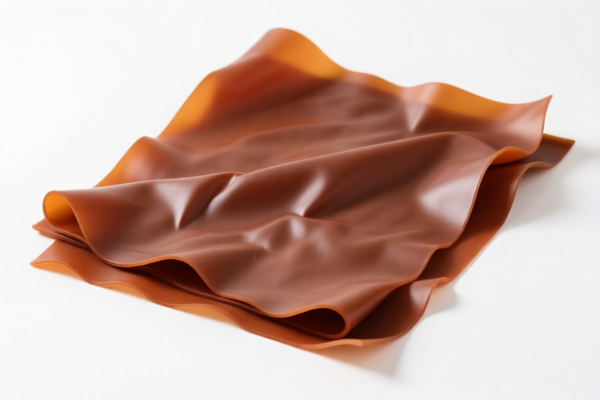
AI Analysis
🛢️ Waste Rubber Products (废弃橡胶垃圾)
🌐 HS Code Reference & Customs Clearance Guide | 2026 Latest Tariff Analysis | Professional Clearance Strategy
📌 I. Product Definition & Classification: What Exactly is "Waste Rubber"?
Waste Rubber Products refer to discarded rubber materials, scrap, and debris resulting from industrial manufacturing, tire recycling, or end-of-life rubber goods. In international trade, these are strictly categorized as waste/scrap rather than usable goods, provided they are not fit for their original purpose without reprocessing.
In the context of US Customs and Border Protection (CBP) and current trade policies, waste rubber is primarily classified under two chapters: * Chapter 38: Chemical waste and by-products (including organic chemical waste). * Chapter 40: Rubber and articles thereof (specifically rubber waste and scrap).
⚠️ Key Distinction:
- If the material is clean, sorted, and identified as raw rubber scrap intended for reprocessing → Often falls under 4004.00.00.00.
- If the material is contaminated, mixed, or considered general chemical/organic waste → Often falls under 3825.61.00.00 or 3825.69.00.00.
- Do NOT confuse with new rubber products (e.g., tires, mats, seals), which fall under 4014 or 4016.
📦 II. HS Code Classification Details (2026 Latest Tariff Authoritative Comparison)
Based on the provided data, here are the valid HS Codes for "Waste Rubber Products" and their logical justifications:
| HS Code | Product Description | Justification / Logic | Waste Status |
|---|---|---|---|
3825.61.00.00 |
Organic waste from chemical industries | Rubber is an organic polymer; waste rubber fits the definition of "organic waste" from chemical/related industrial processes. | ✅ Yes |
4004.00.00.00 |
Rubber waste and scrap (shavings, granules) | The product name "Waste Rubber" matches the material "Rubber Waste." "Garbage/Debris" fits the form description of shavings/scrap. | ✅ Yes |
3825.69.00.00 |
Other waste from chemical/related industries | Serves as a residual category ("other waste") for rubber deemed as chemical industrial residue not covered elsewhere. | ✅ Yes |
4014.90.50.00 |
Rubber Goods (General Residual) | ⚠️ Conditional: Only if the product is not waste but a finished rubber product (vulcanized rubber) with no specific use. Note: If truly "waste," this is likely incorrect. | ❌ No (Likely Misclassification) |
4016.99.60.50 |
Other Rubber Articles (General Residual) | ⚠️ Conditional: Similar to above, applies if it’s a usable rubber item (e.g., gaskets, mats) rather than scrap. Note: If truly "waste," this is likely incorrect. | ❌ No (Likely Misclassification) |
🔍 Critical Reminder:
- True Waste should be classified under 3825 or 4004.
- If the item is a usable finished good (e.g., old tires still usable, rubber mats), it may fall under 4014/4016, but the tax implications and customs inspection standards differ significantly.
- Misclassifying waste as goods can lead to severe penalties for fraud or incorrect declaration.
💰 III. 2026 Latest Tariff Rate Breakdown (Including Surtaxes & Policy Add-ons)
✅ Applicable Country: United States (US)
✅ Origin: China (CN)
✅ Effective Time: Ongoing (Post-2018 Trade War Measures)
🎯 1. 3825.61.00.00 & 3825.69.00.00 —— Chemical/Industrial Waste
| Item | Content |
|---|---|
| Base Tariff | 0.0% (Ad Valorem) |
| Section 301 Surtax | +25.0% (Additional Duty under Section 301) |
| IEEPA Surcharge | +10.0% (Under International Emergency Economic Powers Act) |
| Total Tax Rate | 35.0% |
| Tax Calculation | CIF Value × 35% |
| De Minimis Exemption | ❌ Not Eligible (Most waste/scrap categories are excluded from 80/800 exemptions) |
| Legal Basis Path | IEEPA:9903.01.25 → USITC:3825.61.00.00 → FOOTNOTE:301 |
📌 Explanation:
- Although the base tariff is 0%, the Section 301 surcharge (25%) and IEEPA surcharge (10%) are aggressively applied to Chinese-origin goods.
- Total effective rate is 35%, making export of waste rubber from China to the US highly costly.
- No de minimis: Unlike low-value consumer goods, waste materials do not qualify for $800 duty-free entry.
🎯 2. 4004.00.00.00 —— Rubber Waste and Scrap
| Item | Content |
|---|---|
| Base Tariff | 0.0% (Ad Valorem) |
| Section 301 Surtax | +25.0% |
| IEEPA Surcharge | +10.0% |
| Total Tax Rate | 35.0% |
| Tax Calculation | CIF Value × 35% |
| De Minimis Exemption | ❌ Not Eligible |
| Legal Basis Path | IEEPA:9903.01.25 → USITC:4004.00.00.00 → FOOTNOTE:301 |
📌 Note:
- Identical tariff structure to3825codes.
- This is the most precise code for clean rubber scrap (e.g., shredded tires, rubber granules).
- CBP may request MSDS (Material Safety Data Sheet) and waste analysis reports to verify it is not hazardous waste.
🎯 3. 4014.90.50.00 —— Rubber Goods (Non-Waste)
| Item | Content |
|---|---|
| Base Tariff | 4.2% |
| Section 301 Surtax | 0.0% (Some rubber goods may be exempt or lower rate, but per data: 0%) |
| IEEPA Surcharge | +10.0% |
| Total Tax Rate | 14.2% |
| Tax Calculation | CIF Value × 14.2% |
| De Minimis Exemption | ⚠️ Possible (If value < $800 and not restricted) |
| Legal Basis Path | IEEPA:9903.01.24 → USITC:4014.90.50.00 |
📌 Warning:
- This code implies the product is a finished good, not waste.
- If customs determines the item is actually waste, you will face reclassification, back taxes (35%), and penalties.
- Only use if the product is usable, clean, and not discarded.
🎯 4. 4016.99.60.50 —— Other Rubber Articles (Non-Waste)
| Item | Content |
|---|---|
| Base Tariff | 2.5% |
| Section 301 Surtax | +25.0% |
| IEEPA Surcharge | +10.0% |
| Total Tax Rate | 37.5% |
| Tax Calculation | CIF Value × 37.5% |
| De Minimis Exemption | ❌ Not Eligible (High risk of rejection) |
| Legal Basis Path | IEEPA:9903.01.25 → USITC:4016.99.60.50 → FOOTNOTE:301 |
📌 Note:
- Higher total rate due to 25% surtax on top of base.
- This code is for miscellaneous rubber items (e.g., rubber gaskets, seals).
- Not recommended for "Waste Rubber" unless it is a specific, high-value reusable item.
🛠️ IV. Customs Clearance Practical Advice (Battle-Tested Pitfall Avoidance)
✅ 1. Required Documentation Checklist (Mandatory)
| Document | Must Provide | Notes |
|---|---|---|
| ✅ Commercial Invoice | ✔️ | Must clearly state "Waste Rubber" or "Rubber Scrap." Do not use vague terms like "Rubber Parts." |
| ✅ Packing List | ✔️ | Detail weight, volume, and packaging type (bales, loose, etc.). |
| ✅ MSDS (Material Safety Data Sheet) | ✔️ | Crucial for waste classification. Proves chemical composition and non-hazardous status (if applicable). |
| ✅ Certificate of Origin | ✔️ | Required for Section 301/IEEPA surcharge determination. |
| ✅ Waste Analysis Report | ✔️ | Recommended by CBP for 3825/4004 to confirm it is not hazardous or mixed with prohibited materials. |
| ✅ Photos of Goods | ✔️ | Show bulk state, labeling, and any contaminants. |
✅ 2. Declaration Strategy (Key Mnemonics)
🔥 "Be Honest About Waste, Or Pay 35% Plus Penalties!"
| Scenario | Correct Declaration | Risk of Incorrect Declaration |
|---|---|---|
| Clean Rubber Shavings/Granules | 4004.00.00.00 |
Low risk if clean. Tax: 35%. |
| Mixed/Dirty Rubber Waste | 3825.61.00.00 or 3825.69.00.00 |
High risk if not disclosed. Tax: 35%. |
| Used Tires (Usable) | 4014.90.50.00 |
Must prove usability. Tax: 14.2%. |
| New Rubber Mats/Seals | 4016.99.60.50 or 4014 |
Tax: 14.2%–37.5%. |
| "Waste" mislabeled as "Goods" | HIGH RISK | Penalties + Back Taxes (up to 20% additional penalty). |
✅ 3. Special Handling Tips
| Situation | Advice |
|---|---|
| EPA Regulations | Check if the waste rubber is classified as hazardous under RCRA. If yes, additional permits are needed. |
| Section 301 Exemptions | Currently, few exemptions exist for rubber waste from China. Verify current exclusion lists. |
| De Minimis ($800) | Do not rely on de minimis for waste rubber. CBP strictly scrutinizes bulk scrap shipments under $800. |
| Labeling | Clearly mark packages as "WASTE" or "SCRAP" to avoid confusion with new goods. |
🌍 V. Global Market Customs Comparison (2026 Latest)
| Country/Region | Recommended HS Code | Duty Rate (China Origin) | Key Certification/Notes |
|---|---|---|---|
| 🇺🇸 USA | 4004.00.00.00 / 3825.61.00.00 |
35.0% (Total) | EPA/RCRA compliance critical. |
| 🇨🇳 China | 4004.00.00.00 |
0% (Import Duty) | No additional surtaxes for imports. |
| 🇪🇺 EU | 1504.00.00 or 3825.49.00 |
0% (Most) | Strict Basel Convention rules on waste imports. |
| 🇯🇵 Japan | 1504.00.00 |
0% | Must prove no environmental hazard. |
| 🇮🇳 India | 1504.00.00 |
5%–10% | Import ban on certain waste plastics/rubbers; verify current notifications. |
📌 Conclusion:
- The USA imposes the highest effective tariff (35%) on Chinese-origin waste rubber due to Section 301 and IEEPA.
- China and EU have lower or zero duties but strict environmental regulations.
- Always verify Basel Convention status before shipping waste across borders.
📌 VI. Common Errors & Pitfalls (Blood & Tears Lessons)
❌ Error 1: Declaring "Waste Rubber" as "New Rubber Products" to avoid 35% tax.
👉 Consequence: Customs inspection reveals waste → 100% tax + 25% penalty + Possible seizure.
❌ Error 2: Ignoring EPA/RCRA hazardous waste status.
👉 Consequence: Shipment rejected at port, returned at exporter's expense.
❌ Error 3: Assuming de minimis ($800) applies to bulk waste.
👉 Consequence: CBP denies entry, charges full duty + storage fees.
❌ Error 4: Using vague descriptions like "Rubber Stuff."
👉 Consequence: Red Flag → Customs delays shipment for detailed inspection.
✅ Correct Practice:
"Waste Rubber Scrap, Vulcanized, Shredded, Origin: China, HS Code: 4004.00.00.00, Value: $10,000"
🎯 VII. Conclusion: Professional Declaration, Save Money, Avoid Delays
🎯 Remember Mnemonics:
🔹 "Waste is 35%, Goods are 14-37%, Be Honest!"
🔹 "MSDS is Key, Waste is Not De Minimis!"
🔹 "Clear Code, Clean Paper, Smooth Customs Flow!"
📌 Pro Tip:
If your waste rubber is from Vietnam, Mexico, or Thailand, it may be exempt from Section 301, reducing tax to 0%–10%.
For large shipments, apply for a Customs Ruling in advance to confirm the correct HS code and tax rate.
📣 Immediate Action:
📞 Consult a Licensed Customs Broker
📄 Prepare MSDS & Waste Analysis Report
🚀 Ensure Compliance, Avoid Fines, Streamline Clearance!
✨ Professional Customs Clearance Starts with Precise Classification!
💼 Every Percent of Tax Saved is Pure Profit!
Customer Reviews
About HS Code Classification
The Harmonized System (HS) is an internationally standardized nomenclature developed by the World Customs Organization (WCO) to classify traded products. Over 200 countries use the HS system as the basis for customs tariffs, trade statistics, and import/export regulations.
Each HS code follows a hierarchical structure:
- Chapter (2 digits) — Broad category of goods (e.g., Chapter 84: Machinery and Mechanical Appliances)
- Heading (4 digits) — More specific grouping within the chapter
- Subheading (6 digits) — Internationally standardized breakdown, used by all WCO member countries
- National subdivisions (8-10 digits) — Country-specific extensions for further classification, such as US HTSUS 10-digit codes
Correct HS code classification is essential for smooth customs clearance, accurate duty payment, and compliance with trade regulations. Misclassification can lead to customs delays, overpayment of duties, or penalties.
When importing from CN to US, the applicable tariff rates may include:
- Most-Favored-Nation (MFN) rate — The standard duty rate applied to WTO members
- General rate — Applied to countries without trade agreements
- Trade remedy duties — Additional tariffs such as Section 301 (anti-dumping), Section 232 (national security), or countervailing duties
The information provided on this page is for reference purposes only. For official classification, please consult with your local customs authority or a licensed customs broker.