Waste Silk
CN → US| HS Code | Tariff Rate | Origin | Destination | Doc |
|---|---|---|---|---|
| 5003009000 | 37.5% | CN | US | Official Doc |
| 5003001000 | 35.0% | CN | US | Official Doc |
| 5103200000 | 0.0% | CN | US | Official Doc |
| 5103300000 | 42.0% | CN | US | Official Doc |
| 5202100000 | 35.0% | CN | US | Official Doc |
Product Images
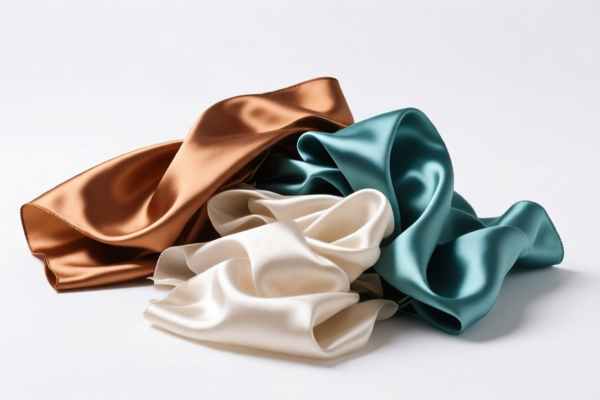


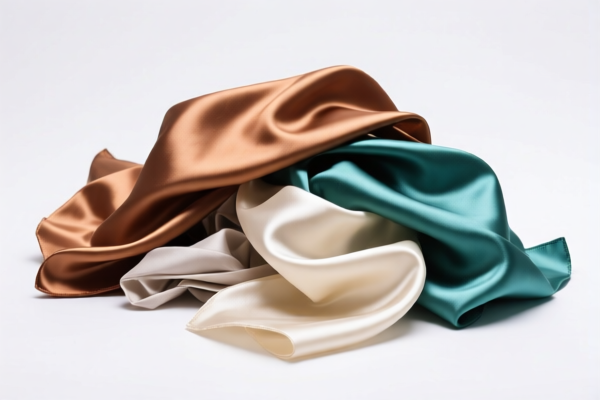
AI Analysis
🧵 Waste Silk (Non-Mulberry Silk & Animal Hair Waste)
🌐 HS Code Reference & Customs Clearance Guide | 2026 Latest Tariff Analysis | Professional Clearance Strategy 📌 I. Product Definition: What Exactly Is "Waste Silk"?
In international trade, the term "Waste Silk" is often misleading. Strictly speaking, under HS Chapter 50, "Silk Waste" usually refers to waste of mulberry silk (Bombyx mori). However, the user input specifies "Non-Mulberry Silk" (often interpreted as other natural protein fibers like wool or animal hair, or general textile waste not fitting specific mulberry silk categories).
Key Distinction: * Silk Waste (Chapter 50): Specifically refers to waste from sericulture (mulberry silk cocoons, noils, etc.). * Wool/Animal Hair Waste (Chapter 51): If the material is actually wool or other animal hair (often confused with "non-mulberry" silk in loose terminology), it falls here. * Cotton Waste (Chapter 52): If the waste is plant-based (cotton), it falls here.
⚠️ Critical Classification Point: - If the material is truly silk waste (mulberry): It belongs in 5003. - If the material is wool/animal hair waste (often called "non-mulberry" in broad fiber terms): It belongs in 5103. - If the material is cotton waste (often mislabeled as generic "fiber waste"): It belongs in 5202.
📦 II. HS Code Classification Details (2026 Latest Tariff Authority)
| HS Code | Product Description | Applicable Scenario | Material Type |
|---|---|---|---|
5003.00.90.00 |
Other silk waste, including noils and gauge waste (not garnetted stock) | Generic non-specified silk waste, non-mulberry silk waste | 🐛 Silk (Non-Specific) |
5003.00.10.00 |
Waste of silk, including noils and gauge waste | Specific mulberry silk waste matching fiber type | 🐛 Silk (Mulberry) |
5103.20.00.00 |
Waste of wool or of hair of fine animal origin | Wool waste, cashmere waste, etc. (Non-silk protein fibers) | 🐑 Wool/Fine Hair |
5103.30.00.00 |
Waste of coarse animal hair | Yak hair, horsehair waste, goat waste (non-fine) | 🐐 Coarse Hair |
5202.10.00.00 |
Cotton waste (including yarn waste and gauge waste) | Cotton linter waste, recycled cotton fiber waste | 🌿 Cotton |
🔍 Key Reminder: - "Non-Mulberry Silk" in common trade parlance often triggers scrutiny. If it is not from silkworms, it is likely Wool (5103) or Cotton (5202). - Misclassifying Wool/Cotton waste as Silk Waste (5003) can lead to severe penalties due to different duty structures. - The term "Waste" implies short fibers, noils, or recycled material, not usable filament.
💰 III. 2026 Latest Tariff Rate Breakdown (Including Surtaxes & Policy Add-ons)
✅ Applicable Country: United States (US)
✅ Country of Origin: China (CN)
✅ Effective Time: From November 10, 2025 (and subsequent imports)
🎯 1. 5003.00.90.00 —— Other Silk Waste (Non-Specific/Non-Mulberry)
| Item | Content |
|---|---|
| Base Duty | 2.5% (ad valorem) |
| USITC Surtax (Section 301) | +25% |
| IEEPA Surtax | +10% (Targeting China/HK products) |
| Total Duty Rate | 37.5% |
| Calculation | CIF Value × 37.5% |
| De Minimis Exemption | ❌ Not Eligible (deny_de_minimis) |
| Legal Basis | IEEPA:9903.01.25 → USITC:5003.00.90.00 → FOOTNOTE:9903.88.01 |
📌 Explanation: - This code captures "other" silk waste that doesn't fit the specific mulberry category (5003.00.10). - The total rate of 37.5% is significant. While lower than wool waste in some cases, it still carries high Section 301 and IEEPA surcharges. - No de minimis exemption: Small shipments cannot avoid these duties.
🎯 2. 5003.00.10.00 —— Mulberry Silk Waste
| Item | Content |
|---|---|
| Base Duty | 0.0% |
| USITC Surtax (Section 301) | +25% |
| IEEPA Surtax | +10% |
| Total Duty Rate | 35.0% |
| Calculation | CIF Value × 35.0% |
| De Minimis Exemption | ❌ Not Eligible (deny_de_minimis) |
| Legal Basis | IEEPA:9903.01.24 → USITC:5003.00.10.00 → FOOTNOTE:9903.88.01 |
📌 Note: - Base duty is lower (0%) than other silk waste, but the total impact is still heavy due to surcharges. - Ensure the product is genuinely mulberry silk. If it is not, you risk misclassification penalties.
🎯 3. 5103.20.00.00 —— Waste of Fine Animal Hair (Wool)
| Item | Content |
|---|---|
| Base Duty | 2.6¢/kg (Specific Rate) |
| USITC Surtax (Section 301) | +25% (ad valorem on top of base or combined value) |
| IEEPA Surtax | +10% |
| Total Duty Rate | 2.6¢/kg + 35.0% ad valorem |
| Calculation | (Weight × 2.6¢) + (CIF Value × 35%) |
| De Minimis Exemption | ❌ Not Eligible (deny_de_minimis) |
| Legal Basis | IEEPA:9901.25 → USITC:5103.20.00.00 → FOOTNOTE:9903.88.01 |
📌 Explanation: - This applies to wool or fine animal hair waste (e.g., cashmere, merino). - The duty structure is mixed: A small specific fee per kg PLUS a high ad valorem percentage (35%) due to surcharges. - Critical: If your "non-mulberry silk" is actually wool, you MUST use this code. Misclassifying as silk (5003) could lead to underpayment if the specific weight-based component is higher, or overpayment if values differ.
🎯 4. 5103.30.00.00 —— Waste of Coarse Animal Hair
| Item | Content |
|---|---|
| Base Duty | 7.0% |
| USITC Surtax (Section 301) | +25% |
| IEEPA Surtax | +10% |
| Total Duty Rate | 42.0% |
| Calculation | CIF Value × 42.0% |
| De Minimis Exemption | ❌ Not Eligible (deny_de_minimis) |
| Legal Basis | IEEPA:9903.01.25 → USITC:5103.30.00.00 → FOOTNOTE:9903.88.01 |
📌 Note: - Applies to coarse hair like yak, camel, or horsehair waste. - Highest Total Rate: At 42.0%, this is the most expensive classification among the options. - Warning: Many traders mislabel coarse hair waste as "silk" or "fine wool" to avoid this. Do not do this.
🎯 5. 5202.10.00.00 —— Cotton Waste
| Item | Content |
|---|---|
| Base Duty | 0.0% |
| USITC Surtax (Section 301) | +25% |
| IEEPA Surtax | +10% |
| Total Duty Rate | 35.0% |
| Calculation | CIF Value × 35.0% |
| De Minimis Exemption | ❌ Not Eligible (deny_de_minimis) |
| Legal Basis | IEEPA:9903.01.24 → USITC:5202.10.00.00 → FOOTNOTE:9903.88.01 |
📌 Explanation: - If the material is plant-based fiber waste (cotton), it is not silk. - Despite having a 0% base duty, the total rate is 35.0% due to surcharges. - Common Error: Importing cotton waste labeled as "silk waste" to seek lower base rates. Customs will reject this if lab tests show cellulose instead of protein.
🛠️ IV. Customs Clearance Practical Advice (Battle-Tested Pitfall Avoidance)
✅ 1. Required Documentation Checklist (All Are Mandatory)
| Document | Required | Purpose |
|---|---|---|
| ✅ Material Composition Report | ✔️ | Lab test confirming protein (silk/wool) vs. cellulose (cotton) |
| ✅ Product Description | ✔️ | Clear statement: "Waste of [Material], not garnetted stock" |
| ✅ Photos (Raw Material) | ✔️ | Show fiber length, texture, and lack of spinning/threading |
| ✅ Commercial Invoice | ✔️ | Must specify "Waste" and origin (CN) |
| ✅ Packing List | ✔️ | Weight and volume details |
| ✅ Country of Origin Certificate | ✔️ | To confirm China origin for surtax application |
✅ 2. Declaration Tips (Key Mantra)
🔥 "Test First, Declare Second. Silk vs. Wool is Critical. Don't Guess!"
| Scenario | Correct Declaration | Wrong Action |
|---|---|---|
| Mulberry Silk Waste | 5003.00.10.00 |
Labeling as "Cotton Waste" → 35% instead of 35% (similar, but risk of inspection) |
| Other Silk Waste | 5003.00.90.00 |
Labeling as "Wool" → Potential penalty if lab shows protein |
| Wool/Cashmere Waste | 5103.20.00.00 |
Labeling as "Silk" → 37.5% vs 35%+2.6¢/kg (complex calculation error risk) |
| Coarse Hair Waste | 5103.30.00.00 |
Labeling as "Fine Wool" → 42% vs 37.5% (Significant overpayment) |
| Cotton Waste | 5202.10.00.00 |
Labeling as "Silk" → 35% vs 37.5% (Underpayment risk if silk is misclassified) |
✅ 3. Special Handling
| Situation | Recommendation |
|---|---|
| Mixed Fiber Waste | Do not mix. Separate and declare individually. Mixed waste may be classified under the highest duty rate or rejected. |
| Garnetted Stock | If fibers are reprocessed into felt-like material, it may fall under Chapter 57 or 63, not 50/51/52. Check if it's "Waste" or "Reprocessed Material." |
| Lab Testing | Always commission a fiber composition analysis before shipment. Proving "Non-Mulberry" requires evidence. |
| De Minimis (Section 321) | ❌ Not Applicable. All codes listed above are deny_de_minimis. Even small packages (<$800) will be taxed at 35-42%. |
🌍 V. Global Market Comparison (2026 Latest)
| Country/Region | Recommended HS Code | Tariff (China Origin) | Certification | Notes |
|---|---|---|---|---|
| 🇺🇸 USA | 5003.00.90.00 / 5103.20.00.00 |
35% - 42% | None required for waste | High Surtax. No de minimis. |
| 🇨🇳 China | 5003 / 5103 |
0% - 2.5% | None | Low base duty, no surtax. |
| 🇪🇺 EU | 5003 / 5103 |
0% - 5% | None | No Section 301/IEEPA equivalent. |
| 🇬🇧 UK | 5003 / 5103 |
0% - 5% | None | Post-Brexit tariffs align with EU for raw waste. |
| 🇯🇵 Japan | 5003 / 5103 |
0% - 3% | None | Generally low tariffs on raw waste. |
📌 Conclusion: - The USA is the most expensive market for importing waste silk/fiber due to Section 301 (25%) and IEEPA (10%) surcharges. - Total duty ranges from 35% to 42%. - No de minimis exemption means even small B2B samples will incur duties.
📌 VI. Common Errors & Pitfalls (Lessons from Reality)
❌ Error 1: Labeling Wool Waste as Silk Waste to avoid higher duties. 👉 Consequence: Lab test fails → Penalty + Back Taxes + Possible Fraud Investigation.
❌ Error 2: Assuming "Waste" qualifies for de minimis ($800 exemption). 👉 Consequence: Package held at customs. Duties (35-42%) assessed. Storage fees apply.
❌ Error 3: Not specifying "Non-Garnetted" in description. 👉 Consequence: Customs may classify as reprocessed material (Chapter 57), leading to different, potentially higher duties.
❌ Error 4: Using "Silk" as a generic term for Animal Hair. 👉 Consequence: Misclassification. Wool (5103) has different base rates (specific vs. ad valorem) than Silk (5003). Calculate carefully.
✅ Correct Practice:
"Waste of Wool (Fine Animal Hair), Non-Garnetted, Origin: China, For Recycling Only"
🎯 VII. Conclusion: Precise Classification Saves Money!
🎯 Remember the Mantra:
🔹 "Test the Fiber, Not the Name."
🔹 "Silk is Protein, Cotton is Cellulose, Wool is Protein."
🔹 "USA Duties are High (35-42%), No De Minimis."
🔹 "Coarse Hair (42%) is More Expensive than Fine Wool (35%+2.6¢/kg)."
📌 Pro Tip: If your product is Wool Waste, check if the 2.6¢/kg specific duty pushes the total cost higher than the ad valorem rate for large shipments. For small shipments, the specific fee is negligible.
📣 Immediate Action:
📞 Hire a Customs Broker + Provide Lab Test Report + Confirm Origin
🚀 Clear Customs Smoothly, Avoid Penalties, Protect Margins!
✨ Professional Clearance Starts with Accurate Classification!
💼 Every Percent of Duty Counts in 2026!
Customer Reviews
About HS Code Classification
The Harmonized System (HS) is an internationally standardized nomenclature developed by the World Customs Organization (WCO) to classify traded products. Over 200 countries use the HS system as the basis for customs tariffs, trade statistics, and import/export regulations.
Each HS code follows a hierarchical structure:
- Chapter (2 digits) — Broad category of goods (e.g., Chapter 84: Machinery and Mechanical Appliances)
- Heading (4 digits) — More specific grouping within the chapter
- Subheading (6 digits) — Internationally standardized breakdown, used by all WCO member countries
- National subdivisions (8-10 digits) — Country-specific extensions for further classification, such as US HTSUS 10-digit codes
Correct HS code classification is essential for smooth customs clearance, accurate duty payment, and compliance with trade regulations. Misclassification can lead to customs delays, overpayment of duties, or penalties.
When importing from CN to US, the applicable tariff rates may include:
- Most-Favored-Nation (MFN) rate — The standard duty rate applied to WTO members
- General rate — Applied to countries without trade agreements
- Trade remedy duties — Additional tariffs such as Section 301 (anti-dumping), Section 232 (national security), or countervailing duties
The information provided on this page is for reference purposes only. For official classification, please consult with your local customs authority or a licensed customs broker.