Waste Vinyl Resin
CN → US| HS Code | Tariff Rate | Origin | Destination | Doc |
|---|---|---|---|---|
| 3915300000 | 35.0% | CN | US | Official Doc |
| 3915900090 | 35.0% | CN | US | Official Doc |
Product Images
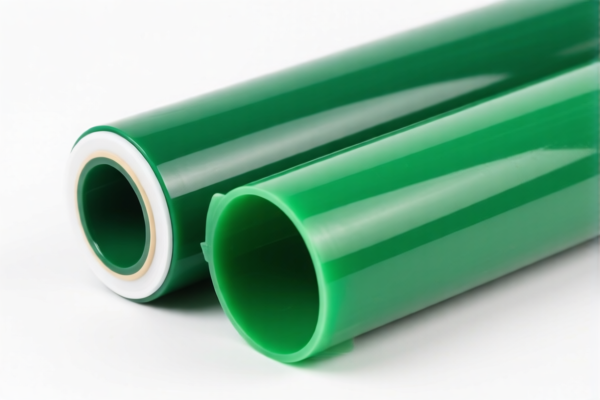
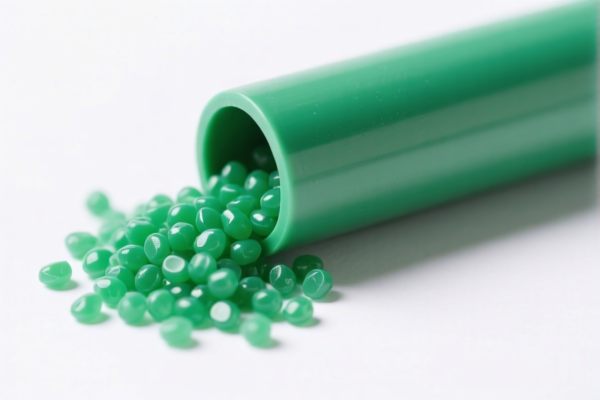

AI Analysis
♻️ Waste, Parings and Scrap, of Plastics (Vinyl Resin)
🌐 HS Code Reference & Customs Clearance Guide | 2026 Latest Tariff Analysis | Professional Compliance Strategy
📌 I. Product Definition and Classification: Do You Really Understand "Vinyl Plastic Scrap"?
In international trade, "Waste, Parings and Scrap, of Plastics" refers to unusable plastic materials resulting from manufacturing, processing, or consumption. Specifically for Vinyl Chloride Polymers (commonly known as PVC), this category includes:
- Production Waste: Trim, edge scraps, sprues, and runners from injection molding or extrusion.
- Industrial Scrap: Degraded or off-spec PVC pellets, films, or profiles rejected during quality control.
- Recyclable Waste: Clean, sorted post-industrial PVC waste suitable for regrinding or recycling.
⚠️ Critical Distinction:
- PVC (Vinyl): Must be classified under 3915.30 because it is a polymer of vinyl chloride.
- Other Plastics (e.g., PE, PP, PS): Must be classified under 3915.90.
- Contaminated/Dirty Scrap: If mixed with non-plastic waste or heavily contaminated, it may not qualify as "plastic scrap" and could be reclassified, leading to different duties or environmental restrictions.
📦 II. HS Code Classification Details (2026 Latest Tariff Authority Comparison)
| HS Code | Product Description | Applicable Scenario | Material Composition |
|---|---|---|---|
3915.30.00.00 |
Waste, parings and scrap, of plastics: Of polymers of vinyl chloride | PVC pipes scrap, PVC profile trim, PVC film waste, PVC resin by-products | ✅ Vinyl Chloride (PVC) |
3915.90.00.90 |
Waste, parings and scrap, of plastics: Of other plastics Other | Mixed plastic waste, PE/PP/PS scrap, non-Vinyl polymer waste | ❌ Non-Vinyl |
🔍 Key Reminder:
- "Vinyl Resin" in the context of waste specifically refers to Polyvinyl Chloride (PVC). If the scrap contains other polymers (like polyethylene), it does not belong to3915.30.
- If the waste is a mixture of different plastic types, and PVC is not the predominant component, it generally falls under3915.90.00.90as "other plastics."
- Ensure the declaration explicitly states "Polymer of Vinyl Chloride" to justify the use of3915.30.00.00. Misclassification as "other plastics" can lead to audit flags if origin is China and tariffs are scrutinized.
💰 III. 2026 Latest Tariff Rate Breakdown (Including Surcharges & Policy Add-ons)
✅ Applicable Country: United States (US)
✅ Country of Origin: China (CN) (Assumed based on typical tariff structures for these HS codes)
✅ Effective Date: Current Trade Framework (Section 301 & IEEPA provisions)
🎯 1. 3915.30.00.00 —— Waste, Parings and Scrap, of Plastics: Of Polymers of Vinyl Chloride (PVC)
| Item | Content |
|---|---|
| Base Duty Rate | 0.0% (ad valorem) |
| Section 301 Surcharge | +25.0% (China-origin specific) |
| Total Tariff Rate | 25.0% |
| Tax Calculation | CIF Value × 25% |
| De Minimis Exemption | ❌ Not Applicable (Plastic waste is generally excluded from de minimis benefits due to environmental and trade policy reasons) |
| Legal Basis Path | HTSUS:3915.30.00.00 → USITC:Footnote 9903.88.01 (Section 301) |
📌 Explanation:
- The base duty is 0%, reflecting that the US often encourages the import of recyclable raw materials.
- However, the +25% Section 301 tariff applies specifically to goods originating from China. This is a high-cost category for Chinese-origin PVC waste.
- Total Effective Rate: 25%. This significantly impacts the profitability of importing recycled PVC feedstock from China.
🎯 2. 3915.90.00.90 —— Waste, Parings and Scrap, of Plastics: Of Other Plastics Other
| Item | Content |
|---|---|
| Base Duty Rate | 0.0% (ad valorem) |
| Section 301 Surcharge | +25.0% (China-origin specific) |
| Total Tariff Rate | 25.0% |
| Tax Calculation | CIF Value × 25% |
| De Minimis Exemption | ❌ Not Applicable |
| Legal Basis Path | HTSUS:3915.90.00.90 → USITC:Footnote 9903.88.01 (Section 301) |
📌 Note:
- The tariff structure is identical to PVC waste. Whether it is PVC, PE, or PP, if it is classified as "plastic scrap" from China, the 25% surcharge applies.
- The distinction between3915.30and3915.90does not affect the tariff rate in this specific China-US context, but it does affect environmental compliance and recycling eligibility checks.
🛠️ IV. Customs Clearance Practical Advice (Real-World Pitfall Avoidance Guide)
✅ 1. Document Checklist (Missing items will cause delays)
| Document | Required? | Notes |
|---|---|---|
| ✅ Product Specification Sheet | ✔️ | Must specify polymer type (e.g., "Polyvinyl Chloride"), density, moisture content, and origin. |
| ✅ Composition Analysis Report | ✔️ | Lab report proving the % of PVC. Essential to differentiate from 3915.90. |
| ✅ Commercial Invoice | ✔️ | Clearly state "Waste, Parings and Scrap, of Plastics: Of Polymers of Vinyl Chloride." Do not use vague terms like "Plastic Trash." |
| ✅ Packing List | ✔️ | Detail weight, dimensions, and packaging type (bales, bags, bulk). |
| ✅ Environmental Compliance Certificate | ✔️ | Proof that waste is clean, sorted, and meets US EPA standards for import. |
| ✅ Certificate of Origin (CO) | ✔️ | Required to determine if Section 301 surcharge applies. |
✅ 2. Declaration Tips (Key Mantras)
🔥 “Specify Polymer, Prove Purity, Avoid 'Mixed' Claims!”
| Scenario | Correct Declaration | Incorrect Approach |
|---|---|---|
| Pure PVC Waste | 3915.30.00.00 + "Vinyl Chloride Polymer Waste" |
Calling it "Mixed Plastic Scrap" → Risk of reclassification + penalties. |
| Mixed Plastic Waste | 3915.90.00.90 + "Other Plastic Waste" |
Calling it "Vinyl Waste" → Misclassification, audit risk. |
| Dirty/Contaminated Waste | May be Prohibited or Rejected | Declaring as "Recyclable Scrap" → Customs may deny entry under EPA regulations. |
| Regrind Pellets (New) | Not "Waste" → May be 3902.10 (PVC Primary) |
Declaring "Scrap" for new pellets → Fraud risk, higher duties apply. |
✅ 3. Special Case Handling
| Situation | Handling Advice |
|---|---|
| High Contamination | If moisture > 1% or mixed with metals/labels, customs may reject as "unusable waste." Ensure pre-sorting. |
| Mixed Polymer Bales | If PVC is < 50%, use 3915.90.00.90. Provide blending ratio proof. |
| Import for Recycling | Ensure the receiving facility has EPA registration. Some states have additional restrictions on plastic imports. |
| Drop Shipment | If goods are transshipped, ensure origin is clearly marked as China to apply correct 301 tariffs. |
🌍 V. Global Major Market Customs Comparison (2026 Latest)
| Country/Region | Recommended HS Code | Tariff (China Origin) | Certification/Requirements | Notes |
|---|---|---|---|---|
| 🇺🇸 USA | 3915.30.00.00 or 3915.90.00.90 |
25% (Total) | EPA Compliance, Clean Sort | High scrutiny on contamination. |
| 🇨🇳 China | 3915.30 |
5% | CCC (if processed), Environmental Permit | China restricts import of foreign plastic waste ("National Sword" policy). |
| 🇪🇺 EU | 3915.30 |
0% (if clean) | REACH, EPR Registration | Strict plastic waste export regulations from EU. |
| 🇲🇽 Mexico | 3915.30 |
0% (under USMCA if origin meets rules) | NOM Standards | Potential for lower duties if properly sourced. |
📌 Conclusion:
- USA imposes a flat 25% additional tariff on all plastic waste from China, regardless of polymer type.
- Environmental compliance is more critical than tariff rate in the US. Contaminated shipments will be rejected.
- Documentation accuracy regarding polymer type is vital to avoid misclassification penalties.
📌 VI. Common Errors & Pitfalls (Blood Lessons)
❌ Error 1: Declaring "Vinyl Waste" when it contains significant PE/PP components
👉 Consequence: Customs reclassifies to 3915.90.00.90, potential fine for misdeclaration, though rate is same, risk of audit increases.
❌ Error 2: Failing to declare "China Origin" for plastic waste
👉 Consequence: If origin is later proven to be China, back-tariff of 25% + penalties will be assessed.
❌ Error 3: Importing contaminated/dirty plastic waste
👉 Consequence: Rejected at port, returned at exporter's cost, or destroyed. EPA violations apply.
❌ Error 4: Using vague descriptions like "Plastic Scraps" on Invoice
👉 Consequence: Customs may detain shipment for inspection, causing storage fees and delays.
✅ Correct Practice:
"Waste, Parings and Scrap, of Plastics: Of Polymers of Vinyl Chloride (PVC), Clean, Sorted, Moisture <1%, Origin: China, HS Code: 3915.30.00.00"
🎯 VII. Conclusion: Professional Declaration Saves Money and Time!
🎯 Remember the Mantra:
🔹 "Specify PVC, Prove Clean, 25% Tariff is Inevitable from China!"
🔹 "HS Code 3915.30 for Vinyl, 3915.90 for Others, 25% Total Duty!"
📌 Pro Tip:
- If you are importing recycled PVC pellets (processed, not waste), they may fall under 3902.10 (Primary PVC), which has 0% base duty but may still be subject to 25% Section 301 if from China. Check if the product is classified as "Waste" or "Primary/Secondary Material."
- Pre-arrival filing and EPA notification are mandatory for plastic waste imports. Work with a licensed customs broker experienced in environmental goods.
📣 Immediate Action:
📞 Contact a specialized customs broker for Pre-Ruling on Polymer Composition.
📋 Ensure your supplier provides a Laboratory Composition Report for PVC content.
🚀 Avoid customs holds by declaring "Clean, Sorted, Vinyl Chloride Polymer Waste" accurately.
✨ Professional Customs Clearance Starts with Accurate Classification!
💼 Every 25% counts – Protect your margin with precision!
Customer Reviews
About HS Code Classification
The Harmonized System (HS) is an internationally standardized nomenclature developed by the World Customs Organization (WCO) to classify traded products. Over 200 countries use the HS system as the basis for customs tariffs, trade statistics, and import/export regulations.
Each HS code follows a hierarchical structure:
- Chapter (2 digits) — Broad category of goods (e.g., Chapter 84: Machinery and Mechanical Appliances)
- Heading (4 digits) — More specific grouping within the chapter
- Subheading (6 digits) — Internationally standardized breakdown, used by all WCO member countries
- National subdivisions (8-10 digits) — Country-specific extensions for further classification, such as US HTSUS 10-digit codes
Correct HS code classification is essential for smooth customs clearance, accurate duty payment, and compliance with trade regulations. Misclassification can lead to customs delays, overpayment of duties, or penalties.
When importing from CN to US, the applicable tariff rates may include:
- Most-Favored-Nation (MFN) rate — The standard duty rate applied to WTO members
- General rate — Applied to countries without trade agreements
- Trade remedy duties — Additional tariffs such as Section 301 (anti-dumping), Section 232 (national security), or countervailing duties
The information provided on this page is for reference purposes only. For official classification, please consult with your local customs authority or a licensed customs broker.