Waste Wood Scrap
CN → US| HS Code | Tariff Rate | Origin | Destination | Doc |
|---|---|---|---|---|
| 4401394290 | 35.0% | CN | US | Official Doc |
| 4401490090 | 35.0% | CN | US | Official Doc |
| 4401394220 | 35.0% | CN | US | Official Doc |
| 4401490020 | 35.0% | CN | US | Official Doc |
Product Images
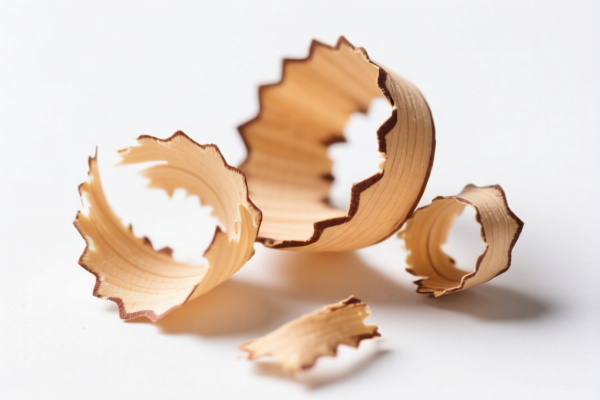
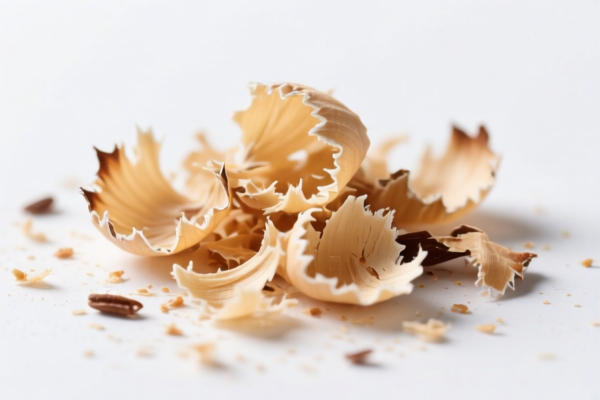
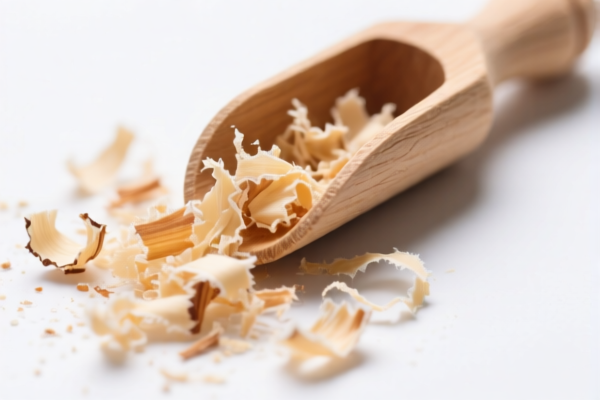

AI Analysis
🪵 Waste Wood Scrap: HS Code Classification & US Customs Clearance Guide (2026)
🌐 HS Code Reference & Customs Strategy | 2026 Latest Tariff Analysis | Professional Compliance Guide
📌 I. Product Definition: What is "Waste Wood Scrap"?
Waste Wood Scrap refers to residual wood materials generated during processing, construction, or consumption. In international trade, it is broadly categorized under Chapter 44 (Wood and articles of wood). The classification hinges on two key factors: 1. Material: Must be wood (solid, chips, particles, etc.). 2. Form: Must be waste, off-cuts, sawdust, or debris (not finished furniture or lumber).
⚠️ Critical Distinction:
- Raw Waste/Chips: Loose, unprocessed wood remnants → Falls under 4401.39 or 4401.49.
- Processed/Compressed Wood Waste: If the waste is briquetted or specifically categorized as "other wood waste" without specifying pressure, it still falls under 4401.49 unless explicitly compressed into fuel logs (which might change classification).
- Conflict Check: If the wood is impregnated or treated, additional chapters (e.g., Chapter 38) may apply, but standard "waste wood" defaults to Chapter 44.
📦 II. HS Code Classification Details (2026 Latest Tariff Alignment)
Based on the provided data, four primary HS Codes are applicable. The choice depends on the specific physical form (chips vs. general waste) and whether it is compressed.
| HS Code | Product Description | Application Scenario | Key Differentiator |
|---|---|---|---|
4401.39.42.90 |
Wood Waste & Rubble (Specific Sub-category) | Loose wood scraps, sawdust, and industrial wood waste not specifically mentioned elsewhere. | ✅ High Specificity: Matches "wood waste" logic directly. Best for general industrial scrap. |
4401.49.00.90 |
Other Wood Waste (Unspecified/Uncompressed) | General wood waste where compression status is unclear or not compressed. | ✅ Logical Inference: If not explicitly compressed, this is the default fallback for "other wood waste." |
4401.39.42.20 |
Wood Chips, Shavings, and Waste (Basic Form) | Primary form wood waste like shavings, sawdust, or small fragments. | ✅ Common Sense Deduction: Assumes basic physical state (shavings/chips) if no other details are provided. |
4401.49.00.20 |
Wood Waste & Rubble (Specific Sub-category) | Similar to 4401.39.42.90, but often used for specific types of wood waste or rubble. |
✅ Material Match: Confirms "wood" material and "waste" form. |
🔍 Key Insight:
- All four codes carry the same tax rate (35% total).
- The choice between4401.39and4401.49often depends on whether the wood is processed into chips/shavings (39) or other forms (49).
- If the waste is compressed (e.g., briquettes for fuel), it might still fall under4401.49but requires clear description.
- No Compression: Use4401.49.00.90or4401.49.00.20as safer defaults for non-compressed scrap.
💰 III. 2026 Latest Tariff Rate Breakdown (Including Additional Duties)
✅ Applicable Country: United States (US)
✅ Origin: China (CN)
✅ Effective Date: 2025-11-10 onwards (for subsequent imports)
🎯 All HS Codes (4401.39.42.90, 4401.49.00.90, 4401.39.42.20, 4401.49.00.20)
| Item | Rate / Detail |
|---|---|
| Base Tariff | 0.0% (Ad Valorem) |
| Section 301 Tariff | +25.0% (USITC Footnote 9903.88.01) |
| IEEPA Tariff (Section 122) | +10.0% (Targeting Chinese products) |
| Total Tax Rate | 35.0% |
| Tax Calculation | CIF Value × 35% |
| De Minimis Exemption | ❌ Not Available (deny_de_minimis) |
| Legal Pathway | USITC:4401.xx.xx.xx → FOOTNOTE:9903.88.01 → IEEPA:9903.01.24 |
📌 Explanation:
- Base Rate (0%): Wood waste has no standard MFN tariff.
- Section 301 (+25%): Applied to most Chinese-origin wood products under US trade law.
- IEEPA (+10%): Additional duty under the International Emergency Economic Powers Act, targeting specific Chinese goods.
- Total (35%): This is a high-cost classification. Importers must factor this into landed cost calculations.
- No De Minimis: Shipments under $800 (Section 321) do not qualify for tax exemption due to these additional duties.
🛠️ IV. Customs Clearance Practical Advice (Pitfall Avoidance Guide)
✅ 1. Required Documentation Checklist
| Document | Required | Notes |
|---|---|---|
| ✅ Commercial Invoice | ✔️ | Must clearly state "Waste Wood Scrap" or "Wood Rubble." Avoid vague terms like "Wood Products." |
| ✅ Packing List | ✔️ | Detail weight, volume, and number of packages. |
| ✅ Certificate of Origin | ✔️ | Essential for determining origin-based duties (China = 35%). |
| ✅ ISPM 15 Phytosanitary Certificate | ✔️ | Critical! Wood waste is subject to pest control regulations. Must be heat-treated or fumigated. |
| ✅ Product Description & Photos | ✔️ | Show that it is indeed waste (e.g., sawdust, off-cuts) and not finished goods. |
✅ 2. Declaration Best Practices
🔥 “Be Specific, Be Compliant, Avoid ‘Wood’ Alone!”
| Scenario | Correct Declaration | Incorrect Practice |
|---|---|---|
| Loose Sawdust/Shavings | 4401.39.42.20 – "Wood Shavings and Sawdust" |
Vague: "Wood Stuff" |
| Mixed Wood Scrap | 4401.49.00.90 – "Wood Waste and Rubble" |
Vague: "Recycled Wood" |
| Compressed Wood Briquettes | 4401.30 (if compressed) – Check specific subheading |
Misdeclare as 4401.49 (waste) to avoid scrutiny |
| Treated/Tainted Wood | May fall under Chapter 38 – Consult expert | Misdeclare as 4401 – High risk of penalty |
✅ 3. Special Handling Tips
| Situation | Recommendation |
|---|---|
| Phytosanitary Compliance | Ensure wood waste is clean, dry, and free of pests. Provide ISPM 15 certificate to avoid quarantine delays. |
| Origin Declaration | Clearly state "Made in China" to trigger correct 35% tariff. Misdeclaration leads to fraud charges. |
| Volume Discounts? | No. Tariff is ad valorem (percentage-based). Higher value = higher tax. |
| Pre-Ruling | ✅ Strongly Recommended: Apply for a Binding Ruling from CBP if the wood type is ambiguous (e.g., mixed species, treated wood). |
🌍 V. Global Market Comparison (2026)
| Country/Region | Recommended HS Code | Tariff Rate | Key Requirement | Notes |
|---|---|---|---|---|
| 🇺🇸 USA | 4401.49.00.90 |
35% | ISPM 15 + Certificate of Origin | High duty due to Section 301 & IEEPA. |
| 🇨🇳 China | 4401.49.00.90 |
0%~5% | Import License (if restricted) | China often imports wood waste for recycling. |
| 🇪🇺 EU | 4401.49.00 |
0% | Fitosanitary Certificate | No additional duties, but strict biosecurity rules. |
| 🇬🇧 UK | 4401.49.00 |
0% | Phytosanitary Certificate | Post-Brexit rules align with EU on biosecurity. |
| 🇨🇦 Canada | 4401.49.00 |
0% | CFIA Compliance | Similar to US but no Section 301 tariffs. |
📌 Conclusion:
- USA has the highest entry cost due to political tariffs.
- Biosecurity is universal: All markets require strict phytosanitary controls for wood waste.
- Profitability Check: Ensure the 35% duty is factored into your pricing model. Consider sourcing from non-Chinese origins if feasible to mitigate tariff risk.
📌 VI. Common Errors & Pitfalls (Lessons Learned)
❌ Error 1: Declaring "Waste Wood" as "Raw Wood Lumber"
👉 Result: Wrong HS Code (e.g., 4407) → 15-25% higher duty + potential fraud investigation.
❌ Error 2: Ignoring ISPM 15 Requirements
👉 Result: Cargo held at port for fumigation or destroyed by USDA/APHIS. Cost: $500+ per container + delays.
❌ Error 3: Vague Description ("Wood")
👉 Result: CBP issues a Request for Information (RFI) → Customs Hold → Storage fees.
❌ Error 4: Misdeclaring Origin
👉 Result: If not clearly marked "China," CBP may assume preferential origin (e.g., Vietnam) → Audits and penalties.
✅ Correct Practice:
"Waste Wood Scrap, Loose, Uncompressed, Heat-Treated, Origin: China, HS Code: 4401.49.00.90"
🎯 VII. Conclusion: Smart Sourcing, Smart Compliance
🎯 Key Takeaways:
🔹 Tariff is 35% – Plan your budget accordingly.
🔹 Biosecurity is King – ISPM 15 certification is non-negotiable.
🔹 Be Specific – Use precise HS Codes and descriptions to avoid delays.
🔹 Consider Origin – If possible, explore non-Chinese sources to avoid Section 301 tariffs.
📌 Pro Tip:
If your volume is large, apply for a CBP Binding Ruling before shipment. This provides legal certainty and prevents surprises at the border.
📣 Take Action Now:
📞 Consult a Customs Broker to verify your HS Code.
📄 Prepare ISPM 15 Certificate from the supplier.
🚀 Ensure Accurate Documentation to avoid demurrage and detention fees.
✨ Professional Clearance, Started with Precise Classification!
💼 Every Dollar Saved in Tariffs is Pure Profit!
Customer Reviews
About HS Code Classification
The Harmonized System (HS) is an internationally standardized nomenclature developed by the World Customs Organization (WCO) to classify traded products. Over 200 countries use the HS system as the basis for customs tariffs, trade statistics, and import/export regulations.
Each HS code follows a hierarchical structure:
- Chapter (2 digits) — Broad category of goods (e.g., Chapter 84: Machinery and Mechanical Appliances)
- Heading (4 digits) — More specific grouping within the chapter
- Subheading (6 digits) — Internationally standardized breakdown, used by all WCO member countries
- National subdivisions (8-10 digits) — Country-specific extensions for further classification, such as US HTSUS 10-digit codes
Correct HS code classification is essential for smooth customs clearance, accurate duty payment, and compliance with trade regulations. Misclassification can lead to customs delays, overpayment of duties, or penalties.
When importing from CN to US, the applicable tariff rates may include:
- Most-Favored-Nation (MFN) rate — The standard duty rate applied to WTO members
- General rate — Applied to countries without trade agreements
- Trade remedy duties — Additional tariffs such as Section 301 (anti-dumping), Section 232 (national security), or countervailing duties
The information provided on this page is for reference purposes only. For official classification, please consult with your local customs authority or a licensed customs broker.