Waste of textile materials
CN → US| HS Code | Tariff Rate | Origin | Destination | Doc |
|---|---|---|---|---|
| 5202995000 | 35.0% | CN | US | Official Doc |
| 5202100000 | 35.0% | CN | US | Official Doc |
| 6310102010 | 17.5% | CN | US | Official Doc |
| 6310102030 | 17.5% | CN | US | Official Doc |
| 5202100000 | 35.0% | CN | US | Official Doc |
Product Images
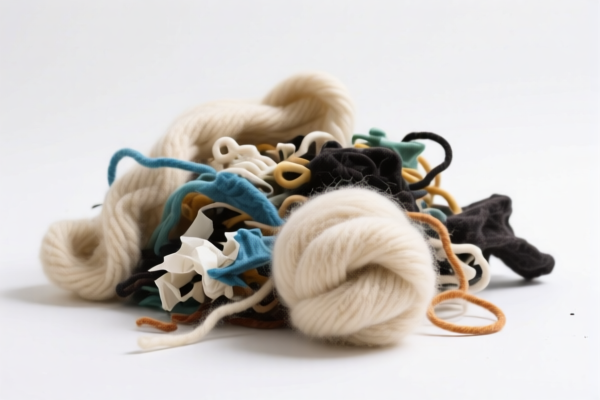
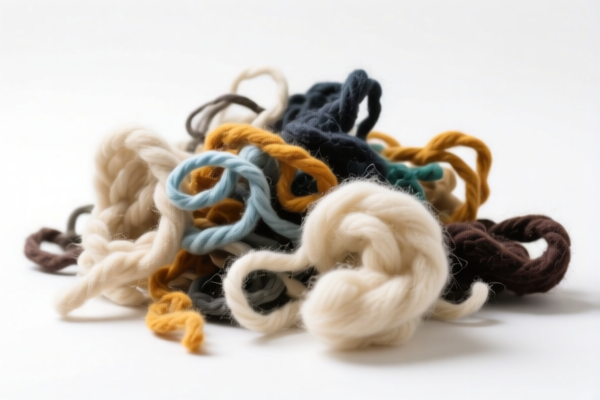
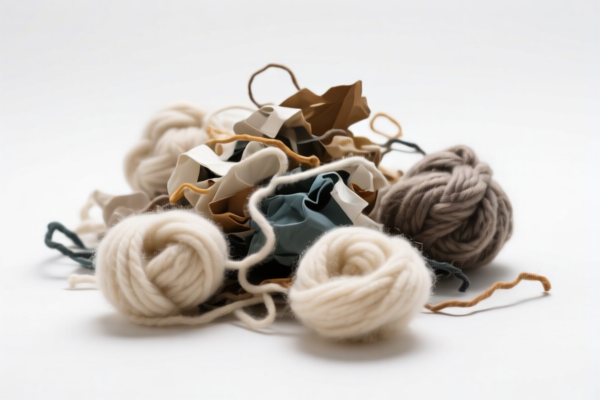

AI Analysis
🧵 Waste of Textile Materials (纺织废料垃圾)
🌐 HS Code Reference & Customs Clearance Guide | 2026 Latest Tariff Breakdown | Pro-Level Import Strategy
📌 One, Product Definition & Classification: What Exactly Is "Textile Waste"?
Textile waste — commonly referred to as "waste cotton," "fabric scraps," "textile garbage," or "废纺织纤维" — includes any leftover, damaged, or unusable materials from textile manufacturing, cutting, or post-consumer recycling. This category is not limited to raw fibers; it includes:
- Cotton waste (e.g., lint, neps, short fibers)
- Cutting scraps (e.g., fabric trimmings, off-cuts)
- Used garments that are no longer wearable
- Non-reusable fabric remnants (e.g., defective rolls, misprinted cloth)
⚠️ Critical Distinction: - If the material is pure cotton waste and not processed into usable fiber, it falls under HS 5202.99.50.00 / 5202.10.00.00. - If it contains other fibers (polyester, rayon, etc.), or is in scrap/fiber form, it may fall under HS 6310.10.20.10 / 6310.10.20.30.
📦 Two, HS Code Classification Details (2026 Official Tariff Match)
| HS Code | Product Description | Matching Scenario | Key Features |
|---|---|---|---|
5202.99.50.00 |
Waste or scrap of cotton, including cotton waste and garbage (兜底类目) | General cotton waste, unclassified or mixed forms | ✅ Cotton-based, no processing, not reusable fiber |
5202.10.00.00 |
Waste or scrap of cotton, specifically matching cotton waste form | Pure cotton waste (e.g., lint, neps, short fibers) | ✅ Cotton-specific, no fiber reprocessing, no textile use |
6310.10.20.10 |
Waste or scrap of textile materials, other fibers (e.g., polyester, rayon, blends) | Mixed-fiber waste, non-cotton textile scraps | ✅ Non-cotton fiber content, not recycled into fiber |
6310.10.20.30 |
Waste or scrap of textile materials, in the form of rags, cuttings, or fragments | Fabric scraps, cut pieces, or broken remnants | ✅ Physical form: shredded, fragmented, or irregular pieces |
🔍 Important Note:
-5202.10.00.00is repeated in the data — this is not a typo. It appears twice because it matches two different descriptions:
1. Cotton waste (5202.10.00.00)
2. Waste textile fiber (5202.10.00.00)
→ Same code, different context → same tax rate applies
💰 Three, 2026 Latest Tariff Breakdown (With Detailed Duty Clauses)
✅ Applicable Country: United States (US)
✅ Origin: China (CN)
✅ Effective Date: November 10, 2025 (and ongoing)
🎯 1. 5202.99.50.00 — Waste of Cotton (General Waste / Garbage, Catch-All)
| Item | Detail |
|---|---|
| Base Tariff | 0% (ad valorem) |
| USITC Additional Duty | +25% (from Section 301 of the Trade Act) |
| Section 122 Clause Duty | +10% (under IEEPA — International Emergency Economic Powers Act) |
| Total Effective Duty | 35.0% |
| Tax Calculation | CIF Value × 35% |
| De Minimis Exemption | ❌ Not available (denied under U.S. law) |
| Legal Basis Path | IEEPA:9903.01.25 → IEEPA:9903.01.24 → USITC:5202.99.50.00 → FOOTNOTE:9903.88.01 |
📌 Explanation:
- 25% USITC duty: Imposed under Section 301 of the U.S. Trade Act due to China’s unfair trade practices. - 10% Section 122 duty: Part of the IEEPA framework, targeting goods from China/HK with national security implications. - Total: 35% — extremely high for waste materials.
🎯 2. 5202.10.00.00 — Cotton Waste (Specific Form & Fiber Waste)
| Item | Detail |
|---|---|
| Base Tariff | 0% |
| USITC Additional Duty | +25% |
| Section 122 Clause Duty | +10% |
| Total Effective Duty | 35.0% |
| Tax Calculation | CIF × 35% |
| De Minimis Exemption | ❌ Not applicable |
| Legal Basis Path | IEEPA:9903.01.25 → IEEPA:9903.01.24 → USITC:5202.10.00.00 → FOOTNOTE:9903.88.01 |
📌 Key Insight:
- This code applies only to pure cotton waste — not blended or processed. - Even if the waste is in fiber form, as long as it's not reprocessed, it qualifies for this rate. - Same 35% rate as5202.99.50.00— no difference in tax.
🎯 3. 6310.10.20.10 — Waste of Other Fibers (Non-Cotton Textile Waste)
| Item | Detail |
|---|---|
| Base Tariff | 0% |
| USITC Additional Duty | +7.5% (lower than cotton due to different tariff schedule) |
| Section 122 Clause Duty | +10% |
| Total Effective Duty | 17.5% |
| Tax Calculation | CIF × 17.5% |
| De Minimis Exemption | ❌ Not available |
| Legal Basis Path | IEEPA:9903.01.25 → IEEPA:9903.01.24 → USITC:6310.10.20.10 → FOOTNOTE:9903.88.01 |
📌 Why Lower?
- 7.5% USITC duty instead of 25% — because this category is not subject to the same level of trade scrutiny as cotton waste. - Still 10% IEEPA — due to China origin. - Total: 17.5% — still high, but less than cotton waste.
🎯 4. 6310.10.20.30 — Waste in the Form of Rags, Cuttings, or Fragments
| Item | Detail |
|---|---|
| Base Tariff | 0% |
| USITC Additional Duty | +7.5% |
| Section 122 Clause Duty | +10% |
| Total Effective Duty | 17.5% |
| Tax Calculation | CIF × 17.5% |
| De Minimis Exemption | ❌ Not available |
| Legal Basis Path | IEEPA:9903.01.25 → IEEPA:9903.01.24 → USITC:6310.10.20.30 → FOOTNOTE:9903.88.01 |
📌 Critical Note:
- This code applies only if the waste is in physical fragment form — e.g., cutting scraps, rags, shredded fabric. - Not for loose fibers or bulk waste — those go to6310.10.20.10.
🛠️ Four, Customs Clearance Best Practices (Pro Tips to Avoid Penalties)
✅ 1. Documentation Checklist (Must-Have)
| Document | Required? | Notes |
|---|---|---|
| ✅ Commercial Invoice | ✔️ | Clearly state: "Waste Cotton / Textile Scraps" |
| ✅ Packing List | ✔️ | Detail weight, volume, and form (e.g., "cutting scraps", "fibers") |
| ✅ Product Photos | ✔️ | Show material form: loose fibers, cut pieces, rags |
| ✅ Origin Certificate (CO) | ✔️ | Prove China origin — essential for duty calculation |
| ✅ Material Composition Report | ✔️ | Confirm cotton vs. blended fibers |
| ✅ Third-Party Test Report | ✔️ | Optional but recommended (e.g., for fiber content) |
✅ 2.申报技巧(Key Rules to Remember)
🔥 “Form Matters, Fiber Matters, Origin Matters — 35% or 17.5% Depends on All Three!”
| Scenario | Correct HS Code | Wrong Code | Risk |
|---|---|---|---|
| Cotton waste in fiber form | 5202.10.00.00 |
6310.10.20.30 |
Higher tax, 35% vs 17.5% |
| Mixed-fiber scraps (not cotton) | 6310.10.20.10 |
5202.10.00.00 |
Wrong category → penalty |
| Fabric cuttings (rags) | 6310.10.20.30 |
6310.10.20.10 |
Form mismatch → audit risk |
| Bulk cotton waste (no fiber) | 5202.99.50.00 |
5202.10.00.00 |
Too specific → rejected |
✅ 3. Special Cases & Solutions
| Situation | Recommended Action |
|---|---|
| Mixed fiber waste (50% cotton, 50% polyester) | Use 6310.10.20.10 — non-cotton waste |
| Cotton waste with 10% synthetic blend | Still use 5202.10.00.00 — if cotton > 50% |
| Used clothing (not wearable) | Use 6310.10.20.30 — rags/fragments |
| Pre-processed waste (e.g., recycled fiber) | ❌ Not eligible — may be subject to different tariff rules |
| Waste from non-China origin (e.g., Vietnam, Mexico) | Check for IEEPA exemption — may reduce to 0% |
🌍 Five, Global Market Comparison (2026)
| Country | Recommended HS Code | Tariff | Certification | Notes |
|---|---|---|---|---|
| 🇺🇸 USA | 5202.10.00.00 / 6310.10.20.30 |
35% / 17.5% | None | No de minimis |
| 🇨🇳 China | 5202.10.00.00 |
0% | None | No extra duties |
| 🇪🇺 EU | 6310.10.20.30 |
0% (if CE) | CE | No IEEPA |
| 🇦🇺 Australia | 6310.10.20.30 |
0% | RCM | No extra tax |
| 🇯🇵 Japan | 6310.10.20.30 |
0% | PSE | No additional duties |
📌 Takeaway:
- Only the U.S. imposes high附加 taxes on textile waste from China. - China, EU, AU, JP treat this as low-risk, low-duty material.
📌 Six, Common Mistakes & How to Avoid Them (Real Cases)
❌ Mistake 1: Classifying cotton waste as 6310.10.20.30
👉 Result: Underpaid duties → 35% vs 17.5% → 补税+罚款
❌ Mistake 2: Using 5202.99.50.00 for pure cotton fiber waste
👉 Result: Incorrect code — may be rejected or delayed
❌ Mistake 3: Not declaring fiber composition
👉 Result: Customs may reclassify and apply higher duty
❌ Mistake 4: Assuming "waste" = "low duty"
👉 Result: 35% in the U.S. — not low at all
✅ Correct Declaration Example:
“Waste cotton fibers, 50 kg, in bulk, from textile manufacturing, not reprocessed, origin: China, HS Code: 5202.10.00.00”
🎯 Seven, Conclusion: Precision = Profit
🎯 Remember the Golden Rule:
🔹 “Form First, Fiber Second, Origin Last — 35% or 17.5% Depends on All Three!”
🔹 “One wrong code = 35% tax instead of 17.5% = $10,000+ extra cost!”
📌 Pro Tip:
✅ Apply for an Advance Ruling (Pre-Clearance) if you’re importing large volumes of textile waste.
✅ Use a U.S.-based customs broker with experience in Section 301 and IEEPA duties.
📣 Act Now!
📞 Contact a licensed customs broker + submit product photos + request HS Code pre-ruling
🚀 Avoid delays, penalties, and massive tax overpayments!
✨ Expert Clearance Starts with Accurate Classification!
💼 Your cost, your risk, your profit — all depend on the right HS Code.
Customer Reviews
About HS Code Classification
The Harmonized System (HS) is an internationally standardized nomenclature developed by the World Customs Organization (WCO) to classify traded products. Over 200 countries use the HS system as the basis for customs tariffs, trade statistics, and import/export regulations.
Each HS code follows a hierarchical structure:
- Chapter (2 digits) — Broad category of goods (e.g., Chapter 84: Machinery and Mechanical Appliances)
- Heading (4 digits) — More specific grouping within the chapter
- Subheading (6 digits) — Internationally standardized breakdown, used by all WCO member countries
- National subdivisions (8-10 digits) — Country-specific extensions for further classification, such as US HTSUS 10-digit codes
Correct HS code classification is essential for smooth customs clearance, accurate duty payment, and compliance with trade regulations. Misclassification can lead to customs delays, overpayment of duties, or penalties.
When importing from CN to US, the applicable tariff rates may include:
- Most-Favored-Nation (MFN) rate — The standard duty rate applied to WTO members
- General rate — Applied to countries without trade agreements
- Trade remedy duties — Additional tariffs such as Section 301 (anti-dumping), Section 232 (national security), or countervailing duties
The information provided on this page is for reference purposes only. For official classification, please consult with your local customs authority or a licensed customs broker.