Waste textile materials of other textile materials
CN → US| HS Code | Tariff Rate | Origin | Destination | Doc |
|---|---|---|---|---|
| 5202100000 | 35.0% | CN | US | Official Doc |
| 5202995000 | 35.0% | CN | US | Official Doc |
| 6310102010 | 17.5% | CN | US | Official Doc |
| 6310102030 | 17.5% | CN | US | Official Doc |
| 6310102010 | 17.5% | CN | US | Official Doc |
Product Images
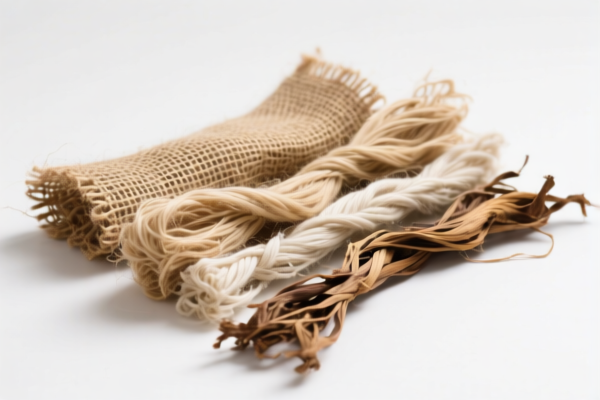
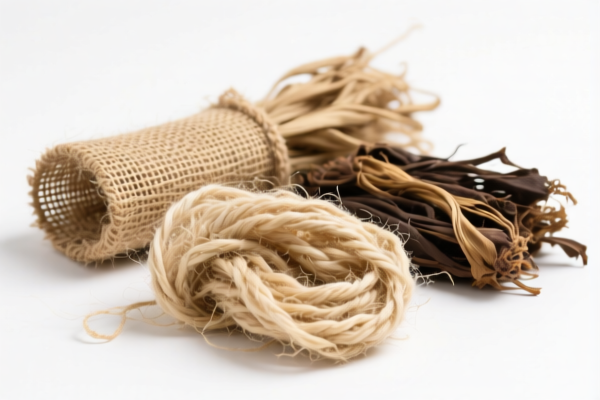
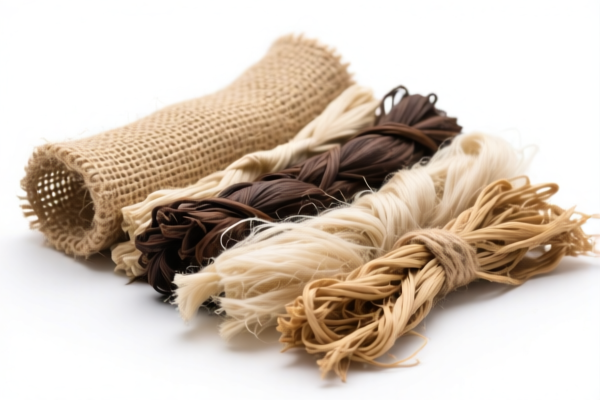
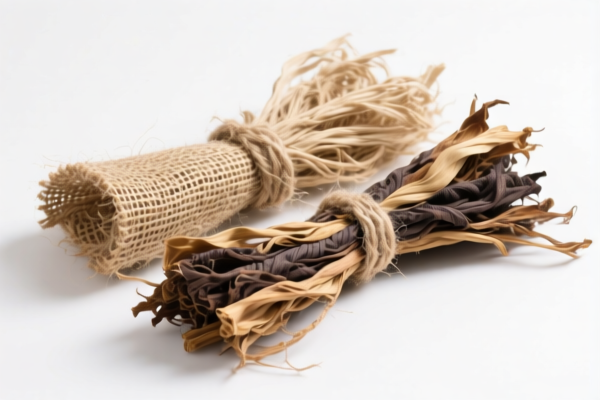
AI Analysis
🧵 Waste Textile Materials of Other Textile Materials
🌐 HS Code Reference & Customs Clearance Guide | 2026 Latest Tariff Analysis | Professional-Level Strategy
📌 I. Product Definition & Classification: What Exactly Are "Other Textile Wastes"?
In international trade, "Waste of other textile materials" is a broad category encompassing discarded fibers, yarn scraps, and textile debris that do not fall under specific categories like cotton or man-made filaments. This category often serves as a fallback (catch-all) when the specific fiber composition is mixed, unidentified, or non-cotton/non-synthetic.
⚠️ Key Distinction:
- If the waste is clearly identified as Cotton (Cotton Waste) → It falls under Chapter 52.
- If the waste is mixed, blended, or cannot be specifically identified as cotton/man-made → It likely falls under Chapter 63 (Textile Articles), specifically heading 6310.
- Form: These materials are typically shredded, chopped, or in loose fibrous form, intended for reprocessing into low-grade yarns, wiping cloths, or insulation.
📦 II. HS Code Classification Details (2026 Latest Tariff Authority Comparison)
| HS Code | Product Description | Application Scenario | Material Scope |
|---|---|---|---|
5202.10.00.00 |
Cotton Waste (Cotton waste including yarn waste and ginning waste) | Clear cotton scraps, cotton thread waste, cotton lint waste | ✅ Cotton Only |
5202.99.50.00 |
Other Cotton Waste | Mixed cotton waste, other cotton-derived waste not specified above | ✅ Cotton Only |
6310.10.20.10 |
Worn clothing and other worn articles of cotton (or similar cotton waste) | Worn/textile waste with some cotton content or mixed fiber waste not clearly identifiable as man-made | ✅ Cotton/Mixed |
6310.10.20.30 |
Worn clothing and other worn articles of other textile materials | Textile waste where material is NOT cotton or man-made fibers (or mixed/unidentified) | ✅ Non-Cotton/Mixed |
6310.10.20.10 |
Textile Waste (Cotton/Mixed) | General textile waste, inferred to contain cotton or mixed fibers | ✅ Cotton/Mixed |
🔍 Critical Reminder:
- Cotton Waste is strictly categorized under Chapter 52 (5202).
- "Other Textile Materials" (implied by your query) usually defaults to Chapter 63 (6310) when the specific natural fiber is not cotton, or when the material is a mix that doesn't meet Chapter 52 criteria.
- If the waste is purely Cotton, use5202codes. If it is Non-Cotton (wool, silk, synthetic, or mixed), use6310codes.
💰 III. 2026 Latest Tariff Rate Breakdown (Including Additional Taxes & Policy Surcharges)
✅ Applicable Country: United States (US)
✅ Origin: China (CN)
✅ Effective Date: From November 10, 2025 (and subsequent imports)
🎯 1. Category A: Cotton Waste (5202.10.00.00 / 5202.99.50.00)
| Item | Content |
|---|---|
| Base Rate | 0.0% (Ad Valorem) |
| USITC Additional Tariff | +25.0% (Under USITC Footnote 9903.88.01 & Section 301) |
| IEEPA Additional Tariff | +10.0% (Against Chinese/HK products, effective Nov 10, 2025) |
| Total Tax Rate | 35.0% |
| Tax Calculation | CIF Value × 35% |
| De Minimis Eligibility | ❌ Not Eligible (deny_de_minimis) |
| Legal Basis Path | IEEPA:9903.01.25 → IEEPA:9903.01.24 → USITC:5202.xx → FOOTNOTE:9903.88.01 |
📌 Explanation:
- Even though the base rate is 0%, the 25% Section 301 tariff and 10% IEEPA tariff apply.
- Total Liability: 35%. This is a high tariff category.
- Why? Cotton waste is still considered a sensitive textile product by US trade policy.
🎯 2. Category B: Other Textile Waste (6310.10.20.10 / 6310.10.20.30)
| Item | Content |
|---|---|
| Base Rate | 0.0% (Ad Valorem) |
| USITC Additional Tariff | +7.5% (Under USITC Footnote 9903.88.01) |
| IEEPA Additional Tariff | +10.0% (Against Chinese/HK products, effective Nov 10, 2025) |
| Total Tax Rate | 17.5% |
| Tax Calculation | CIF Value × 17.5% |
| De Minimis Eligibility | ❌ Not Eligible (deny_de_minimis) |
| Legal Basis Path | IEEPA:9903.01.25 → IEEPA:9903.01.24 → USITC:6310.xx → FOOTNOTE:9903.88.01 |
📌 Explanation:
- These codes cover "Other Textile Materials" (non-cotton or mixed) under the waste category.
- The USITC surcharge is lower (7.5%) compared to cotton waste (25%).
- Total Liability: 17.5%.
- Why? These are often considered less sensitive or more "generic" waste materials, hence the lower additional tariff.
🛠️ IV. Customs Clearance Practical Advice (Real-World Pitfall Avoidance)
✅ 1. Required Documentation Checklist (Mandatory)
| Document | Must Provide | Description |
|---|---|---|
| ✅ Product Specification | ✔️ | Clearly state fiber content (e.g., "70% Polyester, 30% Cotton" or "Unidentified Mixed Waste"). |
| ✅ Material Composition Proof | ✔️ | Lab test report or supplier declaration confirming NO pure cotton dominance (if aiming for 6310). |
| ✅ Product Photos | ✔️ | Show the waste form (shredded, baled, loose) to prove it is "waste" and not "new fabric." |
| ✅ Commercial Invoice | ✔️ | Use precise description: "Textile Waste, Mixed Fibers, for Reuse." Avoid vague terms like "Fabric Scraps." |
| ✅ Packing List | ✔️ | Detail net/gross weight. Ensure consistency with invoice. |
| ✅ Origin Certificate (CO) | ✔️ | Mandatory for IEEPA assessment. |
✅ 2. Declaration Tips (Key Mnemonic)
🔥 "Cotton is Chapter 52, Others are Chapter 63. Be Specific or Pay More!"
| Scenario | Correct Declaration | Wrong Practice |
|---|---|---|
| Pure Cotton Waste | 5202.10.00.00 / 5202.99.50.00 |
Misdeclare as 6310 → Risk of Audit & Penalty |
| Mixed/Non-Cotton Waste | 6310.10.20.10 / 6310.10.20.30 |
Misdeclare as 5202 → Overpay 17.5% |
| Unidentified Mixed Waste | 6310.10.20.30 (Safest Fallback) |
Vague term "Textile Waste" → Customs Classification Error |
✅ 3. Special Handling Cases
| Situation | Handling Advice |
|---|---|
| OEM Textile Waste | Provide customer order + material breakdown. Prove it is not "new" but "waste." |
| High-Cotton Mix | If cotton > 50%, customs may push for 5202 classification. Ensure documentation supports "Other Materials". |
| Small Shipments | No De Minimis Exemption! Even small parcels of textile waste from China are subject to these taxes. |
| Reused Clothing | If it includes worn clothing, ensure it meets US sanitary standards for textile waste. |
🌍 V. Global Main Market Customs Comparison (2026 Latest)
| Country/Region | Recommended HS Code | Tariff (China Origin) | Certification Requirements | Notes |
|---|---|---|---|---|
| 🇺🇸 USA | 6310.10.20.30 (Mixed) |
17.5% (Total) | None specific for waste | High audit rate; precise description key |
| 🇨🇳 China | 6310.10.20.30 |
0% - 5% | None | Import duty may be lower for raw materials |
| 🇪🇺 EU | 6310.10.20 |
0% - 2.5% | EPR Registration | Waste recycling regulations apply |
| 🇬🇧 UK | 6310.10.20 |
0% - 2.5% | UK EPR | Similar to EU post-Brexit |
| 🇯🇵 Japan | 6310.10.20 |
0% - 3.0% | None | Low tariff, strict hygiene checks |
📌 Conclusion:
- USA is the highest cost market due to the 17.5% - 35% total tariff.
- EU/UK/Japan have minimal or zero base tariffs for textile waste, making them more attractive for recycling/export.
- US Market Strategy: If possible, avoid shipping pure cotton waste to the US due to the 35% rate. Mixed waste (6310) is cheaper but still taxable.
📌 VI. Common Errors & Pitfall Guide (Lessons Learned)
❌ Error 1: Declaring "Mixed Textile Waste" as 5202 (Cotton)
👉 Consequence: Overpay 17.5% (17.5% vs 35%? No, underpay? Wait: 35% is higher. If you declare mixed as cotton, you pay 35% instead of 17.5%. Loss of profit.)
❌ Error 2: Declaring "Cotton Waste" as 6310 (Other)
👉 Consequence: Underpayment of 17.5%. Customs will audit, demand back-taxes, and impose penalties.
❌ Error 3: Using vague descriptions like "Scrap Fabric"
👉 Consequence: Customs cannot classify → Delay in clearance → Storage fees + potential return of goods.
❌ Error 4: Ignoring IEEPA Surcharges
👉 Consequence: Fines for undervaluation of tax liability. The 10% IEEPA tax is mandatory for Chinese-origin goods.
✅ Correct Approach:
"Textile Waste, Mixed Fibers (Polyester/Cotton), Not for Human Wear, for Recycling, HS Code: 6310.10.20.30"
🎯 VII. Conclusion: Precision in Classification Saves Money!
🎯 Remember the Mnemonic:
🔹 "Cotton is 35%, Mixed is 17.5%. No De Minimis for Textiles. Be Clear, Be Specific, Stay Compliant!"
🔹 "Chapter 52 for Cotton, Chapter 63 for Others. Wrong Code = Wrong Cost!"
📌 Pro Tip:
- If your waste is pure cotton, budget for 35% total tax.
- If your waste is mixed/non-cotton, budget for 17.5% total tax.
- Pre-clearance Ruling: Highly recommended for large shipments to 6310 codes to ensure customs accepts the "Other Textile Materials" classification.
📣 Take Action Now:
📞 Contact your freight forwarder + Provide detailed material breakdown + Request HS Code Pre-Ruling if unsure.
🚀 Ensure smooth customs clearance, avoid unexpected costs, and maximize your recycling margins!
✨ Professional Customs Clearance Starts with Accurate Classification!
💼 Every cent of tax cost must be calculated precisely!
Customer Reviews
About HS Code Classification
The Harmonized System (HS) is an internationally standardized nomenclature developed by the World Customs Organization (WCO) to classify traded products. Over 200 countries use the HS system as the basis for customs tariffs, trade statistics, and import/export regulations.
Each HS code follows a hierarchical structure:
- Chapter (2 digits) — Broad category of goods (e.g., Chapter 84: Machinery and Mechanical Appliances)
- Heading (4 digits) — More specific grouping within the chapter
- Subheading (6 digits) — Internationally standardized breakdown, used by all WCO member countries
- National subdivisions (8-10 digits) — Country-specific extensions for further classification, such as US HTSUS 10-digit codes
Correct HS code classification is essential for smooth customs clearance, accurate duty payment, and compliance with trade regulations. Misclassification can lead to customs delays, overpayment of duties, or penalties.
When importing from CN to US, the applicable tariff rates may include:
- Most-Favored-Nation (MFN) rate — The standard duty rate applied to WTO members
- General rate — Applied to countries without trade agreements
- Trade remedy duties — Additional tariffs such as Section 301 (anti-dumping), Section 232 (national security), or countervailing duties
The information provided on this page is for reference purposes only. For official classification, please consult with your local customs authority or a licensed customs broker.