Watch Case Disassembly Tool
CN → US| HS Code | Tariff Rate | Origin | Destination | Doc |
|---|---|---|---|---|
| 8214909000 | 0.0% | CN | US | Official Doc |
| 8214100000 | 0.0% | CN | US | Official Doc |
| 8466100175 | 38.9% | CN | US | Official Doc |
Product Images
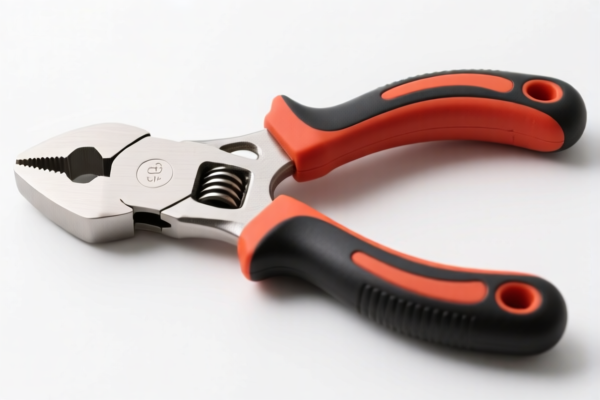
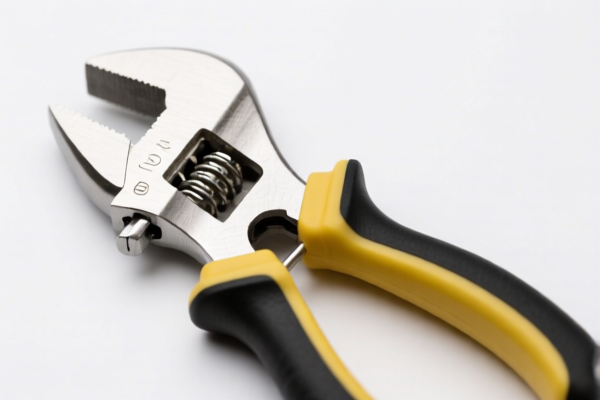
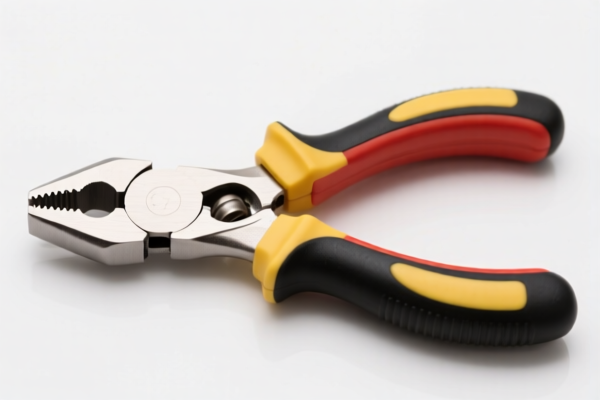
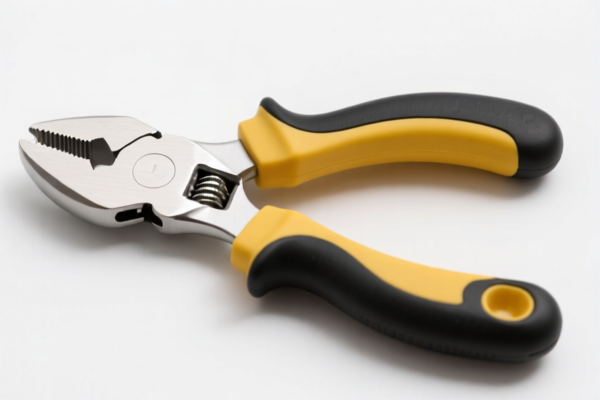
AI Analysis
🔧 Watch Case Disassembly Tool
🌐 HS Code Reference & Customs Clearance Guide | 2026 Latest Tariff Analysis | Professional Entry Strategies
📌 I. Product Definition & Classification: What exactly is a "Watch Case Disassembly Tool"?
A Watch Case Disassembly Tool is a specialized precision instrument used in horology to open, pry, or unscrew watch backs (snap-on, screw-down, or screw-back cases) without damaging the case or crystal. In international trade, its classification depends heavily on its material composition, specific function, and whether it is considered a hand tool, a美甲工具 (nail care tool), or a part of a machine/tool holder.
Two Main Categories: 1. Hand Tools/Pry Tools (Metal/Plastic): Simple levers, screwdrivers, or pry bars designed for manual operation. These often fall under "Other Articles of Cutlery" or "Nail Tools." 2. Tool Holders/Parts (Machine Accessories): Devices designed to hold or secure a watch or tool during mechanical disassembly. These may fall under "Parts of Machines for Working Metal" or "Other Tool Holders."
⚠️ Key Distinction Point:
- If the item is a simple pry bar or screwdriver used manually → Likely 8214.90.90.00 or 8214.10.00.00.
- If the item is a fixture, holder, or specialized mechanical attachment (not a simple handheld blade) → Likely 8466.10.01.75.
📦 II. HS Code Classification Details (2026 Latest Tariff Authority Cross-Reference)
Based on the provided data, here are the three possible classifications for Watch Case Disassembly Tools:
| HS Code | Product Description | Applicable Scenario | Material/Nature |
|---|---|---|---|
8214.90.90.00 |
Other Articles of Cutlery / Disassembly Tools | General metal pry tools, openers, or non-nail specific disassembly blades | Metal |
8214.10.00.00 |
Nail Care Tools / Other Articles of Cutlery | Tools that resemble nail clippers, cutters, or small metal edge tools; also includes some fine pry tools | Metal/Blade |
8466.10.01.75 |
Other Tool Holders / Parts | Mechanical fixtures, holders, or specialized attachments for securing tools/workpieces during disassembly | Metal/Hard Plastic |
🔍 Key Reminder:
-8214Series: Classified as "Articles of Cutlery" or "Nail Tools." Even though it's for watches, if it functions as a simple blade or lever, it often gets grouped here.
-8466Series: Classified as "Parts and Accessories of Machines." Only applies if the tool is a holder, fixture, or mechanical accessory, not a simple handheld blade.
- Misclassification Risk: Declaring a simple pry bar as8466may lead to海关 rejection if it doesn't fit the "tool holder" definition. Conversely, declaring a complex fixture as8214may result in lower duty but potential audit issues.
💰 III. 2026 Latest Tariff Rate Breakdown (Including Surcharges, Policy Add-ons)
✅ Applicable Country: United States (US)
✅ Country of Origin: China (CN)
✅ Effective Date: Starting November 10, 2025 (and subsequent imports)
🎯 1. 8214.90.90.00 — Other Articles of Cutlery / Disassembly Tools (Metal)
| Item | Details |
|---|---|
| Base Duty Rate | 1.4¢ each + 3.2% (ad valorem) |
| Section 301 Surcharge | 0.0% |
| Section 122 Duty (IEEPA) | +10% (Applied to Chinese products) |
| Total Effective Rate | ~3.2% + 1.4¢/unit + 10% |
| Tax Calculation | (CIF Value × 13.2%) + (1.4¢ × Quantity) |
| De Minimis Exemption | ❌ Not Applicable |
| Legal Basis Path | IEEPA:9903.01.25 → USITC:8214.90.90.00 |
📌 Explanation:
- The 1.4¢ per unit is a specific duty added to the ad valorem rate.
- The 10% is the Section 122 tariff under IEEPA, specifically targeting certain Chinese goods.
- This is a moderate duty but requires accurate quantity declaration due to the per-unit fee.
🎯 2. 8214.10.00.00 — Nail Care Tools / Other Articles of Cutlery
| Item | Details |
|---|---|
| Base Duty Rate | 0.3¢ each + 4.2% (ad valorem) |
| Section 301 Surcharge | 0.0% |
| Section 122 Duty (IEEPA) | +10% (Applied to Chinese products) |
| Total Effective Rate | ~14.2% + 0.3¢/unit |
| Tax Calculation | CIF Value × 14.2% + (0.3¢ × Quantity) |
| De Minimis Exemption | ❌ Not Applicable |
| Legal Basis Path | IEEPA:9903.01.25 → USITC:8214.10.00.00 |
📌 Note:
- If customs classifies your watch tool as a "nail tool" (due to similar shape/function), the ad valorem rate is higher (4.2% vs 3.2%), but the per-unit fee is lower (0.3¢ vs 1.4¢).
- For high-volume, low-value items, the 0.3¢ per unit might be more cost-effective, but the 14.2% total rate is significantly higher than the other option.
🎯 3. 8466.10.01.75 — Other Tool Holders / Parts (Mechanical/Fixtures)
| Item | Details |
|---|---|
| Base Duty Rate | 3.9% |
| Section 301 Surcharge | +25.0% |
| Section 122 Duty (IEEPA) | +10% |
| Total Effective Rate | 38.9% |
| Tax Calculation | CIF Value × 38.9% |
| De Minimis Exemption | ❌ Not Applicable |
| Legal Basis Path | IEEPA:9903.01.25 → USITC:8466.10.01.75 |
📌 Warning:
- This classification carries a very high total duty of 38.9%.
- This includes a 25% Section 301 surcharge (high-tech/tooling category) + 10% Section 122.
- Only use this code if the product is truly a "tool holder" or "fixture", not a simple hand tool. Misusing this code can lead to severe penalties or misclassification audits.
🛠️ IV. Customs Clearance Practical Advice (Pitfall Avoidance Guide)
✅ 1. Required Documentation Checklist
| Document | Mandatory | Description |
|---|---|---|
| ✅ Product Specifications | ✔️ | Material (stainless steel, plastic, etc.), dimensions, weight |
| ✅ Product Photos | ✔️ | Clear images showing the tool’s design, especially if it’s a fixture vs. a blade |
| ✅ Commercial Invoice | ✔️ | Must clearly state "Watch Case Disassembly Tool" or "Horology Pry Tool" |
| ✅ Packing List | ✔️ | Quantity, net/gross weight |
| ✅ Certificates | ✔️ | If applicable: ISO, RoHS, CE (for EU markets) |
| ✅ Origin Certificate | ✔️ | If not from China, to claim potential FTZ benefits |
✅ 2. Declaration Tips (Crucial Mnemonics)
🔥 “Simple Blade = 8214; Fixture = 8466; Name Matters!”
| Scenario | Correct Declaration | Wrong Action |
|---|---|---|
| Simple metal pry bar/screwdriver | 8214.90.90.00 (3.2% + 1.4¢) |
Declare as 8466 → 38.9% |
| Tool looks like nail clipper/cutter | 8214.10.00.00 (14.2% + 0.3¢) |
Declare as 8214.90 → Potential audit |
| Mechanical holder/fixture | 8466.10.01.75 (38.9%) |
Declare as 8214 → Risk of misclassification |
| Mixed shipment (Tools + Holders) | Split Declaration | Combine into one HS code → Compliance risk |
✅ 3. Special Handling Cases
| Scenario | Recommendation |
|---|---|
| OEM Custom Tools | Provide design drawings to prove if it’s a blade or a holder. |
| Plastic Handle Metal Blade | Still typically 8214 if the working part is metal. |
| Set of Tools (Boxed) | Declare each item separately if possible, or use the code for the highest value/duty item if bundled (check with broker). |
| Used/Refurbished Tools | May require additional sanitation or condition reports, but HS code remains similar. |
🌍 V. Global Customs Comparison (2026 Latest)
| Country/Region | Recommended HS Code | Duty Rate | Certification Required | Remarks |
|---|---|---|---|---|
| 🇺🇸 USA | 8214.90.90.00 |
~13.2% + 1.4¢/unit | No special certs | High scrutiny on "Cutlery" classification |
| 🇨🇳 China | 8214.90.90.00 |
5% | N/A | Low duty, easy entry |
| 🇪🇺 EU | 8214.90.90.00 |
0% (if valid) | CE (if applicable) | Check for "Nail Tool" misclassification |
| 🇬🇧 UK | 8214.90.90.00 |
2.5% | UKCA (if applicable) | Post-Brexit rules apply |
| 🇯🇵 Japan | 8214.90.90.00 |
0% | JIS (if applicable) | Generally low duty for tools |
📌 Conclusion:
- USA has the most complex duty structure due to Section 122 and per-unit fees.
- EU/UK/Japan generally have lower duties but stricter quality/safety certifications.
- Misclassifying a simple tool as a "machine part" (8466) in the USA is costly (38.9%).
📌 VI. Common Errors & Pitfall Guide (Lessons Learned)
❌ Error 1: Declaring a simple pry bar as 8466.10.01.75
👉 Consequence: Paying 38.9% duty instead of ~13.2% → Overpayment!
❌ Error 2: Not separating per-unit fees in declaration for 8214.90.90.00
👉 Consequence: Incorrect tax calculation → Customs Audit & Delays
❌ Error 3: Using vague terms like "Watch Repair Kit" without specifying content
👉 Consequence: Customs may default to higher duty or request additional documentation → Delay
❌ Error 4: Classifying metal prying tools as "Nail Tools" (8214.10) when they are clearly watch-specific
👉 Consequence: Higher ad valorem rate (14.2% vs 3.2%) → Higher Cost
✅ Correct Practice:
“Watch Case Pry Tool, Stainless Steel, Handheld, for Horology Use, Model XYZ”
🎯 VII. Conclusion: Precision in Classification Saves Money!
🎯 Remember the Key Rules:
🔹 “Blade/Pry = 8214; Fixture = 8466”
🔹 “1.4¢/unit is tricky, count accurately!”
🔹 “38.9% is for machines, not simple tools!”
📌 Pro Tip:
If your tools are not from China, check for FTZ benefits to reduce or eliminate the 10% Section 122 duty.
Always apply for a Pre-Ruling with US Customs (CBP) if unsure whether your tool is a "blade" or a "holder."
📣 Immediate Action:
📞 Consult a licensed customs broker + Provide product photos + Submit CBP Pre-Ruling Request
🚀 Ensure smooth clearance, accurate tax calculation, and maximum profit margins!
✨ Professional Classification, Efficient Clearance!
💼 Every cent counts in global trade!
Customer Reviews
About HS Code Classification
The Harmonized System (HS) is an internationally standardized nomenclature developed by the World Customs Organization (WCO) to classify traded products. Over 200 countries use the HS system as the basis for customs tariffs, trade statistics, and import/export regulations.
Each HS code follows a hierarchical structure:
- Chapter (2 digits) — Broad category of goods (e.g., Chapter 84: Machinery and Mechanical Appliances)
- Heading (4 digits) — More specific grouping within the chapter
- Subheading (6 digits) — Internationally standardized breakdown, used by all WCO member countries
- National subdivisions (8-10 digits) — Country-specific extensions for further classification, such as US HTSUS 10-digit codes
Correct HS code classification is essential for smooth customs clearance, accurate duty payment, and compliance with trade regulations. Misclassification can lead to customs delays, overpayment of duties, or penalties.
When importing from CN to US, the applicable tariff rates may include:
- Most-Favored-Nation (MFN) rate — The standard duty rate applied to WTO members
- General rate — Applied to countries without trade agreements
- Trade remedy duties — Additional tariffs such as Section 301 (anti-dumping), Section 232 (national security), or countervailing duties
The information provided on this page is for reference purposes only. For official classification, please consult with your local customs authority or a licensed customs broker.