Water Bladder Backpack
CN → US| HS Code | Tariff Rate | Origin | Destination | Doc |
|---|---|---|---|---|
| 7310290065 | 85.0% | CN | US | Official Doc |
| 3923290000 | 38.0% | CN | US | Official Doc |
| 6307909891 | 24.5% | CN | US | Official Doc |
| 7310210075 | 85.0% | CN | US | Official Doc |
| 3923210095 | 38.0% | CN | US | Official Doc |
Product Images
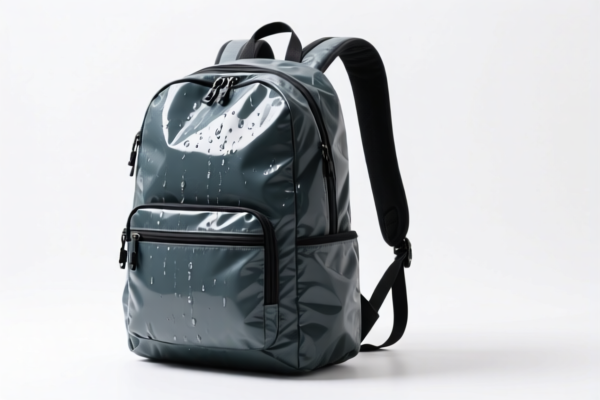
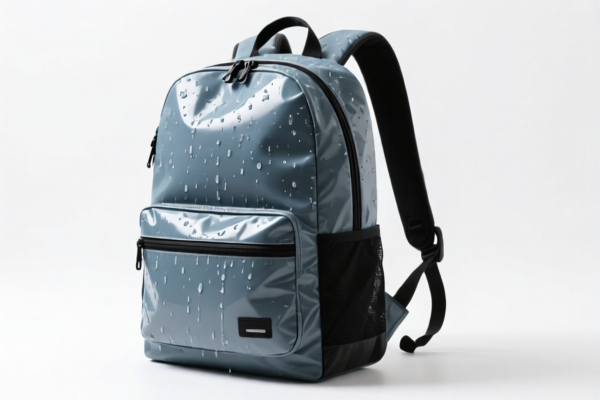
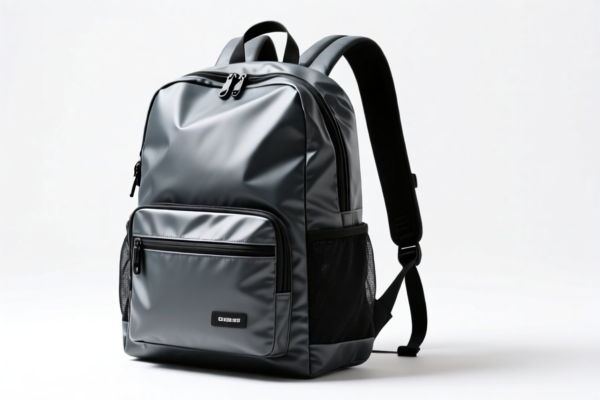

AI Analysis
🎒 Water Bladder Backpack: HS Code Classification & US Customs Clearance Guide
🌐 HS Code Reference & Customs Clearance Guide | 2026 Latest Tariff Analysis | Professional Strategy for Outdoor Gear
📌 I. Product Definition: What is a "Water Bladder Backpack"?
A Water Bladder Backpack is a composite outdoor gear item consisting of two main functional components: 1. The Container: A flexible, leak-proof reservoir (bladder) designed to hold water, typically made of food-grade plastics (like TPE, EVA, or PVC). 2. The Carrier: The backpack itself, which holds the bladder, includes a drinking tube/hose, mouthpiece, and often straps/pockets.
⚠️ Critical Classification Distinction:
In US Customs (CBP) practice, the classification depends heavily on what is being imported: - Case A: Just the Bladder (Empty, no backpack) → Classified as a Plastic Container/Bag. - Case B: The Full Kit (Backpack + Bladder + Hose + Mouthpiece) → Classified as a Backpack/Travel Good or Plastic Article, depending on material dominance.🚨 Warning: Misclassifying the bladder as a "container" when it’s part of a kit, or vice versa, leads to massive tariff differences (from 38% to 85%+).
📦 II. HS Code Classification Matrix (Based on Provided Data)
The following HS Codes are derived strictly from your provided data. Note that the total tax rate varies significantly based on the specific material and form.
| HS Code | Product Description (Summary) | Material & Form | Total Tax Rate | Key Tax Components |
|---|---|---|---|---|
| 7310.29.00.65 | Non-specified shape container, < 50L | Iron/Steel | 85.0% | Base: 0% Section 301: 25% Sec 122 (Steel/Aluminum): 50% |
| 7310.21.00.75 | Welded/Seamed Can | Iron/Steel | 85.0% | Base: 0% Section 301: 25% Sec 122 (Steel/Aluminum): 50% |
| 3923.29.00.00 | Flexible Bag/Pouch | Plastic | 38.0% | Base: 3% Section 301: 25% Sec 122: 10% |
| 3923.21.00.95 | Bag/Pouch (Ethylene Polymers) | Plastic (PE) | 38.0% | Base: 3% Section 301: 25% Sec 122: 10% |
| 6307.90.98.91 | Made-up Article (Flexible) | Plastic/Rubber | 24.5% | Base: 7% Section 301: 7.5% Sec 122: 10% |
💰 III. Detailed Tariff Breakdown & Tax Calculation
✅ Applicable Country: USA
✅ Origin: China (CN)
✅ Effective Date: Current (Post-2025 Trade Policies)
🎯 1. The "Metal Trap": HS Codes 7310.xxxx (Iron/Steel)
If your water bladder is made of metal (rare for flexible bladders, but possible for rigid bottles or specific steel canteens):
| Component | Rate | Legal Basis |
|---|---|---|
| Base Duty | 0.0% | General Rate |
| Section 301 Tariff | +25.0% | USITC Footnote 9903.88.01 |
| Section 122 Tariff | +50.0% | Specific levy on Steel/Aluminum products |
| TOTAL RATE | 85.0% | Extremely High |
📌 Analysis:
- Do NOT use these HS codes for standard plastic water bladders.
- These codes apply only if the product is a steel can or container.
- Risk: High likelihood of detention if declared incorrectly for plastic goods.
🎯 2. The "Plastic Standard": HS Codes 3923.2x (Plastic Bags/Containers)
This is the most common classification for empty plastic water bladders.
| Component | Rate | Legal Basis |
|---|---|---|
| Base Duty | 3.0% | General Rate for Plastic Bags |
| Section 301 Tariff | +25.0% | USITC Footnote 9903.88.01 |
| Section 122 Tariff | +10.0% | Specific levy on certain plastic articles |
| TOTAL RATE | 38.0% | Standard High Tariff |
📌 Analysis:
- HS 3923.29.00.00: General plastic bag/pouch (TPE/EVA/PVC bladders).
- HS 3923.21.00.95: Specifically for Ethylene Polymers (PE).
- Why 38%?: The base is low (3%), but the 25% Section 301 tariff is the dominant cost driver.
🎯 3. The "Optimized" Choice: HS Code 6307.90.98.91 (Made-up Articles)
If the product is a finished, made-up article (e.g., a flexible container made of plastic/rubber with specific features, not just a raw bag), this code may apply.
| Component | Rate | Legal Basis |
|---|---|---|
| Base Duty | 7.0% | General Rate for Other Textiles/Articles |
| Section 301 Tariff | +7.5% | Reduced Section 301 rate for certain "other" articles |
| Section 122 Tariff | +10.0% | Specific levy |
| TOTAL RATE | 24.5% | Lowest Available Rate |
📌 Analysis:
- Key Advantage: 13.5% savings compared to the 38% rate.
- Condition: The product must be classified as a "made-up article" of plastic or rubber, fitting the "catch-all" attribute.
- Caution: CBP may challenge this if the item is clearly a "bag" (3923). You need strong justification that it is a manufactured article rather than a simple container.
🛠️ IV. Customs Clearance Practical Advice
✅ 1. Material Verification (Crucial Step)
Before declaring, confirm the exact material: - If Metal: Use 7310 codes (85% tax). Not recommended for bladders. - If Plastic (TPE/EVA/PVC): Usually 3923 (38% tax). - If "Made-up" Article: Try to argue for 6307 (24.5% tax).
📝 Action: Request a Material Safety Data Sheet (MSDS) or Bill of Materials from your supplier. If it says "TPE" or "EVA," it falls under Chapter 39.
✅ 2. Packaging & Description Strategy
| Scenario | Recommended HS Code | Declaration Description |
|---|---|---|
| Empty Bladder Only | 3923.29.00.00 | "Empty Water Bladder, Plastic, TPE Material, for Hydration Packs" |
| Backpack + Bladder Kit | 6307.90.98.91 (Best Effort) | "Hydration Backpack System, Plastic/Rubber Components, Made-up Article" |
| Metal Bottle/Canteen | 7310.29.00.65 | "Steel Water Container, Welded, <50L Capacity" |
🔥 Pro Tip:
If you import the backpack, it might fall under Chapter 42 (Bags). However, since your data only provides plastic/metal options, we assume you are importing only the bladder or a plastic-dominated kit.
- If importing a full backpack, check if it qualifies as a "Travel Good" (4202) which may have different tariffs. But based on provided data, stick to the above.
✅ 3. Avoiding Pitfalls
❌ Error 1: Classifying a plastic bladder as "Textile" (6306/6307) without justification.
👉 Result: CBP may reclassify to 3923 (38%) or impose penalties.
❌ Error 2: Using 7310 codes for plastic products.
👉 Result: 100% audit flag. Metal vs. Plastic is easily detectable via X-ray or visual inspection.
❌ Error 3: Ignoring Section 122 Tariffs.
👉 Result: Unexpected 10% or 50% surcharge. Always check if your product falls under "Steel/Aluminum" or specific plastic exclusions.
🌍 V. Global Market Comparison (Brief)
| Market | Typical HS Code for Plastic Bladder | Est. Duty (China Origin) | Notes |
|---|---|---|---|
| 🇺🇸 USA | 3923.29.00.00 | 38.0% | High Section 301 tax |
| 🇪🇺 EU | 3923.29.00 | ~4.5% | Lower base duty, no Section 301 |
| 🇨🇳 China | 3923.29.00 | ~0-5% | Low import duty |
| 🇬🇧 UK | 3923.29.00 | ~4.5% | Post-Brexit tariff |
📌 Conclusion:
The US market is the most expensive due to Section 301 and Section 122 tariffs.
- Strategy: If possible, source materials from non-China origins to avoid Section 301.
- Alternative: If the bladder is part of a larger "made-up article" (e.g., a hydration vest), try to classify under 6307 to save 13.5%.
📌 VI. Final Checklist for Importers
- Confirm Material: Is it Plastic (3923) or Metal (7310)?
- Confirm Form: Is it a Bag (3923) or a Made-up Article (6307)?
- Calculate Tax:
- Plastic Bag: 38%
- Made-up Article: 24.5%
- Steel Container: 85%
- Documentation: Provide MSDS, Product Photos, and Material Composition to CBP.
- Pre-Decision: Consider filing for a Binding Ruling if the product is complex.
🎯 Bottom Line:
For a standard Water Bladder Backpack component (plastic bladder):
- Safest Bet: HS 3923.29.00.00 (38% Tax).
- Optimization Opportunity: If the product is a finished made-up article, argue for HS 6307.90.98.91 (24.5% Tax) to save money.
- Avoid: HS 7310 codes unless you are importing steel containers.
📣 Immediate Action:
📞 Contact your freight forwarder with the material composition and product photos.
📝 Prepare a Bill of Materials proving the plastic nature of the bladder.
🚀 Aim for HS 6307 if possible, but be ready for HS 3923.
✨ Accurate Classification = Savings & Speed!
💼 Don’t let an 85% tariff ruin your outdoor gear business!
Customer Reviews
About HS Code Classification
The Harmonized System (HS) is an internationally standardized nomenclature developed by the World Customs Organization (WCO) to classify traded products. Over 200 countries use the HS system as the basis for customs tariffs, trade statistics, and import/export regulations.
Each HS code follows a hierarchical structure:
- Chapter (2 digits) — Broad category of goods (e.g., Chapter 84: Machinery and Mechanical Appliances)
- Heading (4 digits) — More specific grouping within the chapter
- Subheading (6 digits) — Internationally standardized breakdown, used by all WCO member countries
- National subdivisions (8-10 digits) — Country-specific extensions for further classification, such as US HTSUS 10-digit codes
Correct HS code classification is essential for smooth customs clearance, accurate duty payment, and compliance with trade regulations. Misclassification can lead to customs delays, overpayment of duties, or penalties.
When importing from CN to US, the applicable tariff rates may include:
- Most-Favored-Nation (MFN) rate — The standard duty rate applied to WTO members
- General rate — Applied to countries without trade agreements
- Trade remedy duties — Additional tariffs such as Section 301 (anti-dumping), Section 232 (national security), or countervailing duties
The information provided on this page is for reference purposes only. For official classification, please consult with your local customs authority or a licensed customs broker.