Water Boiler
CN → US| HS Code | Tariff Rate | Origin | Destination | Doc |
|---|---|---|---|---|
| 7323930015 | 62.0% | CN | US | Official Doc |
| 8516790000 | 12.7% | CN | US | Official Doc |
| 8516100040 | 17.5% | CN | US | Official Doc |
| 8516100080 | 17.5% | CN | US | Official Doc |
| 8419815080 | 17.5% | CN | US | Official Doc |
| 8516710080 | 21.2% | CN | US | Official Doc |
Product Images
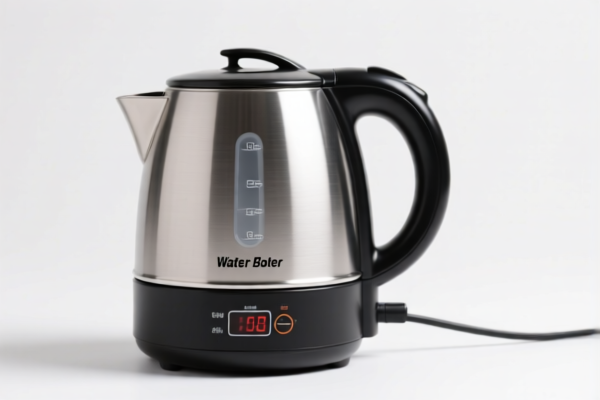
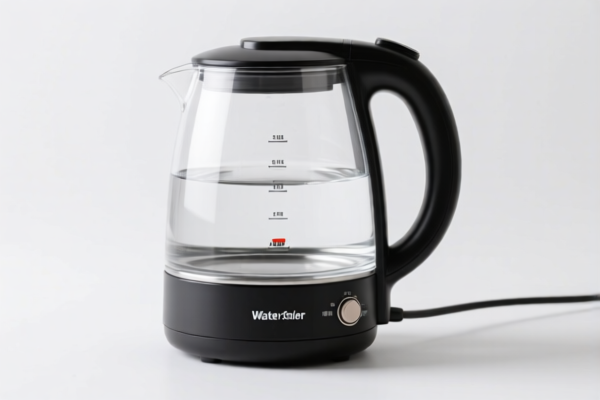
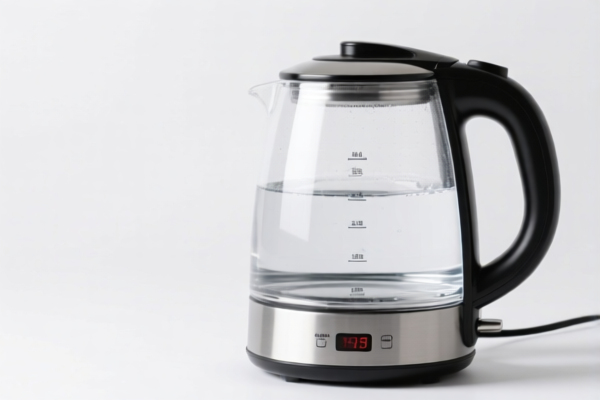
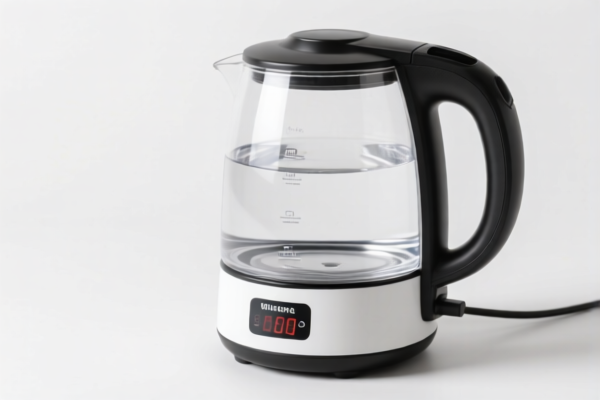
AI Analysis
🌊 Water Boiler (Electric Kettles & Water Heaters)
🌐 HS Code Reference & Customs Clearance Guide | 2026 Latest Tariff Analysis | Professional Clearance Strategy
📌 I. Product Definition & Classification: Do You Really Understand "Water Boilers"?
A "Water Boiler" is a broad term in international trade, typically referring to appliances that heat water for drinking, tea, coffee, or domestic use. In customs classification, the specific function, structure, and material determine the HS Code. Misclassification can lead to significant tariff differences, especially with current US trade policies.
We must distinguish between: 1. Electric Kettles/Warmers: Portable, household appliances for boiling water/tea (Usually HTS 8516 or 7323). 2. Electric Water Heaters: Larger, fixed or storage units for household plumbing (Usually HTS 8516).
⚠️ Key Distinction:
- If it’s a portable pitcher/kettle for making tea/coffee → Likely 8516.71/8516.79 or 7323.93.
- If it’s a tank-style heater for household hot water supply → Likely 8516.10.
- Material Note: Stainless steel kettles may face different duties than plastic/electrical ones under Section 122.
📦 II. HS Code Classification Details (2026 Latest Tariff Authority Comparison)
| HS Code | Product Description | Applicable Scenario | Conflict Check |
|--------|----------|--------------------------|
| 7323.93.00.15 | Articles of table, kitchen or other household articles and parts thereof, of stainless steel; other (Water Kettles/Teapots) | Stainless steel electric kettles/teapots where material is primary | ✅ No material conflict (Stainless Steel) |
| 8516.79.00.00 | Other electro-thermic space heating equipment; other electro-thermic water heaters; hair-dryers; other electro-thermic appliances (Other Electric Heating Appliances) | General electric kettles not specifically classified elsewhere | ✅ No material conflict |
| 8516.10.00.40 | Instantaneous or Storage Water Heaters, Electric; Storage Water Heaters | Storage-type electric water heaters (implied due to description ambiguity) | ✅ Matches "Storage" function |
| 8516.10.00.80 | Instantaneous or Storage Water Heaters, Electric; Instantaneous Water Heaters | Instantaneous electric water heaters | ✅ Matches "Instantaneous" function |
| 8419.81.50.80 | Machinery, plant or laboratory equipment, whether or not electrically heated, for treating materials by a process involving a change of temperature... | Commercial/large-scale heating devices for hot drinks/food prep | ✅ Matches industrial/commercial heating function |
| 8516.71.00.80 | Other electro-thermic appliances; Electric Water Cups/Warmers | Electric water cups, portable warmers, niche heating devices | ✅ Matches niche "electric cup" category |
🔍 Key Reminder:
- Stainless Steel vs. Electrical: If the item is a stainless steel kettle (even if electric), customs may prioritize 7323.93 based on material, potentially triggering Section 122 tariffs.
- Ambiguity Principle: For "Water Boiler" without "Instantaneous/Storage" specification, customs may default to Storage (8516.10.00.40) or General Appliance (8516.79) depending on import history and description.
💰 III. 2026 Latest Tariff Rate Details (Including Surcharges & Policy Add-ons)
✅ Applicable Country: United States (US)
✅ Origin: China (CN)
✅ Effective Date: From November 10, 2025 (including subsequent imports)
🎯 1. 7323.93.00.15 — Stainless Steel Articles (e.g., Stainless Steel Electric Kettles)
| Item | Content |
|---|---|
| Base Tariff | 2.0% (ad valorem) |
| Section 122 Tariff (Steel/Aluminum/Copper) | +50% (Specific surcharge for steel/aluminum products) |
| Additional Tariff (Section 301/122) | 10% (Based on summary data provided) |
| Total Rate | 62.0% |
| Tax Calculation | CIF Value × 62.0% |
| De Minimis Eligibility | ❌ Not Applicable (High risk of detention due to steel surcharge) |
| Legal Basis Path | USITC:7323.93.00.15 → SECTION_122:STEEL_ALUMINUM → IEEPA:9903.01.24 |
📌 Explanation:
- The 50% Section 122 tariff is critical here. If the kettle is stainless steel, it falls under steel tariffs, not just general appliance rates.
- Total 62% is extremely high. Verify if the product is purely stainless steel or has plastic components that might allow classification under 8516 (lower tax).
🎯 2. 8516.79.00.00 — Other Electro-Thermic Appliances (General Electric Kettles)
| Item | Content |
|---|---|
| Base Tariff | 2.7% |
| Additional Tariff (Section 301) | 10% |
| Total Rate | 12.7% |
| Tax Calculation | CIF Value × 12.7% |
| De Minimis Eligibility | ⚠️ Check Policy (May be eligible for de minimis if value < $800, but subject to strict scrutiny) |
| Legal Basis Path | USITC:8516.79.00.00 → IEEPA:9903.01.24 |
📌 Advantage:
- This is the most cost-effective classification for standard plastic/electric kettles.
- Avoids the 50% steel surcharge.
🎯 3. 8516.10.00.40 & 8516.10.00.80 — Electric Water Heaters (Storage/Instantaneous)
| Item | Content |
|---|---|
| Base Tariff | 0.0% |
| Additional Tariff (Section 301) | 7.5% |
| Total Rate | 17.5% |
| Tax Calculation | CIF Value × 17.5% |
| De Minimis Eligibility | ❌ Unlikely (Large appliances often excluded from de minimis) |
| Legal Basis Path | USITC:8516.10.00.40/80 → IEEPA:9903.01.24 |
📌 Note:
- 0% Base Rate is attractive, but the 7.5% surcharge still applies to Chinese origin.
- 8516.10 is for water heaters (like tank-style heaters), not portable kettles. Ensure your product is not a "kettle" misclassified as a "heater."
🎯 4. 8419.81.50.80 — Machinery for Heating (Commercial/Industrial)
| Item | Content |
|---|---|
| Base Tariff | 0.0% |
| Additional Tariff (Section 301) | 7.5% |
| Total Rate | 17.5% |
| Tax Calculation | CIF Value × 17.5% |
| De Minimis Eligibility | ❌ No |
| Legal Basis Path | USITC:8419.81.50.80 → IEEPA:9903.01.24 |
📌 Usage:
- For non-aircraft specialized heating devices used in commercial settings (e.g., large water boilers for cafes).
- Must prove it’s "machinery" and not a "household appliance."
🎯 5. 8516.71.00.80 — Electric Water Cups/Niche Heaters
| Item | Content |
|---|---|
| Base Tariff | 3.7% |
| Additional Tariff (Section 301) | 7.5% |
| Total Rate | 21.2% |
| Tax Calculation | CIF Value × 21.2% |
| De Minimis Eligibility | ⚠️ Check |
| Legal Basis Path | USITC:8516.71.00.80 → IEEPA:9903.01.24 |
📌 Usage:
- For electric water cups or portable warmers.
- Higher than general kettles (8516.79) due to niche classification.
🛠️ IV. Customs Clearance Practical Advice (Battle-Tested Pitfall Guide)
✅ 1. Document Checklist (Essential for Clearance)
| Document | Required? | Notes |
|---|---|---|
| ✅ Product Spec Sheet | ✔️ | Must specify material (Stainless Steel vs. Plastic) and function (Boiling vs. Heating). |
| ✅ Photos (With Labels) | ✔️ | Clear view of nameplate, voltage, and material. |
| ✅ Commercial Invoice | ✔️ | Must specify "Electric Kettle" or "Water Heater," not generic "Boiler." |
| ✅ Bill of Lading/Packing List | ✔️ | Ensure weight and dimensions match. |
| ✅ Origin Certificate | ✔️ | Critical for determining surcharge eligibility. |
✅ 2. Classification Strategy (Key Mantra)
🔥 “Steel = 50%, Plastic = 2.7%, Heater = 0% Base”
| Scenario | Recommended HS Code | Risk Level |
|---|---|---|
| Stainless Steel Kettle | 7323.93.00.15 |
⚠️ High (62% Tax) |
| Plastic/Electric Kettle | 8516.79.00.00 |
✅ Low (12.7% Tax) |
| Tank Water Heater | 8516.10.00.40 |
✅ Medium (17.5% Tax) |
| Commercial Boiler | 8419.81.50.80 |
✅ Medium (17.5% Tax) |
📌 Critical Warning:
- Do NOT declare a stainless steel kettle as a "plastic appliance" to avoid Section 122. Customs will inspect material and impose penalties + back taxes.
- Ambiguous Descriptions: If you write only "Water Boiler," customs may default to the highest tax or storage heater classification. Be specific!
✅ 3. Special Case Handling
| Case | Handling Advice |
|---|---|
| Mixed Material (Steel Body, Plastic Lid) | Declare based on essential character. If steel body is main, likely 7323. If plastic is dominant, try 8516. Provide detailed specs. |
| OEM Private Label | Ensure invoice matches brand and model. Provide OEM authorization if requested. |
| De Minimis (<$800) | For 8516 codes, de minimis may apply, but Section 122 (Steel) items are often excluded from de minimis relief. Check latest CBP rulings. |
| Section 122 Steel Tariff | If under 62% tax, consider supply chain adjustment (e.g., sourcing non-steel components) to shift to 8516.79 (12.7%). |
🌍 V. Global Market Comparison (2026 Latest)
| Country/Region | Recommended HS Code | Tax Rate | Certification | Notes |
|---|---|---|---|---|
| 🇺🇸 USA | 8516.79.00.00 (Plastic) |
12.7% | FCC, UL | Steel kettles face 62%. |
| 🇺🇸 USA | 7323.93.00.15 (Steel) |
62.0% | UL | Avoid if possible. |
| 🇨🇳 China | 8516.79.00.00 |
5-10% | CCC | Lower base tax. |
| 🇪🇺 EU | 8516.79.00.00 |
0-4% | CE, RoHS | No Section 122 equivalent. |
| 🇬🇧 UK | 8516.79.00.00 |
0% | UKCA | Post-Brexit zero tariffs for many appliances. |
📌 Conclusion:
- USA is the most challenging market due to Section 122 Steel Tariffs.
- Stainless Steel products face 62% total tax, making plastic/composite alternatives significantly more profitable for the US market.
📌 VI. Common Mistakes & Pitfall Guide (Lessons Learned)
❌ Mistake 1: Declaring a Stainless Steel Kettle as 8516.79 (Plastic Appliance)
👉 Result: Customs inspection reveals steel → Back taxes (50% Section 122) + Penalties + Detention.
❌ Mistake 2: Using Generic Term "Water Boiler" Without Material Specification
👉 Result: Customs may assign highest possible tax or request additional documentation, causing delay.
❌ Mistake 3: Assuming De Minimis Applies to Section 122 Steel Items
👉 Result: CBP often excludes steel/aluminum products from de minimis relief under Section 122. Full duty applies.
✅ Correct Practice:
"Electric Kettle, Plastic Body, Stainless Steel Interior, 1.5L, 120V, Model ABC, FCC Certified"
🎯 VII. Conclusion: Precision Classification Saves Money!
🎯 Remember the Mantra:
🔹 “Steel is Expensive (62%), Plastic is Cheaper (12.7%), Heater is Base (17.5%)”
🔹 “Specify Material, Specify Function, Avoid the 50% Surcharge”
📌 Pro Tip:
- If your product is stainless steel, consult a customs broker before shipment to see if exclusions or alternative classifications are possible.
- For US Market, consider supply chain diversification to non-steel materials or non-China origins to mitigate Section 122 risks.
📣 Immediate Action:
📞 Contact Professional Customs Broker + Provide Material Specs + Apply for Pre-Ruling if high volume.
🚀 Clear Customs Smoothly, Maximize Profit, Avoid Surprises!
✨ Professional Clearance Starts with Accurate Classification!
💼 Every Cent Saved is a Cent Earned!
Customer Reviews
About HS Code Classification
The Harmonized System (HS) is an internationally standardized nomenclature developed by the World Customs Organization (WCO) to classify traded products. Over 200 countries use the HS system as the basis for customs tariffs, trade statistics, and import/export regulations.
Each HS code follows a hierarchical structure:
- Chapter (2 digits) — Broad category of goods (e.g., Chapter 84: Machinery and Mechanical Appliances)
- Heading (4 digits) — More specific grouping within the chapter
- Subheading (6 digits) — Internationally standardized breakdown, used by all WCO member countries
- National subdivisions (8-10 digits) — Country-specific extensions for further classification, such as US HTSUS 10-digit codes
Correct HS code classification is essential for smooth customs clearance, accurate duty payment, and compliance with trade regulations. Misclassification can lead to customs delays, overpayment of duties, or penalties.
When importing from CN to US, the applicable tariff rates may include:
- Most-Favored-Nation (MFN) rate — The standard duty rate applied to WTO members
- General rate — Applied to countries without trade agreements
- Trade remedy duties — Additional tariffs such as Section 301 (anti-dumping), Section 232 (national security), or countervailing duties
The information provided on this page is for reference purposes only. For official classification, please consult with your local customs authority or a licensed customs broker.