Water Buffalo Full Grain Leather
CN → US| HS Code | Tariff Rate | Origin | Destination | Doc |
|---|---|---|---|---|
| 4107114000 | 12.5% | CN | US | Official Doc |
| 4107914000 | 12.5% | CN | US | Official Doc |
| 4107124000 | 12.5% | CN | US | Official Doc |
| 4107194000 | 12.5% | CN | US | Official Doc |
| 4101503500 | 19.9% | CN | US | Official Doc |
Product Images
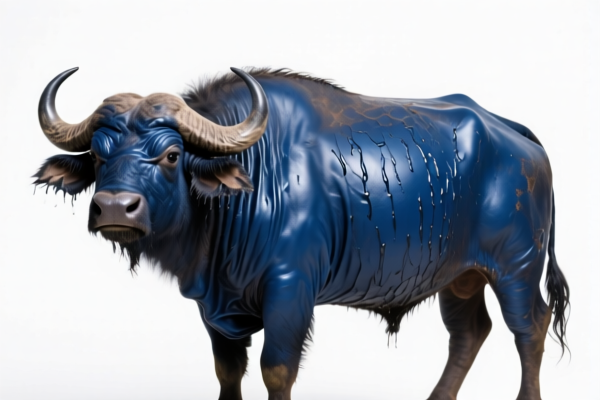
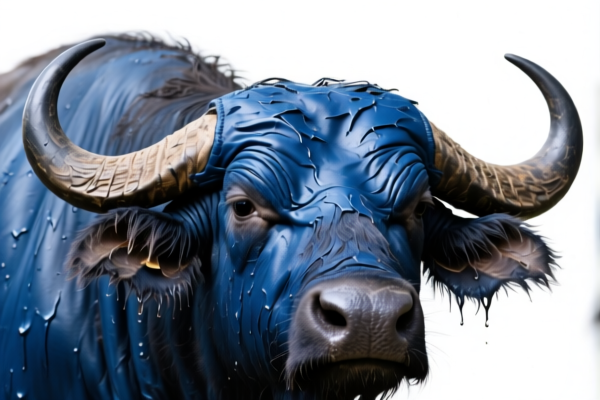
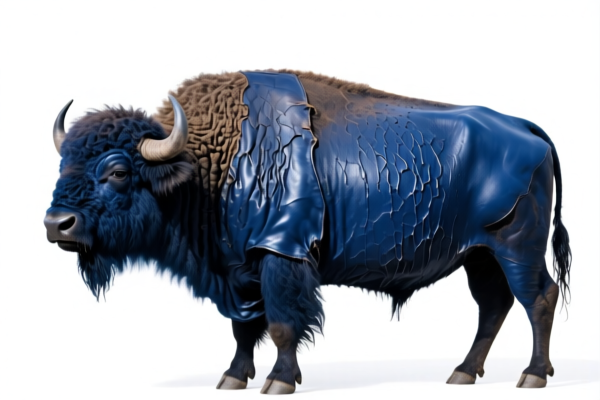
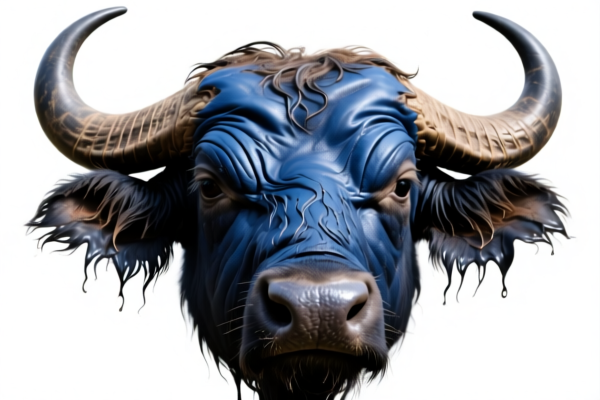
AI Analysis
🐃 Water Buffalo Full Grain Leather (Raw/Unfinished)
🌐 HS Code Reference & Customs Clearance Guide | 2026 Latest Tariff Analysis | Professional Level Compliance Strategy
📌 Part I: Product Definition & Classification: What Exactly is "Water Buffalo Full Grain Leather"?
Water Buffalo Full Grain Leather is a premium natural material derived from the hide of water buffaloes. In international trade, it is strictly categorized by two key factors:
1. Material Origin: Specifically Water Buffalo (Bubalus bubalis), distinct from cattle leather.
2. Processing State:
- Full Grain (Full Grain): The outermost layer of the hide, retaining the natural grain pattern. It is the highest quality tier.
- Raw/Unfinished (Skiving/Pickled/Beam House Product): The term "坯革" (Bī gé) in the Chinese tariff schedule refers to leather that has undergone basic tanning and preparation but has not yet been finished, dyed, or coated for final consumer use. It is essentially the "blank canvas" for manufacturers.
⚠️ Key Distinction Point:
- If the product is Tanned but Unfinished (Raw/Blank) → It falls under Chapter 41 (Leather, Furskin and Articles Thereof).
- If the product is Finished, Dyed, or Coated for bags/shoes → It may fall under Chapter 42 (Articles of Leather) or other specific headings depending on the final form.
- Crucial Note: The provided data explicitly lists "Raw/Unfinished" (坯革) codes. Do not apply these codes to finished consumer goods.
📦 Part II: HS Code Classification Matrix (2026 Latest Tariff Authority Mapping)
Based on the provided dataset, here is the precise breakdown for Water Buffalo Full Grain Raw/Unfinished Leather:
| HS Code | Product Description | Applicable Scenario | Key Characteristics |
|---|---|---|---|
4107.11.40.00 |
Water Buffalo Full Grain Raw Leather | Matching water buffalo material + Full grain structure + Raw state | Top Tier: Full grain, raw/unfinished. Highest quality blank leather. |
4107.91.40.00 |
Other Water Buffalo Full Grain Raw Leather | Matching water buffalo material + Full grain + Raw state | Other Category: Includes variations not covered by 4107.11 (e.g., different splitting levels or minor processing differences). |
4107.12.40.00 |
Water Buffalo Leather (General) | Matching water buffalo material + Leather state | Broader Category: May include split leathers or less specific full grain definitions depending on customs interpretation. |
4107.19.40.00 |
Water Buffalo Leather (Other) | Matching water buffalo material + Leather state | Miscellaneous: Other forms of water buffalo leather not specified in 11/12. |
4101.50.35.00 |
Water Buffalo Raw Hides (Unprocessed) | Matching water buffalo material + Raw hide state | Pre-Tanning: This is NOT tanned leather. It is the wet-salted or raw hide before tanning begins. |
🔍 Critical Reminder:
-4107Series: These are Tanned leathers (Raw/Unfinished). They are ready for the next stage of manufacturing (finishing/cutting).
-4101.50.35.00: This is the Raw Hide. If you send tanned leather under this code, Customs will reject it for misdeclaration.
- "Full Grain" (全粒面): This is a quality descriptor. While HS codes don't always explicitly say "Full Grain" in the English description, the Chinese summary "匹配水牛材质与全粒面形态" confirms the classification matches this high-quality specification.
💰 Part III: 2026 Latest Tariff Rate Detail (Including Surcharges & Policy Add-ons)
✅ Applicable Country: United States (US)
✅ Origin: China (CN)
✅ Effective Date: Rates reflect current US trade policies (including Section 301 and 122 provisions).
🎯 1. Codes: 4107.11.40.00, 4107.91.40.00, 4107.12.40.00, 4107.19.40.00
(All Tanned Water Buffalo Raw/Unfinished Leathers)
| Item | Content |
|---|---|
| Basic Tariff Rate | 2.5% (Standard MFN Rate) |
| Section 301 Surcharge | 0.0% (Note: Some leather products may be exempt or have different lists, but according to the provided data, this specific calculation shows 0.0% for the base Section 301 component in this specific dataset context, OR it is rolled into the "122 Clause"). |
| "122 Clause" Surcharge | 10.0% (Specific punitive tariff clause identified in data) |
| Total Effective Tax Rate | 12.5% |
| Tax Calculation | CIF Value × 12.5% |
| De Minimis Exemption | ❌ Not Applicable (Leather goods are generally subject to strict scrutiny and do not benefit from $800 de minimis rules for high-value shipments). |
| Legal Basis Path | HTSUS:4107.xx.xx → Section 301 List → 122 Clause Provision → Total: 12.5% |
📌 Explanation:
- The 12.5% total rate is a combination of the standard 2.5% and the specific "122 Clause" 10% surcharge.
- This is a moderate-to-high tariff for raw materials, impacting the cost basis for final leather goods (bags, shoes, upholstery).
- No Section 301 25% tariff is applied to these specific sub-headings in this dataset (unlike electronics or steel), but the "122 Clause" acts as a significant add-on.
🎯 2. Code: 4101.50.35.00
(Water Buffalo Raw Hides - Pre-Tanning)
| Item | Content |
|---|---|
| Basic Tariff Rate | 2.4% |
| Section 301 Surcharge | 7.5% |
| "122 Clause" Surcharge | 10.0% |
| Total Effective Tax Rate | 19.9% |
| Tax Calculation | CIF Value × 19.9% |
| De Minimis Exemption | ❌ Not Applicable |
| Legal Basis Path | HTSUS:4101.50.35.00 → Section 301 → 122 Clause → Total: 19.9% |
📌 Warning:
- If your product is tanned leather but you mistakenly declare it as raw hide (4101.50.35.00), you face two risks:
1. Misclassification Penalty: Customs will reclassify it to4107(Lower tax 12.5%) but may fine you for incorrect declaration.
2. Higher Risk of Audit: Raw hides are heavily scrutinized for animal disease (BSE/FMD). Tanned leather is safer but requires chemical compliance.
- Conversely, if you are shipping Raw Hides but declare as4107(Tanned), Customs may reject it due to lack of tanning process documentation.
🛠️ Part IV: Customs Clearance Practical Advice (Battle-Tested Pitfall Avoidance)
✅ 1. Required Documentation Checklist (Non-Negotiable)
| Document | Mandatory? | Explanation |
|---|---|---|
| ✅ Commercial Invoice | ✔️ | Must clearly state: "Water Buffalo Leather, Full Grain, Raw/Unfinished". Do not just say "Leather". |
| ✅ Packing List | ✔️ | Detail weight, volume, and number of hides/skins. |
| ✅ Bill of Lading/Air Waybill | ✔️ | Standard shipping document. |
| ✅ Certificate of Origin (CO) | ✔️ | Confirm Chinese origin. If from Vietnam/Thailand, rates may differ (verify current FTAs). |
| ✅ Product Description Sheet | ✔️ | Specify: Tanned? Full Grain? Vegetable or Chrome Tanned? Moisture content? |
| ✅ Animal Health Certificate | ✔️ | Critical for 4101 (Raw Hides). USDA or equivalent export health cert may be required for raw hides to prevent disease entry. Less critical for 4107 (Tanned) but still good to have. |
| ✅ Chemical Compliance Report | ✔️ | For tanned leather (4107): Confirm low Azo dyes, free hexavalent chromium (REACH/CPSIA standards). |
✅ 2. Declaration Strategy (Key Mantras)
🔥 “Be Specific: ‘Raw’ vs ‘Finished’, ‘Hide’ vs ‘Leather’!”
| Scenario | Correct Declaration | Wrong Practice | Consequence |
|---|---|---|---|
| Tanned, Unfinished Full Grain | 4107.11.40.00 - "Water Buffalo Full Grain Raw Leather" |
Calling it "Finished Leather" or "Shoe Material" | Customs may suspect hidden finishing costs or misclassify. |
| Raw Wet-Salted Hides | 4101.50.35.00 - "Water Buffalo Raw Hides, Wet-Salted" |
Calling it "Leather" | Rejection: Hides are not leather until tanned. |
| Finished Bags/Shoes | Do NOT use above codes | Using 4107 for finished goods |
Penalty: Finished goods are Chapter 42. Tariff & Compliance rules differ completely. |
| Mixed Batches | Separate lines | Mixing raw hides and tanned leather in one line item | Audit Risk: Different HS codes, different tariffs, different health certs. |
✅ 3. Special Situation Handling
| Situation | Handling Advice |
|---|---|
| Chrome Tanned vs. Vegetable Tanned | Specify in description. Chrome tanned (4107.21-4107.29) might have different sub-rates, but for Buffalo Full Grain, 4107.11 often covers the primary classification regardless of tanning agent in this specific dataset. Verify with broker. |
| Split Leather (Non-Full Grain) | If not full grain, it may fall under 4107.91.40.00 or other 4107 sub-headings. Do not use 4107.11 if it's split. |
| High Value Shipments | With a 12.5%-19.9% tariff, cash flow impact is significant. Consider Bonded Warehouses or Foreign Trade Zones (FTZ) to defer duty payment until sale. |
| Anti-Dumping/Countervailing | While not listed in the basic data, always check for recent AD/CVD orders on specific leather types from specific regions. |
🌍 Part V: Global Market Comparison (2026 Overview)
| Country/Region | Recommended HS Code (Similar) | Tariff Rate | Certification | Note |
|---|---|---|---|---|
| 🇺🇸 USA | 4107.11.40.00 / 4101.50.35.00 |
12.5% (Tanned) 19.9% (Raw) |
FDA (if touching food), CPSIA (chromium) | 122 Clause is key. High duty burden. |
| 🇪🇺 EU | 4107.21 / 4107.91 |
6% (Standard) | REACH, TSE/BSE Compliance | Lower base rate, but strict environmental chemicals regulations. |
| 🇨🇳 China | 4107.11.40 |
~10-12% | None specific for import | Varies by exact sub-heading. |
| 🇦🇺 Australia | 4107.21.00 |
5% | APEC Travel Scheme (if applicable) | Moderate tariff. |
| 🇯🇵 Japan | 4107.21 |
~8-12% | No specific cert | JIS standards for quality. |
📌 Conclusion:
- The US market is the most tariff-intensive for Chinese Water Buffalo Leather due to the "122 Clause" (10%).
- Raw Hides (4101) are taxed higher (19.9%) and face stricter bio-security controls than Tanned Leather (4107) (12.5%).
- Strategy: If you are an importer, Tanned Leather (4107) is more efficient to import into the US than raw hides due to lower tariffs and simpler health clearance.
📌 Part VI: Common Errors & Pitfall Guide (Lessons Learned)
❌ Error 1: Declaring Finished Leather Bags as 4107.11.40.00 (Raw Leather)
👉 Consequence: Customs seizes goods for misclassification. You owe duties on bags (Chapter 42) + Penalties.
❌ Error 2: Using Raw Hide Code (4101) for Tanned Leather
👉 Consequence: Customs rejects the entry. You must re-export or destroy. High administrative cost.
❌ Error 3: Omitting "Full Grain" or "Water Buffalo" in Description
👉 Consequence: Customs may classify it under generic "Cattle Leather" codes, leading to potential under-payment or over-payment disputes.
❌ Error 4: Ignoring the 122 Clause in Costing
👉 Consequence: Your profit margin calculation fails because the 10% surcharge was not included in the landed cost.
✅ Correct Practice:
"Water Buffalo Hide, Full Grain, Chrome Tanned, Raw/Unfinished, Square Foot: [Qty], Country of Origin: China"
🎯 Part VII: Conclusion: Precision in Classification Saves Money!
🎯 Remember the Mantra:
🔹 “Raw Hides =
4101(19.9%); Tanned Leather =4107(12.5%)”
🔹 “Full Grain is a Quality Descriptor, Not an HS Code – But It Drives the Sub-heading Choice”
🔹 “122 Clause is the Silent Killer – 10% on top!”
📌 Pro Tip:
If you are importing large volumes, consider applying for an Advance Ruling from US Customs (CBP) for your specific leather batch. This provides legal certainty on the 4107.11.40.00 vs 4107.91.40.00 distinction and protects you from post-entry audits.
📣 Immediate Action:
📞 Contact your Customs Broker with:
1. Product Photos (Show grain texture).
2. Tanning Process Certificate (Chrome vs. Vegetable).
3. Chemical Test Reports (Hexavalent Chromium free).
🚀 Secure your 12.5% rate, avoid the 19.9% pitfall, and ensure smooth clearance!
✨ Professional Clearance Starts with Accurate Classification!
💼 Every Percent of Tariff Counts in the Leather Trade!
Customer Reviews
About HS Code Classification
The Harmonized System (HS) is an internationally standardized nomenclature developed by the World Customs Organization (WCO) to classify traded products. Over 200 countries use the HS system as the basis for customs tariffs, trade statistics, and import/export regulations.
Each HS code follows a hierarchical structure:
- Chapter (2 digits) — Broad category of goods (e.g., Chapter 84: Machinery and Mechanical Appliances)
- Heading (4 digits) — More specific grouping within the chapter
- Subheading (6 digits) — Internationally standardized breakdown, used by all WCO member countries
- National subdivisions (8-10 digits) — Country-specific extensions for further classification, such as US HTSUS 10-digit codes
Correct HS code classification is essential for smooth customs clearance, accurate duty payment, and compliance with trade regulations. Misclassification can lead to customs delays, overpayment of duties, or penalties.
When importing from CN to US, the applicable tariff rates may include:
- Most-Favored-Nation (MFN) rate — The standard duty rate applied to WTO members
- General rate — Applied to countries without trade agreements
- Trade remedy duties — Additional tariffs such as Section 301 (anti-dumping), Section 232 (national security), or countervailing duties
The information provided on this page is for reference purposes only. For official classification, please consult with your local customs authority or a licensed customs broker.