Water Buffalo Leather Shoe Upper
CN → US| HS Code | Tariff Rate | Origin | Destination | Doc |
|---|---|---|---|---|
| 4104493060 | 12.4% | CN | US | Official Doc |
| 4107124000 | 12.5% | CN | US | Official Doc |
| 4107194000 | 12.5% | CN | US | Official Doc |
| 4101503500 | 19.9% | CN | US | Official Doc |
| 4101203500 | 19.9% | CN | US | Official Doc |
Product Images
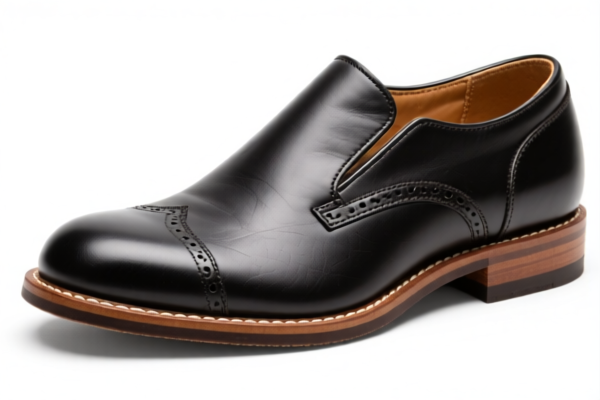
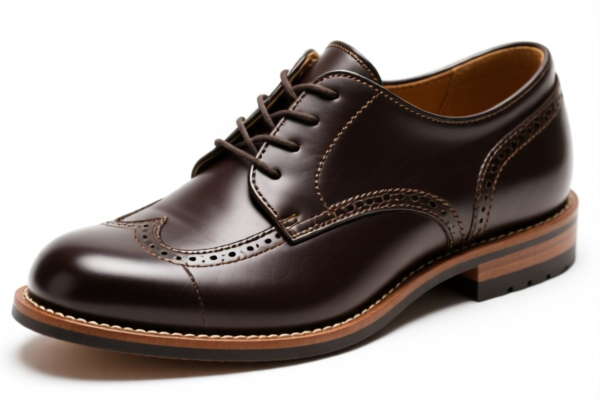
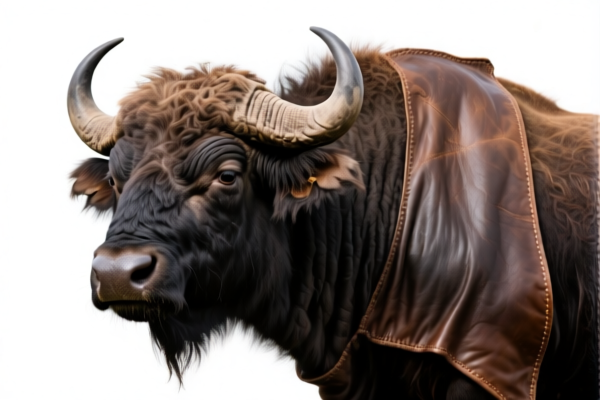
AI Analysis
👞 Water Buffalo Leather Shoe Upper
🌐 HS Code Reference & Customs Clearance Guide | 2026 Latest Tariff Analysis | Professional Strategy for Hides & Skins
📌 I. Product Definition & Classification: Is It a Raw Hide or a Finished Leather?
"Water Buffalo Leather Shoe Upper" (水牛皮鞋面革) is a specific term in the leather trade. The critical distinction for customs classification lies in the degree of processing and the specific form of the material.
- Raw Hides (4101): Unprocessed or only salted/dried skins, requiring tanning.
- Tanned Leather (4107): Processed through tanning, retaining the rawhide character but stabilized.
- Footwear Components vs. General Use: Customs often scrutinizes whether leather is specifically cut/shaped for shoe uppers or if it is general-purpose leather used for other goods (like bags or belts).
⚠️ Key Distinction Point:
- If the leather is specifically identified as a "Shoe Upper" component (cut/semi-finished for footwear), it may fall under specific sub-headings for footwear parts, but generally, raw leather materials are classified by their species and processing status under Chapter 41.
- Crucial Note: The provided data indicates that "Water Buffalo Leather" is classified based on whether it is Raw (4101) or Tanned/Processed (4107). The specific mention of "Shoe Upper" in the summary for4104.49.30.60suggests a specific classification for non-upper uses or specific component classifications, while4107codes apply to standard tanned leather. Let's analyze the specific HS Codes provided.
📦 II. HS Code Classification Details (Based on Provided Data)
| HS Code | Product Description | Application Scenario | Key Characteristics |
|---|---|---|---|
4104.49.30.60 |
Water Buffalo Material: For shoe soles or other non-upper leather uses | Specific footwear components (soles) or general leather not for uppers | 📝 Summary: Water buffalo material, classified for shoe soles or other non-upper leather uses. |
4107.12.40.00 |
Water Buffalo Leather: Fits definition of water buffalo material & leather form | Standard tanned water buffalo leather | 📝 Summary: Water buffalo leather, conforming to definitions of water buffalo material and leather form. |
4107.19.40.00 |
Water Buffalo Leather: Complete match for material & form | Tanned leather, other than specified in 4107.12 | 📝 Summary: Water buffalo leather, explicitly including material and form complete match. |
4101.50.35.00 |
Water Buffalo Raw Hides: Fits species & raw hide form | Un-tanned, salted, or fresh water buffalo hides | 📝 Summary: Water buffalo raw hides, conforming to water buffalo species and raw hide form requirements. |
4101.20.35.00 |
Water Buffalo Raw Hides: Fits species & raw hide material | Un-tanned water buffalo hides | 📝 Summary: Water buffalo raw hides, conforming to water buffalo species and raw hide material definitions. |
🔍 Important Note:
- The term "Shoe Upper" in the user prompt might suggest4107codes, as shoe uppers are typically made of tanned leather. However, the provided data includes4104.49.30.60with a summary mentioning "shoe soles or other non-upper leather uses." This implies that if the product is specifically a "Shoe Upper" made of tanned leather, it likely falls under 4107.12 or 4107.19.
- If the product is raw hide (before tanning), it falls under 4101.
- If the product is a finished component specifically for soles, it might be4104, but for "Uppers,"4107is the standard for tanned leather.
💰 III. 2026 Latest Tariff Rate Details (Including Additional Taxes)
✅ Applicable Country: United States (US)
✅ Origin: China (CN)
✅ Effective Date: Current data reflects 122 Section tariffs (likely referring to Section 301/122 equivalent or specific US-China trade measures).
🎯 1. Tanned Leather: 4107.12.40.00 & 4107.19.40.00
(Most likely for "Shoe Uppers" if tanned)
| Item | Content |
|---|---|
| Base Tariff Rate | 2.5% (ad valorem) |
| Additional Tariff | 0.0% |
| Section 122 Tariff | +10% |
| Total Effective Rate | 12.5% |
| Tax Calculation | CIF Value × 12.5% |
| Legal Basis | Base duty + 10% Additional Duty (Section 122/301 equivalent) |
📌 Explanation:
- Tanned water buffalo leather used for shoe uppers typically falls under Heading 4107.
- The total tax is 12.5%. This is a moderate tariff compared to raw hides.
🎯 2. Specific Use Component: 4104.49.30.60
(If classified as a specific component for soles/non-uppers)
| Item | Content |
|---|---|
| Base Tariff Rate | 2.4% (ad valorem) |
| Additional Tariff | 0.0% |
| Section 122 Tariff | +10% |
| Total Effective Rate | 12.4% |
| Tax Calculation | CIF Value × 12.4% |
| Legal Basis | Base duty + 10% Additional Duty (Section 122/301 equivalent) |
📌 Explanation:
- This code has a slightly lower total rate (12.4%) but is specified for "non-upper leather uses" or "shoe soles."
- Warning: If you declare "Shoe Upper" but use this code, customs may challenge the classification because the summary explicitly mentions "non-upper" uses. Use only if the product is technically a sole component or if the "upper" is classified under a different sub-heading not listed here.
🎯 3. Raw Hides: 4101.50.35.00 & 4101.20.35.00
(If the product is un-tanned skin)
| Item | Content |
|---|---|
| Base Tariff Rate | 2.4% (ad valorem) |
| Additional Tariff | 7.5% |
| Section 122 Tariff | +10% |
| Total Effective Rate | 19.9% |
| Tax Calculation | CIF Value × 19.9% |
| Legal Basis | Base duty + 7.5% Additional Tariff + 10% Section 122 Tariff |
📌 Explanation:
- Raw hides incur a significantly higher total tariff (19.9%).
- Critical: Do not classify tanned leather as raw hide to save money; this is a major red flag for customs audits.
🛠️ IV. Customs Clearance Practical Advice
✅ 1. Documentation Checklist
| Document | Required | Notes |
|---|---|---|
| ✅ Commercial Invoice | ✔️ | Must clearly state "Water Buffalo Leather," "Tanned," and "For Shoe Uppers." |
| ✅ Packing List | ✔️ | Specify quantity, weight, and dimensions. |
| ✅ Certificate of Origin (CO) | ✔️ | To prove origin from China (subject to tariffs). |
| ✅ Product Description | ✔️ | Detailed description: "Water Buffalo Cow Split Leather, Tanned, Dye Colored, For Shoe Upper." |
| ✅ Photos | ✔️ | Clear photos of the leather grain, back, and any markings. |
✅ 2. Classification Strategy
| Scenario | Correct HS Code | Reason |
|---|---|---|
| Tanned Leather for Uppers | 4107.12.40.00 or 4107.19.40.00 |
Tanned leather fits the "leather form" definition. Tax: 12.5%. |
| Raw/Salted Hides | 4101.20.35.00 or 4101.50.35.00 |
Unprocessed material. Tax: 19.9%. |
| Shoe Soles (Non-Upper) | 4104.49.30.60 |
If the product is specifically a sole component. Tax: 12.4%. |
🔥 "Upper vs. Sole, Tanned vs. Raw, Classify with Care, Avoid the Fine!"
✅ 3. Common Pitfalls
| Mistake | Consequence |
|---|---|
| Declaring Tanned Leather as Raw Hide | Overpaying tax (19.9% vs 12.5%). No benefit, just higher cost. |
| Declaring Raw Hide as Tanned Leather | High Risk. Customs will assess back taxes, penalties, and delay shipment. |
Misusing 4104.49.30.60 for Uppers |
If the code summary says "non-upper," using it for "uppers" may lead to classification disputes. |
| Ignoring Section 122/301 Tariffs | Failing to include the additional 10-17.5% tariffs leads to underpayment and penalties. |
🌍 V. Global Market Comparison (2026 Latest)
| Country/Region | Recommended HS Code | Tariff Rate | Notes |
|---|---|---|---|
| 🇺🇸 USA | 4107.12.40.00 |
12.5% | Includes 10% Additional Duty. |
| 🇪🇺 EU | 4107.12 | ~4.5% | Standard MFN rate, no additional duties. |
| 🇨🇳 China | 4107.12 | 10-12% | Import duty varies by exact type. |
| 🇬🇧 UK | 4107.12 | ~4.5% | Post-Brexit MFN rates. |
📌 Conclusion:
- The US is the most relevant market for this data due to the inclusion of "Section 122" tariffs (likely referencing Section 301 or similar US-China trade measures).
- For Shoe Uppers, ensure you classify as Tanned Leather (4107) unless it is a specific raw component.
📌 VI. Final Recommendation
- Confirm Processing Status: Is the leather Tanned or Raw?
- Tanned: Use
4107.12.40.00or4107.19.40.00(12.5% Total Tax). - Raw: Use
4101.20.35.00or4101.50.35.00(19.9% Total Tax).
- Tanned: Use
- Verify "Shoe Upper" vs. "Sole":
- If it is a Shoe Upper, stick to 4107.
- If it is a Sole or non-upper component, consider
4104.49.30.60(12.4% Total Tax).
- Prepare Documentation: Clearly describe the product as "Tanned Water Buffalo Leather for Shoe Uppers" to support the 4107 classification.
💡 Pro Tip: Always consult with a licensed customs broker to confirm the final classification, as minor differences in leather treatment can shift the HS Code.
✨ Accurate Classification Saves Money and Time!
💼 Ensure Your Leather Leather Leads to Smooth Clearance!
Customer Reviews
About HS Code Classification
The Harmonized System (HS) is an internationally standardized nomenclature developed by the World Customs Organization (WCO) to classify traded products. Over 200 countries use the HS system as the basis for customs tariffs, trade statistics, and import/export regulations.
Each HS code follows a hierarchical structure:
- Chapter (2 digits) — Broad category of goods (e.g., Chapter 84: Machinery and Mechanical Appliances)
- Heading (4 digits) — More specific grouping within the chapter
- Subheading (6 digits) — Internationally standardized breakdown, used by all WCO member countries
- National subdivisions (8-10 digits) — Country-specific extensions for further classification, such as US HTSUS 10-digit codes
Correct HS code classification is essential for smooth customs clearance, accurate duty payment, and compliance with trade regulations. Misclassification can lead to customs delays, overpayment of duties, or penalties.
When importing from CN to US, the applicable tariff rates may include:
- Most-Favored-Nation (MFN) rate — The standard duty rate applied to WTO members
- General rate — Applied to countries without trade agreements
- Trade remedy duties — Additional tariffs such as Section 301 (anti-dumping), Section 232 (national security), or countervailing duties
The information provided on this page is for reference purposes only. For official classification, please consult with your local customs authority or a licensed customs broker.