Water Buffalo Leather for Car Interior
CN → US| HS Code | Tariff Rate | Origin | Destination | Doc |
|---|---|---|---|---|
| 4104113060 | 12.4% | CN | US | Official Doc |
| 4107114000 | 12.5% | CN | US | Official Doc |
| 4107124000 | 12.5% | CN | US | Official Doc |
| 4104413060 | 12.4% | CN | US | Official Doc |
| 4106910000 | 38.3% | CN | US | Official Doc |
Product Images
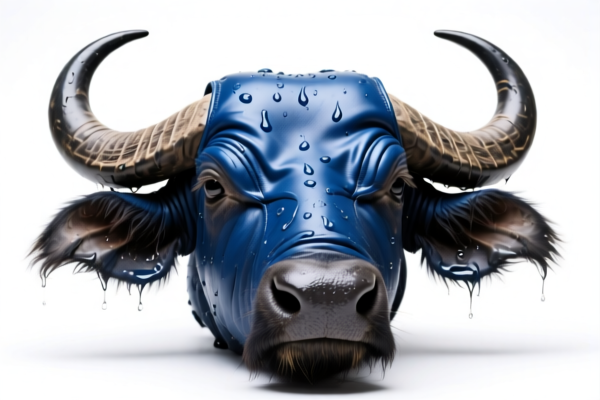
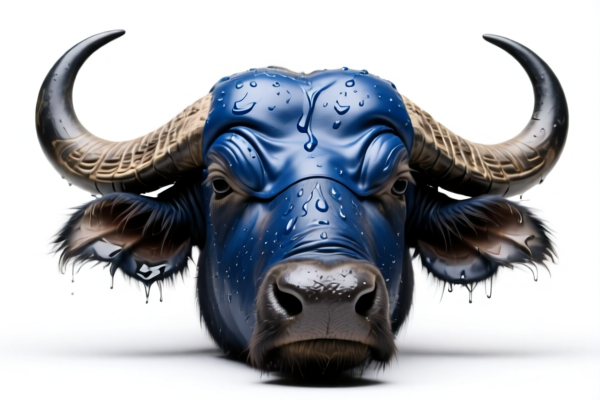
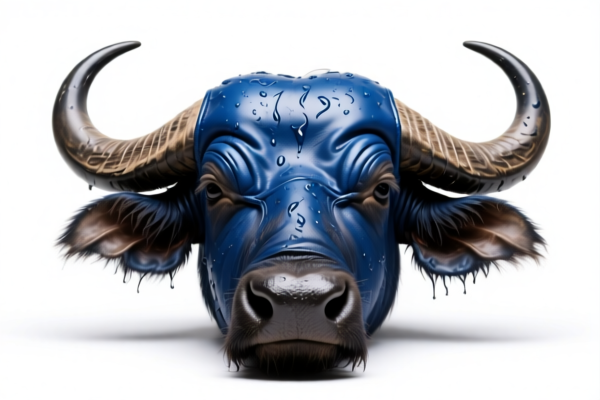
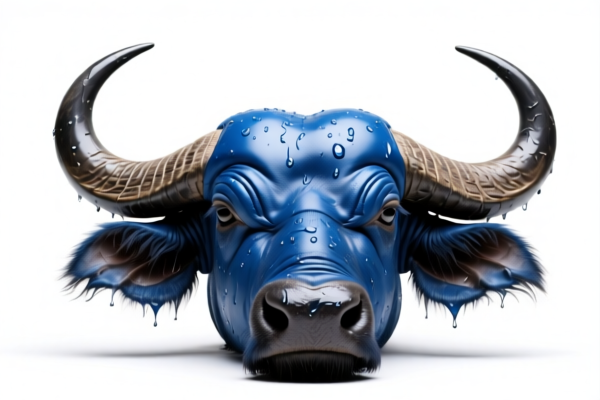
AI Analysis
🐃 Water Buffalo Leather for Car Interior
🚗 Premium Automotive Upholstery Material Classification & Clearance Guide
🌐 HS Code Reference & Customs Clearance Guide | 2026 Latest Tariff Analysis | Professional Compliance Strategy
📌 I. Product Definition & Classification: Understanding Automotive Tanned Hides
Water buffalo leather intended for automotive interiors falls under Chapter 41: Raw Hides and Skins; Leather. The classification hinges on two critical factors: 1. Processing State: Is it simply tanned (Chapter 4104) or further worked/prepared (Chapter 4107/4106)? 2. Animal Type: Specifically Water Buffalo or Horse skin.
⚠️ Key Distinction:
- Tanned but not further worked (e.g., basic curing, simple tanning) → Chapter 4104 or 4106.
- Further Worked (e.g., buffed, pigmented, coated, finished for upholstery) → Chapter 4107.
- Not Shoe Uppers: Must explicitly state "Not for shoe uppers" to avoid misclassification under 4104.11/4104.41.
📦 II. HS Code Classification Details (2026 Latest Tariff Authority Mapping)
Based on the provided data, here are the precise HS Codes for water buffalo/horse leather for car interiors:
| HS Code | Product Description | Processing State | Key Characteristics |
|---|---|---|---|
4104.11.30.60 |
Tanned water buffalo/horse leather, unsplit | Basic Tanning | Not for shoe uppers; suitable for automotive interior base |
4104.41.30.60 |
Tanned water buffalo/horse leather, split | Basic Tanning | Not for shoe uppers; split grain for upholstery |
4107.11.40.00 |
Further worked water buffalo/horse leather | Further Worked | Pigmented, coated, or finished for automotive use |
4107.12.40.00 |
Further worked water buffalo/horse leather | Further Worked | Specific processing state meeting automotive standards |
4106.91.00.00 |
Other tanned hides, not further worked | Crude Tanning | General other animal leather; basic tanning only |
🔍 Critical Note:
- Codes4104.11.30.60and4104.41.30.60are for tanned but not further worked leathers.
- Codes4107.11.40.00and4107.12.40.00are for further worked leathers (e.g., surface treatment for durability/color).
- Code4106.91.00.00is a residual category for other tanned hides not elsewhere specified, often carrying higher penalties.
💰 III. 2026 Latest Tariff Rate Breakdown (Including Surcharges)
✅ Applicable Country: United States (US)
✅ Origin: China (CN)
✅ Effective Date: Current tariffs apply (including Section 301 & 122)
🎯 1. Basic Tanned Leather (Chapters 4104)
Applicable HS Codes: 4104.11.30.60, 4104.41.30.60
| Item | Details |
|---|---|
| Base Tariff | 2.4% (Ad Valorem) |
| Section 301 Surcharge | 0.0% (Specific list exclusion or low-tier rate for this subheading) |
| Section 122 Tariff | +10% (Specific regulatory surcharge) |
| Total Effective Rate | 12.4% |
| Tax Calculation | CIF Value × 12.4% |
| De Minimis Exemption | ❌ Not Applicable (Commercial goods) |
📌 Explanation:
- The base tariff is low (2.4%), but the Section 122 surcharge of 10% significantly increases the cost.
- Note: These codes assume the leather is not further worked beyond basic tanning. If further worked, it moves to Chapter 4107.
🎯 2. Further Worked Leather (Chapter 4107)
Applicable HS Codes: 4107.11.40.00, 4107.12.40.00
| Item | Details |
|---|---|
| Base Tariff | 2.5% (Ad Valorem) |
| Section 301 Surcharge | 0.0% |
| Section 122 Tariff | +10% |
| Total Effective Rate | 12.5% |
| Tax Calculation | CIF Value × 12.5% |
| De Minimis Exemption | ❌ Not Applicable |
📌 Explanation:
- Slightly higher base tariff (2.5%) due to "further worked" status.
- The Section 122 surcharge remains 10%.
- Total: 12.5%. This is the typical rate for finished automotive leather (pigmented/coated).
🎯 3. Other Tanned Hides (Chapter 4106)
Applicable HS Code: 4106.91.00.00
| Item | Details |
|---|---|
| Base Tariff | 3.3% (Ad Valorem) |
| Section 301 Surcharge | +25.0% (High penalty tier) |
| Section 122 Tariff | +10% |
| Total Effective Rate | 38.3% |
| Tax Calculation | CIF Value × 38.3% |
| De Minimis Exemption | ❌ Not Applicable |
📌 Explanation:
- ⚠️ High Risk Category: This code applies if the leather is not further worked but does not fit the specific descriptions of 4104.11/4104.41 (e.g., if it’s not water buffalo/horse, or if it’s misclassified).
- The 25% Section 301 surcharge makes this code prohibitively expensive. Avoid this classification if possible.
🛠️ IV. Practical Customs Clearance Advice (Avoiding Pitfalls)
✅ 1. Required Documentation Checklist
| Document | Mandatory | Notes |
|---|---|---|
| ✅ Commercial Invoice | ✔️ | Must specify "Water Buffalo Leather for Automotive Interior" |
| ✅ Packing List | ✔️ | Detail number of hides/skins, weight, dimensions |
| ✅ Product Specification Sheet | ✔️ | Confirm tanning process (basic vs. further worked) |
| ✅ Certificate of Origin (CO) | ✔️ | Essential for tariff verification |
| ✅ Material Safety Data Sheet (MSDS) | ✔️ | If chemicals were used in tanning/finishing |
| ✅ Photographs | ✔️ | Show texture, finish, and labeling |
✅ 2. Declaration Best Practices
🔥 Golden Rule:
"Be precise on processing state. 'Further worked' means 12.5%, 'Basic tanning' means 12.4%, but 'Misclassified' means 38.3%!"
| Scenario | Correct HS Code | Reason |
|---|---|---|
| Basic Tanned, Unsplit | 4104.11.30.60 |
Not for shoe uppers; basic tanning |
| Basic Tanned, Split | 4104.41.30.60 |
Not for shoe uppers; split grain |
| Finished/Coated (Automotive) | 4107.11.40.00 or 4107.12.40.00 |
Further worked for interior use |
| Generic Tanned (Risk) | 4106.91.00.00 |
Only if it doesn’t fit 4104/4107; avoid! |
✅ 3. Special Cases & Tips
| Situation | Recommendation |
|---|---|
| OEM Custom Leather | Provide sample photos and finish specification to justify 4107 classification. |
| Leather with Padding/Lining | If combined with other materials (e.g., foam, fabric), consult HTS for Chapter 39 or 60. |
| Small Samples | Still subject to commercial tariffs; no de minimis exemption for leather. |
| Disputed Classification | File a Binding Ruling Request with CBP before shipment to lock in the 12.4%/12.5% rate. |
🌍 V. Global Market Comparison (2026)
| Country/Region | Recommended HS Code | Tariff Rate | Remarks |
|---|---|---|---|
| 🇺🇸 USA | 4107.11.40.00 |
12.5% | Includes Section 122 surcharge. High risk for 4106 (38.3%). |
| 🇨🇳 China | 4107.11.40.00 |
8.0% | Lower base tariff; no Section 301/122 for imports. |
| 🇪🇺 EU | 4107.11.40.00 |
6.5% | Standard MFN rate; no additional surcharges. |
| 🇬🇧 UK | 4107.11.40.00 |
6.5% | Post-Brexit tariff alignment with EU. |
📌 Conclusion:
- The USA has the highest complexity due to Section 122 and potential Section 301 surcharges.
- Proper classification is critical to avoid the 38.3% trap.
📌 VI. Common Mistakes & Pitfalls (Lessons Learned)
❌ Mistake 1: Classifying finished automotive leather as 4106.91.00.00
👉 Consequence: 38.3% tariff instead of 12.5% → Extra cost of ~25.8% on CIF value.
❌ Mistake 2: Not specifying "Not for Shoe Uppers" in 4104 codes
👉 Consequence: Customs may reject the classification or demand additional proof → Delay & Inspection.
❌ Mistake 3: Using generic "Leather" in description
👉 Consequence: Customs may assign the highest duty rate of the similar goods → Risk of Audit.
✅ Correct Description Example:
"Water Buffalo Tanned Leather, Further Worked, Pigmented Finish, Specifically for Automotive Interior Upholstery, Not for Shoe Uppers. HS Code: 4107.11.40.00"
🎯 VII. Conclusion: Professional Clearance for Cost Efficiency
🎯 Remember the Tariff Formula:
🔹 Basic Tanning: 2.4% + 10% (Sec 122) = 12.4%
🔹 Further Worked: 2.5% + 10% (Sec 122) = 12.5%
🔹 Misclassified: 3.3% + 25% (Sec 301) + 10% (Sec 122) = 38.3%📌 Actionable Tip:
- Always provide finish specifications (e.g., "pigmented," "aniline") to justify Chapter 4107.
- If unsure, apply for a Pre-Ruling from CBP to secure the 12.5% rate.
- Never use4106.91.00.00for standard automotive leather unless it genuinely doesn’t fit other categories.
📣 Immediate Action:
📞 Engage a Customs Broker to verify the "further worked" status.
🚀 Prepare Technical Data Sheets to support the 12.5% classification.
💼 Your Profit Margin Depends on Precision!
✨ Professional Clearance Starts with Accurate Classification!
💼 Every Percent Saved is Pure Profit!
Customer Reviews
About HS Code Classification
The Harmonized System (HS) is an internationally standardized nomenclature developed by the World Customs Organization (WCO) to classify traded products. Over 200 countries use the HS system as the basis for customs tariffs, trade statistics, and import/export regulations.
Each HS code follows a hierarchical structure:
- Chapter (2 digits) — Broad category of goods (e.g., Chapter 84: Machinery and Mechanical Appliances)
- Heading (4 digits) — More specific grouping within the chapter
- Subheading (6 digits) — Internationally standardized breakdown, used by all WCO member countries
- National subdivisions (8-10 digits) — Country-specific extensions for further classification, such as US HTSUS 10-digit codes
Correct HS code classification is essential for smooth customs clearance, accurate duty payment, and compliance with trade regulations. Misclassification can lead to customs delays, overpayment of duties, or penalties.
When importing from CN to US, the applicable tariff rates may include:
- Most-Favored-Nation (MFN) rate — The standard duty rate applied to WTO members
- General rate — Applied to countries without trade agreements
- Trade remedy duties — Additional tariffs such as Section 301 (anti-dumping), Section 232 (national security), or countervailing duties
The information provided on this page is for reference purposes only. For official classification, please consult with your local customs authority or a licensed customs broker.