Water Pad
CN → US| HS Code | Tariff Rate | Origin | Destination | Doc |
|---|---|---|---|---|
| 4602191800 | 39.5% | CN | US | Official Doc |
| 4602198000 | 37.3% | CN | US | Official Doc |
| 6304993500 | 28.8% | CN | US | Official Doc |
| 6304996040 | 20.7% | CN | US | Official Doc |
| 4016910000 | 37.7% | CN | US | Official Doc |
Product Images
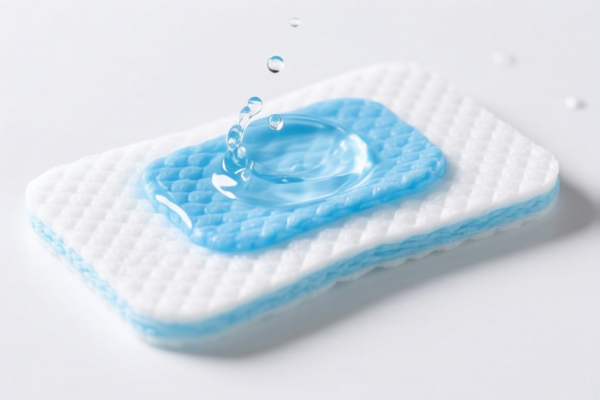


AI Analysis
🌿 Water Hyacinth Mat (Water Pad)
🌐 HS Code Reference & Customs Clearance Guide | 2026 Latest Tariff Analysis | Professional Clearance Strategy
📌 I. Product Definition & Classification: Do You Really Understand "Water Pad"?
The "Water Pad" (typically made from Water Hyacinth or other aquatic plants) is a popular eco-friendly home decor item. In international trade, its classification depends heavily on the material composition (woven vs. non-woven/processed) and end-use (furniture accessory vs. textile).
⚠️ Key Distinction Point:
- If it is a woven basket/mat structure using plant stems → Chapter 46 (Woven materials);
- If it is a textile/fabric mat or furniture accessory made of fibers → Chapter 63 (Other made-up textile articles);
- If it is a rubber/synthetic bath mat (misnamed or composite) → Chapter 40 (Rubber).
📦 II. HS Code Classification Details (2026 Latest Tariff Authority对照)
Based on the provided data, here are the specific classifications for "Water Pads":
| HS Code | Product Description | Material Type | Tax Rate (Total) |
|---|---|---|---|
4602.19.18.00 |
Water Hyacinth Mat, Woven Articles of Plant Materials | Woven Plant Material | 39.5% |
4602.19.80.00 |
Water Hyacinth Mat, Woven Articles of Plant Materials (Other) | Woven Plant Material | 37.3% |
6304.99.35.00 |
Water Hyacinth Mat, Furniture Accessories of Plant Fibers | Plant Fiber (Furniture Accessory) | 28.8% |
6304.99.60.40 |
Water Hyacinth Mat, Household Textiles of Natural Fibers | Natural Fiber (Textile) | 20.7% |
4016.91.00.00 |
Bath Mat, Vulcanized Rubber or Non-Slip Material | Rubber/Synthetic | 37.7% |
🔍 Critical Note:
- Chapter 46 applies to products that retain their woven structure (like baskets or mats).
- Chapter 63 applies to products classified as textiles or furniture accessories (e.g., padded mats, fabric-backed items).
- Chapter 40 is included here likely for composite mats (e.g., water hyacinth top + rubber bottom) or misclassified rubber bath mats.
💰 III. 2026 Latest Tariff Rate Detailed Breakdown (Including Surcharges & Policy Add-ons)
✅ Applicable Country: United States (US)
✅ Origin: China (CN)
✅ Effective Time: 2025+ (Including subsequent imports)
🎯 1. 4602.19.18.00 —— Water Hyacinth Mat, Woven Plant Material
| Item | Details |
|---|---|
| Base Tariff | 4.5% |
| Section 301 Surcharge | +25.0% (Trade Remedy) |
| Section 122 Surcharge | +10.0% (Specific Duty) |
| Total Rate | 39.5% |
| Tax Calculation | CIF Value × 39.5% |
| De Minimis Exemption | ❌ Not Eligible (High tariff blocks de minimis benefits in many contexts) |
| Legal Basis | Base Tariff + Trade Remedy Footnote + Section 122 Footnote |
📌 Explanation:
- This code classifies woven water hyacinth items.
- The 25% Section 301 tariff and 10% Section 122 tariff are heavily applied to Chinese-origin woven plant products.
- Total 39.5% is a high-cost scenario. Cost control must be built into the FOB price.
🎯 2. 4602.19.80.00 —— Other Woven Plant Materials
| Item | Details |
|---|---|
| Base Tariff | 2.3% |
| Section 301 Surcharge | +25.0% |
| Section 122 Surcharge | +10.0% |
| Total Rate | 37.3% |
| Tax Calculation | CIF Value × 37.3% |
| De Minimis Exemption | ❌ Not Eligible |
📌 Note:
- Slightly lower base rate (2.3% vs 4.5%) than18.00, but still subject to the same surcharges.
- Use this code if the product does not fit the specific description of18.00but is still a woven plant article.
🎯 3. 6304.99.35.00 —— Furniture Accessories of Plant Fibers
| Item | Details |
|---|---|
| Base Tariff | 11.3% |
| Section 301 Surcharge | +7.5% |
| Section 122 Surcharge | +10.0% |
| Total Rate | 28.8% |
| Tax Calculation | CIF Value × 28.8% |
| De Minimis Exemption | ⚠️ Check Eligibility (Lower total tax may allow de minimis depending on value, but surcharges often block it) |
📌 Explanation:
- Significant Cost Savings: Total tax is 10.7% lower than the woven category (4602.19.18.00).
- Why?: The Section 301 surcharge is reduced to 7.5% (likely under a different sub-category or exemption path for furniture accessories).
- Strategy: If the mat is used as a furniture accessory (e.g., cushion cover, table pad), consider declaring under Chapter 63 to save tax.
🎯 4. 6304.99.60.40 —— Household Textiles of Natural Fibers
| Item | Details |
|---|---|
| Base Tariff | 3.2% |
| Section 301 Surcharge | +7.5% |
| Section 122 Surcharge | +10.0% |
| Total Rate | 20.7% |
| Tax Calculation | CIF Value × 20.7% |
| De Minimis Exemption | ⚠️ Check Eligibility (Lowest total tax, best candidate for de minimis if under $800) |
📌 Explanation:
- Best Tax Scenario: 20.7% is the lowest rate in the list.
- Condition: The product must be clearly defined as a household textile (e.g., fabric-backed mat, woven fabric used as a textile item) rather than a rigid woven basket/mat.
- Strategy: Highly Recommended if the product structure allows. Ensure the product description emphasizes "Textile" and "Household Use" over "Woven Basketwork."
🎯 5. 4016.91.00.00 —— Bath Mat, Vulcanized Rubber
| Item | Details |
|---|---|
| Base Tariff | 2.7% |
| Section 301 Surcharge | +25.0% |
| Section 122 Surcharge | +10.0% |
| Total Rate | 37.7% |
| Tax Calculation | CIF Value × 37.7% |
| De Minimis Exemption | ❌ Not Eligible |
📌 Note:
- This code is for rubber mats. If your "Water Pad" is a hybrid (water hyacinth + rubber backing), you might be forced into this category if the rubber is the essential character.
- However, if it's a pure plant mat, DO NOT use this code. It is 37.7%, much higher than the textile options (20.7%or28.8%).
🛠️ IV. Customs Clearance Practical Advice (Real-World Pitfall Guide)
✅ 1. Preparation Checklist (Essential Documents)
| Document | Required | Explanation |
|---|---|---|
| ✅ Product Composition Statement | ✔️ | Clearly state: "100% Water Hyacinth Fiber" or "70% Plant Fiber + 30% Cotton Backing." Crucial for distinguishing Chapter 46 vs. 63. |
| ✅ Product Photos | ✔️ | Show texture, flexibility, and backing (if any). Rigid woven items → Ch 46; Soft/textile items → Ch 63. |
| ✅ Commercial Invoice | ✔️ | Describe as "Woven Plant Mat" (for 46xx) or "Textile Floor Mat" (for 63xx). Do not just write "Pad." |
| ✅ Packing List | ✔️ | Match invoice exactly. |
| ✅ Origin Certificate | ✔️ | To prove CN origin and apply specific tariffs. |
✅ 2. Declaration Strategy (Key Mnemonic)
🔥 “Weave Hard → 46%; Soft Textile → 20%; Furniture → 28%!”
| Scenario | Correct HS Code | Tax Rate | Wrong Action |
|---|---|---|---|
| Rigid, Woven Basket-like Mat | 4602.19.18.00 or 80.00 |
~37-39% | Misdeclare as textile → Audit Risk |
| Soft, Textile-backed Mat | 6304.99.60.40 |
20.7% | Misdeclare as woven → Overpay 17% tax |
| Furniture Accessory (e.g., Table Pad) | 6304.99.35.00 |
28.8% | Misdeclare as textile → Slightly overpay |
| Rubber-bottomed Bath Mat | 4016.91.00.00 |
37.7% | Misdeclare as plant → Misclassification |
✅ 3. Special Situations
| Situation | Handling Advice |
|---|---|
| Hybrid Material (Plant + Rubber) | If rubber is the essential character, use 4016.91.00.00. If plant is dominant, use 4602 or 6304. Provide a Bill of Materials (BOM). |
| De Minimis (Section 321) | Codes 6304.99.60.40 (20.7%) and 6304.99.35.00 (28.8%) have lower total taxes, making them more likely to benefit from de minimis exemptions if the value is low (<$800). Codes with 37%+ are often blocked by high duties. |
| Product Name | Use "Water Hyacinth Textile Mat" for 6304 codes. Use "Water Hyacinth Woven Mat" for 4602 codes. Consistency is key. |
🌍 V. Global Market Clearance Comparison (2026 Latest)
| Country/Region | Recommended HS Code | Total Tax (China Origin) | Key Requirement | Note |
|---|---|---|---|---|
| 🇺🇸 USA | 6304.99.60.40 |
20.7% | None | Lowest Tax. Best for textiles. |
| 🇪🇺 EU | 4602.19 |
~5-10% (No US Surcharge) | CE/RoHS (if relevant) | No Section 301/122 tariffs. |
| 🇨🇳 China | 4602.19 / 6304.99 |
5-10% (Import Duty) | CCC (if applicable) | Domestic duty is low. |
📌 Conclusion:
- USA is the only market with severe surcharges (Section 301 & 122).
- Choosing6304.99.60.40(20.7%) over4602.19.18.00(39.5%) saves nearly 20% in taxes!
- Recommendation: If your product can be classified as a textile/household item (soft, flexible), always use Chapter 63 for US imports.
📌 VI. Common Errors & Pitfalls (Blood & Tears Lessons)
❌ Error 1: Declaring a soft textile mat as a woven basket (4602)
👉 Consequence: Pay 39.5% instead of 20.7%. Loss: 18.8% of value!
❌ Error 2: Declaring a rigid woven mat as a textile (6304)
👉 Consequence: Customs rejection, audit, fines, and shipment delay.
❌ Error 3: Using vague terms like "Natural Mat" on the invoice
👉 Consequence: Customs cannot determine the correct chapter. Hold for inspection.
❌ Error 4: Ignoring Section 122
👉 Consequence: The 10% surcharge applies to all these categories for Chinese origin. Do not forget it in cost calculations.
✅ Correct Approach:
“Water Hyacinth Textile Floor Mat, 2x3ft, Cotton Backed, Model XYZ” →
6304.99.60.40
“Water Hyacinth Woven Basket Mat, Hard Structure, Model XYZ” →4602.19.18.00
🎯 VII. Conclusion: Precise Classification Saves Money!
🎯 Remember the Mnemonic:
🔹 “Textile is King! (20.7%)”
🔹 “Furniture is Queen! (28.8%)”
🔹 “Woven is Expensive! (37-39%)”
🔹 “Rubber is Middle! (37.7%)”
📌 Action Item:
1. Test your product: Is it soft/flexible (Textile) or rigid (Woven)?
2. Choose 6304.99.60.40 if it’s a soft, household textile mat to save 18.8% in taxes.
3. Document everything: Provide photos and material breakdowns to support the 6304 classification.
📣 Immediate Action:
📞 Consult your freight forwarder to confirm the physical characteristics of your product.
📝 Update your Product Description to match the tax-efficient HS Code.
🚀 Optimize your supply chain to navigate US tariffs effectively!
✨ Professional Clearance Starts with Precise Classification!
💼 Every Percent of Tax Saved is Pure Profit!
Customer Reviews
About HS Code Classification
The Harmonized System (HS) is an internationally standardized nomenclature developed by the World Customs Organization (WCO) to classify traded products. Over 200 countries use the HS system as the basis for customs tariffs, trade statistics, and import/export regulations.
Each HS code follows a hierarchical structure:
- Chapter (2 digits) — Broad category of goods (e.g., Chapter 84: Machinery and Mechanical Appliances)
- Heading (4 digits) — More specific grouping within the chapter
- Subheading (6 digits) — Internationally standardized breakdown, used by all WCO member countries
- National subdivisions (8-10 digits) — Country-specific extensions for further classification, such as US HTSUS 10-digit codes
Correct HS code classification is essential for smooth customs clearance, accurate duty payment, and compliance with trade regulations. Misclassification can lead to customs delays, overpayment of duties, or penalties.
When importing from CN to US, the applicable tariff rates may include:
- Most-Favored-Nation (MFN) rate — The standard duty rate applied to WTO members
- General rate — Applied to countries without trade agreements
- Trade remedy duties — Additional tariffs such as Section 301 (anti-dumping), Section 232 (national security), or countervailing duties
The information provided on this page is for reference purposes only. For official classification, please consult with your local customs authority or a licensed customs broker.