Water Pipe Nozzle
CN → US| HS Code | Tariff Rate | Origin | Destination | Doc |
|---|---|---|---|---|
| 8424909080 | 85.0% | CN | US | Official Doc |
| 7326908688 | 87.9% | CN | US | Official Doc |
| 3926909987 | 22.8% | CN | US | Official Doc |
| 3926909905 | 22.8% | CN | US | Official Doc |
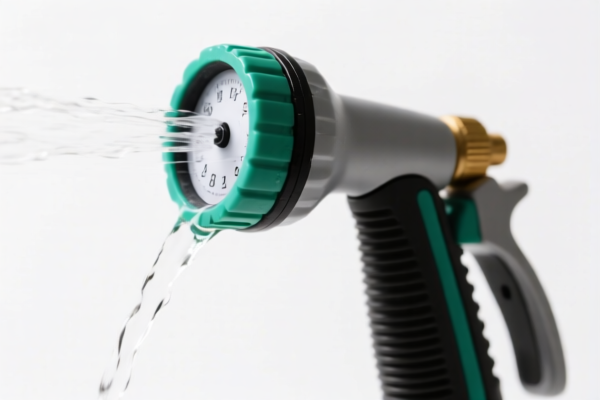
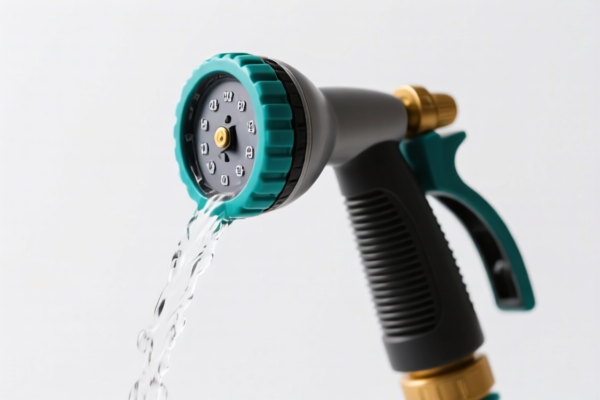
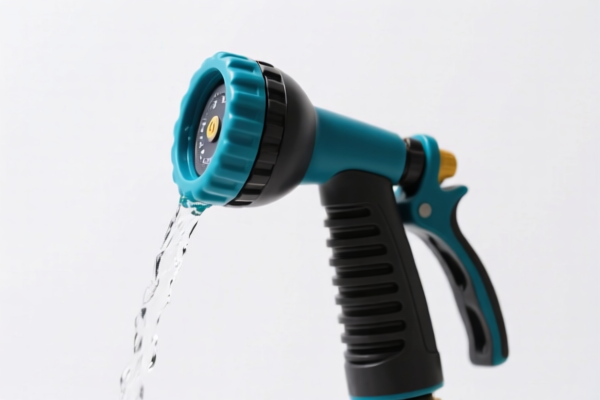
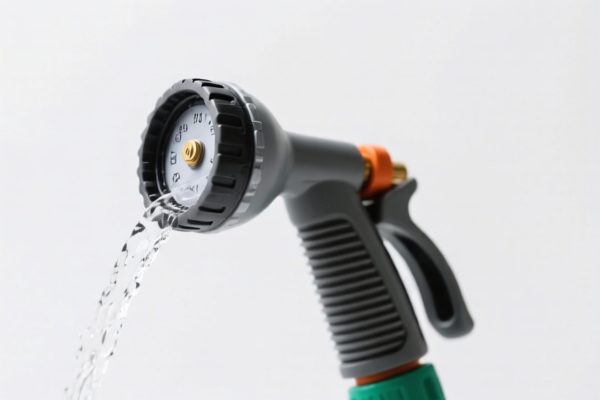
Product Images
AI Analysis
💦 Water Pipe Nozzle (Spray Nozzles & Fittings)
🌐 HS Code Reference & Customs Clearance Guide | 2026 Latest Tariff Analysis | Professional Clearance Strategy
📌 1. Product Definition & Classification: What Exactly Is a "Nozzle"?
A Water Pipe Nozzle is a device attached to the end of a hose, pipe, or gun that controls the flow, pattern, and pressure of water. In international trade, classification depends heavily on material and function.
Key Distinctions:
- Mechanical/Functional Nozzles: Used for spraying, cleaning, or irrigation (often metal or durable plastic). May fall under machinery parts or plastic articles.
- Plastic Fittings/Accessories: Simple connectors or spray heads made primarily of plastic.
- Metal Fittings/Accessories: Brass, steel, or aluminum nozzles often classified under metal articles if they are simple connectors.
⚠️ Critical Decision Point:
- If the nozzle is a mechanical component of a spraying machine (e.g., agricultural sprayer, high-pressure cleaner) → Check Chapter 84 (Machinery).
- If it is a plastic accessory (hose nozzle, garden sprayer) → Check Chapter 39 (Plastics).
- If it is a metal fitting (threaded connector, brass tip) → Check Chapter 73 (Iron/Steel).
📦 2. HS Code Classification Details (Based on Provided Data)
| HS Code | Product Description | Classification Logic | Material/Function |
|---|---|---|---|
| 8424.90.90.80 | Parts of mechanical appliances for projecting, dispersing or spraying liquids or powders | Classified as a part of a spraying machine. Assumes no material conflict; inferred as metal/plastic mechanical component. | Mechanical Part |
| 7326.90.86.88 | Other articles of iron or steel | Classified as a metal article. Inferred material is iron/steel. Shape fits "other" category for metal tubes/fittings. | Iron/Steel |
| 3926.90.99.87 | Other articles of plastic | Classified as a plastic article. Inferred material is plastic. Fits "pipes/tubes" logic for plastic fittings/nozzles. | Plastic |
| 3926.90.99.05 | Other articles of plastic (Suits/Nozzle Sets) | Classified as plastic parts/accessories. Inferred material is plastic or metal (no conflict). General "other" category for plastic items. | Plastic |
🔍 Key Insight:
- 8424.90.90.80 is the most functional fit if the nozzle is part of a mechanical spraying system.
- 3926 codes are best for plastic garden/household nozzles.
- 7326.90.86.88 is for metal nozzles (e.g., industrial steel tips).
💰 3. 2026 Latest Tariff Rate Breakdown (USA Import from China)
✅ Country of Origin: United States (US)
✅ Origin: China (CN)
✅ Effective Date: Current rates apply (Includes 301, IEEPA, and Section 232 tariffs)
🎯 1. 8424.90.90.80 – Parts of Spraying Machinery
| Item | Details |
|---|---|
| Base Tariff | 0.0% |
| Section 301 Tariff | +25.0% |
| Section 232 Tariff | +50.0% (Note: Applies if material is inferred as Steel/Aluminum/Copper. If plastic, this may not apply, but data assumes conflict.) |
| IEEPA Tariff | +10.0% |
| Total Effective Rate | 85.0% |
| Calculation | CIF Value × 85.0% |
| De Minimis Exemption | ❌ Not Allowed (High combined tariff disqualifies de minimis) |
| Legal Basis | USITC:8424.90.90.80 → Footnote: 9903.88.01 → IEEPA:9903.01.25 → Section 232 |
📌 Explanation:
- This is a very high tariff scenario.
- The 50% Section 232 tariff is applied because the summary assumes the material is metal (steel/aluminum/copper), which triggers steel/aluminum tariffs.
- Total 85% makes this entry extremely costly.
🎯 2. 7326.90.86.88 – Other Iron/Steel Articles
| Item | Details |
|---|---|
| Base Tariff | 2.9% |
| Section 301 Tariff | +25.0% |
| Section 232 Tariff | +50.0% (Applicable to Steel) |
| IEEPA Tariff | +10.0% |
| Total Effective Rate | 87.9% |
| Calculation | CIF Value × 87.9% |
| De Minimis Exemption | ❌ Not Allowed |
| Legal Basis | USITC:7326.90.86.88 → Section 232 → IEEPA → Section 301 |
📌 Explanation:
- Steel nozzles face Section 232 (50%) + Section 301 (25%) + IEEPA (10%) + Base (2.9%).
- Highest tax bracket among all options. Avoid if possible.
🎯 3. 3926.90.99.87 – Other Plastic Articles
| Item | Details |
|---|---|
| Base Tariff | 5.3% |
| Section 301 Tariff | +7.5% |
| IEEPA Tariff | +10.0% |
| Section 232 Tariff | 0% (Plastics are not subject to steel/aluminum tariffs) |
| Total Effective Rate | 22.8% |
| Calculation | CIF Value × 22.8% |
| De Minimis Exemption | ❌ Not Allowed (Still high, but significantly lower than metal) |
| Legal Basis | USITC:3926.90.99.87 → IEEPA → Section 301 |
📌 Explanation:
- Plastic nozzles avoid the heavy Section 232 steel tariffs.
- Total 22.8% is significantly more favorable than metal options.
🎯 4. 3926.90.99.05 – Other Plastic Articles (Suits/Nozzle Sets)
| Item | Details |
|---|---|
| Base Tariff | 5.3% |
| Section 301 Tariff | +7.5% |
| IEEPA Tariff | +10.0% |
| Total Effective Rate | 22.8% |
| Calculation | CIF Value × 22.8% |
| De Minimis Exemption | ❌ Not Allowed |
| Legal Basis | Same as above |
📌 Explanation:
- Identical tax treatment to3926.90.99.87.
- Suitable for plastic nozzle sets or general plastic accessories.
🛠️ 4. Customs Clearance Practical Advice
✅ 1. Material Matters: Plastic vs. Metal
| Material | Recommended HS Code | Total Tax | Strategy |
|---|---|---|---|
| Plastic | 3926.90.99.87 / 05 |
22.8% | ✅ Best Option. Avoids Section 232 steel tariffs. |
| Metal (Steel/Aluminum) | 8424.90.90.80 / 7326.90.86.88 |
85.0% - 87.9% | ⚠️ Avoid if possible. High cost. Only use if functionality strictly requires metal. |
💡 Pro Tip:
If your nozzle is plastic, always declare it as Chapter 39 (Plastics). If it has metal parts (e.g., brass tip), consult a customs broker on whether the metal content triggers Section 232. If the plastic content is dominant, argue for plastic classification.
✅ 2. Documentation Checklist
| Document | Required? | Notes |
|---|---|---|
| Product Specification Sheet | ✅ Yes | Must specify material (Plastic, Steel, Brass, etc.). |
| Commercial Invoice | ✅ Yes | Clearly state "Water Pipe Nozzle" or "Spray Nozzle." |
| Material Declaration | ✅ Yes | Explicitly declare "Made of Plastic" or "Made of Steel." |
| Product Photos | ✅ Yes | Show nozzle threads, shape, and any brand markings. |
| Packing List | ✅ Yes | Ensure no mixed shipments of metal and plastic parts that could confuse customs. |
✅ 3. Common Mistakes & Pitfalls
❌ Mistake 1: Declaring a plastic nozzle as metal (7326).
👉 Consequence: Unnecessary Section 232 (50%) tariff added. Total tax jumps from 22.8% to 87.9%.
❌ Mistake 2: Declaring a mechanical spraying part as plastic when it is metal.
👉 Consequence: Customs may reclassify it, leading to back taxes + penalties.
❌ Mistake 3: Ignoring Section 301 and IEEPA.
👉 Consequence: Underpaying tariffs. All China-origin goods face 301 (7.5-25%) and IEEPA (10%) on top of base rates.
✅ Correct Approach:
- Plastic Nozzles: Use
3926.90.99.87or05. Tax: 22.8%.- Metal Nozzles: Use
8424.90.90.80or7326.90.86.88. Tax: 85%+.- Always declare material accurately on the invoice and packing list.
🌍 5. Global Market Comparison (2026)
| Market | Recommended HS Code | Approx. Total Tax (China Origin) | Notes |
|---|---|---|---|
| 🇺🇸 USA | 3926.90.99.87 |
22.8% | High taxes on metal (85%+). Plastic is favorable. |
| 🇨🇳 China | 3926.90.99.87 |
~5-10% | Lower base rates. No Section 301/IEEPA/232. |
| 🇪🇺 EU | 3926.90.99.87 |
~2-4% | No steel tariffs (only counteracting duties if applicable). |
| 🇬🇧 UK | 3926.90.99.87 |
~2-4% | Post-Brexit, similar to EU. |
📌 Conclusion:
- USA is the most challenging market for China-origin nozzles due to Section 301, IEEPA, and 232 tariffs.
- Plastic nozzles are significantly cheaper to import into the US than metal nozzles.
📌 6. Final Recommendations
- Switch to Plastic if Possible: If your product allows, use high-quality plastic to qualify for
3926classification and 22.8% tax instead of 85%+. - Precise Material Declaration: Ensure your invoice clearly states "Plastic" or "Steel." Misdeclaration leads to fines.
- Pre-Ruling Application: For high-value shipments, apply for an US Customs Pre-Ruling to confirm HS Code classification.
- Segmented Shipping: If you have mixed metal/plastic parts, consider shipping them separately to optimize tax treatment (consult a customs broker).
🎯 Remember:
🔹 "Plastic is King, Metal is Costly"
🔹 "22.8% vs 85.0%: Material Choice Determines Profit"
🔹 "Declare Material Clearly: Avoid Section 232 Traps"
✨ Professional Clearance Starts with Accurate Classification!
💼 Save Cost, Avoid Delays, Clear Customs Smoothly!
Customer Reviews
About HS Code Classification
The Harmonized System (HS) is an internationally standardized nomenclature developed by the World Customs Organization (WCO) to classify traded products. Over 200 countries use the HS system as the basis for customs tariffs, trade statistics, and import/export regulations.
Each HS code follows a hierarchical structure:
- Chapter (2 digits) — Broad category of goods (e.g., Chapter 84: Machinery and Mechanical Appliances)
- Heading (4 digits) — More specific grouping within the chapter
- Subheading (6 digits) — Internationally standardized breakdown, used by all WCO member countries
- National subdivisions (8-10 digits) — Country-specific extensions for further classification, such as US HTSUS 10-digit codes
Correct HS code classification is essential for smooth customs clearance, accurate duty payment, and compliance with trade regulations. Misclassification can lead to customs delays, overpayment of duties, or penalties.
When importing from CN to US, the applicable tariff rates may include:
- Most-Favored-Nation (MFN) rate — The standard duty rate applied to WTO members
- General rate — Applied to countries without trade agreements
- Trade remedy duties — Additional tariffs such as Section 301 (anti-dumping), Section 232 (national security), or countervailing duties
The information provided on this page is for reference purposes only. For official classification, please consult with your local customs authority or a licensed customs broker.