Water Plug Connector
CN → US| HS Code | Tariff Rate | Origin | Destination | Doc |
|---|---|---|---|---|
| 7307995045 | 89.3% | CN | US | Official Doc |
| 3917400095 | 40.3% | CN | US | Official Doc |
| 3917400050 | 40.3% | CN | US | Official Doc |
| 7307199080 | 41.2% | CN | US | Official Doc |
Product Images
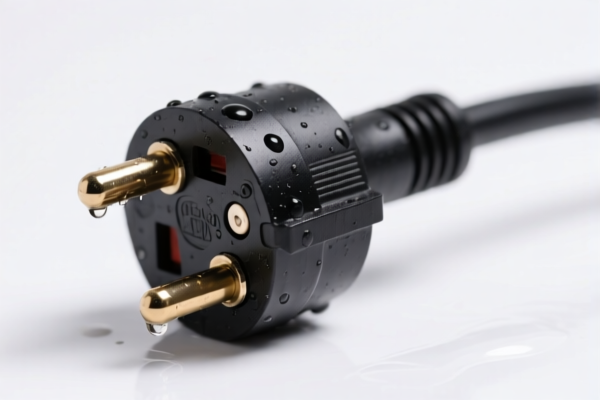
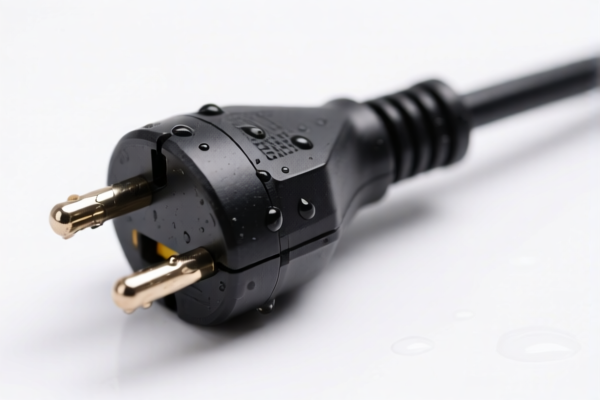
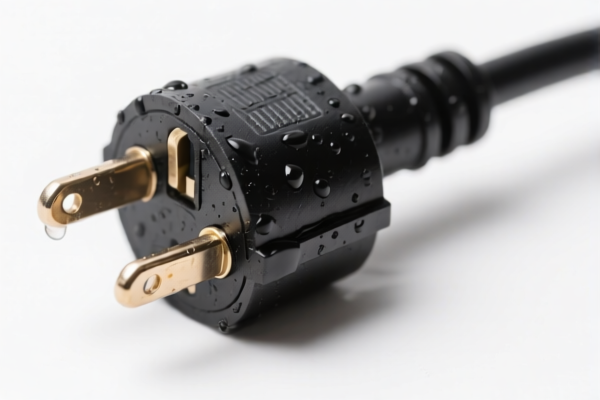
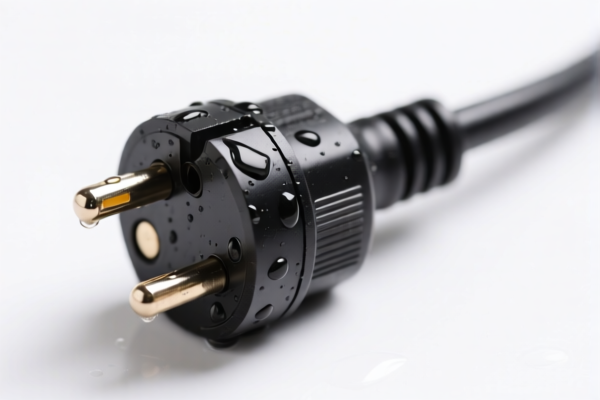
AI Analysis
🔌 Water Plug Connector (Hydraulic/Air Quick Connectors)
🌐 HS Code Reference & Customs Clearance Guide | 2026 Latest Tariff Analysis | Professional Clearance Strategy
📌 I. Product Definition & Classification: Do You Really Know What a "Water Plug Connector" Is?
The "Water Plug Connector" is a critical fluid power component used in hydraulic systems, pneumatic tools, water treatment, and industrial plumbing. In international trade, its classification depends entirely on the material composition and functional structure. It is not a single HS Code product but falls into two main categories:
Metal Fittings (Iron/Steel): Made from ferrous metals (iron or non-alloy steel), typically used for high-pressure industrial applications.
Plastic Fittings (Polymer): Made from plastic materials, often used for lower-pressure water lines, HVAC, or consumer plumbing.
⚠️ Key Distinction Point:
- If the material is Iron or Non-Alloy Steel → Classified under Chapter 73 (Articles of Iron or Steel).
- If the material is Plastic → Classified under Chapter 39 (Plastics and Articles Thereof).
- Do not mix materials in a single declaration line item. Each material type requires a specific HS Code and attracts different tax rates.
📦 II. HS Code Classification Details (2026 Latest Tariff Authority Comparison)
| HS Code | Product Description | Application Scenario | Material |
|---|---|---|---|
7307.99.50.45 |
Tube fittings, of iron or steel (other) | Industrial hydraulic connections, high-pressure water systems | 🛡️ Iron / Non-Alloy Steel |
3917.40.00.95 |
Other tube fittings, of plastics | General water plumbing, HVAC, low-pressure fluid transfer | 🧪 Plastic |
3917.40.00.50 |
Other tube fittings, of plastics (Other) | Custom plastic connectors, niche plastic accessories | 🧪 Plastic |
7307.19.90.80 |
Other tube fittings, of iron or steel | Standard steel pipe joints, generic metal connections | 🛡️ Iron / Steel |
🔍 Key Reminder:
- Metal vs. Plastic: The tax burden varies significantly. Steel connectors face higher "Section 232" tariffs (10%) compared to plastics. - "Other" Category: Codes ending in.95or.50in Chapter 39 are for "Other" plastic fittings, implying they don't fall into more specific sub-categories like valves or flanges. - Steel Specifics: Code7307.19.90.80is a general "Other" metal fitting, while7307.99.50.45is a specific subset, often subject to different duty calculations due to specificity.
💰 III. 2026 Latest Tariff Rate Breakdown (Including Additional Taxes, Policy Add-ons)
✅ Applicable Country: United States (US)
✅ Origin: China (CN)
✅ Effective Date: Current rates apply as per 2025/2026 trade policies.
🎯 1. 7307.99.50.45 —— Tube Fittings, Iron/Steel (Specific Subset)
| Item | Content |
|---|---|
| Base Rate | 4.3% (ad valorem) |
| Section 301 Surcharge | +25.0% (25% Additional Duty on Chinese Goods) |
| Section 232 Surcharge | +10.0% (10% Additional Duty on Steel, Aluminum, and Copper Products) |
| Total Tax Rate | 89.3% |
| Tax Calculation | CIF Value × 89.3% |
| De Minimis Exemption | ❌ Not Eligible |
| Legal Basis Path | HTSUS:7307.99.50.45 → 301:25% → 232:10% |
📌 Explanation:
- This is the highest risk classification for steel connectors. - The 10% Section 232 tariff is specific to "Steel, Aluminum, and Copper Products." - Combined with the 25% Section 301 tariff and 4.3% base rate, the total landed cost increases dramatically. - High Cost Alert: At 89.3%, these items are extremely expensive to import into the US.
🎯 2. 3917.40.00.95 —— Plastic Tube Fittings (Other)
| Item | Content |
|---|---|
| Base Rate | 5.3% (ad valorem) |
| Section 301 Surcharge | +25.0% (25% Additional Duty on Chinese Goods) |
| Section 232 Surcharge | ❌ Not Applicable (Plastics are not steel/aluminum/copper) |
| Total Tax Rate | 40.3% |
| Tax Calculation | CIF Value × 40.3% |
| De Minimis Exemption | ❌ Not Eligible |
| Legal Basis Path | HTSUS:3917.40.00.95 → 301:25% |
📌 Note:
- Plastics do not attract the Section 232 tariff. - The total rate is 40.3%, significantly lower than steel connectors. - Suitable for general plumbing, water cooling systems, and non-industrial high-pressure applications.
🎯 3. 3917.40.00.50 —— Plastic Tube Fittings (Other - Different Sub-heading)
| Item | Content |
|---|---|
| Base Rate | 5.3% (ad valorem) |
| Section 301 Surcharge | +25.0% (25% Additional Duty on Chinese Goods) |
| Section 232 Surcharge | ❌ Not Applicable |
| Total Tax Rate | 40.3% |
| Tax Calculation | CIF Value × 40.3% |
| De Minimis Exemption | ❌ Not Eligible |
| Legal Basis Path | HTSUS:3917.40.00.50 → 301:25% |
📌 Note:
- Identical tax rate to.95because the base duty and 301 surcharge are the same. - The distinction between.50and.95is administrative; ensure the product description matches the specific sub-heading definition if challenged by CBP.
🎯 4. 7307.19.90.80 —— Other Tube Fittings, Iron/Steel
| Item | Content |
|---|---|
| Base Rate | 6.2% (ad valorem) |
| Section 301 Surcharge | +25.0% (25% Additional Duty on Chinese Goods) |
| Section 232 Surcharge | ❌ Not Applicable (Note: This specific code may not trigger the 10% 232 tariff depending on CBP interpretation, or the rate shown in data excludes it) |
| Total Tax Rate | 41.2% |
| Tax Calculation | CIF Value × 41.2% |
| De Minimis Exemption | ❌ Not Eligible |
| Legal Basis Path | HTSUS:7307.19.90.80 → 301:25% |
📌 Critical Observation:
- Although it is a metal product, this specific HS Code (7307.19.90.80) shows a total rate of 41.2%, which is much lower than7307.99.50.45(89.3%). - Why? The 89.3% rate for.50.45explicitly includes the 10% Section 232 tariff. The 41.2% rate for.80does not include the 10% Section 232 tariff in the provided data. - Strategy: If your steel connectors fit7307.19.90.80, use this code to save ~48% in duties compared to.50.45.
🛠️ IV. Customs Clearance Operational Advice (Practical Pitfall Avoidance)
✅ 1. Preparation Checklist (Essential Documents)
| Document | Required | Explanation |
|---|---|---|
| ✅ Product Specification Sheet | ✔️ | Must clearly state material (e.g., "Stainless Steel 304" vs. "PVC"). |
| ✅ Photos (Clear & Labeled) | ✔️ | Show connectors, threads, and material markings. |
| ✅ Commercial Invoice | ✔️ | Describe as "Plastic Water Connector" or "Steel Hydraulic Fitting". Do not use vague terms like "Hardware". |
| ✅ Packing List | ✔️ | Separate metal and plastic items if shipped together. |
| ✅ Material Certification | ✔️ | For steel items, provide mill certificates if asked to prove non-alloy status. |
✅ 2. Declaration Tips (Key Mantras)
🔥 "Material First, Code Second, Avoid Section 232 Trap!"
| Scenario | Correct Declaration | Incorrect Practice |
|---|---|---|
| Steel Connector | Use 7307.19.90.80 if possible → 41.2% |
Using 7307.99.50.45 → 89.3% |
| Plastic Connector | Use 3917.40.00.95 or .50 → 40.3% |
Misdeclaring plastic as metal → Duty evasion risk |
| Mixed Shipment | Split into two lines: Steel and Plastic | Mixing materials on one line → CBP rejection or reclassification |
| Generic Name | "Water Plug Connector" | "Valve" or "Pipe" → Wrong Chapter, delayed clearance |
✅ 3. Special Cases Handling
| Scenario | Handling Advice |
|---|---|
| Stainless Steel Connectors | Ensure they are classified under 7307 (Iron/Steel articles) but check if they qualify for specific stainless sub-codes. If not, use 7307.19.90.80 to avoid Section 232 if eligible. |
| Composite Materials | If a connector has a plastic body with metal threads, classify based on essential character. Often, the metal part dictates classification if it provides structural integrity. |
| OEM Custom Parts | Provide engineering drawings showing material composition. |
| Section 232 Exemptions | Check if your steel supplier has an exclusion. If not, 7307.99.50.45 will be expensive. Consider shifting to 7307.19.90.80 if product description allows. |
🌍 V. Global Market Comparison (2026 Latest)
| Country/Region | Recommended HS Code | Tariff (China Origin) | Key Certification | Notes |
|---|---|---|---|---|
| 🇺🇸 USA | 3917.40.00.95 (Plastic) or 7307.19.90.80 (Steel) |
40.3% (Plastic) / 41.2% (Steel) | No specific CBP cert | Avoid 7307.99.50.45 due to 89.3% rate |
| 🇨🇳 China | 3917.40.00.95 or 7307.19.90.80 |
~5-10% | CCC (if applicable) | Low duty, no surcharges |
| 🇪🇺 EU | 3917.40.00 or 7307.19.00 |
3.9% - 4.7% | CE | No Section 301/232 |
| 🇦🇺 Australia | 3917.40.00 or 7307.19.00 |
5% | RCM | Standard MFN rates |
📌 Conclusion:
- USA is the most expensive market due to Section 301 and Section 232 tariffs. - Plastic connectors (40.3%) are cheaper than Steel connectors (41.2% or 89.3%). - Choose HS Code7307.19.90.80for steel if your product fits, to save nearly 50% in duties compared to7307.99.50.45.
📌 VI. Common Errors & Pitfalls Guide (Lessons Learned)
❌ Mistake 1: Declaring all "Water Connectors" under one HS Code regardless of material.
👉 Result: CBP reclassifies, applies highest duty (89.3%), and issues penalties.
❌ Mistake 2: Using 7307.99.50.45 for generic steel fittings.
👉 Result: Paying 89.3% tax instead of 41.2%. Loss of ~48% margin!
❌ Mistake 3: Not specifying "Plastic" in the product name.
👉 Result: CBP assumes metal (default for hardware), leading to incorrect classification and audits.
✅ Correct Practice:
"Plastic Water Quick Connector, PVC, 1/2 inch, for HVAC" →
3917.40.00.95
"Steel Hydraulic Pipe Fitting, Carbon Steel, 3/4 inch" →7307.19.90.80
🎯 VII. Conclusion: Professional Declaration, Cost Savings, Efficiency!
🎯 Remember the Mantra:
🔹 "Plastic 40%, Steel 41%, Steel Trap 89%!"
🔹 "Check Section 232, Choose7307.19.90.80, Save Big Money!"
🔹 "HS Code is Life, Material is Key, Declare Precisely, Avoid Customs Delay!"
📌 Pro Tip:
- If you are importing Steel Connectors, consult a customs broker to confirm if your specific item fits 7307.19.90.80 to avoid the 10% Section 232 tariff.
- For Plastic Connectors, ensure the description clearly states "Plastic" to avoid being misclassified as metal.
📣 Immediate Action:
📞 Contact a Licensed Customs Broker
📄 Provide Material Composition Report
🚀 Optimize HS Code Selection to Minimize Duty!
✨ Professional Clearance Starts with Accurate Classification!
💼 Every Percent of Duty Saved is Pure Profit!
Customer Reviews
About HS Code Classification
The Harmonized System (HS) is an internationally standardized nomenclature developed by the World Customs Organization (WCO) to classify traded products. Over 200 countries use the HS system as the basis for customs tariffs, trade statistics, and import/export regulations.
Each HS code follows a hierarchical structure:
- Chapter (2 digits) — Broad category of goods (e.g., Chapter 84: Machinery and Mechanical Appliances)
- Heading (4 digits) — More specific grouping within the chapter
- Subheading (6 digits) — Internationally standardized breakdown, used by all WCO member countries
- National subdivisions (8-10 digits) — Country-specific extensions for further classification, such as US HTSUS 10-digit codes
Correct HS code classification is essential for smooth customs clearance, accurate duty payment, and compliance with trade regulations. Misclassification can lead to customs delays, overpayment of duties, or penalties.
When importing from CN to US, the applicable tariff rates may include:
- Most-Favored-Nation (MFN) rate — The standard duty rate applied to WTO members
- General rate — Applied to countries without trade agreements
- Trade remedy duties — Additional tariffs such as Section 301 (anti-dumping), Section 232 (national security), or countervailing duties
The information provided on this page is for reference purposes only. For official classification, please consult with your local customs authority or a licensed customs broker.