Water Pump
CN → US| HS Code | Tariff Rate | Origin | Destination | Doc |
|---|---|---|---|---|
| 8413702090 | 35.0% | CN | US | Official Doc |
| 8413810040 | 35.0% | CN | US | Official Doc |
| 8413810030 | 35.0% | CN | US | Official Doc |
| 8501722000 | 37.0% | CN | US | Official Doc |
| 8409915085 | 37.5% | CN | US | Official Doc |
Product Images
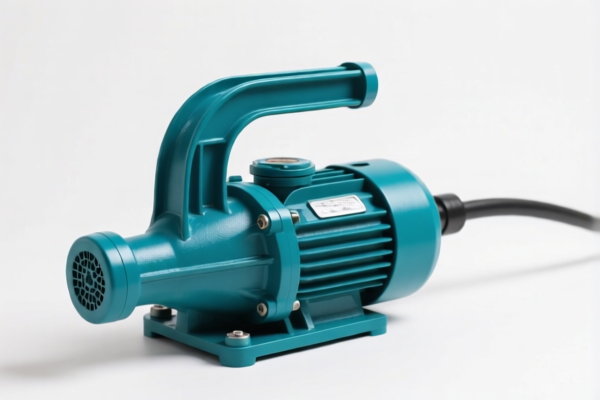
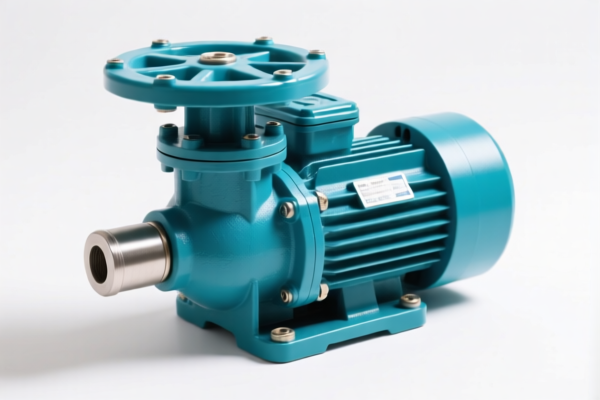
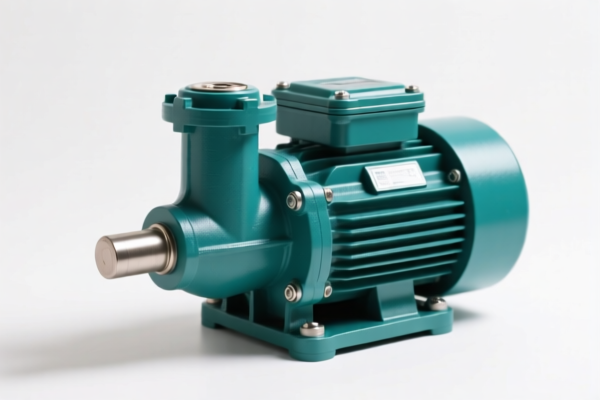
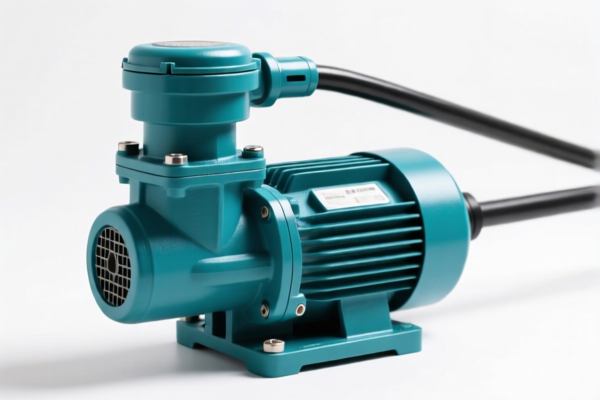
AI Analysis
💧 Water Pumps (Liquid Raising Machines & Centrifugal Pumps)
🌐 HS Code Reference & Customs Clearance Guide | 2026 Latest Tariff Analysis | Professional Clearance Strategy
📌 I. Product Definition & Classification: Do You Really Understand "Water Pumps"?
Water pumps are mechanical devices used to move fluids by mechanical action. In international trade, they are broadly categorized under Chapter 84 (Nuclear reactors, boilers, machinery and mechanical appliances). The classification depends heavily on the type of pump (centrifugal vs. other), the power source (electric motor vs. solar/PV), and the application (general liquid transfer vs. automotive).
⚠️ Key Distinction Points:
- Centrifugal Pumps vs. Other Pumps: Most standard industrial/home water pumps are centrifugal. If the mechanism is different (e.g., gear, screw, diaphragm), it falls under "Other Pumps".
- Solar Pumps: Are they classified as pumps (Ch 84) or generators (Ch 85)? This is the most critical and risky classification point for solar-powered units.
- Automotive Pumps: Engine components are strictly classified under auto parts (Ch 87/84 subheadings), not general pumps.
📦 II. HS Code Classification Details (2026 Latest Tariff Authority Comparison)
Based on the provided data, here are the four primary classification paths for Water Pumps:
| HS Code | Product Description | Application/Logic | Key Attributes |
|---|---|---|---|
8413.70.20.90 |
Centrifugal Pumps | Standard water pumps fitting "Other Centrifugal Pumps". No material or form conflict. | Centrifugal mechanism, liquid transfer. |
8413.81.00.40 |
Other Pumps | General liquid pumps not specified elsewhere. Fits "Other Pumps" definition. | Non-centrifugal or unspecified mechanism. |
8413.81.00.30 |
Solar Water Pumps (as Pump) | Classified as a liquid raising machine/pump. Fits the usage description of the pump category. | Powered by solar, but function is pumping. |
8501.72.20.00 |
Solar Water Pumps (as PV Generator) | Classified as a Photovoltaic (PV) Direct Current Generator. Power range typically 750W–75kW. | Crucial Conflict: Classifies the power source unit (motor/generator) rather than the pump function. |
8409.91.50.85 |
Automotive Water Pumps | Classified as auto parts/spares. Material inferred as metal/composite, fits "Other Parts". | Engine coolant circulation, vehicle-specific. |
🔍 Critical Insight:
- For Solar Pumps, the classification split between8413(Pump) and8501(Generator) leads to a 2% difference in base tariff (0% vs 2%) but triggers different legal bases.
- Automotive pumps are NEVER classified as general pumps (8413) in customs practice; they must go to auto parts (8409).
💰 III. 2026 Latest Tariff Rate Details (Including Surtaxes & Policy Add-ons)
✅ Applicable Country: United States (US)
✅ Origin: China (CN)
✅ Effective Time: Ongoing under current Trade Acts (Section 301 & IEEPA)
🎯 1. 8413.70.20.90 — Centrifugal Pumps
| Item | Content |
|---|---|
| Base Tariff | 0.0% (Ad Valorem) |
| Section 301 Surtax | +25.0% |
| IEEPA Surtax (122 Clause) | +10.0% |
| Total Tax Rate | 35.0% |
| Calculation | CIF Value × 35% |
| De Minimis Exemption | ❌ Not Applicable (High tax threshold) |
| Legal Basis Path | USITC:8413.70.20.90 → Section 301: Footnote 9903.88.01 → IEEPA:122 Clause |
📌 Explanation:
- Standard centrifugal pumps have a low base tariff (0%), but the 35% combined rate makes them expensive for US importers.
- The "122 Clause" refers to specific IEEPA provisions targeting Chinese imports.
🎯 2. 8413.81.00.40 — Other Pumps
| Item | Content |
|---|---|
| Base Tariff | 0.0% |
| Section 301 Surtax | +25.0% |
| IEEPA Surtax (122 Clause) | +10.0% |
| Total Tax Rate | 35.0% |
| Calculation | CIF Value × 35% |
| Legal Basis Path | USITC:8413.81.00.40 → Section 301 → IEEPA:122 Clause |
📌 Note:
- Identical tax burden to centrifugal pumps.
- Applies if the pump mechanism is not centrifugal (e.g., positive displacement) but still used for liquids.
🎯 3. 8413.81.00.30 — Solar Water Pumps (Pump Classification)
| Item | Content |
|---|---|
| Base Tariff | 0.0% |
| Section 301 Surtax | +25.0% |
| IEEPA Surtax (122 Clause) | +10.0% |
| Total Tax Rate | 35.0% |
| Calculation | CIF Value × 35% |
| Logic | Focuses on the function (lifting liquid) rather than the power source. |
📌 Strategy:
- If you classify as a Pump (8413), you pay 35%.
- This is often the safer classification for integrated solar pumps if the motor is considered an accessory to the pump.
🎯 4. 8501.72.20.00 — Solar Water Pumps (PV Generator Classification)
| Item | Content |
|---|---|
| Base Tariff | 2.0% |
| Section 301 Surtax | +25.0% |
| IEEPA Surtax (122 Clause) | +10.0% |
| Total Tax Rate | 37.0% |
| Calculation | CIF Value × 37% |
| Logic | Focuses on the PV DC Generator aspect (750W–75kW range). |
⚠️ Warning:
- This classification results in a 37% total tax rate, which is 2% HIGHER than the pump classification.
- However, if customs authorities deem the product primarily a "PV Generator" with an attached pump, this is the mandatory classification.
- Risk: Misclassification here can lead to audits. Ensure the technical documentation emphasizes the pumping function if you wish to pursue8413.
🎯 5. 8409.91.50.85 — Automotive Water Pumps
| Item | Content |
|---|---|
| Base Tariff | 2.5% |
| Section 301 Surtax | +25.0% |
| IEEPA Surtax (122 Clause) | +10.0% |
| Total Tax Rate | 37.5% |
| Calculation | CIF Value × 37.5% |
| Material | Metal or composite parts for engines. |
📌 Note:
- Auto parts generally have a slightly higher base tariff (2.5%) compared to general machinery (0%).
- Total rate 37.5% is the highest among the general water pump categories.
🛠️ IV. Customs Clearance Practical Advice (Avoid Pitfalls)
✅ 1. Documentation Checklist (Mandatory)
| Document | Required? | Description |
|---|---|---|
| ✅ Product Specs | ✔️ | Must specify: Flow rate, Head (height), Power (Watts), Voltage, Pump Type (Centrifugal/Positive). |
| ✅ Technical Diagram | ✔️ | For Solar Pumps: Clarify if the motor is integral or separate. |
| ✅ Photos | ✔️ | Clear label showing Model, Input Power, and "Made in China". |
| ✅ Commercial Invoice | ✔️ | Description must be precise: "Centrifugal Water Pump" vs. "PV Generator Set". |
| ✅ Origin Certificate | ✔️ | Proves CN origin (triggers the 301/122 taxes). |
✅ 2. Declaration Strategy (Key Mantras)
🔥 “Function First, Power Second, Auto Parts Never Mix!”
| Scenario | Correct Declaration | Wrong Declaration | Consequence |
|---|---|---|---|
| Standard Water Pump | 8413.70.20.90 |
8413.81.00.40 |
Potential 0% tax rate difference (if applicable), but 8413.70 is more precise for centrifugal. |
| Solar Pump (Integrated) | 8413.81.00.30 |
8501.72.20.00 |
Saves 2% tax (35% vs 37%). Justify by emphasizing pumping function. |
| Solar Pump (Separate PV Unit) | 8501.72.20.00 |
8413.81.00.30 |
If the PV unit is the main value/function, 8501 is correct. Misclassification leads to penalties. |
| Car Water Pump | 8409.91.50.85 |
8413.70.20.90 |
High Risk. Customs will reject general pump codes for auto parts. Expect 37.5% tax, not 35%. |
✅ 3. Special Situations
| Situation | Handling Advice |
|---|---|
| Solar Pump Kits | If sold as a kit (Pump + Solar Panel + Controller), classify by the principal function. If pumping is the primary use, argue for 8413. |
| OEM Auto Parts | Provide the OEM part number and vehicle application model. Customs checks the "fitment" database. |
| Material Declaration | For 8409, specify material (e.g., "Cast Iron Automotive Water Pump"). For 8413, material is less critical but should still be declared. |
🌍 V. Global Market Comparison (2026 Latest)
| Country/Region | Recommended HS Code | Total Tax Rate (China Origin) | Certification | Remarks |
|---|---|---|---|---|
| 🇺🇸 USA | 8413.70.20.90 / 8413.81.00.30 |
35.0% | N/A (General) | High surtaxes due to Trade Acts. |
| 🇺🇸 USA (Solar as Gen) | 8501.72.20.00 |
37.0% | N/A | Higher base rate for PV generators. |
| 🇺🇸 USA (Auto) | 8409.91.50.85 |
37.5% | N/A | Auto parts face higher base rates. |
| 🇨🇳 China | 8413.70.20.90 |
0% - 8% | CCC (if electric) | No 301/IEEPA taxes. |
| 🇪🇺 EU | 8413.70 |
3.9% | CE | Lower base tariffs, no surtaxes. |
📌 Conclusion:
- The USA is the most expensive market for water pumps due to the 35%-37.5% effective tax rate.
- Cost Optimization: For solar pumps, try to justify8413(35%) over8501(37%) by emphasizing the pumping mechanism in technical docs.
- Auto Parts: Are strictly regulated. Do not try to reclassify as general pumps.
📌 VI. Common Mistakes & Pitfalls (Lessons Learned)
❌ Mistake 1: Classifying a Solar Pump as a PV Generator (8501) when it should be a Pump (8413).
👉 Consequence: You pay 37% instead of 35%. While the difference seems small, on large volumes, it adds up significantly.
👉 Fix: Highlight the "Liquid Raising" function in the product description.
❌ Mistake 2: Classifying an Automotive Water Pump as a General Pump (8413).
👉 Consequence: Customs will flag the entry. You may be forced to pay 37.5% instead of the lower rate if they reclassify, plus potential penalties for misdeclaration.
👉 Fix: Always use 8409 for engine components.
❌ Mistake 3: Ignoring the 122 Clause IEEPA Tax.
👉 Consequence: Many importers only calculate the 25% Section 301 tax and forget the additional 10%.
👉 Fix: Ensure your customs broker applies both 25% and 10% surcharges. Total = Base + 35%.
✅ Correct Approach:
“Centrifugal Water Pump, 1HP, 110V, for Irrigation, Model WP-100, No PV Component” →
8413.70.20.90(35%)
🎯 VII. Conclusion: Precise Classification Saves Money!
🎯 Remember the Mantra:
🔹 "Solar? Check Function. Auto? Check Part. General? Check Mechanism."
🔹 "35% is the baseline for US Pumps. 37.5% for Auto. 37% for PV Generators."
🔹 "Don't let a 2% base rate difference cost you thousands!"
📌 Pro Tip:
If you are importing Solar Water Pumps, consider if the PV panel is sold separately. If sold separately, the panel might be classified under 8541 or 8523 (which may have different tax treatments), while the pump is 8413. Split shipments can sometimes optimize tax structures, but consult a customs broker first.
📣 Immediate Action:
📞 Contact Your Customs Broker with the technical datasheet.
🚀 Apply for a Binding Tariff Information (BTI) or Advance Ruling if the volume is high and the classification between8413and8501is ambiguous for your specific solar pump model.
✨ Professional Clearance Starts with Accurate Classification!
💼 Every Percent Counts in International Trade!
Customer Reviews
About HS Code Classification
The Harmonized System (HS) is an internationally standardized nomenclature developed by the World Customs Organization (WCO) to classify traded products. Over 200 countries use the HS system as the basis for customs tariffs, trade statistics, and import/export regulations.
Each HS code follows a hierarchical structure:
- Chapter (2 digits) — Broad category of goods (e.g., Chapter 84: Machinery and Mechanical Appliances)
- Heading (4 digits) — More specific grouping within the chapter
- Subheading (6 digits) — Internationally standardized breakdown, used by all WCO member countries
- National subdivisions (8-10 digits) — Country-specific extensions for further classification, such as US HTSUS 10-digit codes
Correct HS code classification is essential for smooth customs clearance, accurate duty payment, and compliance with trade regulations. Misclassification can lead to customs delays, overpayment of duties, or penalties.
When importing from CN to US, the applicable tariff rates may include:
- Most-Favored-Nation (MFN) rate — The standard duty rate applied to WTO members
- General rate — Applied to countries without trade agreements
- Trade remedy duties — Additional tariffs such as Section 301 (anti-dumping), Section 232 (national security), or countervailing duties
The information provided on this page is for reference purposes only. For official classification, please consult with your local customs authority or a licensed customs broker.