Water Purifier
CN → US| HS Code | Tariff Rate | Origin | Destination | Doc |
|---|---|---|---|---|
| 8421210000 | 35.0% | CN | US | Official Doc |
| 3926904590 | 13.5% | CN | US | Official Doc |
| 7326908688 | 87.9% | CN | US | Official Doc |
| 7326908610 | 87.9% | CN | US | Official Doc |
| 8421990140 | 35.0% | CN | US | Official Doc |
Product Images

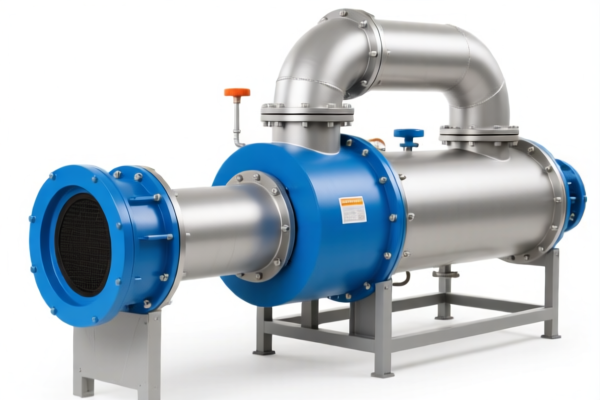
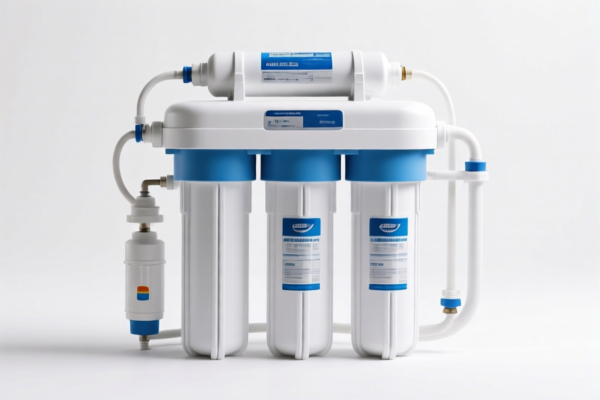
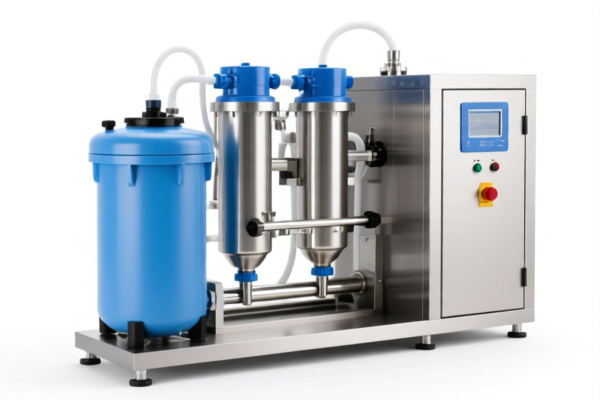
AI Analysis
💧 Water Purifier: Comprehensive HS Code Classification & 2026 Tax Strategy Guide
🌐 Mastering US Customs Clearance | 2026 Tax Analysis | Strategic Classification for Water Purification Systems
Water Purifiers are critical devices used for filtering, softening, or otherwise treating water for residential, commercial, or industrial use. Their classification in the Harmonized System (HS) is highly sensitive to Material Composition and Functional Integration. A misclassification can lead to tariffs jumping from 13.5% to nearly 88%.
⚠️ The Core Dilemma:
Is the system a functional machine (Section 84)?
Is it a plastic component (Section 39)?
Or is it a metal structure (Section 73)?
The answer determines whether you pay 35% or 87.9%.
📦 1. HS Code Classification Matrix (2026 Authority Reference)
Based on the latest tariff data, here is the breakdown of the 5 potential classifications for "Water Purifier" systems:
| HS Code | Product Logic & Material | Tax Rate (Total) | Primary Risk |
|---|---|---|---|
| 8421.21.00.00 | The Machine: Fits the exact function of "Water Filtering/Purifying." | 35.0% | ✅ Preferred if the unit is a complete mechanical system. |
| 8421.99.01.40 | The Parts: Specific mechanical parts for water treatment appliances. | 35.0% | ✅ Preferred for replacement filters/pumps in specific contexts. |
| 3926.90.45.90 | The Plastic: Made of plastic (cartridges, gaskets, seals). | 13.5% | ⚠️ Lowest Risk but requires proving the entirety is plastic. |
| 7326.90.86.88 | The Metal: Made of steel/iron (stainless housing). | 87.9% | ❌ High Risk (Steel/Al/Cu penalties apply). |
| 7326.90.86.10 | The Steel: Other articles of iron/steel. | 87.9% | ❌ High Risk (Steel penalties apply). |
💰 2. Detailed Tax Structure & Legal Basis (2026 US Tariffs)
🎯 Category A: The "Functional Machine" (Low-Medium Tax)
HS Codes: 8421.21.00.00 & 8421.99.01.40
Logic: The system is classified as a water filtering/purifying machine or its specific mechanical parts.
* Base Tariff: 0.0%
* Section 301 (Additional): +25.0% (US Trade Remedy)
* Section 122 (China Specific): +10.0% (Executive Order 13936 / IEEPA)
* 💰 Total Duty: 35.0%
📌 Interpretation: This is the standard classification for complete, functional units. The 0% base reflects the recognition of water purification as a general machinery category, but the heavy penalties (25% + 10%) from trade restrictions apply.
🎯 Category B: The "Plastic Component" (Lowest Tax)
HS Code: 3926.90.45.90
Logic: Classifies based on material (Plastic). If the system is largely composed of plastic filters, gaskets, and seals without a complex mechanical core.
* Base Tariff: 3.5%
* Section 301 (Additional): +0.0% (No Section 301 penalty for this subheading in this specific dataset)
* Section 122 (China Specific): +10.0%
* 💰 Total Duty: 13.5%
📌 Critical Insight: This is the most cost-effective route, but only valid if the product is purely or predominantly plastic components. If it has a motor or metal housing, this code is risky and may trigger audits.
🎯 Category C: The "Metal Structure" (Highest Tax - AVOID)
HS Codes: 7326.90.86.88 & 7326.90.86.10
Logic: Classified as "Other articles of iron or steel." This assumes the unit is a metal structure or frame.
* Base Tariff: 2.9%
* Section 301 (Additional): +25.0%
* Section 122 (China Specific): +10.0%
* 🛑 EXTRA PENALTY (Steel/Al/Cu): +50.0% (New 2026/2025 Steel/Aluminum/Copper Tariffs)
* 💰 Total Duty: 87.9%
⚠️ WARNING: This classification incurs a 50% penalty on top of the standard trade tariffs. This is due to the specific protectionist measures targeting Steel and Aluminum products from China. If your water purifier has a stainless steel tank or iron frame, you face this massive rate unless a specific exemption applies.
🛠️ 3. Customs Clearance Strategy & "Real-World" Advice
✅ Step 1: Material Audit (The Make-or-Break Factor)
Before filing, you MUST know your Bill of Materials (BOM):
1. Is it mostly plastic? (e.g., pitcher filters, simple countertop units) → Target 3926.90.45.90 (13.5%).
2. Is it a complex machine with a pump/motor? → Target 8421.21.00.00 (35.0%).
3. Is it a large industrial unit with a stainless steel tank? → Beware of 7326 (87.9%).
* Strategy: Can you re-engineer the housing to be plastic? Can you ship the tank separately as a "part" rather than a "whole unit"?
✅ Step 2: Declaration Wording (Precision is Key)
Customs officers rely heavily on the description.
* ❌ BAD: "Water Purifier" (Too vague, triggers default steel/metal rules).
* ✅ GOOD (for Plastic): "Water Filter System, Plastic Housing, Replacement Cartridges" → Supports 3926.
* ✅ GOOD (for Machine): "Water Purifying Machine, Electric, with Motor and Pump" → Supports 8421.
* ✅ GOOD (for Parts): "Replacement Filter for Water Purifier, Non-Mechanical" → Supports 8421.99.
✅ Step 3: The "Steel Penalty" Loophole Check
If your product is inevitably steel-based (e.g., under-sink RO unit with stainless steel pressure vessel): * Verify the "Component" Exemption: Ensure the steel part is not the "principal character" of the machine. If the machine is primarily a mechanical filtering device, argue for 8421 (the machine), not 7326 (the metal). * Documentation: Provide a diagram showing the motor/pump as the functional core, making the metal casing secondary.
🚀 4. Quick Action Plan (Checklist)
| Action Item | Requirement | Impact |
|---|---|---|
| 1. Verify BOM | Calculate % of Plastic vs. Metal vs. Electronics | Determines HS Code (39 vs 73 vs 84) |
| 2. Check "Steel" Status | Is there stainless steel or iron? | If YES, risk of 87.9% tax is high |
| 3. Draft Description | Use "Machine" vs "Article" vs "Plastic" | Controls Customs officer interpretation |
| 4. Apply 122 Clause | Ensure +10% China penalty is calculated |
Mandatory for all Chinese origin goods |
| 5. Pre-Consult | Submit "Binding Ruling" request if unsure | Locks in 35.0% or 13.5% rate |
🌍 5. Summary: The "Purifier" Tax Matrix
| Classification | Material Focus | Total Tax | Strategy Rating |
|---|---|---|---|
| Plastic Dominant | 3926.90.45.90 |
13.5% | 🟢 Best Case (If valid) |
| Machine/Functional | 8421.21.00.00 |
35.0% | 🟡 Standard Case (Most common) |
| Steel/Metal Structure | 7326.90.86.xx |
87.9% | 🔴 Avoid (Unless unavoidable) |
📢 Final Expert Tip:
If you are importing a Stainless Steel Water Purifier, do NOT declare it as "Steel Article." Declare it as "Water Purifying Machine (8421)." The mechanical function overrides the material in classification hierarchy (General Rule of Interpretation 3b). This saves you a massive 52.9% difference (87.9% - 35.0%).
✨ Clear Customs, Lower Taxes, Maximize Profit!
💡 Remember: The difference between 13.5% and 87.9% is just a matter of how you describe the material and function.
Customer Reviews
About HS Code Classification
The Harmonized System (HS) is an internationally standardized nomenclature developed by the World Customs Organization (WCO) to classify traded products. Over 200 countries use the HS system as the basis for customs tariffs, trade statistics, and import/export regulations.
Each HS code follows a hierarchical structure:
- Chapter (2 digits) — Broad category of goods (e.g., Chapter 84: Machinery and Mechanical Appliances)
- Heading (4 digits) — More specific grouping within the chapter
- Subheading (6 digits) — Internationally standardized breakdown, used by all WCO member countries
- National subdivisions (8-10 digits) — Country-specific extensions for further classification, such as US HTSUS 10-digit codes
Correct HS code classification is essential for smooth customs clearance, accurate duty payment, and compliance with trade regulations. Misclassification can lead to customs delays, overpayment of duties, or penalties.
When importing from CN to US, the applicable tariff rates may include:
- Most-Favored-Nation (MFN) rate — The standard duty rate applied to WTO members
- General rate — Applied to countries without trade agreements
- Trade remedy duties — Additional tariffs such as Section 301 (anti-dumping), Section 232 (national security), or countervailing duties
The information provided on this page is for reference purposes only. For official classification, please consult with your local customs authority or a licensed customs broker.