Water Purifier Bracket
CN → US| HS Code | Tariff Rate | Origin | Destination | Doc |
|---|---|---|---|---|
| 7326908630 | 87.9% | CN | US | Official Doc |
| 7326908688 | 87.9% | CN | US | Official Doc |
| 3926305000 | 22.8% | CN | US | Official Doc |
| 7616995150 | 37.5% | CN | US | Official Doc |
| 3926909989 | 22.8% | CN | US | Official Doc |
Product Images
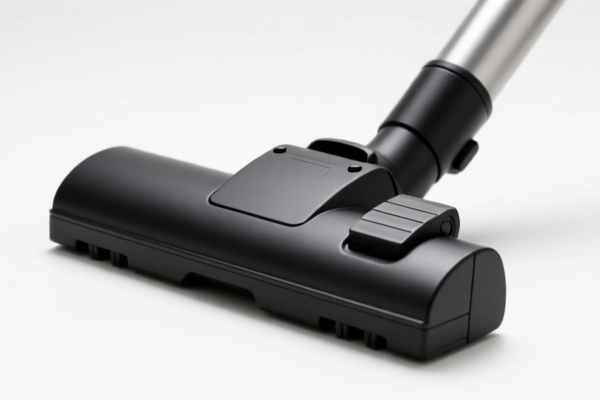
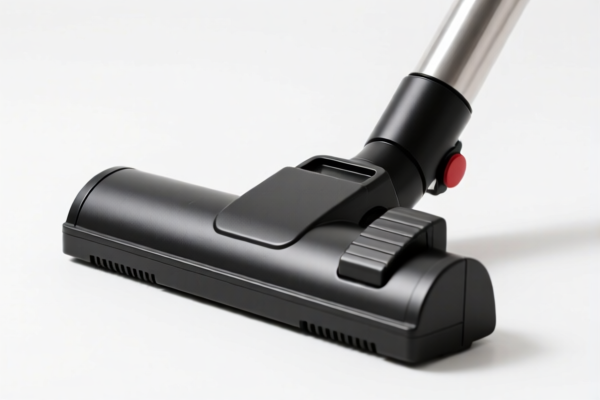
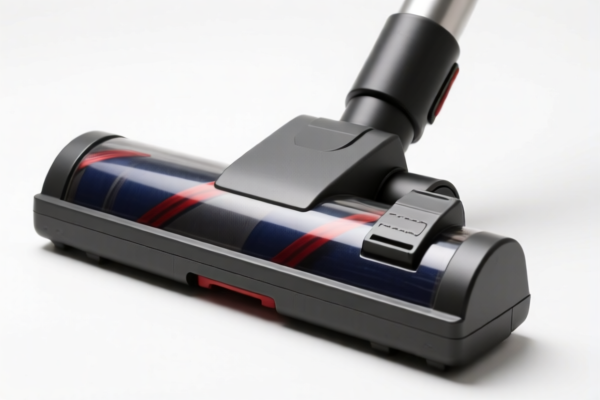
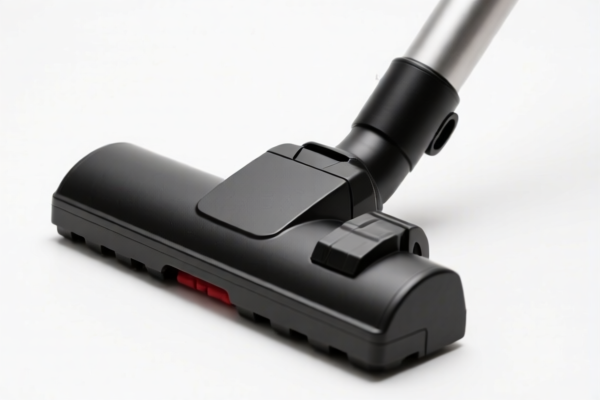
AI Analysis
🖱️ Water Purifier Bracket
🌐 HS Code Reference & Customs Clearance Guide | 2026 Latest Tariff Analysis | Professional Clearance Strategy
📌 I. Product Definition & Classification: What is a "Water Purifier Bracket"?
A Water Purifier Bracket is a supporting structure designed to hold, secure, or suspend water purification units (under-sink, countertop, or inline filters). In international trade, its classification depends heavily on material composition (Steel/Iron vs. Plastic vs. Aluminum) and functional specificity.
⚠️ Key Distinction Point:
- Iron/Steel Brackets: Classified under Chapter 73 (Articles of Iron or Steel). Often subject to high additional tariffs (Section 301 + Section 122).
- Plastic Brackets: Classified under Chapter 39 (Articles of Plastic). Subject to moderate additional tariffs.
- Aluminum/Other Metal Brackets: Classified under Chapter 76 (Articles of Aluminum). Moderate additional tariffs.
📦 II. HS Code Classification Details (2026 Latest Tariff Alignment)
Based on the provided data, here are the valid HS Codes for Water Purifier Brackets, categorized by material and structural logic:
| HS Code | Product Description & Logic | Material Inference | Key Characteristics |
|---|---|---|---|
| 7326.90.86.30 | Support Structure (Hanging Rack Type) Classified as a "hanging rack or similar support" due to shape/function. |
Iron or Steel | Primary support structure; rigid metal construction. |
| 7326.90.86.88 | Parts/Components (Other Iron/Steel Articles) Classified as a spare part/component for water purification systems. |
Iron or Steel | Generic metal bracket; fits "other articles of iron or steel." |
| 3926.30.50.00 | Connecting Components/Parts Classified as a connector or component part of a larger assembly. |
Plastic | Plastic connector/bracket; non-structural support. |
| 7616.99.51.50 | Parts/Components (Other Articles) Classified as a support component under "other articles." |
Aluminum or Stainless Steel | Lightweight metal support; often aluminum alloy or SS. |
| 3926.90.99.89 | Parts/Components (Other Articles) Classified as a general part/component. |
Plastic or Metal | General purpose bracket; likely plastic if non-specific. |
🔍 Critical Note:
- Iron/Steel brackets (7326) face the highest tariffs due to Section 301 and Section 122 duties.
- Plastic brackets (3926) offer lower tax burdens but may lack durability for heavy under-sink units.
- Aluminum brackets (7616) offer a middle ground in cost and weight.
💰 III. 2026 Latest Tariff Rate Breakdown (Including Surcharges)
✅ Applicable Country: United States (US)
✅ Origin: China (CN)
✅ Effective Date: Ongoing (2025-2026)
🎯 1. 7326.90.86.30 & 7326.90.86.88 —— Iron/Steel Brackets (High Risk)
| Item | Content |
|---|---|
| Base Tariff | 2.9% (Ad Valorem) |
| Section 301 Surcharge | +25.0% (USITC Footnote for Chinese steel/iron articles) |
| Section 122 Surcharge | +50.0% (Specific surcharge on steel, aluminum, and copper articles) |
| Total Tax Rate | 87.9% |
| Tax Calculation | CIF Value × 87.9% |
| De Minimis Exemption | ❌ NOT Eligible (Deny De Minimis) |
| Legal Basis Path | USITC:7326.90.86.30 → SECTION_301:25% → SECTION_122:50% → TOTAL:87.9% |
📌 Interpretation:
- The 87.9% rate is extremely high and significantly impacts profit margins.
- Section 122 (50%) is particularly aggressive on steel/aluminum imports from China.
- No de minimis exemption means even small samples or low-value shipments are fully taxed.
🎯 2. 3926.30.50.00 & 3926.90.99.89 —— Plastic Brackets (Low Risk)
| Item | Content |
|---|---|
| Base Tariff | 5.3% (Ad Valorem) |
| Section 301 Surcharge | +7.5% (Reduced rate for some plastic items) |
| Section 122 Surcharge | +10.0% (Lower surcharge for non-steel/aluminum/copper) |
| Total Tax Rate | 22.8% |
| Tax Calculation | CIF Value × 22.8% |
| De Minimis Exemption | ❌ NOT Eligible (Deny De Minimis) |
| Legal Basis Path | USITC:3926.30.50.00 → SECTION_301:7.5% → SECTION_122:10% → TOTAL:22.8% |
📌 Interpretation:
- Plastic brackets are significantly more cost-effective for import.
- However, Section 301 and 122 still apply, so it’s not duty-free.
🎯 3. 7616.99.51.50 —— Aluminum/Stainless Steel Brackets (Medium Risk)
| Item | Content |
|---|---|
| Base Tariff | 2.5% (Ad Valorem) |
| Section 301 Surcharge | +25.0% |
| Section 122 Surcharge | +10.0% |
| Total Tax Rate | 37.5% |
| Tax Calculation | CIF Value × 37.5% |
| De Minimis Exemption | ❌ NOT Eligible (Deny De Minimis) |
| Legal Basis Path | USITC:7616.99.51.50 → SECTION_301:25% → SECTION_122:10% → TOTAL:37.5% |
📌 Interpretation:
- Aluminum brackets face lower Section 122 duties (10%) compared to steel (50%).
- Total rate of 37.5% is moderate but still substantial.
🛠️ IV. Customs Clearance Practical Advice (Avoid Pitfalls)
✅ 1. Documentation Checklist (Mandatory)
| Document | Required | Notes |
|---|---|---|
| ✅ Product Specifications | ✔️ | Must specify material (Iron, Steel, Plastic, Aluminum). |
| ✅ Material Declaration | ✔️ | Critical for correct HS Code assignment. |
| ✅ Product Photos | ✔️ | Clear images showing structure and mounting points. |
| ✅ Commercial Invoice | ✔️ | Describe as "Water Purifier Bracket" with material breakdown. |
| ✅ Packing List | ✔️ | Specify net/gross weight; avoid mixing materials in one shipment. |
| ✅ Third-Party Report | Optional | If plastic, RoHS/REACH compliance may be requested. |
✅ 2. Declaration Tips (Critical Rules)
🔥 "Material Defines Code, Code Defines Tax!"
| Scenario | Correct Declaration | Wrong Approach |
|---|---|---|
| Steel Bracket | 7326.90.86.30 (Support Structure) |
Misdeclare as "Plastic" → Customs Penalty + Back Taxes |
| Plastic Bracket | 3926.30.50.00 (Plastic Part) |
Misdeclare as "Steel" → Overpay 65%+ in taxes |
| Mixed Materials | Separate by material in invoice | Combine iron/plastic → Customs may split and tax highest rate |
| Under-Sink Unit + Bracket | Declare Bracket separately | Bundle with Purifier → May alter total duty |
✅ 3. Special Cases
| Scenario | Handling Advice |
|---|---|
| OEM Custom Bracket | Provide design drawings to prove material and function. |
| Aluminum vs. Steel | Aluminum (7616) has lower Section 122 duty (10%) vs. Steel (50%). Choose carefully. |
| Small Quantity/Sample | No De Minimis Exemption! Even small packages are taxed. |
| Plastic Bracket | Consider switching to plastic if cost is a major factor (22.8% vs 87.9%). |
🌍 V. Global Market Comparison (2026)
| Country/Region | Recommended HS Code | Tariff (China Origin) | Notes |
|---|---|---|---|
| 🇺🇸 USA | 7326.90.86.30 (Steel) |
87.9% | Highest duty due to Section 122 & 301. |
| 🇺🇸 USA | 3926.30.50.00 (Plastic) |
22.8% | Most cost-effective for US import. |
| 🇨🇳 China | 7326.90.86.30 |
~5-6% | No Section 301/122; standard import duty. |
| 🇪🇺 EU | 7326.90.86.30 |
~0-6% | No Section 122; may require EPR for plastic. |
| 🇯🇵 Japan | 7326.90.86.30 |
~0-6% | Standard duty; no major surcharges. |
📌 Conclusion:
- USA is the most challenging market for metal brackets due to Section 122 and 301.
- Plastic brackets offer significant savings in the US market (22.8% vs 87.9%).
- Consider material substitution (Plastic/Aluminum) to reduce costs.
📌 VI. Common Mistakes & Pitfalls (Lessons Learned)
❌ Mistake 1: Declaring Steel Brackets as "Plastic Parts"
👉 Consequence: Customs inspection reveals steel → Penalty + Back Taxes + Possible Fraud Charges.
❌ Mistake 2: Ignoring Section 122 for Steel/Aluminum
👉 Consequence: Unexpected 50% surcharge on steel items → Profit Margin Erased.
❌ Mistake 3: Assuming De Minimis Applies
👉 Consequence: Small shipments are fully taxed → Unexpected Costs for Samples.
❌ Mistake 4: Vague Description "Bracket"
👉 Consequence: Customs assigns highest applicable rate → Overpayment.
✅ Correct Action:
"Water Purifier Support Bracket, Material: [Iron/Steel/Plastic/Aluminum], Model: XYZ, Certified: RoHS (if plastic)"
🎯 VII. Conclusion: Precision in Classification Saves Money!
🎯 Remember This:
🔹 "Material First, Code Second, Tax Last!"
🔹 "Steel is 87.9%, Plastic is 22.8%, Aluminum is 37.5%."
🔹 "No De Minimis! Every dollar is taxed."
📌 Pro Tip:
If your product is steel-based, consider switching to plastic (3926) or aluminum (7616) to reduce tariffs from 87.9% to 22.8% or 37.5%.
Request an Advance Ruling from US Customs to confirm HS Code before shipping.
📣 Take Action Now:
📞 Consult a licensed customs broker.
📄 Provide material specs and photos.
🚀 Optimize your supply chain for lower duty costs.
✨ Smart Classification = Higher Profits!
💼 Don’t let 87.9% taxes eat your margin!
Customer Reviews
About HS Code Classification
The Harmonized System (HS) is an internationally standardized nomenclature developed by the World Customs Organization (WCO) to classify traded products. Over 200 countries use the HS system as the basis for customs tariffs, trade statistics, and import/export regulations.
Each HS code follows a hierarchical structure:
- Chapter (2 digits) — Broad category of goods (e.g., Chapter 84: Machinery and Mechanical Appliances)
- Heading (4 digits) — More specific grouping within the chapter
- Subheading (6 digits) — Internationally standardized breakdown, used by all WCO member countries
- National subdivisions (8-10 digits) — Country-specific extensions for further classification, such as US HTSUS 10-digit codes
Correct HS code classification is essential for smooth customs clearance, accurate duty payment, and compliance with trade regulations. Misclassification can lead to customs delays, overpayment of duties, or penalties.
When importing from CN to US, the applicable tariff rates may include:
- Most-Favored-Nation (MFN) rate — The standard duty rate applied to WTO members
- General rate — Applied to countries without trade agreements
- Trade remedy duties — Additional tariffs such as Section 301 (anti-dumping), Section 232 (national security), or countervailing duties
The information provided on this page is for reference purposes only. For official classification, please consult with your local customs authority or a licensed customs broker.