Water Purifier Filter Basket
CN → US| HS Code | Tariff Rate | Origin | Destination | Doc |
|---|---|---|---|---|
| 4419909100 | 20.7% | CN | US | Official Doc |
| 7323999030 | 88.4% | CN | US | Official Doc |
| 7323999080 | 88.4% | CN | US | Official Doc |
| 3924104000 | 13.4% | CN | US | Official Doc |
| 3924905650 | 20.9% | CN | US | Official Doc |
| 4419901100 | 15.3% | CN | US | Official Doc |
Product Images
AI Analysis
💧 Water Purifier Filter Basket (Filter Housing/Holder)
🌐 HS Code Reference & Customs Clearance Guide | 2026 Latest Tariff Analysis | Professional Strategy for Kitchen & Home Appliances
📌 One: Product Definition & Classification: What Exactly is a "Filter Basket"?
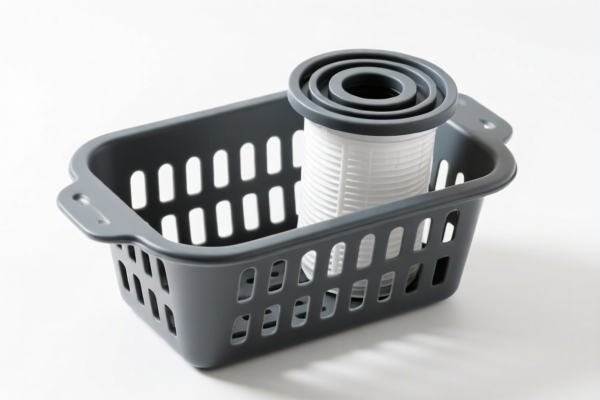
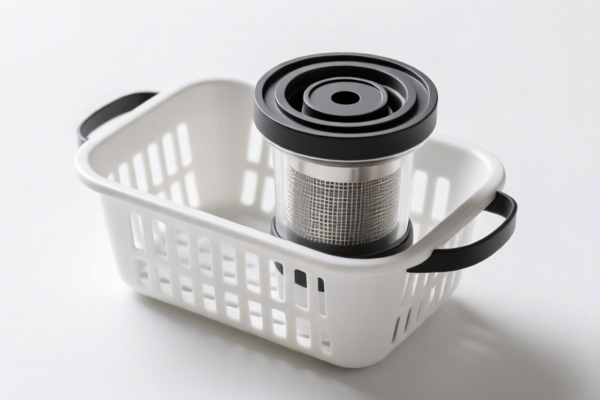
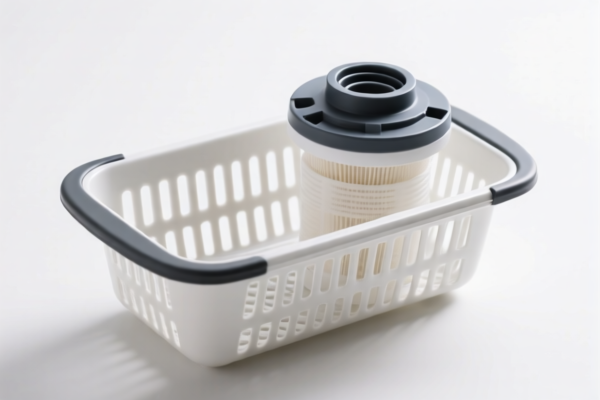
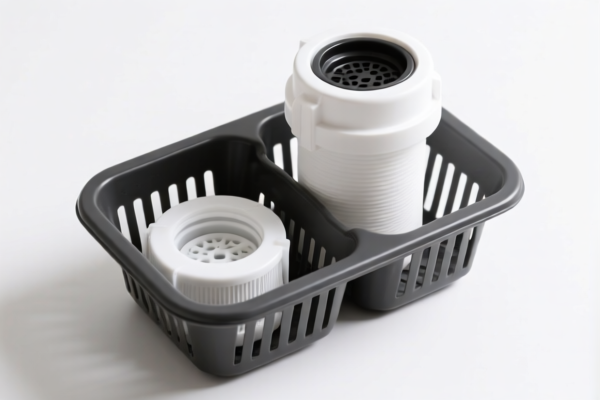
A Water Purifier Filter Basket (often referred to as a filter housing, filter holder, or cartridge casing) is a critical component in under-sink or whole-house water filtration systems. It serves as the protective shell that holds replaceable filter cartridges (such as PP cotton, activated carbon, or RO membranes) and connects them to the water supply lines.
In international trade, the classification depends strictly on Material and Function:
1. Plastic Components (ABS, PP, PE): Most common for residential systems. Classified under Chapter 39 (Plastics).
2. Metal Components (Stainless Steel, Brass, Iron): Common for high-pressure or industrial systems. Classified under Chapter 73 (Iron/Steel) or 74 (Copper).
3. Wooden Components: Rare, but if applicable, falls under Chapter 44.
⚠️ Key Distinction:
- If it is a finished housing unit ready to hold filters → It is a Household/Artificial Plastic/Ironware Item or Kitchen Utensil depending on material.
- If it is merely a part of a larger filtration machine (with pumps/electronics) → It might be a part of Chapter 84/85, but often "Filter Baskets" are sold as standalone accessories, thus falling under their material chapter.
- Crucial Note for the Data Provided: The provided data focuses on Household/Kitchen Items logic. We will analyze based on the most likely scenarios: Plastic Kitchen/Household items and Metal Kitchen/Household items.
📦 Two: HS Code Classification Detail (Based on Provided Data)
The provided data suggests classification under Chapter 39 (Plastics) and Chapter 44/73 (Wood/Metal) specifically for "Kitchen Utensils" or "Household Articles."
| HS Code | Product Description | Material Inference | Key Logic & Summary |
|---|---|---|---|
| 3924.10.40.00 | Tableware, Kitchenware, and Other Household Articles of Plastic | Plastic (PP/ABS/PE) | Plastic Kitchen Utensils. Directly fits the definition of a plastic basket used in a kitchen/household water system. |
| 3924.90.56.50 | Other Tableware, Kitchenware, and Household Articles of Plastic | Plastic (Generic) | Plastic "Other" Household Items. A catch-all for plastic filter baskets that don't fit specific sub-categories like cups/plates. |
| 4419.90.91.00 | Wooden Table and Kitchen Utensils | Wood (Rare) | Wooden Kitchen Utensils. Only if the basket is uniquely crafted from wood (uncommon for water filters due to rot, but possible for decorative external casings). |
| 4419.90.11.00 | Wooden Tableware and Kitchen Utensils | Wood (Specific) | Wooden Kitchen Utensils (Specific). Another wooden category, likely for specific utensil types. |
| 7323.99.90.30 | Table, Kitchen, and Other Household Articles of Iron or Steel | Metal (Iron/Steel) | Metal Kitchen/Household Items. For stainless steel or iron filter housings. High tax due to steel/aluminum tariffs. |
| 7323.99.90.80 | Other Tableware, Kitchenware, and Household Articles of Iron or Steel | Metal (Iron/Steel) | Metal "Other" Household Items. The fallback category for metal filter baskets/housings not in specific sub-headings. |
🔍 Critical Analysis of the Data:
- The data does not include HS codes from Chapter 84 (Machinery/Plumbing Fittings). This implies the importer is treating the Filter Basket as a Consumer Good (Household/Kitchen Item) rather than a mechanical part of a filtration system.
- Plastic vs. Metal: Plastic options have significantly lower tariffs. Metal options face heavy punitive tariffs (up to 88.4%).
- Wood: Highly unlikely for functional water filters but included in the dataset. Treat as low-probability.
💰 Three: 2026 Latest Tariff Rate Details (Including Additional Taxes)
✅ Applicable Country: United States (US)
✅ Country of Origin: China (CN)
✅ Effective Date: Tariffs include Section 301 and Section 232/122 measures as per data.
🎯 1. Plastic Options (Most Common for Filter Baskets)
A. 3924.10.40.00 – Plastic Tableware/Kitchenware
| Item | Content |
|---|---|
| Base Tariff | 3.4% |
| Section 301 (Additional) | 0.0% |
| Section 122 (Additional) | 10% |
| Total Tax Rate | 13.4% |
| Tax Calculation | CIF Value × 13.4% |
| De Minimis Exemption | ❌ No (Typically affected by trade remedies) |
| Legal Path | HTSUS:3924.10.40.00 + Section 122 |
📌 Explanation:
- This is the most cost-effective classification for plastic filter baskets.
- Base rate is low, and no Section 301 tariff applies to this specific sub-head according to the data.
- Only the 10% Section 122 tariff applies.
B. 3924.90.56.50 – Other Plastic Household Items
| Item | Content |
|---|---|
| Base Tariff | 3.4% |
| Section 301 (Additional) | 7.5% |
| Section 122 (Additional) | 10% |
| Total Tax Rate | 20.9% |
| Tax Calculation | CIF Value × 20.9% |
| De Minimis Exemption | ❌ No |
| Legal Path | HTSUS:3924.90.56.50 + Section 301 + Section 122 |
📌 Explanation:
- Slightly higher due to the 7.5% Section 301 tariff.
- Use this if3924.10.40.00is rejected by customs for not being "tableware" but still a plastic household item.
🎯 2. Metal Options (Stainless Steel/Iron Housings)
A. 7323.99.90.30 – Iron/Steel Table/Kitchen/Household Articles
| Item | Content |
|---|---|
| Base Tariff | 3.4% |
| Section 301 (Additional) | 25.0% |
| Section 122 (Additional) | 10% |
| Section 232 (Steel/Aluminum/Copper) | 50% |
| Total Tax Rate | 88.4% |
| Tax Calculation | CIF Value × 88.4% |
| De Minimis Exemption | ❌ No |
| Legal Path | HTSUS:7323.99.90.30 + Section 301 + Section 122 + Section 232 |
📌 Warning:
- This is an extremely high tax bracket.
- The 50% tariff is triggered by the Section 232 measure targeting Steel, Aluminum, and Copper products.
- If your filter basket is stainless steel, it will likely trigger this penalty.
B. 7323.99.90.80 – Other Iron/Steel Household Articles
| Item | Content |
|---|---|
| Base Tariff | 3.4% |
| Section 301 (Additional) | 25.0% |
| Section 122 (Additional) | 10% |
| Section 232 (Steel/Aluminum/Copper) | 50% |
| Total Tax Rate | 88.4% |
| Tax Calculation | CIF Value × 88.4% |
| De Minimis Exemption | ❌ No |
📌 Warning:
- Identical tax structure to above.
- No savings in using this "other" sub-category if the material is still steel/iron.
🎯 3. Wooden Options (Low Probability)
A. 4419.90.91.00 – Wooden Table/Kitchen Utensils
| Item | Content |
|---|---|
| Base Tariff | 3.2% |
| Section 301 (Additional) | 7.5% |
| Section 122 (Additional) | 10% |
| Total Tax Rate | 20.7% |
B. 4419.90.11.00 – Wooden Tableware/Kitchen Utensils
| Item | Content |
|---|---|
| Base Tariff | 5.3% |
| Section 301 (Additional) | 0.0% |
| Section 122 (Additional) | 10% |
| Total Tax Rate | 15.3% |
📌 Note:
- Wooden filter baskets are highly unusual for water purification due to moisture absorption and bacterial growth.
- If this is a decorative external casing only, and not the water-contact part, customs might accept this.
-4419.90.11.00offers the lowest tax (15.3%) among all options, but material suitability is critical.
🛠️ Four: Customs Clearance Practical Advice (Real-World Pitfalls)
✅ 1. Material Declaration is Key (The "Plastic" Advantage)
| Material | Recommendation | Reason |
|---|---|---|
| Plastic (PP/ABS) | ✅ Strongly Recommended | Lowest tax (13.4% - 20.9%). No Section 232 steel penalties. |
| Stainless Steel | ⚠️ High Risk | 88.4% tax makes it economically unviable unless added value is huge. |
| Wood | ❌ Not Recommended | Unhygienic for water contact. High risk of rejection for sanitary reasons. |
📌 Strategy:
- If your product is plastic, always declare it as "Plastic Household/Kitchen Article".
- Avoid declaring stainless steel baskets as "Plastic" (Fraud).
- If using stainless steel, consider if it can be classified as a part of a filtration machine (Chapter 84) to potentially avoid Section 232, but this requires complex documentation and is risky under the provided data scope.
✅ 2. Declaration Tips (Key Keywords)
🔥 “Material First, Function Second, Kitchen Link Strong!”
| Scenario | Correct Declaration | Wrong Declaration |
|---|---|---|
| Plastic Basket | "Plastic Water Filter Housing for Kitchen Use" | "Plastic Pipe Fitting" (Misclassification) |
| Steel Basket | "Stainless Steel Filter Housing, Household Type" | "Steel Pipe" (May trigger different, still high, tariffs) |
| Wooden Basket | "Wooden Decorative Filter Cover" | "Wooden Spoon" (Fraud) |
✅ 3. Special Case Handling
| Situation | Handling Advice |
|---|---|
| Assembly Required | If the basket comes with O-rings, screws, and tubes, declare as complete kit. Do not split into parts to avoid multi-tier taxes. |
| Sanitary Certification | For plastic items, provide FDA/LFGB compliance docs. Customs may inspect for food-contact safety. |
| Origin Marking | Ensure "Made in China" is marked. Triggering Section 301/122 is automatic for Chinese origin. |
| Steel vs. Iron | Both fall under Chapter 73 and incur the 50% Section 232 tariff. No distinction in tax rate in the provided data. |
🌍 Five: Global Market Comparison (2026 Latest)
| Country/Region | Recommended HS Code | Tariff (China Origin) | Certification | Note |
|---|---|---|---|---|
| 🇺🇸 USA | 3924.10.40.00 (Plastic) |
13.4% | FDA, NSF | Lowest among provided options. |
| 🇺🇸 USA | 7323.99.90.30 (Steel) |
88.4% | FDA, NSF | Avoid steel if possible. |
| 🇨🇳 China | 3924.10.40.00 |
5-10% | GB Standards | Lower taxes domestically. |
| 🇪🇺 EU | 3924.10.00 |
4-6% | CE, LFGB | No Section 301/232 equivalent. |
| 🇨🇦 Canada | 3924.10.40 |
5-6% | Health Canada | Lower taxes than US. |
📌 Conclusion:
- The US market is hostile to steel filter baskets due to Section 232.
- Plastic is the only viable path for cost-effective entry into the US market under this classification logic.
- Consider manufacturing plastic parts in Vietnam/Mexico to avoid Section 301 and 232 tariffs entirely (if eligible for rules of origin).
📌 Six: Common Mistakes & Pitfalls (Blood & Tears Lessons)
❌ Mistake 1: Declaring a Stainless Steel basket as "Plastic"
👉 Consequence: Severe penalties, fines, and potential criminal charges for customs fraud.
👉 Result: Seizure of goods + 3x penalty.
❌ Mistake 2: Ignoring the Section 232 Steel Tariff
👉 Consequence: Budget calculated at 3.4% base, but actual bill is 88.4%.
👉 Result: Massive profit loss or loss-making shipment.
❌ Mistake 3: Splitting the basket from its Mounting Hardware
👉 Consequence: Mounting hardware may be classified separately, potentially triggering higher combined taxes or delays.
👉 Result: Increased administrative burden.
❌ Mistake 4: Using "Filter Part" without specifying material
👉 Consequence: Customs will assess the material. If ambiguous, they may assign the highest applicable duty.
👉 Result: Delay in clearance + storage fees.
✅ Correct Approach:
"PP Plastic Water Filter Housing, Model XYZ, for Under-Sink Installation, FDA Compliant, Made in China"
🎯 Seven: Conclusion: Smart Classification, Save Money!
🎯 Remember the Mantra:
🔹 "Plastic is King (13-20%), Steel is Killer (88%), Wood is Niche (15-20%)."
🔹 "Avoid Steel in the US, unless you have no choice."
🔹 "Declare Material Accurately, Or Pay the Price."
📌 Pro Tip:
If your volume is high, consult a customs broker to explore Chapter 84 (Machinery Parts) classification. While not in the provided data, sometimes complete filtration systems or their integral parts can be classified under machinery, which may have different (sometimes lower) tariff structures depending on specific rulings. However, for standalone baskets, Chapter 39 (Plastic) is the safest and cheapest bet.
📣 Immediate Action:
📞 Verify material with your supplier.
📦 If Plastic: Use3924.10.40.00.
📦 If Steel: Re-evaluate supplier or price.
🚀 Optimize your supply chain to avoid Section 301/232 penalties.
✨ Professional Clearance Starts with Accurate Classification!
💼 Your Every Dollar in Tariffs is Worth Counting!
Customer Reviews
About HS Code Classification
The Harmonized System (HS) is an internationally standardized nomenclature developed by the World Customs Organization (WCO) to classify traded products. Over 200 countries use the HS system as the basis for customs tariffs, trade statistics, and import/export regulations.
Each HS code follows a hierarchical structure:
- Chapter (2 digits) — Broad category of goods (e.g., Chapter 84: Machinery and Mechanical Appliances)
- Heading (4 digits) — More specific grouping within the chapter
- Subheading (6 digits) — Internationally standardized breakdown, used by all WCO member countries
- National subdivisions (8-10 digits) — Country-specific extensions for further classification, such as US HTSUS 10-digit codes
Correct HS code classification is essential for smooth customs clearance, accurate duty payment, and compliance with trade regulations. Misclassification can lead to customs delays, overpayment of duties, or penalties.
When importing from CN to US, the applicable tariff rates may include:
- Most-Favored-Nation (MFN) rate — The standard duty rate applied to WTO members
- General rate — Applied to countries without trade agreements
- Trade remedy duties — Additional tariffs such as Section 301 (anti-dumping), Section 232 (national security), or countervailing duties
The information provided on this page is for reference purposes only. For official classification, please consult with your local customs authority or a licensed customs broker.