Water based Gold Paint
CN → US| HS Code | Tariff Rate | Origin | Destination | Doc |
|---|---|---|---|---|
| 3209900000 | 40.9% | CN | US | Official Doc |
| 3209100000 | 40.1% | CN | US | Official Doc |
Product Images
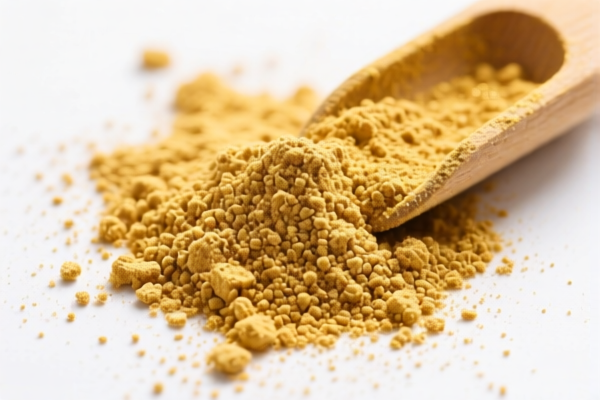
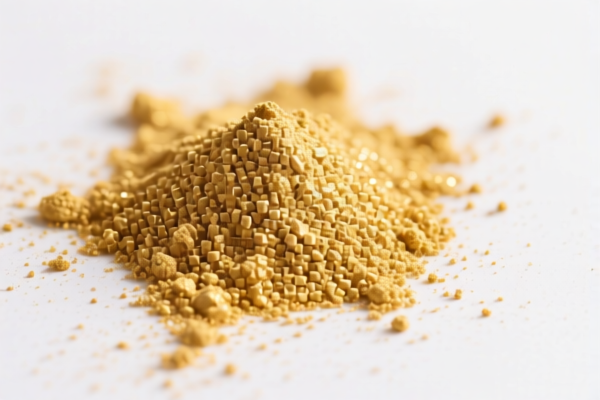
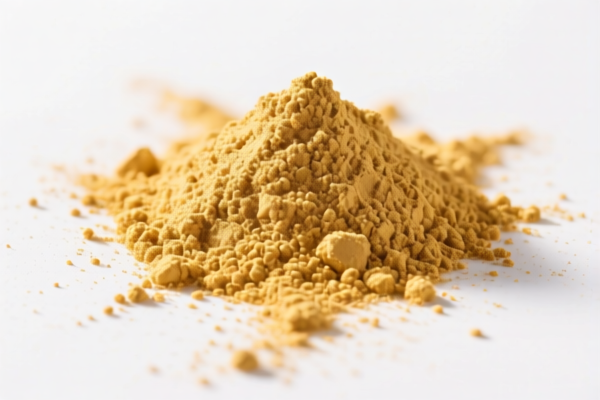
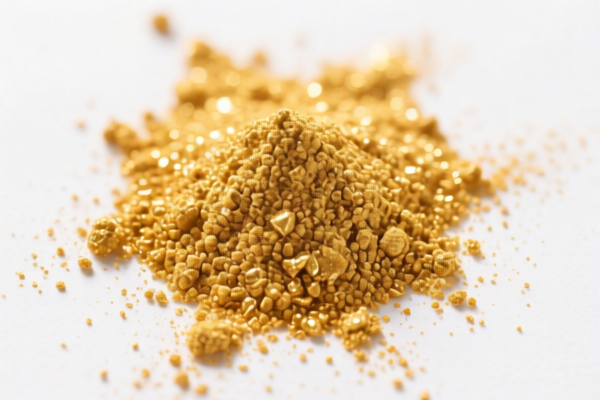
AI Analysis
🎨 Water Based Gold Paint (Aqueous Medium)
🌐 HS Code Classification & Customs Clearance Guide | 2026 Updated Tariff Analysis | Professional Compliance Strategy
📌 I. Product Definition & Classification: Do You Know What "Water Based Gold Paint" Really Is?
"Water Based Gold Paint" is a decorative and protective coating where the pigment (gold mica or metallic powder) is dispersed in an acrylic, vinyl, or synthetic polymer binder, with water as the primary solvent/dispersing medium.
In international trade, the critical distinction lies in the chemical basis of the polymer and the state of dispersion:
1. Based on Acrylic or Vinyl Polymers (HS 3209.10)
If the binder is specifically acrylic (e.g., waterborne acrylic emulsion) or vinyl (e.g., PVC/VAE emulsion), it falls under the specific subheading for these polymers.
Common Use*: Interior wall paints, wood finishes, consumer crafts, eco-friendly decorative coatings.
2. Other Synthetic/Chemically Modified Polymers (HS 3209.90)
If the binder is a different synthetic polymer (e.g., polyurethane dispersion, epoxy-amine hybrid not classified as acrylic/vinyl, or chemically modified natural polymers like modified alkyds), it falls under the "Other" category.
Common Use*: Industrial coatings, high-durability exterior paints, specialized metallic effects.
⚠️ Key Distinction:
- If the label says "Waterborne Acrylic" or "Acrylic Emulsion" → Classify under 3209.10.00.00
- If the label says "Latex" (generic) or "Polyurethane" (water-based) or does not specify acrylic/vinyl → Classify under 3209.90.00.00
- Note: "Gold" is just the pigment/color; it does not change the chemical classification of the binder.
📦 II. HS Code Classification Details (2026最新税则权威对照)
Based on the provided data, here are the two relevant HS Codes and their tax implications for imports into the US (assuming China origin, as implied by the tariff structure in the source data):
| HS Code | Product Description | Key Chemical Basis | Applicable Scenario |
|---|---|---|---|
3209.10.00.00 |
Based on acrylic or vinyl polymers | Acrylic emulsions, Vinyl acetate-ethylene (VAE) | Eco-friendly wall paints, interior decor, low-VOC metallic paints |
3209.90.00.00 |
Other | Polyurethane dispersions, epoxy, chemically modified natural polymers | Industrial coatings, high-performance exterior paints, non-acrylic latex paints |
🔍 Critical Reminder:
- Do not classify based on color ("Gold").
- Do not confuse with "Paints based on organic solvents" (which would be 3208/3209 non-aqueous). This product must be dispersed or dissolved in an aqueous medium.
- If the product is a primer or finish that is acrylic-based, use3209.10.00.00. If it is a polyurethane-based waterborne gold paint, use3209.90.00.00.
💰 III. 2026 Latest Tariff Rate Details (Including Additional Duties)
✅ Applicable Country: United States (US)
✅ Country of Origin: China (CN) (Based on the tariff structure provided: Base + Additional)
✅ Effective Date: Current (2025-2026 Trade Framework)
🎯 1. 3209.10.00.00 —— Based on Acrylic or Vinyl Polymers
| Item | Detail |
|---|---|
| Base Tariff | 0.0% (ad valorem) |
| Additional Tariff (Section 301) | 0.0% |
| Total Effective Tax Rate | 0.0% |
| Tax Calculation | CIF Value × 0% = $0 |
| De Minimis Eligibility | ✅ Yes (if value < $800, no duty entry required for personal shipments, but commercial shipments still need entry) |
| Legal Basis | USITC Harmonized Tariff Schedule HTSUS 3209.10.00.00 |
📌 Explanation:
- Water-based acrylic paints from China are currently exempt from the additional Section 301 tariffs that affect many other chemical products.
- This is a highly favorable classification for cost-saving.
- Why? The USITC has historically treated many aqueous acrylic polymer preparations differently due to domestic production capacity and trade agreements.
🎯 2. 3209.90.00.00 —— Other (Non-Acrylic/Vinyl)
| Item | Detail |
|---|---|
| Base Tariff | 5.9% (ad valorem) |
| Additional Tariff (Section 301) | 25.0% |
| Total Effective Tax Rate | 30.9% |
| Tax Calculation | CIF Value × 30.9% |
| De Minimis Eligibility | ❌ No (Subject to full duty assessment if declared) |
| Legal Basis | USITC Harmonized Tariff Schedule HTSUS 3209.90.00.00 |
📌 Explanation:
- If the paint is not acrylic or vinyl (e.g., waterborne polyurethane gold paint), it falls into the "Other" bucket.
- It attracts the standard base duty plus the aggressive 25% Section 301 additional tariff.
- Total 30.9% is a significant cost driver.
🛠️ IV. Customs Clearance Practical Advice (Battle-Tested Pitfall Guide)
✅ 1. Required Documentation Checklist (Do Not Miss Any)
| Document | Required | Purpose |
|---|---|---|
| ✅ Product Formula / MSDS | ✔️ | Crucial: Proves the polymer type (Acrylic vs. Polyurethane). Must state "Water-Based" and "Aqueous Medium". |
| ✅ Certificate of Composition | ✔️ | Declares % of Acrylic/Vinyl vs. Other polymers. |
| ✅ Product Photos | ✔️ | Show label, container, and "Gold" pigment appearance. |
| ✅ Commercial Invoice | ✔️ | Clearly state: "Waterborne Gold Paint, Acrylic Based" OR "Waterborne Gold Paint, Polyurethane Based". |
| ✅ Packing List | ✔️ | Volume and weight details. |
✅ 2. Declaration Tips (Key Mnemonics)
🔥 “Check the Binder, Not the Color; Acrylic is Free, Other is Costly!”
| Scenario | Correct Declaration | Incorrect Declaration | Consequence |
|---|---|---|---|
| Acrylic-based gold paint | 3209.10.00.00 - "Water-based acrylic paint with gold pigment" |
"Gold Paint" (Vague) | Customs may default to 3209.90.00.00 → 30.9% Tax |
| Polyurethane water-based gold paint | 3209.90.00.00 - "Water-based polyurethane metallic paint" |
"Acrylic Paint" (False) | Fraud/penalty risk if tested |
| Oil-based gold paint | Not HS 3209 (Likely 3208 or 3209 non-aqueous) | "Water-based" | Misclassification → Seizure |
✅ 3. Special Handling Cases
| Case | Advice |
|---|---|
| "Latex" Paint | "Latex" is a common term for water-based paint, but often acrylic. Ask supplier for the chemical binder. If it’s acrylic, use 3209.10.00.00. |
| Metallic Flake Content | The gold effect is usually mica with coating (titanium dioxide/iron oxide) or aluminum. This does not change the HS code from 3209. It remains a paint. |
| Samples vs. Commercial | For commercial imports, the chemical composition must be declared. For samples under $800, de minimis may apply, but accurate classification is still required. |
| Eco-Friendly Claims | Even if "Zero VOC," if it’s not acrylic/vinyl, it may still be 3209.90.00.00. Don’t assume "eco" = "acrylic." |
🌍 V. Global Market Comparison (2026 Latest)
| Country/Region | Recommended HS Code | Tariff (China Origin) | Key Certification | Notes |
|---|---|---|---|---|
| 🇺🇸 United States | 3209.10.00.00 (Acrylic) |
0.0% | - | Best Market for Acrylic |
| 🇺🇸 United States | 3209.90.00.00 (Other) |
30.9% | - | High Cost for Non-Acrylic |
| 🇨🇳 China | 3209.10.00.00 |
5.0% | CCC (if applicable) | Low import tax for China |
| 🇪🇺 EU | 3209.40.00 (Acrylic) |
6.5% | REACH | Different HS structure; check subheadings |
| 🇬🇧 UK | 3209.10.00 |
6.5% | UKCA/REACH | Post-Brexit rates similar to EU |
📌 Conclusion:
- The US market is exceptionally favorable for WATER-BASED ACRYLIC GOLD PAINTS (0% duty).
- NON-ACRYLIC water-based gold paints face a 30.9% duty hit.
- Strategy: If you are exporting to the US, ensure your product is formulated with an Acrylic or Vinyl binder to qualify for3209.10.00.00.
📌 VI. Common Errors & Pitfalls (Lessons Learned)
❌ Error 1: Assuming "Latex Paint" is automatically 0% duty.
👉 Reality: If the latex is PVC/Vinyl-based, it’s still 0%. But if it’s Polyurethane-based, it’s 30.9%. Must verify chemical binder.
❌ Error 2: Declaring "Gold Paint" without specifying "Water-Based".
👉 Reality: If it’s solvent-based, it might be classified under 3208.90 or 3209.90 (non-aqueous), which could have different tax rates (often higher).
❌ Error 3: Using "Metallic Paint" classification.
👉 Reality: There is no separate HS for "metallic." It’s still a paint based on its polymer. The metal is just a pigment.
❌ Error 4: Ignoring the "Aqueous Medium" requirement.
👉 Reality: If the paint contains more than 10% organic solvents, it may not be considered "aqueous" under HTSUS notes, leading to reclassification.
✅ Correct Declaration Example:
"Water-Based Acrylic Emulsion Paint with Gold Metallic Pigment, For Interior Wood Use, VOC < 50g/L, HS 3209.10.00.00"
🎯 VII. Conclusion: Precision Classification Saves Money!
🎯 Remember the Mantra:
🔹 "Acrylic/Vinyl = 0% Duty"
🔹 "Other Polymers = 30.9% Duty"
🔹 "Color (Gold) is Irrelevant; Binder is Everything!"
📌 Pro Tip:
If you are formulating your own paint, choose an Acrylic or Vinyl emulsion for US export to avoid the 30.9% tariff. If your product is Polyurethane-based, consider:
1. Absorbing the cost (if margin allows).
2. Reformulating to an acrylic base.
3. Third-country Transshipment (Not recommended due to strict rules of origin).
📣 Immediate Action:
📞 Confirm the Binder: Ask your supplier for the Chemical Safety Data Sheet (SDS) Section 3.
📊 Calculate: Is your product Acrylic/Vinyl? If yes, you save 30.9%.
🚀 Classify Correctly:3209.10.00.00is your golden ticket for US imports.
✨ Professional Classification Starts with Chemistry!
💼 Every Percent of Duty Saved is Profit Gained!
Customer Reviews
About HS Code Classification
The Harmonized System (HS) is an internationally standardized nomenclature developed by the World Customs Organization (WCO) to classify traded products. Over 200 countries use the HS system as the basis for customs tariffs, trade statistics, and import/export regulations.
Each HS code follows a hierarchical structure:
- Chapter (2 digits) — Broad category of goods (e.g., Chapter 84: Machinery and Mechanical Appliances)
- Heading (4 digits) — More specific grouping within the chapter
- Subheading (6 digits) — Internationally standardized breakdown, used by all WCO member countries
- National subdivisions (8-10 digits) — Country-specific extensions for further classification, such as US HTSUS 10-digit codes
Correct HS code classification is essential for smooth customs clearance, accurate duty payment, and compliance with trade regulations. Misclassification can lead to customs delays, overpayment of duties, or penalties.
When importing from CN to US, the applicable tariff rates may include:
- Most-Favored-Nation (MFN) rate — The standard duty rate applied to WTO members
- General rate — Applied to countries without trade agreements
- Trade remedy duties — Additional tariffs such as Section 301 (anti-dumping), Section 232 (national security), or countervailing duties
The information provided on this page is for reference purposes only. For official classification, please consult with your local customs authority or a licensed customs broker.