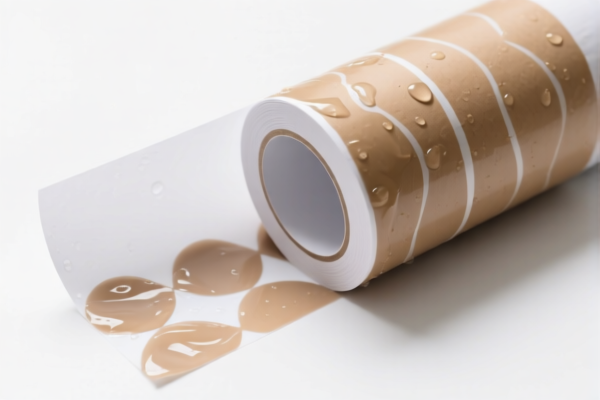
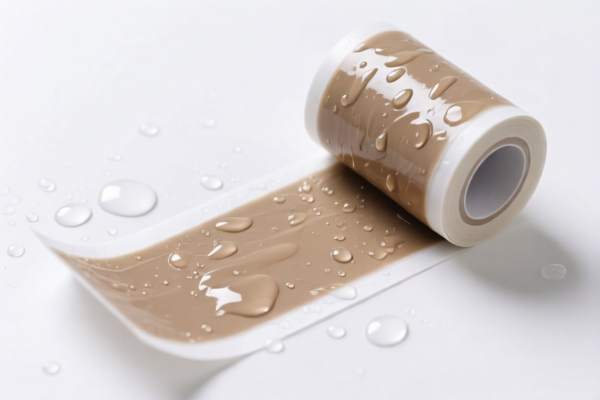
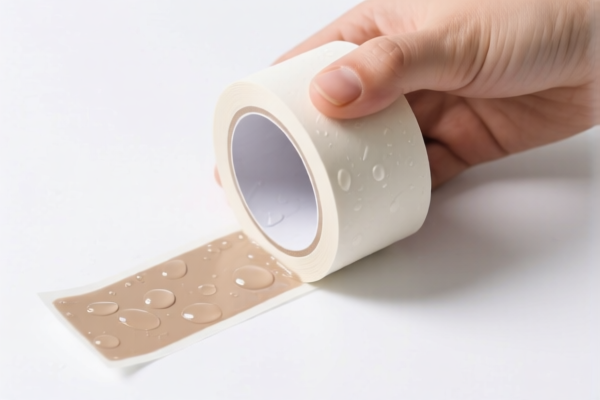
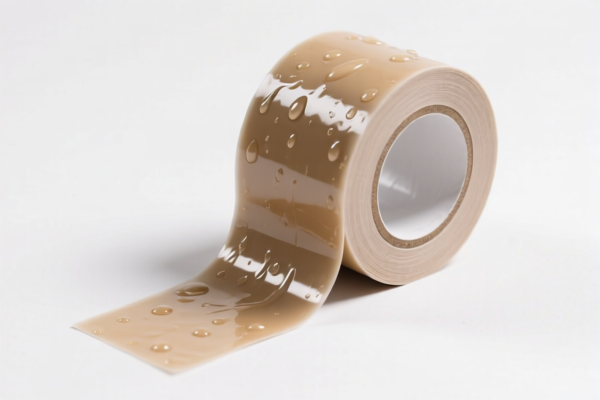
Waterproof Color Photo Paper
CN → US| HS Code | Tariff Rate | Origin | Destination | Doc |
|---|---|---|---|---|
| 4810141140 | 35.0% | CN | US | Official Doc |
| 3704000000 | 35.0% | CN | US | Official Doc |
| 3702550060 | 35.0% | CN | US | Official Doc |
| 3923900080 | 38.0% | CN | US | Official Doc |
| 3702520160 | 38.7% | CN | US | Official Doc |
Product Images
AI Analysis
📸 Waterproof Color Photo Paper: The Ultimate HS Code Classification & Taxation Guide (USA/China Trade)
🌐 HS Code Reference & Customs Clearance Guide | 2024/2025 Latest Tariff Analysis | Professional Clearance Strategy
📌 I. Product Definition & Classification: What Exactly Is "Waterproof Color Photo Paper"?
Waterproof Color Photo Paper is a specialized photographic material designed for high-quality color imaging with enhanced durability. Unlike standard glossy or matte paper, it features a water-resistant coating (often polymer-based) that protects prints from moisture, humidity, and fading.
In international trade, this product is typically categorized in two main ways depending on its material structure and primary use:
- Coated Paper for Printing/Photography: If it is primarily a paper-based product with a special coating for inkjet/laser printing.
- Photographic Film/Sensitive Material: If it is a light-sensitive emulsion on a plastic or other non-paper base (though "paper" in the name usually points to Paper Codes).
⚠️ Key Distinction Point: - If it is paper-based (wood pulp/cellulose) with a waterproof coating →归类 to Chapter 48 (Paper Products). - If it is a light-sensitive film (even if labeled "waterproof" for protection) → 归类 to Chapter 37 (Photographic Goods). - If it is a plastic sheet/packaging holding the paper → 归类 to Chapter 39 (Plastics).
📦 II. HS Code Classification Details (Latest Tariff Schedule)
Based on the provided data, here are the specific HS Codes and their rationales for "Waterproof Color Photo Paper":
| HS Code | Product Description | Rationale & Application | Tax Rate Summary |
|---|---|---|---|
4810.14.11.40 |
Waterproof Coated Paper (Non-Baryta) | Primary Match. This is a paper product with a coating suitable for photographic/printing use. It is explicitly described as "Non-baryta coated" (non-barium white coated), distinguishing it from traditional black-and-white photographic paper. | 35.0% |
3704.00.00.00 |
Color Photographic Plates/Film | Alternative Match. If the product is technically a film (not paper) but marketed as "photo paper" due to its use in photography. It is classified as light-sensitive material. | 35.0% |
3702.55.00.60 |
Color Photographic Film (Non-paper/non-textile) | Alternative Match. For color rolls or sheets that are light-sensitive but made of non-paper materials (e.g., polyester base). The "waterproof" attribute doesn't change the core identity as a light-sensitive film. | 35.0% |
3923.90.00.80 |
Plastic Articles (Packaging/Transport) | Misclassification Risk. If customs determines the item is actually a plastic sheet used for packaging or transporting photos, rather than the printing medium itself. This is a lower-value material classification. | 38.0% |
3702.52.01.60 |
Color Photographic Film (Other) | Alternative Match. Another sub-category for light-sensitive film not made of paper or textile. Used when the product is strictly a film stock but fits less precisely into other film codes. | 38.7% |
🔍 Critical Insight: - The majority of commercial "Waterproof Photo Paper" sold for inkjet printing falls under
4810.14.11.40because it is physically paper with a protective coating. - Codes3704and3702are for light-sensitive films (like slide film or negative film). Use these ONLY if the product is truly a chemical-emulsion film, not a coated paper sheet. - Code3923is risky; it implies the item is plastic packaging, which may trigger higher duties and incorrect product description penalties.
💰 III. Detailed Tariff Rate Breakdown (China Export to USA)
✅ Applicable Country: United States (US)
✅ Origin: China (CN)
✅ Effective Time: 2024/2025 Tariff Schedule
🎯 1. Primary Classification: 4810.14.11.40 (Coated Paper)
| Item | Details |
|---|---|
| Base Duty Rate | 0.0% (Free under standard MFN) |
| Section 301 Duty | +25.0% (USTR List 3/4 Exclusions) |
| IEEPA Duty | +10.0% (122 Clause: Targeted Chinese Imports) |
| Total Duty Rate | 35.0% |
| Calculation Base | CIF Value (Cost + Insurance + Freight) × 35% |
| De Minimis Exemption | ❌ NOT APPLICABLE (deny_de_minimis) |
| Legal Basis | IEEPA:9903.01.25 → USITC:4810.14.11.40 → SECTION:301 |
📌 Explanation: - The base rate for coated paper is 0%, but U.S. Trade Law imposes significant surcharges on Chinese goods. - 25% is the standard Section 301 tariff for many paper products. - 10% is an additional levy under IEEPA (International Emergency Economic Powers Act) targeting specific Chinese categories. - Total: 35%. This is a high-cost item for exporters.
🎯 2. Alternative Classification: 3702.52.01.60 (Photographic Film)
| Item | Details |
|---|---|
| Base Duty Rate | 3.7% |
| Section 301 Duty | +25.0% |
| IEEPA Duty | +10.0% |
| Total Duty Rate | 38.7% |
| Calculation Base | CIF Value × 38.7% |
| De Minimis Exemption | ❌ NOT APPLICABLE |
📌 Warning: - Misclassifying paper as film leads to a 3.7% base rate but still incurs the same 35% surcharges, resulting in a higher total tax (38.7%) than the correct paper classification (35.0%). - Do not use this code unless the product is genuinely light-sensitive film.
🎯 3. Risk Classification: 3923.90.00.80 (Plastic)
| Item | Details |
|---|---|
| Base Duty Rate | 3.0% |
| Section 301 Duty | +25.0% |
| IEEPA Duty | +10.0% |
| Total Duty Rate | 38.0% |
| Risk Level | 🔴 HIGH |
📌 Risk: - Customs may reject this if you declare it as "photo paper" but the HS code implies "plastic packaging." - Discrepancy between description and code can lead to seizure, fines, or delayed clearance.
🛠️ IV. Customs Clearance Best Practices (Avoiding Pitfalls)
✅ 1. Required Documentation Checklist
| Document | Mandatory? | Description |
|---|---|---|
| ✅ Product Specification Sheet | ✔️ | Must clearly state: "Paper-based," "Waterproof Coating," "Non-light-sensitive." |
| ✅ Composition Analysis | ✔️ | Proof that the base is paper/cellulose, not plastic or film. |
| ✅ Photos of Product & Packaging | ✔️ | Show the waterproof coating texture and branding. |
| ✅ Commercial Invoice | ✔️ | Clearly describe as "Waterproof Coated Paper for Photographic Use," NOT "Film." |
| ✅ Certificate of Origin (CO) | ✔️ | Required to verify Chinese origin for tariff calculation. |
✅ 2. Declaration Strategy (Golden Rules)
🔥 “Paper is Paper, Film is Film, Coating Defines the Code!”
| Scenario | Correct HS Code | Incorrect Code | Consequence |
|---|---|---|---|
| Inkjet Printable Paper | 4810.14.11.40 |
3702.55.00.60 |
Overpayment (38.7% vs 35%) + Potential Misclassification Fine |
| Light-Sensitive Slide Film | 3704.00.00.00 |
4810.14.11.40 |
Undervaluation/Incorrect Goods → Seizure & Penalty |
| Plastic Backing for Paper | 4810.14.11.40 (if primary) |
3923.90.00.80 |
Customs rejects "plastic" code for paper product → Delay |
✅ 3. Special Handling for "Waterproof" Attribute
- Clarify "Waterproof": In declarations, specify that "waterproof" refers to the inkjet-receiving layer or protective overcoat, not that the product is a plastic sheet.
- Avoid "Photo Paper" Ambiguity: Use precise terms like "Coated Paper for Inkjet Printing" to align with
4810. - Exclude Light-Sensitivity: Explicitly state "Not Light-Sensitive" in the description to avoid Chapter 37 classification.
🌍 V. Global Market Comparison (2024/2025)
| Region | Recommended HS Code | Estimated Duty (China Origin) | Key Certification |
|---|---|---|---|
| 🇺🇸 USA | 4810.14.11.40 |
35.0% (High due to 301/IEEPA) | None specific, but FDA compliance for inks if applicable |
| 🇨🇳 China (Import) | 4810.14.11.40 |
5-8% | CCC (if coated chemicals regulated) |
| 🇪🇺 EU | 4810.14.11.40 |
0-4% (General) | REACH Compliance for coatings |
| 🇯🇵 Japan | 4810.14.11.40 |
0-6% | JIS Standards for paper quality |
📌 Conclusion: - The USA imposes the highest barrier due to trade wars (Section 301 + IEEPA). - China origin is critical; products from Vietnam or Thailand may avoid some tariffs (check specific rules of origin). - Always prioritize
4810for paper-based photo products.
📌 VI. Common Errors & Blood-Curdling Lessons
❌ Error 1: Declaring "Waterproof Photo Paper" as 3702 (Film)
👉 Result: Customs audits find it’s paper → 3.7% base rate becomes 38.7% total + fine for misclassification.
❌ Error 2: Using 3923 (Plastic) for Paper
👉 Result: Customs sees "Paper" in description, "Plastic" in code → Cargo Held, Inspection Required, Possible Return.
❌ Error 3: Ignoring IEEPA 10% 👉 Result: Budgeting only for 25% tax → Profit Margin Erosion when the extra 10% hits.
✅ Correct Approach:
“Waterproof Coated Paper for Inkjet Printing, Paper Base, Non-Light-Sensitive, Model XYZ” →
4810.14.11.40
🎯 VII. Conclusion: Precision Saves Profits!
🎯 Remember the Mantra:
🔹 “Paper is 35%, Film is 38.7%, Plastic is 38%. Don’t Guess, Just Know!” 🔹 “Coating Type Defines Chapter 48, Light Sensitivity Defines Chapter 37.”
📌 Pro Tip: If your product is exporting to the USA, ensure your supplier provides a Material Safety Data Sheet (MSDS) for the coating chemicals to prove it’s not a hazardous plastic. Also, consider Advance Rulings from US Customs if shipping large volumes.
📣 Action Required:
📞 Consult a licensed customs broker before shipment. 🚀 Verify the HS Code pre-classification to avoid 35%+ shocks at the border. 💼 Your profit margin depends on accurate HS coding!
✨ Professional Clearance, Starting with the Right Code! 💼 Every Percent of Tax Saved is Pure Profit!
Customer Reviews
About HS Code Classification
The Harmonized System (HS) is an internationally standardized nomenclature developed by the World Customs Organization (WCO) to classify traded products. Over 200 countries use the HS system as the basis for customs tariffs, trade statistics, and import/export regulations.
Each HS code follows a hierarchical structure:
- Chapter (2 digits) — Broad category of goods (e.g., Chapter 84: Machinery and Mechanical Appliances)
- Heading (4 digits) — More specific grouping within the chapter
- Subheading (6 digits) — Internationally standardized breakdown, used by all WCO member countries
- National subdivisions (8-10 digits) — Country-specific extensions for further classification, such as US HTSUS 10-digit codes
Correct HS code classification is essential for smooth customs clearance, accurate duty payment, and compliance with trade regulations. Misclassification can lead to customs delays, overpayment of duties, or penalties.
When importing from CN to US, the applicable tariff rates may include:
- Most-Favored-Nation (MFN) rate — The standard duty rate applied to WTO members
- General rate — Applied to countries without trade agreements
- Trade remedy duties — Additional tariffs such as Section 301 (anti-dumping), Section 232 (national security), or countervailing duties
The information provided on this page is for reference purposes only. For official classification, please consult with your local customs authority or a licensed customs broker.