Waterproof Insulating Tape
CN → US| HS Code | Tariff Rate | Origin | Destination | Doc |
|---|---|---|---|---|
| 5906911000 | 37.7% | CN | US | Official Doc |
| 5604909000 | 40.0% | CN | US | Official Doc |
| 5906100000 | 37.9% | CN | US | Official Doc |
| 3919905030 | 40.8% | CN | US | Official Doc |
| 5604902000 | 43.8% | CN | US | Official Doc |
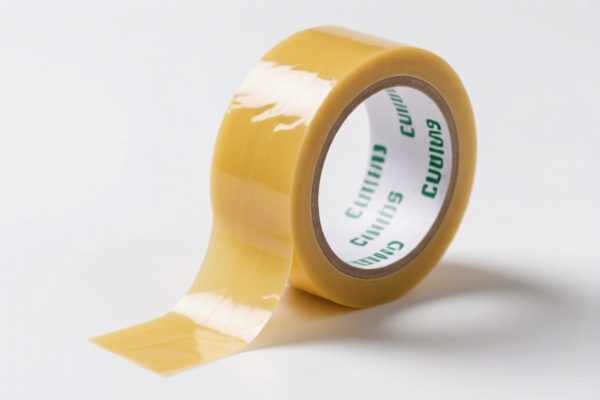
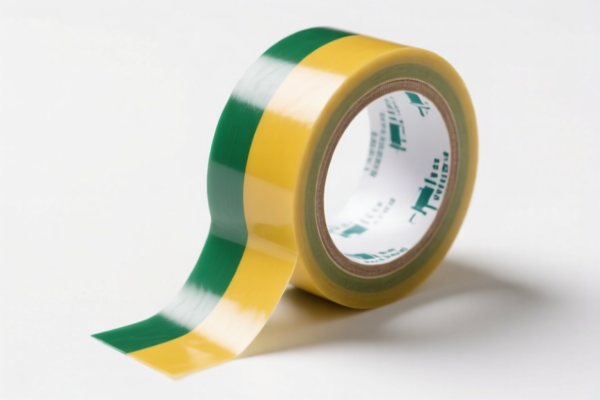
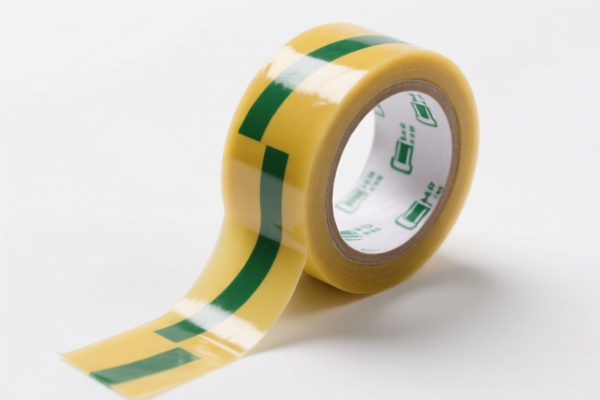
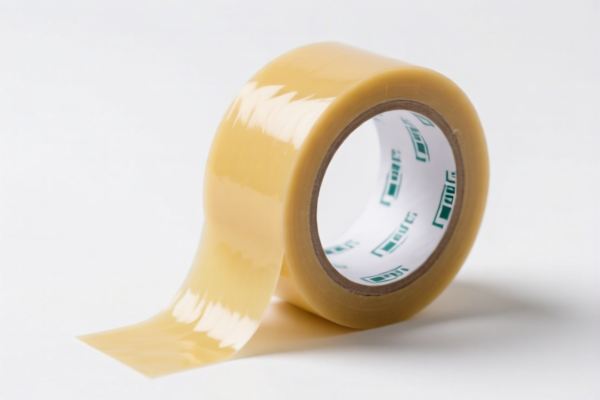
Product Images
AI Analysis
🛡️ Waterproof Insulating Tape (防水绝缘胶带)
🌐 HS Code Reference & Customs Clearance Guide | 2026 Latest Tariff Analysis | Professional Clearance Strategy
📌 1. Product Definition and Classification: What exactly is "Waterproof Insulating Tape"?
Waterproof insulating tape is a critical material used in electrical engineering, construction, and industrial maintenance. It combines adhesive properties with insulation and moisture resistance. In international trade, its classification hinges on two key factors: * Material Composition: Is the base textile coated with rubber/plastic, or is it entirely plastic/synthetic resin? * Physical Form: Is it a flexible coated fabric or a rigid/self-fusing synthetic strip?
⚠️ Key Classification Point:
- If the tape has a textile fabric base coated/impregnated with rubber or plastic → It falls under Chapter 59 (Impregnated Textile Fabrics).
- If the tape is made primarily of plastic/synthetic resin without a textile base → It falls under Chapter 39 (Plastics and Articles Thereof).
📦 2. HS Code Classification Details (2026 Latest Tariff Authority Comparison)
Based on the provided data, here are the five potential HS Codes and their specific justifications for "Waterproof Insulating Tape":
| HS Code | Product Description & Justification | Key Attribute |
|---|---|---|
5906.91.10.00 |
Rubberized Textile Fabrics: The product fits the attribute of "rubberized/coated textiles" because it combines adhesive agents with textile substrates or films. | ✅ High Alignment: "Waterproof" matches "Rubberized" material attribute; fits "Tape" form. |
5604.90.90.00 |
Coated Textile Materials: The tape contains rubber or plastic coatings/impregnations, fitting the material characteristic of "textile materials impregnated, coated, covered, or sheathed with rubber or plastic." | ✅ Material Focus: Emphasizes the "Impregnation/Coating" feature of polymers. |
5906.10.00.00 |
Rubberized Textiles for Specific Use: The "Waterproof" attribute aligns highly with "Rubberized" material definitions, meeting the "Tape" shape requirement. | ✅ Specific Sub-category: More specific than 5906.91, likely for certain rubberized goods. |
3919.90.50.30 |
Other Self-Adhesive Plastic Plates/Sheets/Film/Tape/Strip: The product is a flat strip shape, reasonably inferred as plastic/synthetic resin base, fitting the "Other" category usage inference. | ✅ Plastic Base: Assumes no textile fabric base, purely synthetic/plastic. |
5604.90.20.00 |
Coated/Impregnated Textile Yarns/Fabrics: The material likely contains polymer layers (plastic/rubber) for impregnation or coating, fitting the "Impregnated or Coated" shape feature. | ✅ Textile + Polymer: Strong emphasis on the composite nature of textile + polymer. |
🔍 Critical Reminder:
- If your tape is fabric-based (e.g., cloth tape with PVC/rubber coating), choose HS Codes 5906.xxxxxxxx or 5604.xxxxxxxx.
- If your tape is purely plastic (e.g., PTFE tape, self-fusing silicone tape without fabric), choose HS Code 3919.xxxxxxxx.
- Misclassification can lead to significant duty differences (e.g., 37.9% vs 43.8% or 40.8%).
💰 3. 2026 Latest Tariff Rate Details (Including Surtaxes and Policy Add-ons)
✅ Applicable Country: United States (US)
✅ Country of Origin: China (CN)
✅ Effective Date: 2025 November 10 onwards (Includes subsequent imports)
🎯 1. 5906.10.00.00 —— Rubberized Textile Fabrics (Specific Sub-category)
| Item | Content |
|---|---|
| Base Tariff | 2.9% |
| Surtax (301 Section) | +25.0% |
| 122 Clause Tariff | +10.0% |
| Total Tariff Rate | 37.9% |
| Tax Calculation | CIF Value × 37.9% |
| De Minimis Eligible? | ❌ No (High duty risk) |
📌 Explanation:
- This code offers the lowest total tariff (37.9%) among the options provided.
- It requires proving the product is "rubberized textile." Strong documentation on the fabric base is essential.
- "122 Clause Tariff" refers to specific US trade measures targeting Chinese goods.
🎯 2. 5906.91.10.00 —— Other Rubberized Textile Fabrics
| Item | Content |
|---|---|
| Base Tariff | 5.0% |
| Surtax (301 Section) | +25.0% |
| 122 Clause Tariff | +10.0% |
| Total Tariff Rate | 40.0% |
| Tax Calculation | CIF Value × 40.0% |
| De Minimis Eligible? | ❌ No |
📌 Explanation:
- A broader category under Chapter 59.
- Suitable if the specific sub-category5906.10doesn't strictly apply.
- Total Duty: 40.0%.
🎯 3. 3919.90.50.30 —— Self-Adhesive Plastic Tape (Other)
| Item | Content |
|---|---|
| Base Tariff | 5.8% |
| Surtax (301 Section) | +25.0% |
| 122 Clause Tariff | +10.0% |
| Total Tariff Rate | 40.8% |
| Tax Calculation | CIF Value × 40.8% |
| De Minimis Eligible? | ❌ No |
📌 Explanation:
- Applies if the tape is plastic-based (no textile fabric).
- Total Duty: 40.8%. Slightly higher than5906.10.
🎯 4. 5604.90.90.00 —— Coated/Impregnated Textile Materials (Other)
| Item | Content |
|---|---|
| Base Tariff | 5.0% |
| Surtax (301 Section) | +25.0% |
| 122 Clause Tariff | +10.0% |
| Total Tariff Rate | 40.0% |
| Tax Calculation | CIF Value × 40.0% |
| De Minimis Eligible? | ❌ No |
📌 Explanation:
- Focuses on the "impregnated/coated" aspect.
- Useful if the product is a flexible textile material rather than a finished "tape" under 5906.
- Total Duty: 40.0%.
🎯 5. 5604.90.20.00 —— Other Coated/Impregnated Textile Materials
| Item | Content |
|---|---|
| Base Tariff | 8.8% |
| Surtax (301 Section) | +25.0% |
| 122 Clause Tariff | +10.0% |
| Total Tariff Rate | 43.8% |
| Tax Calculation | CIF Value × 43.8% |
| De Minimis Eligible? | ❌ No |
📌 Explanation:
- This code has the highest base tariff (8.8%), leading to the highest total duty.
- Only use if no other classification fits, as it is the most expensive option.
- Total Duty: 43.8%.
🛠️ 4. Customs Clearance Practical Advice (Real-world Pitfall Avoidance Guide)
✅ 1. Preparation Checklist (All Required)
| Document | Must Provide | Description |
|---|---|---|
| ✅ Product Spec Sheet | ✔️ | Must specify: Base material (Fabric vs. Plastic), Coating type (Rubber/PVC/Silicone), Adhesive type. |
| ✅ Material Sample | ✔️ | A small piece for customs verification of "Textile vs. Plastic" base. |
| ✅ Product Photos | ✔️ | Clear images showing cross-section (to see layers) and label. |
| ✅ Commercial Invoice | ✔️ | Accurate description: e.g., "Rubberized Fabric Tape" or "Plastic Self-Adhesive Tape." |
| ✅ Packing List | ✔️ | Weight, dimensions, and quantity. |
| ✅ Test Report | ✔️ | Waterproof rating, insulation resistance, flammability (if applicable). |
✅ 2. Declaration Tips (Key Mantra)
🔥 "Base Material is King: Fabric = Ch59/56, Plastic = Ch39. Be Specific!"
| Scenario | Correct Declaration | Wrong Practice |
|---|---|---|
| Cloth Tape with PVC/Rubber Coating | 5906.10.00.00 or 5906.91.10.00 |
Declare as "Plastic Tape" → Wrong Chapter, Penalties |
| Pure Plastic Tape (e.g., PTFE/Duct Tape) | 3919.90.50.30 |
Declare as "Rubberized Fabric" → Rejection/Delay |
| Self-Fusing Silicone Tape | 3919.90.50.30 (if no fabric) |
Misclassify as textile → Duty Dispute |
| Electrical Insulating Tape | Specify "Insulating" + Material | Generic "Tape" → Unclear classification |
✅ 3. Special Circumstances Handling
| Situation | Recommendation |
|---|---|
| OEM Custom Tape | Provide customer order + design specs. Ensure material composition matches declared HS Code. |
| Multi-layer Tape | Declare the dominant layer. If fabric base is present, usually Chapter 59/56 prevails over plastic coating. |
| Mixed Packaging (Tape + Box) | Declare tape separately. Do not bundle with non-tape items in one line item to avoid complexity. |
| Origin Declaration | Ensure "Country of Origin" is correctly marked as China to apply the correct surtaxes. |
🌍 5. Global Market Comparison (2026 Latest)
| Country/Region | Recommended HS Code | Tariff (China Origin) | Certification | Notes |
|---|---|---|---|---|
| 🇺🇸 USA | 5906.10.00.00 |
37.9% (Lowest Option) | None specific | High surtaxes apply. 5906.10 is cost-effective if fabric-based. |
| 🇨🇳 China | 5906.10.00.00 |
6% | CCC (if applicable) | No surtaxes for domestic. |
| 🇪🇺 EU | 5906.10.00.00 |
3.7% | CE (if electrical) | Generally lower duties outside US. |
| 🇦🇺 Australia | 5906.10.00.00 |
5% | RCM | No 301/122 equivalent surtaxes. |
📌 Conclusion:
- USA is the critical market with high additional tariffs (301 + 122 Clause).
- Choosing the right HS Code matters:5906.10.00.00(37.9%) is cheaper than5604.90.20.00(43.8%).
- Verify material: If it's fabric-based, fight for Chapter 59/56. If plastic, Chapter 39.
📌 6. Common Errors & Pitfall Guide (Lessons Learned)
❌ Error 1: Classifying Fabric-Based Tape as 3919 (Plastic)
👉 Consequence: Customs may reclassify to Chapter 59, leading to duty disputes or penalties for misdeclaration.
❌ Error 2: Using generic term "Tape" on Invoice
👉 Consequence: Customs cannot determine base material → Holds, Delays, or Inspection.
❌ Error 3: Ignoring the "122 Clause Tariff"
👉 Consequence: Underestimating total cost. Total duty is Base + 25% + 10%, not just Base.
❌ Error 4: Misidentifying "Waterproof" as "Plastic"
👉 Consequence: Many waterproof tapes are rubberized fabric (Ch59). Calling it plastic may lead to using the wrong HS Code and incorrect duty calculation.
✅ Correct Practice:
"Rubberized Fabric Electrical Tape, Waterproof, Self-Adhesive, Model XYZ, Origin: China"
Ensure material composition (Fabric + Rubber/Plastic) is clear.
🎯 7. Conclusion: Professional Declaration, Cost Savings, Efficiency!
🎯 Remember the Mantra:
🔹 "Fabric Base = Ch59/56, Plastic Base = Ch39. 5906.10 is Best if Eligible."
🔹 "Total Duty = Base + 25% + 10%. Declare Accurately to Avoid Penalties."
📌 Pro Tip:
- If your tape is fabric-based, strongly consider 5906.10.00.00 for the lowest total tariff (37.9%).
- Always provide material composition details to customs.
- Consider Advance Ruling if the material is complex (e.g., mixed layers).
📣 Immediate Action:
📞 Consult with a Customs Broker
📄 Provide Material Spec Sheet + Photos
🚀 Ensure Accurate Classification to Save Up to 6% in Duties!
✨ Professional Clearance Starts with Precise Classification!
💼 Every Percent Counts in Global Trade!
Customer Reviews
About HS Code Classification
The Harmonized System (HS) is an internationally standardized nomenclature developed by the World Customs Organization (WCO) to classify traded products. Over 200 countries use the HS system as the basis for customs tariffs, trade statistics, and import/export regulations.
Each HS code follows a hierarchical structure:
- Chapter (2 digits) — Broad category of goods (e.g., Chapter 84: Machinery and Mechanical Appliances)
- Heading (4 digits) — More specific grouping within the chapter
- Subheading (6 digits) — Internationally standardized breakdown, used by all WCO member countries
- National subdivisions (8-10 digits) — Country-specific extensions for further classification, such as US HTSUS 10-digit codes
Correct HS code classification is essential for smooth customs clearance, accurate duty payment, and compliance with trade regulations. Misclassification can lead to customs delays, overpayment of duties, or penalties.
When importing from CN to US, the applicable tariff rates may include:
- Most-Favored-Nation (MFN) rate — The standard duty rate applied to WTO members
- General rate — Applied to countries without trade agreements
- Trade remedy duties — Additional tariffs such as Section 301 (anti-dumping), Section 232 (national security), or countervailing duties
The information provided on this page is for reference purposes only. For official classification, please consult with your local customs authority or a licensed customs broker.