Waterproof Ski Gloves
CN → US| HS Code | Tariff Rate | Origin | Destination | Doc |
|---|---|---|---|---|
| 6116100800 | 20.3% | CN | US | Official Doc |
| 6116930800 | 20.3% | CN | US | Official Doc |
| 6216000800 | 18.3% | CN | US | Official Doc |
| 6216003500 | 12.8% | CN | US | Official Doc |
| 9506198080 | 20.3% | CN | US | Official Doc |
Product Images
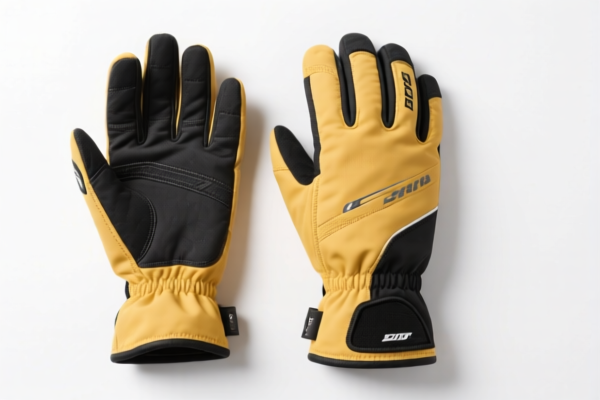
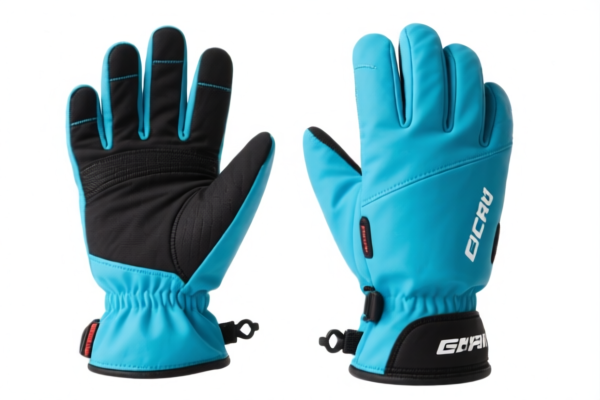
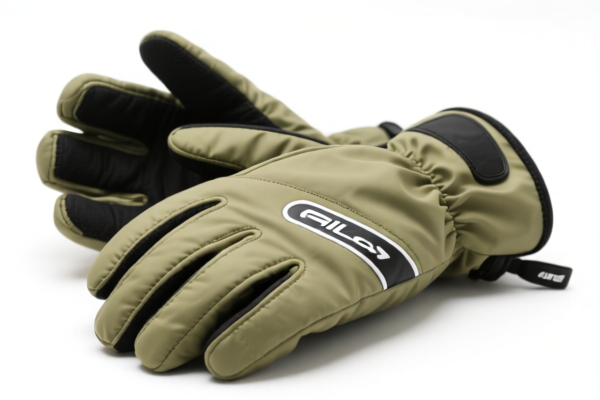
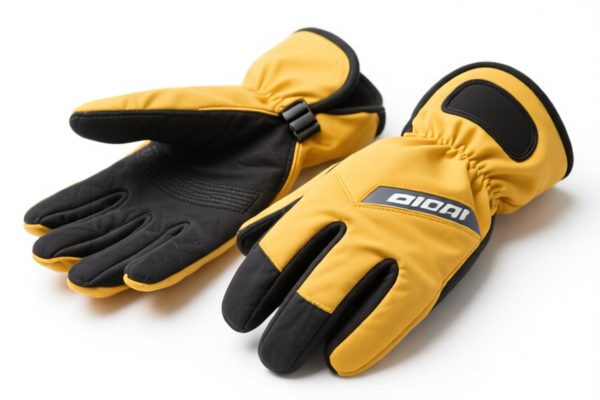
AI Analysis
🎿 Waterproof Ski Gloves: HS Code Classification & Tariff Breakdown (2026 Guide)
🌐 HS Code Reference & Customs Clearance Guide | 2026 Latest Tariff Analysis | Professional Clearance Strategy
📌 I. Product Definition & Classification: What Exactly Are "Waterproof Ski Gloves"?
Waterproof ski gloves are specialized protective equipment designed for winter sports, specifically skiing. In international trade, their classification depends heavily on material composition, functionality, and specific design intent. They are not merely "gloves"; they are technical sporting accessories.
International trade law (Harmonized System) typically categorizes them into two main branches based on whether they are knitted/crocheted (Chapter 61) or made of other fabrics (Chapter 62). The presence of waterproof coatings (plastic/rubber) and the specific "sporting use" designation are critical differentiators.
⚠️ Key Distinction Points: - Knitted/Crocheted (Ch. 61): Usually softer, fleece-lined, or made of synthetic knitted fabrics. Often classified under 6116. - Non-Knitted/Woven (Ch. 62): Often more durable, outer-shell focus, or made of woven synthetic/cotton materials. Often classified under 6216. - Sporting Equipment (Ch. 95): If deemed an integral part of the ski apparatus itself (rare for standalone gloves), they might fall under 9506.
📦 II. HS Code Classification Details (2026 Latest Tariff Authority Comparison)
Below are the five most relevant HS Codes for "Waterproof Ski Gloves" imported into the USA from China, based on the provided data.
| HS Code | Product Description & Summary | Material/Feature Inference | Key Distinction |
|---|---|---|---|
| 6116.10.08.00 | Knitted Gloves, Impregnated/Coated with Plastic/Rubber | Matches form (gloves) & use (skiing); assumes plastic/rubber coating. | Knitted fabric base + Coated for waterproofing. |
| 6116.93.08.00 | Other Gloves, Knitted, Of Synthetic Fibers | Matches form (gloves) & use (skiing); assumes synthetic fiber material. | Knitted + Synthetic (兜底/Catch-all for sports). |
| 6216.00.08.00 | Gloves, Made of Other Textile Materials, Coated/Impregnated | Matches form (gloves) & use (skiing); assumes woven fabric + coating. | Non-knitted (Woven) + Coated for waterproofing. |
| 6216.00.35.00 | Gloves, Made of Cotton or Cotton-Blend | Matches form (gloves) & use (skiing); assumes cotton content. | Non-knitted + Cotton/Blend (Lowest Base Rate). |
| 9506.19.80.80 | Ski Equipment & Accessories (Other) | Matches use (skiing); considered part of ski gear accessories. | Classified as Sporting Equipment, not apparel. |
🔍 Critical Reminder: - Chapter 61 vs. Chapter 62: The primary determinant is whether the base fabric is knitted/crocheted (61) or made up of other textiles (62, e.g., woven). - Coating: If the glove has a visible plastic/rubber layer for waterproofing, codes ending in
.10(61) or.08/.00(62) are strong candidates. - Sporting vs. Apparel: While9506seems logical for "skiing," customs often prefer the apparel classification (61/62) unless the item is strictly a rigid accessory (like a ski buckle). Standalone gloves are usually treated as apparel.
💰 III. 2026 Latest Tariff Rate Breakdown (Including Surtaxes & Policy Surcharges)
✅ Applicable Country: United States (US)
✅ Country of Origin: China (CN)
✅ Effective Date: November 10, 2025 onwards
🎯 1. 6116.10.08.00 —— Knitted, Plastic/Rubber Coated Gloves
| Item | Content |
|---|---|
| Base Tariff | 2.8% (Ad Valorem) |
| Section 301 Surtax | 7.5% (Additional) |
| Section 122 Surtax | 10.0% (Additional) |
| Total Tariff Rate | 20.3% |
| Tax Calculation | CIF Value × 20.3% |
| De Minimis Eligibility | ❌ No |
| Legal Basis Path | Base: 6116.10.08.00 → 301: 7.5% → 122: 10% |
📌 Explanation: - This code captures knitted gloves with a waterproof coating. - The 20.3% total rate is a combination of standard duties and two significant punitive surtaxes applicable to Chinese goods. - Section 122 (often associated with national security or specific trade remedies) adds a heavy 10% layer.
🎯 2. 6116.93.08.00 —— Other Knitted Gloves, Synthetic Fibers
| Item | Content |
|---|---|
| Base Tariff | 2.8% (Ad Valorem) |
| Section 301 Surtax | 7.5% (Additional) |
| Section 122 Surtax | 10.0% (Additional) |
| Total Tariff Rate | 20.3% |
| Tax Calculation | CIF Value × 20.3% |
| De Minimis Eligibility | ❌ No |
| Legal Basis Path | Base: 6116.93.08.00 → 301: 7.5% → 122: 10% |
📌 Explanation: - This is a "catch-all" for knitted gloves not specifically coated with plastic/rubber but still suited for sports. - The tariff burden is identical to
6116.10.08.00. The difference lies in the material structure (knitted synthetic vs. coated knitted).
🎯 3. 6216.00.08.00 —— Other Textile Gloves, Coated/Impregnated
| Item | Content |
|---|---|
| Base Tariff | 0.8% (Ad Valorem) |
| Section 301 Surtax | 7.5% (Additional) |
| Section 122 Surtax | 10.0% (Additional) |
| Total Tariff Rate | 18.3% |
| Tax Calculation | CIF Value × 18.3% |
| De Minimis Eligibility | ❌ No |
| Legal Basis Path | Base: 6216.00.08.00 → 301: 7.5% → 122: 10% |
📌 Explanation: - This code applies to non-knitted (woven) gloves with plastic/rubber coatings. - Cost Saving Tip: The base tariff is lower (0.8%) compared to knitted options (2.8%), resulting in a 2.0% total savings. - Suitable if the glove shell is a woven, durable fabric (e.g., polyester weave) rather than a soft knit.
🎯 4. 6216.00.35.00 —— Cotton Gloves (Non-Knitted)
| Item | Content |
|---|---|
| Base Tariff | 2.8% (Ad Valorem) |
| Section 301 Surtax | 0.0% (Additional) |
| Section 122 Surtax | 10.0% (Additional) |
| Total Tariff Rate | 12.8% |
| Tax Calculation | CIF Value × 12.8% |
| De Minimis Eligibility | ❌ No |
| Legal Basis Path | Base: 6216.00.35.00 → 122: 10% (No 301 Surtax) |
📌 Explanation: - Lowest Total Tariff. - This code applies if the gloves are primarily cotton-based (or cotton-blend) and non-knitted. - Crucial Note: The Section 301 surtax (7.5%) is waived for this specific cotton category, but Section 122 (10%) still applies. - Risk: If the glove is not predominantly cotton, customs may reclassify it to a higher tax bracket. Ensure material composition is clearly stated as ≥50% cotton.
🎯 5. 9506.19.80.80 —— Ski Equipment & Accessories
| Item | Content |
|---|---|
| Base Tariff | 2.8% (Ad Valorem) |
| Section 301 Surtax | 7.5% (Additional) |
| Section 122 Surtax | 10.0% (Additional) |
| Total Tariff Rate | 20.3% |
| Tax Calculation | CIF Value × 20.3% |
| De Minimis Eligibility | ❌ No |
| Legal Basis Path | Base: 9506.19.80.80 → 301: 7.5% → 122: 10% |
📌 Explanation: - Classifies gloves as part of "Ski Equipment" rather than apparel. - While logically appealing for "skiing" use, it carries the highest standard burden (20.3%) like other knitted options. - Customs Precedent: Often, standalone gloves are rejected under Chapter 95 and redirected to Chapter 61/62. Only use this if the gloves are rigidly attached or explicitly marketed as "equipment parts" rather than "apparel."
🛠️ IV. Customs Clearance Practical Advice (Battle-Proven Pitfall Guide)
✅ 1. Document Checklist (Non-Negotiable)
| Document | Mandatory? | Notes |
|---|---|---|
| ✅ Product Specification Sheet | ✔️ | Must detail material composition (e.g., "60% Cotton, 40% Polyester, Nylon Lining") to justify HS Code. |
| ✅ Material Composition Label | ✔️ | Clear photo of the care label showing fiber percentages. |
| ✅ Commercial Invoice | ✔️ | Must describe goods as "Waterproof Ski Gloves" not just "Gloves." |
| ✅ Packing List | ✔️ | Itemized count, weight, and dimensions. |
| ✅ Third-Party Test Report | ✔️ | Proof of waterproofing (if claiming coating) or material integrity. |
✅ 2. Declaration Strategy (Key Mantra)
🔥 “Material Defines Chapter, Use Defines Sub-Heading!”
| Scenario | Correct Declaration | Wrong Declaration |
|---|---|---|
| Knitted + Coated | 6116.10.08.00 (20.3%) |
Claiming it's "Ski Gear" (9506) → Risk of Rejection |
| Woven + Coated | 6216.00.08.00 (18.3%) |
Claiming it's "Knitted" → Rate increases to 20.3% |
| Woven + Cotton | 6216.00.35.00 (12.8%) |
Failing to highlight "Cotton" → Missed 7.5% savings |
| Generic Gloves | 6116.93.08.00 (20.3%) |
Vague description "Winter Gloves" → Customs Detention |
✅ 3. Special Circumstances Handling
| Situation | Handling Advice |
|---|---|
| Mixed Materials | If >50% cotton and non-knitted, push for 6216.00.35.00 to save 7.5%. Provide lab tests. |
| Coating Ambiguity | If the coating is thin/transparent, it may be classified as 6116.93 or 6216.99. Clarify with supplier. |
| OEM/Private Label | Ensure invoices match the brand but describe the generic function (e.g., "Ski Glove, Model X"). |
| Seasonal Imports | Ensure clearance is timed before peak ski season to avoid warehouse fees. |
🌍 V. Global Market Comparison (2026 Snapshot)
| Country/Region | Recommended HS Code | Est. Total Tariff (China Origin) | Certification | Notes |
|---|---|---|---|---|
| 🇺🇸 USA | 6216.00.35.00 |
12.8% | None specific | Lowest Duty Option if cotton. |
| 🇺🇸 USA | 6116.10.08.00 |
20.3% | None specific | Standard for coated knitted. |
| 🇪🇺 EU | 6116.10.00 | ~4-6% | CE (if applicable) | No Section 301/122 equivalents. |
| 🇨🇳 China | 6116.10.00 | ~5-7% | CCC (if safety gear) | Lower base rates. |
| 🇦🇺 Australia | 6116.10.00 | ~5% | None | Generally favorable. |
📌 Conclusion: - USA is the most expensive market for Chinese ski gloves due to Section 301 & Section 122 surtaxes. - Optimization Strategy: If your product can be formulated or sourced as Cotton-Based & Non-Knitted, the 12.8% rate offers significant competitive advantage over the 20.3% rate.
📌 VI. Common Errors & Pitfalls (Lessons Learned)
❌ Error 1: Misidentifying Knitted vs. Woven Fabric
👉 Consequence: Customs reclassifies from 6216 (18.3%) to 6116 (20.3%) → 2% penalty + delay.
✅ Fix: Provide micro-photos or weave diagrams to distinguish fabric structure.
❌ Error 2: Overstating "Sporting Equipment" Status
👉 Consequence: Rejecting 9506 classification because gloves are apparel, not equipment.
✅ Fix: Stick to apparel chapters (61/62) unless explicitly bundled as a "Ski Kit."
❌ Error 3: Ignoring Cotton Content for Tariff Savings
👉 Consequence: Paying 20.3% when eligible for 12.8% under 6216.00.35.00.
✅ Fix: Verify cotton percentage is >50% and fabric is non-knitted.
🎯 VII. Conclusion: Professional Declaration, Cost Efficiency
🎯 Remember the Mantra:
🔹 "Knitted? Check Chapter 61. Woven? Check Chapter 62. Cotton? Save 7.5%!"
🔹 "Coating? Yes to 6116.10. No Coating? 6116.93. Cotton Woven? 6216.35."
🔹 "USA Tariffs are Heavy: 12.8% is Gold, 20.3% is Standard."
📌 Pro Tip:
If your gloves are made in Vietnam, Mexico, or Canada, you may qualify for USMCA/CAFTA or other FTAs, potentially reducing tariffs to 0%.
Always apply for an Advance Ruling from CBP if your product structure is complex (e.g., mixed materials).
📣 Immediate Action:
📞 Contact your Customs Broker + Provide Material Breakdown + Request HS Code Pre-Ruling
🚀 Ensure Smooth Customs Clearance, Minimize Tax Burden, Maximize Profit Margins!
✨ Professional Clearance Starts with Precise Classification!
💼 Every Percentage Point Saved is Pure Profit!
Customer Reviews
About HS Code Classification
The Harmonized System (HS) is an internationally standardized nomenclature developed by the World Customs Organization (WCO) to classify traded products. Over 200 countries use the HS system as the basis for customs tariffs, trade statistics, and import/export regulations.
Each HS code follows a hierarchical structure:
- Chapter (2 digits) — Broad category of goods (e.g., Chapter 84: Machinery and Mechanical Appliances)
- Heading (4 digits) — More specific grouping within the chapter
- Subheading (6 digits) — Internationally standardized breakdown, used by all WCO member countries
- National subdivisions (8-10 digits) — Country-specific extensions for further classification, such as US HTSUS 10-digit codes
Correct HS code classification is essential for smooth customs clearance, accurate duty payment, and compliance with trade regulations. Misclassification can lead to customs delays, overpayment of duties, or penalties.
When importing from CN to US, the applicable tariff rates may include:
- Most-Favored-Nation (MFN) rate — The standard duty rate applied to WTO members
- General rate — Applied to countries without trade agreements
- Trade remedy duties — Additional tariffs such as Section 301 (anti-dumping), Section 232 (national security), or countervailing duties
The information provided on this page is for reference purposes only. For official classification, please consult with your local customs authority or a licensed customs broker.