Waterstop
CN → US| HS Code | Tariff Rate | Origin | Destination | Doc |
|---|---|---|---|---|
| 6811899000 | 35.0% | CN | US | Official Doc |
| 6811820000 | 35.0% | CN | US | Official Doc |
| 4016935050 | 37.5% | CN | US | Official Doc |
| 4016996050 | 37.5% | CN | US | Official Doc |
| 3926904590 | 38.5% | CN | US | Official Doc |
Product Images
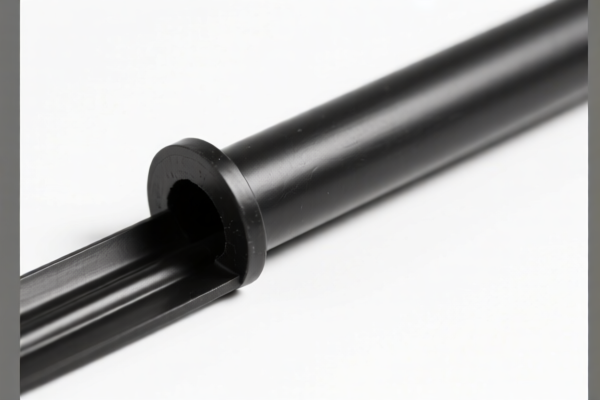
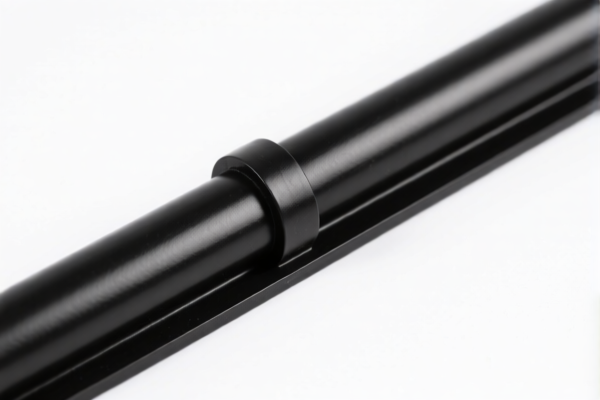
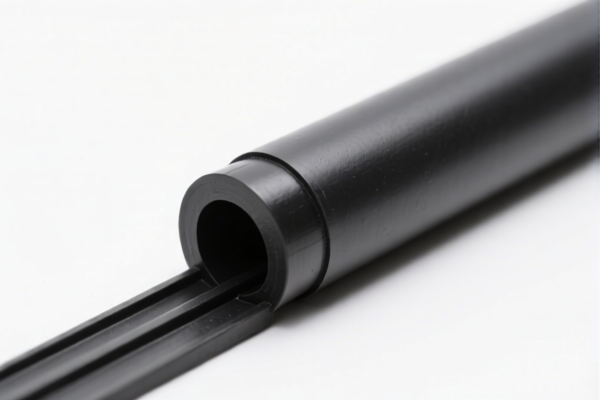
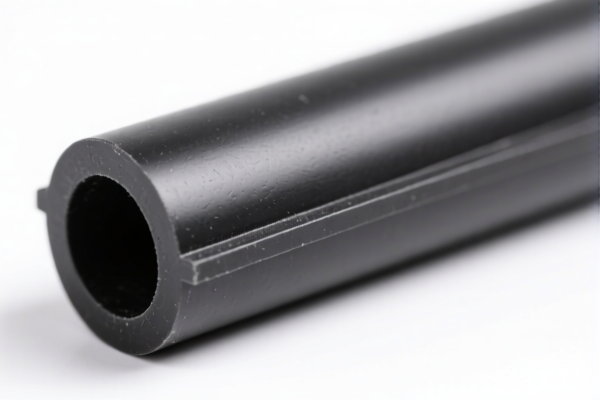
AI Analysis
🛑 Waterstop (Construction Joint Seals)
🌐 HS Code Reference & Customs Clearance Guide | 2026 Latest Tariff Analysis | Professional Strategy for China-to-US Imports
📌 I. Product Definition & Classification: Do You Truly Understand "Waterstops"?
A Waterstop is a critical component used in construction to prevent the passage of water through concrete joints. They are embedded within concrete structures (foundations, tunnels, dams, pools) to ensure watertight integrity.
In international trade, waterstops are classified based on their material composition and function. The primary distinction lies in whether they are made of rubber/plastic (elastomeric) or inorganic materials like cement (fiberglass/cementitious).
⚠️ Key Distinction Point:
- If made of Rubber or Plastic (e.g., PVC, EPDM, Vinyl) → Classified under Chapter 40 (Rubber) or Chapter 39 (Plastics).
- If made of Fiber Cement or Similar Inorganic Materials → Classified under Chapter 68 (Mineral Products).
📦 II. HS Code Classification Details (2026 Latest Tariff Authority Comparison)
Based on the provided data, here are the specific HS Codes and their corresponding logic for Waterstops.
| HS Code | Product Description | Material Inference | Key Features | Total Tax Rate |
|---|---|---|---|---|
6811.89.90.00 |
Other articles of asbestos-cement, fibre-cement, or similar materials; not specifically shaped | Fiber Cement or similar | Non-specific shapes; rigid or semi-rigid strips; inorganic composition. | 35.0% |
6811.82.00.00 |
Sheets, plates, tiles, sticks and similar articles, of asbestos-cement, fibre-cement, or similar materials | Rubber/Plastic Inference Error Note: Data infers Rubber/Plastic but assigns to Chapter 68 | Boards, panels, tiles. Note: Typically Chapter 68 is for mineral products, but this entry suggests a specific classification logic for sheet-like inorganic goods. | 35.0% |
4016.93.50.50 |
Other articles of vulcanised rubber other than hard rubber; Seals (Gaskets) | Vulcanized Rubber | Specifically classified as Seals. Function is to seal joints against water pressure. | 37.5% |
4016.99.60.50 |
Other articles of vulcanised rubber other than hard rubber; General Rubber Goods | Rubber (Vulcanized Rubber Products) | General purpose rubber items, including waterstops that do not fit the specific "seal" sub-category. | 37.5% |
3926.90.45.90 |
Other articles of plastics and articles of other materials of headings 3901 to 3914; Plastic Seals | Plastic (e.g., PVC, Vinyl) | Function as Seals, typically made of PVC or other plastics. Common for mid-range construction waterstops. | 38.5% |
🔍 Critical Clarification:
- Chapter 68 (6811...): Applies if the waterstop is made of fiber cement or similar mineral-based composites. These are rigid and often used in heavy civil engineering (dams, tunnels).
- Chapter 40 (4016...): Applies if the waterstop is elastomeric rubber (EPDM, Neoprene). The specific sub-heading (4016.93) distinguishes "Seals" from general "Other articles" (4016.99).
- Chapter 39 (3926...): Applies if the waterstop is made of plastic (commonly PVC waterstops).
💰 III. 2026 Latest Tariff Rate Breakdown (Including Surtaxes & Policy Add-ons)
✅ Applicable Country: United States (US)
✅ Origin: China (CN)
✅ Effective Time: From November 10, 2025 (including subsequent imports)
🎯 1. 6811.89.90.00 & 6811.82.00.00 —— Fiber Cement / Mineral-Based Waterstops
| Item | Content |
|---|---|
| Base Tariff | 0.0% (Ad Valorem) |
| USITC Surtax | +25.0% (Section 301 Tariff) |
| IEEPA Surtax | +10.0% (122 Clause Tariff for China/HK products) |
| Total Rate | 35.0% |
| Tax Calculation | CIF Value × 35% |
| De Minimis Exemption | ❌ Not Eligible (deny_de_minimis) |
| Legal Basis Path | USITC:6811.89.90.00 → FOOTNOTE:301.9903.88.01 → IEEPA:9903.01.25 |
📌 Explanation:
- Although the base tariff is 0%, the 35% total tax is driven entirely by punitive tariffs.
- 25% is the standard Section 301 tariff for many Chinese industrial goods.
- 10% is the additional IEEPA tariff targeting specific Chinese manufacturing sectors.
- Total Impact: High cost. Ensure the material is truly fiber-cement; misclassification can lead to severe penalties.
🎯 2. 4016.93.50.50 —— Vulcanized Rubber Seals (Waterstops)
| Item | Content |
|---|---|
| Base Tariff | 2.5% |
| USITC Surtax | +25.0% |
| IEEPA Surtax | +10.0% |
| Total Rate | 37.5% |
| Tax Calculation | CIF Value × 37.5% |
| De Minimis Exemption | ❌ Not Eligible |
| Legal Basis Path | USITC:4016.93.50.50 → FOOTNOTE:301.9903.88.01 → IEEPA:9903.01.25 |
📌 Explanation:
- Rubber waterstops classified as "Seals" (4016.93) carry a higher base rate (2.5%) compared to generic rubber articles.
- This is a common classification for EPDM or Neoprene waterstops used in high-pressure environments.
- Total Tax: 37.5%.
🎯 3. 4016.99.60.50 —— Other Vulcanized Rubber Articles (General Rubber Waterstops)
| Item | Content |
|---|---|
| Base Tariff | 2.5% |
| USITC Surtax | +25.0% |
| IEEPA Surtax | +10.0% |
| Total Rate | 37.5% |
| Tax Calculation | CIF Value × 37.5% |
| De Minimis Exemption | ❌ Not Eligible |
| Legal Basis Path | USITC:4016.99.60.50 → FOOTNOTE:301.9903.88.01 → IEEPA:9903.01.24 |
📌 Note:
- If the waterstop is not specifically categorized as a "seal" under4016.93, it falls here.
- The tax rate is identical to the seal category (37.5%).
- Ensure your commercial invoice clearly states the material (e.g., "EPDM Rubber Waterstop").
🎯 4. 3926.90.45.90 —— Plastic Seals (PVC/Vinyl Waterstops)
| Item | Content |
|---|---|
| Base Tariff | 3.5% |
| USITC Surtax | +25.0% |
| IEEPA Surtax | +10.0% |
| Total Rate | 38.5% |
| Tax Calculation | CIF Value × 38.5% |
| De Minimis Exemption | ❌ Not Eligible |
| Legal Basis Path | USITC:3926.90.45.90 → FOOTNOTE:301.9903.88.01 → IEEPA:9903.01.25 |
📌 Explanation:
- PVC waterstops are the most common in residential and light commercial construction.
- Classified under plastics (Chapter 39), they have the highest base rate among the options (3.5%).
- Total Tax: 38.5%. This is the highest effective tax rate among the provided options.
🛠️ IV. Customs Clearance Practical Advice (Battle-Tested Pitfall Guide)
✅ 1. Documentation Checklist (Non-Negotiable)
| Document | Required | Description |
|---|---|---|
| ✅ Product Specification Sheet | ✔️ | Must specify Material (EPDM, PVC, Fiber Cement), Dimensions, and Standard (e.g., ASTM D6988). |
| ✅ Material Safety Data Sheet (MSDS) | ✔️ | Critical for rubber/plastic to confirm chemical composition (no prohibited substances). |
| ✅ Product Photos | ✔️ | Clear images of the waterstop profile (center-bulb, side-fin, etc.) and cross-section. |
| ✅ Commercial Invoice | ✔️ | Must explicitly state: "Waterstop for Construction Joint Sealing" and Material. Avoid vague terms like "Seal" without context. |
| ✅ Bill of Lading / Air Waybill | ✔️ | Ensure package count and weight match invoice. |
| ✅ Certificate of Origin | ✔️ | Required to apply surtaxes. If origin is non-China (e.g., Vietnam), surtaxes may be reduced/eliminated. |
✅ 2. Declaration Tips (Key Mantra)
🔥 "Material First, Function Second, HS Code Follows!"
| Scenario | Correct Declaration | Wrong Practice |
|---|---|---|
| PVC Waterstop | 3926.90.45.90 (Plastic Seal) |
Misdeclared as Rubber → Audit Risk |
| EPDM/Neoprene Waterstop | 4016.93.50.50 (Rubber Seal) |
Misdeclared as General Rubber → 37.5% Tax (Same, but risk of audit) |
| Fiber Cement Waterstop | 6811.89.90.00 (Mineral Article) |
Misdeclared as Rubber → 0% Base, but still 35% Total (Complexity Risk) |
| Mixed Shipment (Rubber + Plastic) | Split Declaration | Combined Declaration → Both items rejected or penalized |
📌 Critical Advice:
- Do not use generic terms like "Construction Joint Material."
- Use precise terms: "EPDM Rubber Waterstop, 300mm Width, Center-Bulb Type."
- For Fiber Cement, use: "Fiber Cement Waterstop Strip for Concrete Joints."
✅ 3. Special Circumstances Handling
| Situation | Handling Advice |
|---|---|
| OEM / Custom Profiles | Provide CAD drawings or cross-section images. Customs may require technical verification for Chapter 68 or 40. |
| Pre-formed vs. Extruded | Clarify if it is "pre-formed" (finished shape) or "extruded" (raw material). Pre-formed is more likely to be 4016 or 6811. |
| Origin Diversification | If sourcing from Vietnam, Thailand, or Malaysia, you may qualify for IEEPA Exemptions (10% tariff removed). Total tax could drop to 25% (USITC only). |
| Small Samples | ❌ No De Minimis: Waterstops are subject to surtaxes and not eligible for $800 de minimis exemption. |
🌍 V. Global Market Customs Comparison (2026 Latest)
| Country/Region | Recommended HS Code | Tariff (China Origin) | Certification | Note |
|---|---|---|---|---|
| 🇺🇸 USA | 4016.93.50.50 / 3926.90.45.90 |
35% - 38.5% | ASTM, ISO | High surtaxes apply. |
| 🇨🇳 China | 4016.93 / 3926.90 |
~5% - 8% | GB Standards | No retaliatory tariffs. |
| 🇪🇺 EU | 4016.93 / 3926.90 |
3.7% - 6.5% | CE, EN Standards | No punitive surtaxes. |
| 🇨🇦 Canada | 4016.93 / 3926.90 |
0% - 5% | CSA Standards | CUSMA benefits if Canadian origin. |
📌 Conclusion:
- USA is the highest-cost market for waterstops due to the 25% + 10% surtaxes.
- Europe and Canada are more favorable for tariff purposes.
- Supply Chain Strategy: Consider sourcing rubber/plastic waterstops from Southeast Asia to avoid the 10% IEEPA tariff, reducing total tax to 25%.
📌 VI. Common Errors & Pitfall Guide (Lessons Learned from Blood and Tears)
❌ Error 1: Declaring PVC Waterstops as "Rubber Seals" to avoid plastic-specific codes
👉 Consequence: Customs inspection reveals PVC composition → Reclassification + Penalty. Tax rates may be similar, but compliance record is damaged.
❌ Error 2: Ignoring the "Seal" vs. "Other Article" distinction in Chapter 40
👉 Consequence: Misclassification leads to audit flags. While tax is often the same (37.5%), it delays clearance by weeks.
❌ Error 3: Assuming De Minimis ($800) applies to construction materials
👉 Consequence: Seizure. Waterstops are explicitly denied de minimis entry under Section 301/IEEPA.
❌ Error 4: Vague Invoice Description: "Joint Seal"
👉 Consequence: CBP may assign a different HS Code with higher duties or hold the shipment for further review.
✅ Correct Action:
"EPDM Rubber Waterstop, 12 inch Width, Center Bulb Design, ASTM D6988 Certified, HS 4016.93.50.50"
🎯 VII. Conclusion: Precise Classification Saves Money
🎯 Remember the Mantra:
🔹 "Material Determines Chapter, Function Determines Sub-Heading."
🔹 "Rubber & Plastic: 37.5-38.5%. Cement: 35%. Always pay Surtaxes."
🔹 "No De Minimis for Waterstops. Plan Ahead!"
📌 Pro Tip:
If your waterstops are not of Chinese origin (e.g., manufactured in Vietnam, Thailand, Malaysia, or India), you can likely avoid the 10% IEEPA tariff.
- China Origin: 35% - 38.5%
- Non-China Origin: ~25% (USITC only)
👉 Savings: Up to 10-13.5% on CIF Value.
📣 Immediate Action:
📞 Contact your customs broker with product samples/drawings.
📋 Request an Advance Ruling (Ruling Letter) from US CBP if your volume is high.
🚀 Optimize Supply Chain: Consider non-China sourcing for large projects to cut costs by 10%+.
✨ Professional Clearance Starts with Accurate Classification!
💼 Every percentage point counts in construction material logistics!
Customer Reviews
About HS Code Classification
The Harmonized System (HS) is an internationally standardized nomenclature developed by the World Customs Organization (WCO) to classify traded products. Over 200 countries use the HS system as the basis for customs tariffs, trade statistics, and import/export regulations.
Each HS code follows a hierarchical structure:
- Chapter (2 digits) — Broad category of goods (e.g., Chapter 84: Machinery and Mechanical Appliances)
- Heading (4 digits) — More specific grouping within the chapter
- Subheading (6 digits) — Internationally standardized breakdown, used by all WCO member countries
- National subdivisions (8-10 digits) — Country-specific extensions for further classification, such as US HTSUS 10-digit codes
Correct HS code classification is essential for smooth customs clearance, accurate duty payment, and compliance with trade regulations. Misclassification can lead to customs delays, overpayment of duties, or penalties.
When importing from CN to US, the applicable tariff rates may include:
- Most-Favored-Nation (MFN) rate — The standard duty rate applied to WTO members
- General rate — Applied to countries without trade agreements
- Trade remedy duties — Additional tariffs such as Section 301 (anti-dumping), Section 232 (national security), or countervailing duties
The information provided on this page is for reference purposes only. For official classification, please consult with your local customs authority or a licensed customs broker.