Waterstop Strip
CN → US| HS Code | Tariff Rate | Origin | Destination | Doc |
|---|---|---|---|---|
| 6811899000 | 35.0% | CN | US | Official Doc |
| 6811820000 | 35.0% | CN | US | Official Doc |
| 4016935050 | 37.5% | CN | US | Official Doc |
| 4016996050 | 37.5% | CN | US | Official Doc |
| 3926904590 | 38.5% | CN | US | Official Doc |
Product Images
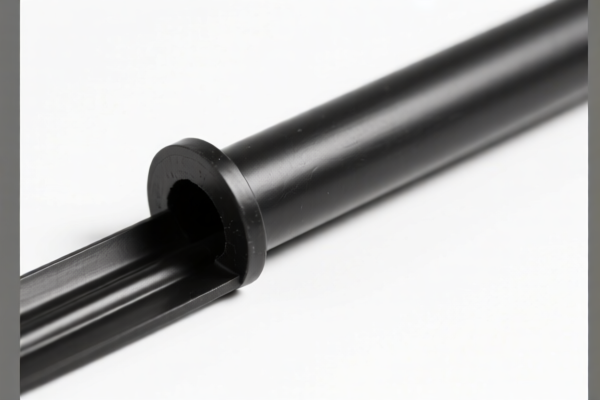
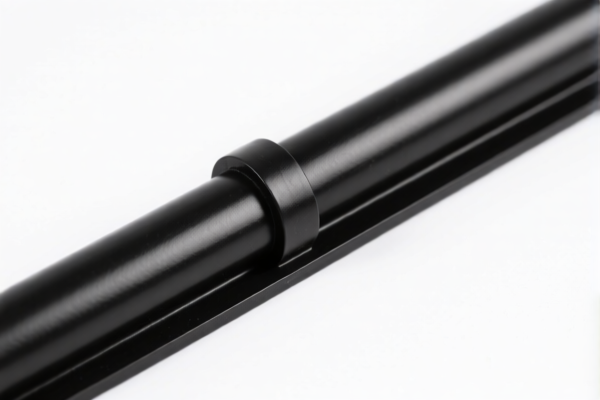
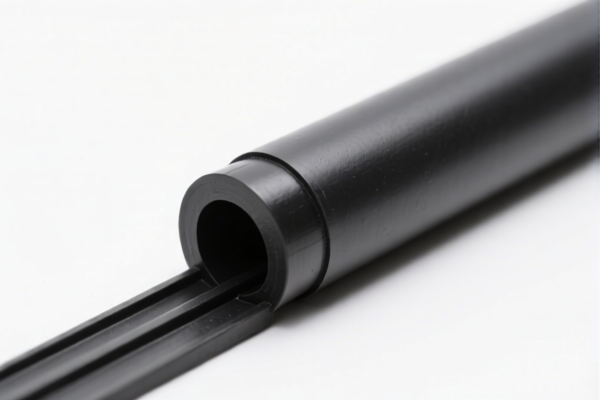
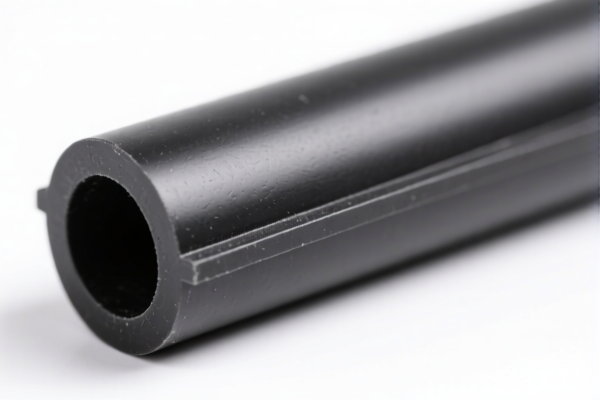
AI Analysis
🛡️ Waterstop Strips (Construction Sealing Solutions)
🌐 HS Code Reference & Customs Clearance Guide | 2026 Latest Tariff Analysis | Professional Clearance Strategy
📌 I. Product Definition & Classification: What Exactly Is a "Waterstop Strip"?
Waterstop strips are critical sealing components used in construction joint construction, primarily in concrete structures such as tunnels, basements, dams, and swimming pools. Their primary function is to prevent water infiltration at expansion joints, settlement joints, and construction joints.
In international trade, they are broadly classified based on their material composition:
1. Inorganic Materials (e.g., Steel-plated Rubber, Bentonite, PVC/Plastic, Vinyl): Often found in Chapter 68 (Articles of Stone or Similar Mineral Substances) or Chapter 39 (Plastics). Specifically, fiber-cement or mineral-based strips often fall under Chapter 68.
2. Organic Polymer Materials (e.g., Rubber, Thermoplastic Elastomers): Classified under Chapter 40 (Rubber and Articles Thereof) or Chapter 39 (Plastics), depending on whether the primary characteristic is elastic/rubbery or plastic.
⚠️ Key Distinction Point:
- If the strip is made of fiber-cement, clay, or mineral composites (non-elastomeric) →归入 Chapter 68.
- If the strip is Rubber (Sulfated) →归入 Chapter 40.
- If the strip is Plastic/Thermoplastic (e.g., PVC, TPO) →归入 Chapter 39.
📦 II. HS Code Classification Details (2026 Latest Tariff Authority Comparison)
Based on the provided data, here are the inferred HS Codes for different material types of Waterstop Strips:
| HS Code | Product Description | Material Inference | Application Scenario |
|---|---|---|---|
6811.89.90.00 |
Other articles of asbestos-cement, fiber-cement, or similar materials | Fiber-Cement / Mineral | Rigid waterstops for heavy-duty concrete joints, industrial floors |
6811.82.00.00 |
Boards, panels, tiles, and similar articles of asbestos-cement or fiber-cement | Rubber/Plastic Coated Composite | Sometimes used if classified as a coated board-like waterstop structure |
4016.93.50.50 |
Seals of vulcanized rubber (other than hard rubber) | Vulcanized Rubber | Flexible rubber waterstops,止水条, used in dynamic joints |
4016.99.60.50 |
Other articles of vulcanized rubber (other than hard rubber) | Other Rubber Products | Specialty rubber waterstops not specifically listed as seals |
3926.90.45.90 |
Other articles of plastics, not elsewhere specified | Plastic (PVC/TPO) | PVC waterstop strips, common in municipal and residential construction |
🔍 Critical Reminder:
- Rubber vs. Plastic: If the material deforms elastically and returns to shape (typical of rubber waterstops), it usually falls under Chapter 40. If it is rigid or semi-rigid PVC, it falls under Chapter 39. - Mineral-Based: If the waterstop contains a significant amount of cement, clay, or mineral fillers, it may fall under Chapter 68.
💰 III. 2026 Latest Tariff Rate Details (Including Surcharges, Policy Surcharges)
✅ Applicable Country: United States (US)
✅ Origin: China (CN)
✅ Effective Date: From November 10, 2025 onwards
🎯 1. 6811.89.90.00 —— Fiber-Cement/Mineral Waterstop Strips
| Item | Content |
|---|---|
| Base Tariff Rate | 0.0% (ad valorem) |
| USITC Surcharge | +25.0% (from USITC Footnote 9903.88.01 / Section 301) |
| IEEPA Surcharge | +10.0% (Targeting Chinese/HK products, from Nov 10, 2025) |
| Total Tariff Rate | 35.0% |
| Tax Calculation | CIF Value × 35% |
| De Minimis Exemption | ❌ Not Applicable (deny_de_minimis) |
| Legal Basis Path | IEEPA:9903.01.25 → USITC:6811.89.90.00 → FOOTNOTE:9903.88.01 |
📌 Explanation:
- "USITC Surcharge 25%" is the Section 301 tariff on specific Chinese goods. - "IEEPA 10%" is the additional tariff under the International Emergency Economic Powers Act. - Total 35%. This is a moderate-high tariff. Mineral-based waterstops are less common than rubber/plastic, but if identified as such, this rate applies.
🎯 2. 6811.82.00.00 —— Composite/Board-like Waterstop Strips
| Item | Content |
|---|---|
| Base Tariff Rate | 0.0% |
| USITC Surcharge | +25.0% |
| IEEPA Surcharge | +10.0% |
| Total Tariff Rate | 35.0% |
| Tax Calculation | CIF × 35% |
| De Minimis Exemption | ❌ Not Applicable |
| Legal Basis Path | IEEPA:9903.01.25 → USITC:6811.82.00.00 → FOOTNOTE:9903.88.01 |
📌 Note:
- Same tariff structure as 6811.89.90.00. - If the waterstop is classified as a "board" or "panel" type (e.g., large sheet material used as a waterstop), this code may apply.
🎯 3. 4016.93.50.50 —— Vulcanized Rubber Seals (Waterstops)
| Item | Content |
|---|---|
| Base Tariff Rate | 2.5% |
| USITC Surcharge | +25.0% |
| IEEPA Surcharge | +10.0% |
| Total Tariff Rate | 37.5% |
| Tax Calculation | CIF × 37.5% |
| De Minimis Exemption | ❌ Not Applicable |
| Legal Basis Path | IEEPA:9903.01.25 → USITC:4016.93.50.50 → FOOTNOTE:9903.88.01 |
📌 Critical Warning:
- Rubber waterstops are very common. The base rate is 2.5%, making the total 37.5%. - This is the most likely classification for standard flexible rubber waterstop strips. - Ensure the product is clearly described as "Vulcanized Rubber Waterstop Seal" to avoid misclassification into plastic codes.
🎯 4. 4016.99.60.50 —— Other Vulcanized Rubber Products
| Item | Content |
|---|---|
| Base Tariff Rate | 2.5% |
| USITC Surcharge | +25.0% |
| IEEPA Surcharge | +10.0% |
| Total Tariff Rate | 37.5% |
| Tax Calculation | CIF × 37.5% |
| De Minimis Exemption | ❌ Not Applicable |
| Legal Basis Path | IEEPA:9903.01.25 → USITC:4016.99.60.50 → FOOTNOTE:9903.88.01 |
📌 Note:
- Used for specialty rubber waterstops that do not fit the "Seals" (4016.93) category. - Same total rate (37.5%) as 4016.93.50.50.
🎯 5. 3926.90.45.90 —— Plastic Waterstop Strips (e.g., PVC)
| Item | Content |
|---|---|
| Base Tariff Rate | 3.5% |
| USITC Surcharge | +25.0% |
| IEEPA Surcharge | +10.0% |
| Total Tariff Rate | 38.5% |
| Tax Calculation | CIF × 38.5% |
| De Minimis Exemption | ❌ Not Applicable |
| Legal Basis Path | IEEPA:9903.01.25 → USITC:3926.90.45.90 → FOOTNOTE:9903.88.01 |
📌 Critical Warning:
- PVC/TPO waterstop strips fall under Chapter 39. - Base rate is 3.5%, making the total 38.5%. - This is the highest tariff among the inferred codes. - PVC is widely used in construction. Misclassifying PVC as Rubber (37.5%) could lead to penalties if detected.
🛠️ IV. Customs Clearance Practical Advice (Avoid Pitfalls)
✅ 1. Required Documentation Checklist (All Mandatory)
| Document | Required | Description |
|---|---|---|
| ✅ Product Specification Sheet | ✔️ | Must specify Material (Rubber, PVC, Fiber-Cement), Hardness, Dimensions, Cross-section Profile |
| ✅ Material Safety Data Sheet (MSDS) | ✔️ | Especially for rubber/chemical components |
| ✅ Product Photos (Including Labels) | ✔️ | Clear shots of the strip, label, and packaging |
| ✅ Certificate of Origin (CO) | ✔️ | To verify China origin and apply surcharges correctly |
| ✅ Commercial Invoice | ✔️ | Must clearly state "Waterstop Strip" and HS Code |
| ✅ Packing List | ✔️ | Show gross/net weight, number of rolls/pieces |
| ✅ Third-Party Test Report | ✔️ | ASTM D2240 (Hardness), ASTM D412 (Tensile Strength) for rubber/plastic |
✅ 2. Declaration Tips (Key Mnemonics)
🔥 "Material Defines Code, Profile Defines Function, Don't Split Rolls!"
| Scenario | Correct Declaration | Wrong Practice |
|---|---|---|
| Rubber Waterstop | 4016.93.50.50 - "Vulcanized Rubber Waterstop Seal, PVC-Free" |
Misdeclared as "Plastic" → 38.5% vs 37.5% (Penalty Risk) |
| PVC/TPO Waterstop | 3926.90.45.90 - "Plastic Waterstop Strip, PVC" |
Misdeclared as "Rubber" → 37.5% vs 38.5% (Underpayment Risk) |
| Fiber-Cement Waterstop | 6811.89.90.00 - "Mineral Fiber Cement Waterstop" |
Misdeclared as "Rubber" → Huge Discrepancy |
| Large Roll of Waterstop | Single Line Item | Splitting into "Roll" + "Seal" → Complex, Higher Risk |
✅ 3. Special Case Handling
| Scenario | Handling Advice |
|---|---|
| Mixed Material (e.g., Rubber + Steel Plate) | If rubber is the essential character, classify under 4016.93.50.50. Provide details of the embedded steel plate. |
| Composite Waterstop (PVC + Bentonite) | Typically classified as Plastic (3926.90.45.90) if PVC is the main structural material. |
| Custom Cross-Sections | Provide detailed drawings. The HS Code is determined by material, not shape. |
| Sample vs. Bulk | Ensure the sample material matches the bulk declaration. Customs may sample the product. |
🌍 V. Global Main Market Clearance Comparison (2026 Latest)
| Country/Region | Recommended HS Code | Tariff (CN Origin) | Certification Requirements | Notes |
|---|---|---|---|---|
| 🇺🇸 USA | 4016.93.50.50 (Rubber) |
37.5% | ASTM Standards | High surcharges apply |
| 🇺🇸 USA | 3926.90.45.90 (Plastic) |
38.5% | ASTM Standards | Highest tariff among options |
| 🇨🇳 China | 4016.93 / 3926.90 |
~5-8% | None | Low tariff, easy clearance |
| 🇪🇺 EU | 4016.93 / 3926.90 |
0-2.5% | REACH, CE (if applicable) | No Section 301 tariffs |
| 🇦🇺 Australia | 4016.93 / 3926.90 |
5% | ACCC Compliance | Moderate tariff |
📌 Conclusion:
- USA is the only market imposing high surcharges on Chinese construction materials. - Rubber (37.5%) is slightly cheaper than Plastic (38.5%) in terms of tariff, but the difference is small. - Material declaration must be accurate. Misclassification can lead to audits and back-taxes.
📌 VI. Common Mistakes & Pitfalls (Lessons Learned)
❌ Mistake 1: Declaring "Rubber Waterstop" when it is actually PVC.
👉 Consequence: Underpayment of 1% tariff + Penalty if detected. Customs may test the material.
❌ Mistake 2: Declaring "Plastic Waterstop" when it is Rubber.
👉 Consequence: Overpayment or confusion in logistics if the product behavior doesn't match the declaration.
❌ Mistake 3: Not specifying the Cross-Section Profile in the invoice.
👉 Consequence: Customs may hold the goods for classification review, causing delays.
❌ Mistake 4: Ignoring the IEEPA 10% Surcharge.
👉 Consequence: Unexpected cost increase of 10% on CIF value. This is new as of Nov 2025.
✅ Correct Practice:
"Rubber Waterstop Strip, Vulc. Rubber, ASTM D2240 Hardness 70, Cross-Section 350x3mm, Model WS-350, Origin: China"
🎯 VII. Conclusion: Precision in Declaration, Savings in Logistics
🎯 Key Takeaways:
🔹 "Material is King": Rubber (4016) vs. Plastic (3926) vs. Mineral (6811). Know your material.
🔹 "Tariff Impact": Rubber (37.5%) and Plastic (38.5%) are subject to heavy surcharges.
🔹 "New Rule Alert": The 10% IEEPA surcharge is now in effect. Do not forget it in cost calculations.
🔹 "Documentation": Provide ASTM test reports to prove material type if challenged.
📌 Pro Tip:
If your waterstops are sourced from Vietnam, Thailand, or Malaysia, you may be eligible for IEEPA Exemption, reducing the tariff to 0%~25% (depending on the code).
Recommendation: Consider Pre-Ruling (Advance Ruling) with US Customs (CBP) for complex composite waterstops to avoid classification disputes.
📣 Immediate Action:
📞 Contact your customs broker + Provide Material Test Report + Apply for HS Code Pre-Ruling
🚀 Ensure your waterstops pass customs smoothly, minimize costs, and protect your margins!
✨ Professional Clearance Starts with Accurate Classification!
💼 Every cent of tariff cost deserves precise calculation!
Customer Reviews
About HS Code Classification
The Harmonized System (HS) is an internationally standardized nomenclature developed by the World Customs Organization (WCO) to classify traded products. Over 200 countries use the HS system as the basis for customs tariffs, trade statistics, and import/export regulations.
Each HS code follows a hierarchical structure:
- Chapter (2 digits) — Broad category of goods (e.g., Chapter 84: Machinery and Mechanical Appliances)
- Heading (4 digits) — More specific grouping within the chapter
- Subheading (6 digits) — Internationally standardized breakdown, used by all WCO member countries
- National subdivisions (8-10 digits) — Country-specific extensions for further classification, such as US HTSUS 10-digit codes
Correct HS code classification is essential for smooth customs clearance, accurate duty payment, and compliance with trade regulations. Misclassification can lead to customs delays, overpayment of duties, or penalties.
When importing from CN to US, the applicable tariff rates may include:
- Most-Favored-Nation (MFN) rate — The standard duty rate applied to WTO members
- General rate — Applied to countries without trade agreements
- Trade remedy duties — Additional tariffs such as Section 301 (anti-dumping), Section 232 (national security), or countervailing duties
The information provided on this page is for reference purposes only. For official classification, please consult with your local customs authority or a licensed customs broker.