Wave Flower Pot Tray 15 pcs
CN → US| HS Code | Tariff Rate | Origin | Destination | Doc |
|---|---|---|---|---|
| 6914108000 | 44.0% | CN | US | Official Doc |
| 3926901000 | 20.9% | CN | US | Official Doc |
| 6914908000 | 40.6% | CN | US | Official Doc |
| 7020006000 | 40.0% | CN | US | Official Doc |
| 3926909989 | 22.8% | CN | US | Official Doc |
Product Images


AI Analysis
🌿 Wave Flower Pot Trays (15 pcs/set)
🌐 HS Code Reference & Customs Clearance Guide | 2026 Latest Tariff Analysis | Professional Clearance Strategy
📌 I. Product Definition & Classification: What Exactly is a "Wave Flower Pot Tray"?
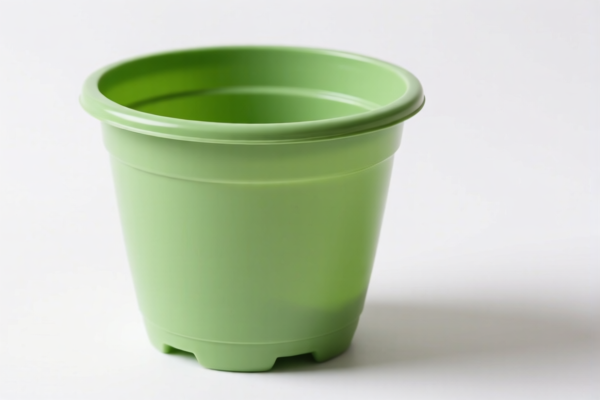
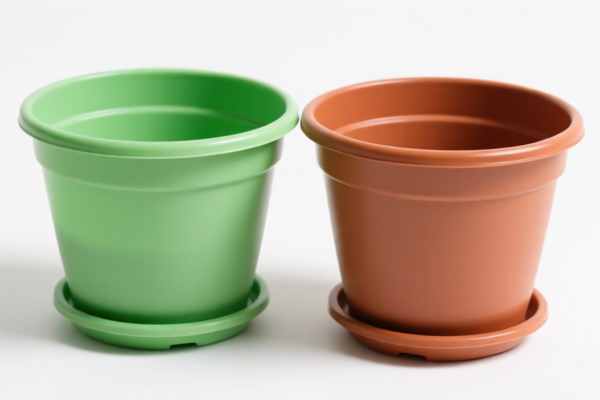
A Wave Flower Pot Tray is a decorative or functional accessory designed to catch excess water from potted plants, protecting flooring and surfaces. The "Wave" designation typically refers to the shape (undulating edges) or style, but functionally, it is a receptacle or saucer.
In international trade, these are not classified as "Plants" or "Garden Tools," but rather as manufactured articles based on their material composition.
⚠️ Key Classification Logic:
- Ceramic? → If fired clay, glazed, or unglazed pottery → Chapter 69
- Plastic? → If molded polymer/resin → Chapter 39
- Glass? → If made of silicate glass → Chapter 70
- Mixed Materials? → The primary material determines the HS code.
📦 II. HS Code Classification Details (Based on Provided Data)
Based on the provided dataset, we identify five potential HS Codes for Wave Flower Pot Trays, depending on the material. Note that all listed items fall under Chinese Origin to US Import (implied by the 122-Clause tariffs).
| HS Code | Product Description | Material Category | Total Tariff Rate |
|---|---|---|---|
6914.10.80.00 |
Ceramic Flower Pot Trays, Other Ceramic Articles | Ceramic (General) | 44.0% |
6914.90.80.00 |
Ceramic Flower Pot Trays, Other Ceramic Vessels | Ceramic (Vessel-specific) | 40.6% |
3926.90.10.00 |
Plastic Flower Pot Trays, Other Plastic Articles | Plastic (Standard) | 20.9% |
3926.90.99.89 |
Plastic Flower Pot Trays, Other Plastic Articles (Fallback) | Plastic (Misc/Fallback) | 22.8% |
7020.00.60.00 |
Glass Flower Pot Trays, Other Glass Articles | Glass | 40.0% |
🔍 Critical Distinction:
- Ceramic vs. Plastic: The most significant cost difference lies between Ceramic (40-44%) and Plastic (20-22%).
- Why Two Plastic Codes?
-3926.90.10.00is often used for specific plastic household articles.
-3926.90.99.89is the "catch-all" (fallback) for plastic goods not specified elsewhere.
- Advice: If your plastic tray has a specific use or form factor that fits3926.90.10.00, use it. If uncertain,3926.90.99.89is safer but slightly higher in tax.
💰 III. 2026 Tariff Breakdown & Legal Basis (Detailed Analysis)
✅ Applicable Market: United States (US)
✅ Origin: China (CN)
✅ Effective Date: Post-2025 policies (Section 122, Section 301, etc.)
🎯 1. Ceramic Trays (6914.10.80.00 & 6914.90.80.00)
| Component | Rate | Source |
|---|---|---|
| Base Tariff (MFN) | 5.0% - 9.0% | HTSUS General Rate |
| Section 301 (Additional) | 25.0% | Trade Act Section 301 (China) |
| Section 122 Tariff | 10.0% | Section 122 (National Security/Supply Chain) |
| TOTAL TAX | 40.6% - 44.0% | High Cost |
📌 Explanation:
- Ceramic items face the highest tax burden in this dataset.
-6914.10.80.00has a higher base tariff (9%) compared to6914.90.80.00(5.6%), leading to a 3.4% difference in total cost.
- Recommendation: If the item is strictly a "vessel" (like a saucer/bowl),6914.90.80.00(40.6%) is cheaper than6914.10.80.00(44.0%).
🎯 2. Plastic Trays (3926.90.10.00 & 3926.90.99.89)
| Component | Rate (...10.00) |
Rate (...99.89) |
|---|---|---|
| Base Tariff | 3.4% | 5.3% |
| Section 301 | 7.5% | 7.5% |
| Section 122 | 10.0% | 10.0% |
| TOTAL TAX | 20.9% | 22.8% |
📌 Explanation:
- Plastic trays are significantly more tax-efficient than ceramic.
- The Section 301 tariff for plastic is lower (7.5%) compared to ceramic (25.0%).
- Recommendation: Use3926.90.10.00if your product specification clearly fits "Other Plastic Articles." Use3926.90.99.89only if the specific plastic type or shape doesn't fit standard categories.
🎯 3. Glass Trays (7020.00.60.00)
| Component | Rate |
|---|---|
| Base Tariff | 5.0% |
| Section 301 | 25.0% |
| Section 122 | 10.0% |
| TOTAL TAX | 40.0% |
📌 Explanation:
- Glass falls in between plastic and high-end ceramic in terms of tax.
- It shares the same 25% Section 301 rate as ceramic.
🛠️ IV. Customs Clearance Practical Advice
✅ 1. Documentation Checklist (Must-Have)
| Document | Requirement | Notes |
|---|---|---|
| Commercial Invoice | ✔️ Must Specify Material | Clearly state: "Wave Flower Pot Tray, Made of [Ceramic/Plastic/Glass]" |
| Product Photos | ✔️ High-Res | Show the "Wave" edge design to justify style, but ensure material is visible. |
| Material Declaration | ✔️ Critical | Do NOT say "Mixed Material" unless necessary. Pick the primary material. |
| Packing List | ✔️ 15 pcs/set | Clearly indicate "Set of 15" to avoid per-piece duty confusion. |
| Country of Origin | ✔️ CN | Required for Section 301 and 122 calculation. |
✅ 2. Strategic HS Code Selection (How to Save Money)
| Scenario | Recommended HS Code | Why? |
|---|---|---|
| Product is Ceramic | 6914.90.80.00 |
Lower base tariff (5.6% vs 9.0%) → Total 40.6% |
| Product is Plastic | 3926.90.10.00 |
Lower base tariff (3.4% vs 5.3%) → Total 20.9% |
| Uncertain Material | Avoid! | Risk of misclassification penalty. Get lab test if unsure. |
🚀 Pro Tip:
If you have the option to manufacture in Plastic instead of Ceramic, you save ~20% in total taxes.
Example: $1,000 value Ceramic Tray = $440 Tax
Example: $1,000 value Plastic Tray = $209 Tax
Savings: $231 per $1,000 shipment!
✅ 3. Common Clearance Pitfalls
| Mistake | Consequence | Solution |
|---|---|---|
| Vague Description | "Flower Tray" | Always specify material: "Ceramic Flower Pot Saucer" |
| Wrong Material Claim | Audits/Fines | Ensure Invoice matches Physical Product. |
| Ignoring "Set" Packaging | Duty on Whole Set | Declare as 15 units or 1 Lot of 15, but ensure unit value is clear. |
| Confusing Ceramic Codes | Overpayment | Use 6914.90.80.00 (Vessel) not 6914.10.80.00 (Other) if applicable. |
🌍 V. Global Market Comparison (Quick View)
| Market | Best HS Code (Plastic) | Best HS Code (Ceramic) | Notes |
|---|---|---|---|
| 🇺🇸 USA | 3926.90.10.00 (20.9%) |
6914.90.80.00 (40.6%) |
High Section 301 & 122 tariffs |
| 🇨🇳 China (Export) | N/A (For Reference) | N/A | China exports these to US. |
| 🇪🇺 EU | Similar Structure | Similar Structure | EU does not have Section 122/301 equivalents. |
📌 Conclusion for US Importers:
- Plastic is the tax-efficient choice.
- Ceramic/Glass is heavily taxed due to Section 301 (25%).
- Always try to classify Ceramic under6914.90.80.00to save 3.4%.
📌 VI. Final Clearance Action Plan
- Identify Material: Is your "Wave Flower Pot Tray" Ceramic, Plastic, or Glass?
- Select HS Code:
- Plastic:
3926.90.10.00(Preferable) or3926.90.99.89 - Ceramic:
6914.90.80.00(Cheaper) or6914.10.80.00 - Glass:
7020.00.60.00
- Plastic:
- Calculate Cost: Apply Total Tax (Base + 301 + 122) to your CIF value.
- Prepare Docs: Invoice must explicitly state material and "Made in China."
- Submit: File entry with correct HS Code and pay Total Tax.
🎯 Summary: Tax Efficiency Ranking
| Rank | Material | HS Code | Total Tax | Savings vs. Ceramic (44%) |
|---|---|---|---|---|
| 🥇 1st | Plastic | 3926.90.10.00 |
20.9% | Save 23.1% |
| 🥈 2nd | Plastic | 3926.90.99.89 |
22.8% | Save 21.2% |
| 🥉 3rd | Glass | 7020.00.60.00 |
40.0% | Save 4.0% |
| 4th | Ceramic | 6914.90.80.00 |
40.6% | - |
| 5th | Ceramic | 6914.10.80.00 |
44.0% | High Cost |
✨ Final Advice:
If you are importing "Wave Flower Pot Trays" from China to the US, prioritize Plastic materials for cost efficiency. If Ceramic is required for aesthetic reasons, choose6914.90.80.00to minimize the 44% tax hit.
📞 Need Help?
Contact your customs broker with the specific material composition to confirm the best HS Code before shipping.
Customer Reviews
About HS Code Classification
The Harmonized System (HS) is an internationally standardized nomenclature developed by the World Customs Organization (WCO) to classify traded products. Over 200 countries use the HS system as the basis for customs tariffs, trade statistics, and import/export regulations.
Each HS code follows a hierarchical structure:
- Chapter (2 digits) — Broad category of goods (e.g., Chapter 84: Machinery and Mechanical Appliances)
- Heading (4 digits) — More specific grouping within the chapter
- Subheading (6 digits) — Internationally standardized breakdown, used by all WCO member countries
- National subdivisions (8-10 digits) — Country-specific extensions for further classification, such as US HTSUS 10-digit codes
Correct HS code classification is essential for smooth customs clearance, accurate duty payment, and compliance with trade regulations. Misclassification can lead to customs delays, overpayment of duties, or penalties.
When importing from CN to US, the applicable tariff rates may include:
- Most-Favored-Nation (MFN) rate — The standard duty rate applied to WTO members
- General rate — Applied to countries without trade agreements
- Trade remedy duties — Additional tariffs such as Section 301 (anti-dumping), Section 232 (national security), or countervailing duties
The information provided on this page is for reference purposes only. For official classification, please consult with your local customs authority or a licensed customs broker.