Wax Cubes
CN → US| HS Code | Tariff Rate | Origin | Destination | Doc |
|---|---|---|---|---|
| 2712902000 | 35.0% | CN | US | Official Doc |
| 2712200000 | 17.5% | CN | US | Official Doc |
| 3404905110 | 35.0% | CN | US | Official Doc |
| 3404905150 | 35.0% | CN | US | Official Doc |
Product Images
AI Analysis
🕯️ Wax Cubes (Paraffin, Mineral, Synthetic & Modulated Waxes)
🌐 HS Code Reference & Customs Clearance Guide | 2026 Tax & Regulatory Analysis | Professional Entry Strategy
📌 I. Product Definition & Classification: What Exactly Are "Wax Cubes"?
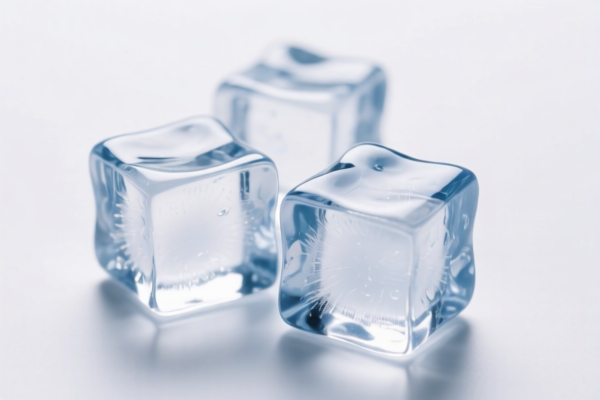
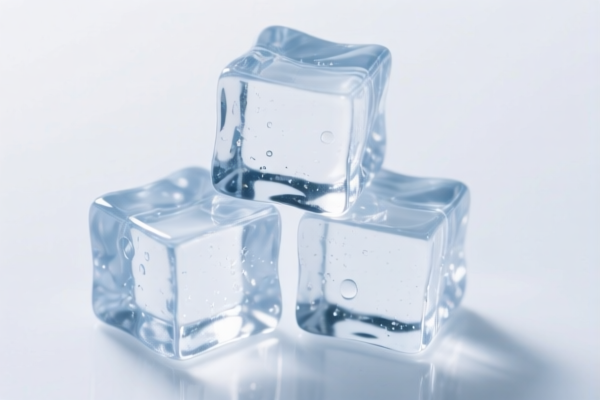
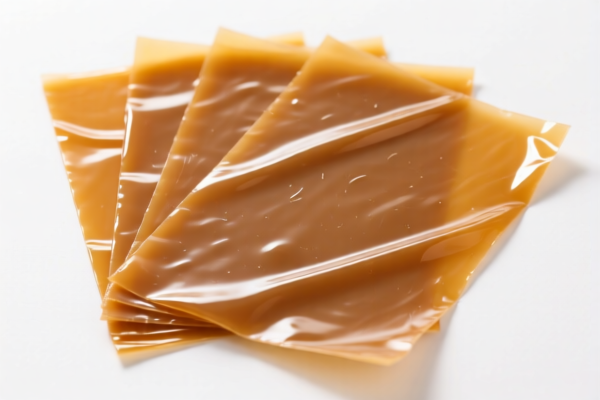
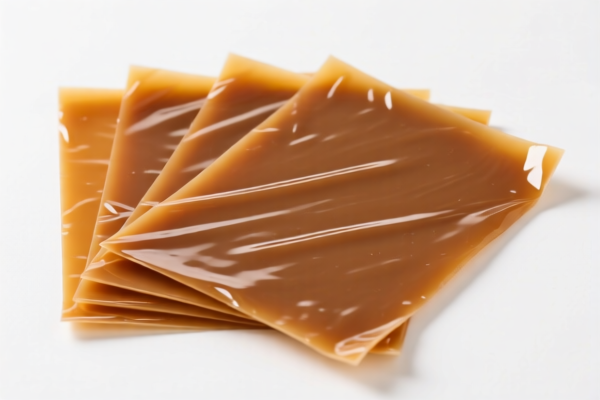
Wax Cubes are primary form solid wax products, typically appearing in block or cube shapes. In international trade, they are classified based on their material composition (mineral vs. synthetic) and production process. The distinction is critical, as it determines whether the goods fall under Mineral Waxes (Chapter 27) or Artificial/Modulated Waxes (Chapter 34).
⚠️ Key Distinction:
- Mineral Origin (Paraffin, Microcrystalline, Ozokerite): Falls under 2712 (Mineral waxes & similar).
- Synthetic/Chemical Origin (Fischer-Tropsch, Surface Waxes, Blended): Falls under 3404 (Artificial waxes & prepared waxes).
- Classification Logic: If the origin is ambiguous, customs often apply the "Fallback Principle" to 3404 (Artificial Waxes).
📦 II. HS Code Classification Details (2026 Tariff Authority)
| HS Code | Product Description | Material Source | Shape/Form | Primary Category |
|---|---|---|---|---|
2712.90.20.00 |
Mineral Wax & Similar Products | Mineral/Ozokerite | Block Form | Mineral Waxes |
2712.20.00.00 |
Paraffin / Microcrystalline Petroleum Wax | Petroleum Derived | Block Form | Petroleum Waxes |
3404.90.51.10 |
Artificial Waxes & Modulated Waxes | Synthetic/Chemical | Block Form | Artificial Waxes |
3404.90.51.50 |
Prepared/Modulated Waxes (Primary Form) | Synthetic/Blended | Block Form | Modulated Waxes |
🔍 Critical Note:
-2712Codes: Apply to natural mineral waxes (like Ozokerite) or refined petroleum waxes (Paraffin/Microcrystalline).
-3404Codes: Apply to chemically synthesized waxes (e.g., Fischer-Tropsch) or waxes modified with additives.
- Shape Consistency: All entries above specify "Block/Form" (Cube/Block), confirming they are in primary form, not finished goods (e.g., candles).
💰 III. 2026 Tax Rate Breakdown (Including Surcharges & Policy Additions)
✅ Applicable Market: General Import (China Export Context)
✅ Origin: China (CN)
✅ Valid Period: 2026 Current Tax Regime
🎯 1. 2712.90.20.00 — Mineral Wax & Similar (Ozokerite/Block)
| Item | Content |
|---|---|
| Base Tariff | 0.0% |
| Additional Tariff | +25.0% (Section 301 / Retaliatory) |
| Section 122 Tariff | +10.0% (Specific Policy Add-on) |
| Total Tax Rate | 35.0% |
| Calculation Basis | CIF Value × 35% |
| De Minimis Exemption | ❌ No (Deny) |
📌 Explanation:
- Base 0%: Standard MFN rate for mineral waxes is often low.
- 25% Additional: Likely a Section 301 type tariff on specific Chinese-origin mineral products.
- 10% Section 122: A specific policy surcharge (likely related to "122 Clause" regulations).
- Total: 35% is the final landed tax burden.
🎯 2. 2712.20.00.00 — Paraffin / Microcrystalline Petroleum Wax
| Item | Content |
|---|---|
| Base Tariff | 0.0% |
| Additional Tariff | +7.5% |
| Section 122 Tariff | +10.0% |
| Total Tax Rate | 17.5% |
| Calculation Basis | CIF Value × 17.5% |
| De Minimis Exemption | ❌ No |
📌 Explanation:
- Lower Additional Tariff (7.5%): Paraffin may have a different classification under the "Additional Tariff" compared to general mineral waxes.
- Total: 17.5% is significantly lower than2712.90.20.00, making it a preferred classification if the wax is purely petroleum-derived.
🎯 3. 3404.90.51.10 — Artificial/Modulated Waxes (Synthetic/Block)
| Item | Content |
|---|---|
| Base Tariff | 0.0% |
| Additional Tariff | +25.0% |
| Section 122 Tariff | +10.0% |
| Total Tax Rate | 35.0% |
| Calculation Basis | CIF Value × 35% |
| De Minimis Exemption | ❌ No |
📌 Explanation:
- Classified as Artificial Waxes.
- 35% Total: Suffers from the same high Additional Tariff (25%) + Section 122 (10%) as the2712.90category.
- Reason: Likely treated strictly under the "High Risk" synthetic chemical category for Section 301/122 purposes.
🎯 4. 3404.90.51.50 — Prepared/Modulated Waxes (Primary Form)
| Item | Content |
|---|---|
| Base Tariff | 0.0% |
| Additional Tariff | +25.0% |
| Section 122 Tariff | +10.0% |
| Total Tax Rate | 35.0% |
| Calculation Basis | CIF Value × 35% |
| De Minimis Exemption | ❌ No |
📌 Explanation:
- Fallback Classification: Used when the exact chemical composition is unknown but fits "Wax" criteria.
- 35% Total: High tariff applies regardless of the sub-code within 3404.90.51.
🛠️ IV. Customs Clearance Operational Advice (Practical Pitfall Avoidance)
✅ 1. Documentation Checklist (Non-Negotiable)
| Document | Required? | Details |
|---|---|---|
| ✅ Product Composition Analysis | ✔️ | Must explicitly state Origin (Mineral vs. Petroleum vs. Synthetic). |
| ✅ Technical Data Sheet (TDS) | ✔️ | Melting point, viscosity, molecular weight (to prove block form). |
| ✅ Certificate of Origin (CO) | ✔️ | Crucial for claiming "China" origin and calculating Section 122 surcharges. |
| ✅ Commercial Invoice | ✔️ | Must declare "Wax Cubes, Primary Form", NOT "Candles" or "Finished Goods". |
| ✅ MSDS (Safety Data Sheet) | ✔️ | Required for chemical handling compliance. |
| ✅ Packing List | ✔️ | Must indicate weight and net weight of blocks. |
✅ 2. Declaration Strategy (Critical Tips)
🔥 Golden Rule: "Material Matters, Not Just Shape!"
| Scenario | Correct Declaration | Risk of Error |
|---|---|---|
| Pure Petroleum Wax (Paraffin) | 2712.20.00.00 (17.5%) |
❌ High Risk: If declared as 3404, tax jumps from 17.5% to 35%. |
| Mineral/Ozokerite | 2712.90.20.00 (35%) |
✅ Correct if verified mineral origin. |
| Synthetic/Blended Wax | 3404.90.51.x (35%) |
✅ Correct. Cannot avoid 25% surcharge here. |
| Finished Candles | ❌ Wrong Code | If declared as "Wax Cubes" but actual goods are "Candles", goods may be rejected. |
✅ 3. Special Handling for Section 122 & 301
- Section 122 (10%): This is a specific policy surcharge. Ensure your HS Code is exact. Even a 1-digit error might trigger an audit or denial of the specific "Wax" exemption (if any).
- Avoid "De Minimis" Claims: These are not eligible for small parcel exemptions (de minimis). You must file a formal entry (Formal Entry).
- Mitigation: If possible, verify if the Petroleum Wax (
2712.20) is the correct classification, as it saves 17.5% compared to the 35% rate for mineral/synthetic waxes.
🌍 V. Global Market Comparison (2026 Overview)
| Region | Recommended HS Code | Base Rate | Add-on Tariffs | Effective Rate | Notes |
|---|---|---|---|---|---|
| 🇨🇳 China (Export) | 2712/3404 | 0% | 25% (301) + 10% (122) | 35.0% | High barrier for mineral/synthetic |
| 🇺🇸 USA | 2712/3404 | Varies | 301/122 | High | Strict origin verification |
| 🇪🇺 EU | 2712/3404 | 6.5% | None (Typically) | ~6.5% | No Section 122/301 equivalents |
| 🇯🇵 Japan | 2712/3404 | 6.3% | None | ~6.3% | Low barrier for wax blocks |
📌 Insight:
- China/US Trade: The Section 122 + 301 combination creates a massive 35% tariff wall for wax cubes.
- Strategy: If the wax is Petroleum-based (2712.20), you save 17.5%. If it's Synthetic/Mineral, the 35% is unavoidable.
📌 VI. Common Errors & "Blood & Tears" Lessons
❌ Error 1: Misidentifying Material
👉 Action: Declaring 3404.90.51.10 (Synthetic) when it is actually 2712.20.00.00 (Petroleum).
👉 Result: Overpaying 17.5% in taxes on every shipment.
❌ Error 2: Shape Confusion
👉 Action: Declaring "Wax Cubes" as "Candles" (HS Code 3406).
👉 Result: Goods Rejected or Fined. Candles have different chemical standards and HS codes.
❌ Error 3: Ignoring Section 122
👉 Action: Calculating tax as Base + 25% only.
👉 Result: Short Payment leading to penalties + interest. Always add 10% for Section 122.
✅ Correct Practice:
"Mineral Wax, Block Form, Grade A, Melting Point 60°C, Origin: China"
→ Verify: Is it Petroleum (2712.20) or Mineral (2712.90)?
→ Calculate: 17.5% vs 35%.
🎯 VII. Conclusion: Precision is Profit!
🎯 Remember the Mantra:
🔹 "Petroleum Wax = 17.5%, Mineral/Synthetic = 35%!"
🔹 "Don't guess the material, test the wax!"
🔹 "Section 122 is real, don't forget the 10%!"
📌 Pro Tip:
If you have a choice between Paraffin (Petroleum) and Ozokerite (Mineral), always aim for 2712.20.00.00 to save 17.5% on total cost. If you are shipping to non-US markets, these high surcharges may not apply, potentially dropping your rate to 6-7%.
📣 Immediate Action Plan:
📞 Verify Material: Get a lab report confirming "Petroleum" vs "Synthetic".
📝 Update Invoice: Ensure "Wax Cubes, Primary Form" is clearly stated.
🚀 Calculate Cost: Factor in 35% (worst case) or 17.5% (best case) immediately.
✨ Professional Clearance Starts with Accurate HS Codes!
💼 Every percent counts in the bottom line!
Customer Reviews
About HS Code Classification
The Harmonized System (HS) is an internationally standardized nomenclature developed by the World Customs Organization (WCO) to classify traded products. Over 200 countries use the HS system as the basis for customs tariffs, trade statistics, and import/export regulations.
Each HS code follows a hierarchical structure:
- Chapter (2 digits) — Broad category of goods (e.g., Chapter 84: Machinery and Mechanical Appliances)
- Heading (4 digits) — More specific grouping within the chapter
- Subheading (6 digits) — Internationally standardized breakdown, used by all WCO member countries
- National subdivisions (8-10 digits) — Country-specific extensions for further classification, such as US HTSUS 10-digit codes
Correct HS code classification is essential for smooth customs clearance, accurate duty payment, and compliance with trade regulations. Misclassification can lead to customs delays, overpayment of duties, or penalties.
When importing from CN to US, the applicable tariff rates may include:
- Most-Favored-Nation (MFN) rate — The standard duty rate applied to WTO members
- General rate — Applied to countries without trade agreements
- Trade remedy duties — Additional tariffs such as Section 301 (anti-dumping), Section 232 (national security), or countervailing duties
The information provided on this page is for reference purposes only. For official classification, please consult with your local customs authority or a licensed customs broker.