Wax Melter
CN → US| HS Code | Tariff Rate | Origin | Destination | Doc |
|---|---|---|---|---|
| 9405504000 | 41.0% | CN | US | Official Doc |
| 8419815080 | 17.5% | CN | US | Official Doc |
| 9405503000 | 40.7% | CN | US | Official Doc |
| 8419819080 | 17.5% | CN | US | Official Doc |
| 9405294010 | 38.7% | CN | US | Official Doc |
Product Images
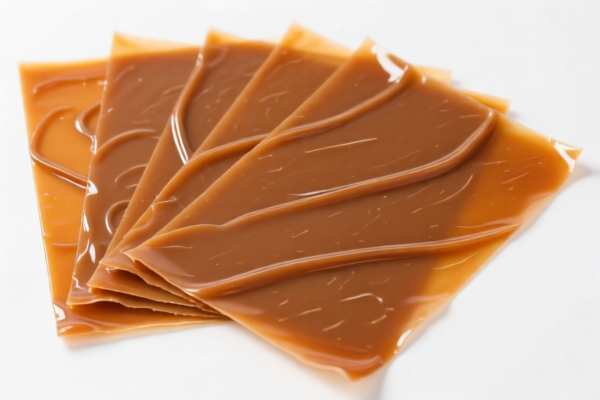
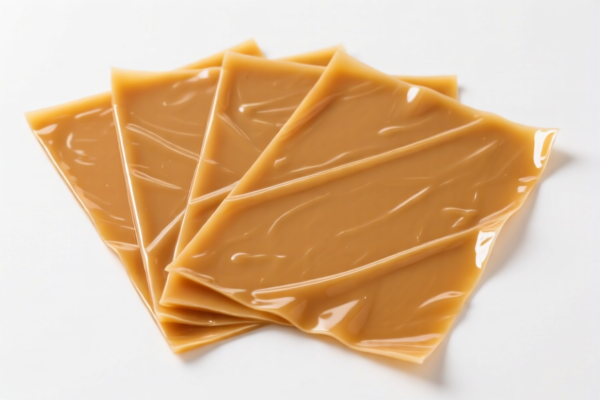
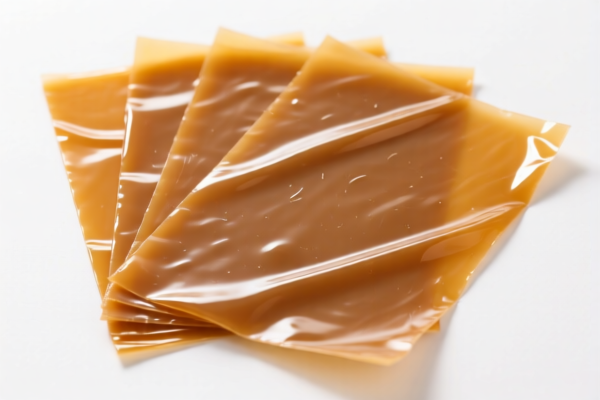
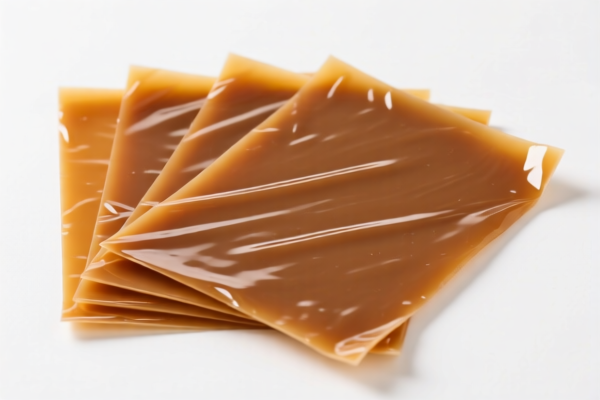
AI Analysis
🕯️ Wax Melter (Wax Heater for Scented Candles)
🌐 HS Code Reference & Customs Clearance Guide | 2026 Latest Tariff Analysis | Professional Entry Strategies
📌 I. Product Definition & Classification: Do You Really Know What a "Wax Melter" Is?
A Wax Melter (often referred to as a "Wax Warmer") is a device used to gently heat scented wax melts or candle containers to release fragrance without an open flame. In international trade, its classification depends heavily on its primary function and power source:
- Lighting/Ambient Device: If it is primarily designed to emit light (e.g., a candle-shaped holder with a bulb inside) or act as a decorative lamp that also melts wax, it may fall under Chapter 94 (Lamps and Lighting).
- Heating Apparatus: If it is strictly designed to generate heat for food/drink/thermal treatment, it may fall under Chapter 84 (Machinery for Processing Food/Drinks).
- Electric Appliance: If it uses electricity, specific subheadings in Chapter 94 or 85 might apply, but the data provided focuses on 9405 (Non-electric lamps) and 8419 (Heating machinery).
⚠️ Key Distinction:
- If the device is a non-electric candle holder (e.g., heated by a real tea light) → 9405.xxxx
- If the device is an electric heating unit for thermal processing → 8419.xxxx
- The presence of Section 301 Tariffs (25%) and Section 122 Tariffs (10%) significantly impacts the final duty rate for Chinese origin goods.
📦 II. HS Code Classification Details (2026 Latest Tariff Data)
Based on the provided dataset, there are 5 specific HS Codes for "Wax Melter" variants. Below is the detailed breakdown:
| HS Code | Product Summary | Primary Function | Total Tax Rate (China Origin) |
|---|---|---|---|
9405.50.40.00 |
Wax Heater, classified as non-electric lamps/lighting aids | Lighting/Ambient | 41.0% |
8419.81.50.80 |
Wax Heater, classified as machinery for heating food/drinks | Heating Apparatus | 17.5% |
9405.50.30.00 |
Wax Heater, classified as non-electric lighting auxiliary device | Lighting/Ambient | 40.7% |
8419.81.90.80 |
Wax Heater, classified as machinery for food/temp change processing | Heating Apparatus | 17.5% |
9405.29.40.10 |
Wax Heating Lamp, classified as household lighting/heating equipment (Electric) | Lighting/Electric | 38.7% |
🔍 Critical Insight:
- Chapter 94 (Lamps) codes incur ~40-41% total tax due to a high 25% Section 301 Surcharge.
- Chapter 84 (Machinery) codes incur only 17.5% total tax because they have a 0% Base Tariff and a lower 7.5% Section 301 Surcharge.
- Strategic Implication: If the product can be legitimately classified as a heating appliance (8419), the duty cost is more than halved compared to classifying it as a lamp (9405).
💰 III. 2026 Latest Tariff Rate Breakdown (Including Surcharges)
✅ Applicable Country: United States (US)
✅ Origin: China (CN)
✅ Effective Date: Current tariffs apply (Section 301 + Section 122)
🎯 1. 9405.50.40.00 / 9405.50.30.00 / 9405.29.40.10 —— Lamps & Lighting Devices (Lighting Focus)
These codes classify the wax melter as a lighting device or non-electric lamp.
| Item | Content |
|---|---|
| Base Tariff | 5.7% - 6.0% (Varies by sub-heading) |
| Section 301 Surcharge (USITC) | +25.0% (Heavy surcharge for lighting/lamps) |
| Section 122 Surcharge (IEEPA) | +10.0% (For China-origin goods) |
| Total Effective Tax | 40.7% - 41.0% |
| Calculation Basis | CIF Value × Total Rate |
| De Minimis Exemption | ❌ NOT Eligible |
| Legal Path | USITC:9405.xx.xx → FOOTNOTE:301 (25%) → IEEPA:9903 (10%) |
📌 Explanation:
- The 25% Section 301 tariff is the dominant cost driver here.
- These codes treat the device primarily as a lamp or lighting aid, regardless of whether it melts wax.
- Warning: Misclassifying a pure heater as a lamp increases tax by ~23% compared to Chapter 84.
🎯 2. 8419.81.50.80 / 8419.81.90.80 —— Heating Machinery (Heating Focus)
These codes classify the wax melter as machinery for heating (e.g., food, drink, or temperature treatment).
| Item | Content |
|---|---|
| Base Tariff | 0.0% |
| Section 301 Surcharge (USITC) | +7.5% (Lower surcharge for machinery) |
| Section 122 Surcharge (IEEPA) | +10.0% (For China-origin goods) |
| Total Effective Tax | 17.5% |
| Calculation Basis | CIF Value × 17.5% |
| De Minimis Exemption | ❌ NOT Eligible |
| Legal Path | USITC:8419.81.xx → FOOTNOTE:301 (7.5%) → IEEPA:9903 (10%) |
📌 Explanation:
- Base Rate is 0%, making these codes highly favorable.
- The Section 301 surcharge is only 7.5%, significantly lower than the 25% for lamps.
- Strategic Advantage: If the device is marketed as a "Food/Wine Warmer" or "Thermal Processor," it can benefit from this 17.5% rate.
🛠️ IV. Customs Clearance Practical Advice (Avoid Pitfalls)
✅ 1. Preparation Checklist (Essential for Smooth Clearance)
| Document | Required? | Notes |
|---|---|---|
| ✅ Product Photos | ✔️ | Show the heating element (coil/heater) vs. light bulb. |
| ✅ Technical Spec Sheet | ✔️ | Highlight wattage, voltage, and primary function (Heat vs. Light). |
| ✅ Marketing Materials | ✔️ | If marketed as a "Food Warmer," use this to support 8419 classification. |
| ✅ Circuit Diagram | ✔️ | If electric, proves whether it’s a light fixture or a heating appliance. |
| ✅ Commercial Invoice | ✔️ | Clearly state "Wax Melting Appliance" or "Candle Heater." Avoid vague terms like "Decor." |
| ✅ Country of Origin | ✔️ | Must clearly state "Made in China" to trigger Section 122 if applicable. |
✅ 2. Declaration Strategy (Key Tips)
🔥 "Function Defines Code: Heat = 8419, Light = 9405"
| Scenario | Recommended HS Code | Reason |
|---|---|---|
| Electric Wax Warmer (No light, just heat) | 8419.81.50.80 or 8419.81.90.80 |
Primary function is heating. Lowest tax (17.5%). |
| Candle Holder with Bulb (Light + Heat) | 9405.50.40.00 |
Primary function is lighting. High tax (41.0%). |
| Battery-Operated Warmer | 9405.29.40.10 |
Non-mains electric lighting/heating aid. High tax (38.7%). |
| Oil Diffuser (May be different) | Check 9405 vs 8419 |
If it heats oil for scent, 8419 may still apply if no light is emitted. |
✅ 3. Common Mistakes & Consequences
❌ Mistake 1: Using a generic term like "Home Decor Item"
👉 Consequence: Customs may inspect and reclassify, potentially applying the higher 41% rate or delaying shipment.
❌ Mistake 2: Classifying a non-electric candle warmer as 8419
👉 Consequence: 8419 is for machinery/appliances. Non-electric devices may be rejected or misclassified. Use 9405 codes for non-electric candle holders.
❌ Mistake 3: Ignoring Section 122 (10%)
👉 Consequence: Underestimating total landed cost. Always add 10% for China-origin goods on top of the base + Section 301 rate.
✅ Correct Approach:
"Electric Wax Melter, Ceramic Base, Heating Coil, 50W, For Scented Wax, Model XYZ"
Supporting Doc: Technical data showing heating element, not light bulb.
🌍 V. Global Market Comparison (2026)
| Country | Recommended HS Code | Base Tariff | Section 301/122 | Total Est. Tax (China) | Notes |
|---|---|---|---|---|---|
| 🇺🇸 USA | 8419.81.50.80 |
0% | +7.5% (301) + 10% (122) | 17.5% | Best for electric heaters. |
| 🇺🇸 USA | 9405.50.40.00 |
6% | +25% (301) + 10% (122) | 41.0% | Apply only if it’s a lamp. |
| 🇨🇳 China | 9405.xxxx / 8419.xxxx |
5-10% | None | ~5-10% | Low import tax. |
| 🇪🇺 EU | 9405.42 / 8419.89 |
0-6% | None | ~0-6% | No Section 301. Check CE. |
| 🇬🇧 UK | 9405.42 / 8419.89 |
0-6% | None | ~0-6% | Post-Brexit rules apply. |
📌 Conclusion:
- The US market is critical due to high Section 301 tariffs.
- Classifying as8419(Heating) saves ~23.5% compared to9405(Lighting).
- Ensure your product description emphasizes heating function if you aim for the lower rate.
📌 VI. Common Errors & Pitfall Guide (Lessons Learned)
❌ Error 1: Claiming "It's just a lamp" for an electric heater
👉 Result: Customs may reject 8419 and force 9405, leading to back taxes of ~23.5%.
❌ Error 2: Using 8419 for a non-electric candle warmer
👉 Result: Rejection because 8419 requires mechanical/electric operation.
❌ Error 3: Not declaring Section 122 (10%)
👉 Result: Underpayment of duties, leading to penalties and delays.
✅ Best Practice:
Provide clear technical documentation proving the primary function (Heat vs. Light).
If the device has both, argue for the primary use (e.g., if it doesn’t emit light, it’s not a lamp).
🎯 VII. Conclusion: Professional Declaration for Cost Savings
🎯 Remember This Rule:
🔹 "Heater = 8419 (17.5%) vs. Lamp = 9405 (41%)"
🔹 "Function First, Code Second. Don't let the bulb fool the customs officer."
🔹 "Section 122 (10%) applies to all China-origin goods. Factor it in!"
📌 Pro Tip:
If your wax melter is exported to the US, consider:
1. Product Design: If it has no light-emitting component, strongly advocate for 8419.
2. Pre-Ruling: Request a Customs Ruling from CBP if the classification is ambiguous.
3. Documentation: Ensure invoices say "Electric Wax Melting Appliance" not "Decorative Light."
📣 Immediate Action:
📞 Consult a licensed customs broker with your product specs.
🚀 Optimize your HS Code to save ~23.5% in duties on the US market.
✨ Precision in Classification, Profit in Clearance!
💼 Every Percentage Point Saved is Pure Profit!
Customer Reviews
About HS Code Classification
The Harmonized System (HS) is an internationally standardized nomenclature developed by the World Customs Organization (WCO) to classify traded products. Over 200 countries use the HS system as the basis for customs tariffs, trade statistics, and import/export regulations.
Each HS code follows a hierarchical structure:
- Chapter (2 digits) — Broad category of goods (e.g., Chapter 84: Machinery and Mechanical Appliances)
- Heading (4 digits) — More specific grouping within the chapter
- Subheading (6 digits) — Internationally standardized breakdown, used by all WCO member countries
- National subdivisions (8-10 digits) — Country-specific extensions for further classification, such as US HTSUS 10-digit codes
Correct HS code classification is essential for smooth customs clearance, accurate duty payment, and compliance with trade regulations. Misclassification can lead to customs delays, overpayment of duties, or penalties.
When importing from CN to US, the applicable tariff rates may include:
- Most-Favored-Nation (MFN) rate — The standard duty rate applied to WTO members
- General rate — Applied to countries without trade agreements
- Trade remedy duties — Additional tariffs such as Section 301 (anti-dumping), Section 232 (national security), or countervailing duties
The information provided on this page is for reference purposes only. For official classification, please consult with your local customs authority or a licensed customs broker.