Wax Melting Machine
CN → US| HS Code | Tariff Rate | Origin | Destination | Doc |
|---|---|---|---|---|
| 8477800100 | 38.1% | CN | US | Official Doc |
| 8477590100 | 38.1% | CN | US | Official Doc |
| 3404905150 | 35.0% | CN | US | Official Doc |
| 3404200000 | 35.0% | CN | US | Official Doc |
| 8419390280 | 35.0% | CN | US | Official Doc |
| 8419899585 | 39.2% | CN | US | Official Doc |
Product Images
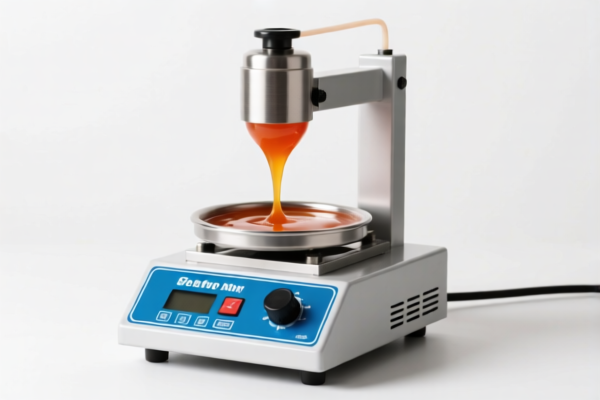
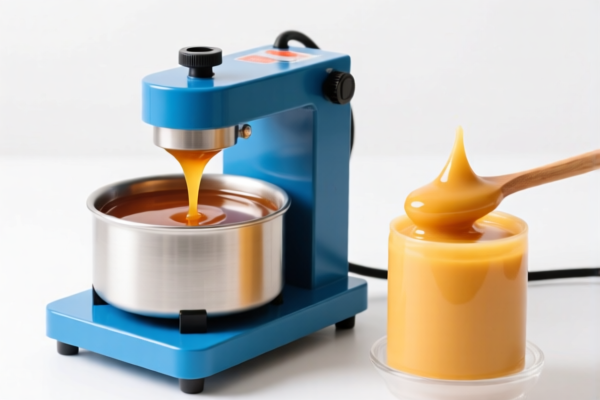
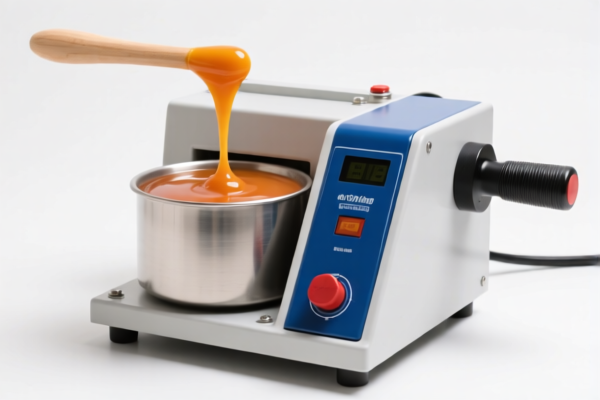
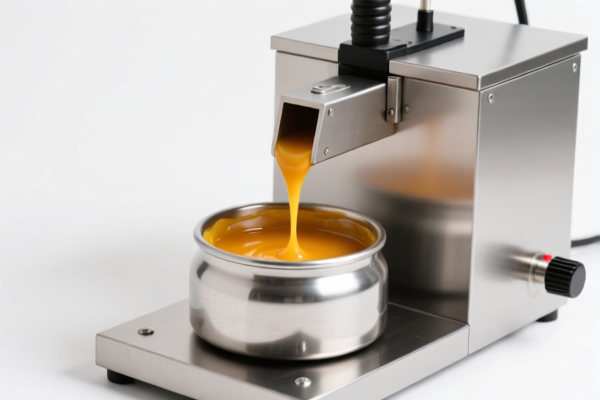
AI Analysis
🕯️ Wax Melting Machine & Waxing Devices: HS Code Classification & Customs Clearance Guide (2026)
🌐 HS Code Reference & Clearance Strategy | 2026 Latest Tariff Analysis | Professional Logistics Guide
📌 1. Product Definition & Classification: Are You Confusing "Melting" with "Applying"?
In international trade, the term "Wax Machine" is ambiguous and can refer to two entirely different functions: 1. Wax Melting Machine (熔蜡机): A device that uses heat to change the physical state of wax (solid to liquid). It is an industrial processing machine. 2. Waxing/Polishing Machine (打蜡机): A device used to apply wax to surfaces (e.g., floors). It is a surface treatment appliance, often household or commercial cleaning equipment.
⚠️ Critical Distinction:
- If the machine heats wax for processing (industrial/material handling) →归入 8419 Series (High Tax).
- If the machine applies/polishes wax on floors (cleaning/appliance) →归入 8509 or 8479 Series (Variable Tax).
📦 2. HS Code Classification Details (2026 Latest Tariff Authority)
The following classification is strictly based on the provided data <DATA>.
| HS Code | Product Description | Function/Application | Total Tax Rate (US Import from CN) | Tax Composition Detail |
|---|---|---|---|---|
8419.89.95.60 |
Wax Melting Machine (Food/Bev Context) | Heating temperature change processing; fits "other machinery for food/drink." | 39.2% | Base: 4.2% + 301 Tariff: 25.0% + Section 122: 10% |
8419.89.95.80 |
Wax Melting Machine (Industrial/Plastic/Rubber Context) | Heating processing machines; processes materials like plastic/rubber/wax. | 39.2% | Base: 4.2% + 301 Tariff: 25.0% + Section 122: 10% |
8509.80.10.00 |
Waxing Machine (Household Electric) | Floor polishing/waxing; electric motor-driven household appliance. | 10.0% | Base: 0.0% + 301 Tariff: 0.0% + Section 122: 10% |
8479.89.20.00 |
Waxing Machine (General Industrial/Motorized) | Floor polishing equivalent; electric machinery with motor. | 35.0% | Base: 0.0% + 301 Tariff: 25.0% + Section 122: 10% |
8479.89.65.00 |
Waxing Machine (Self-Contained Motor) | Independent machinery with self-contained motor; other electro-mechanical appliances. | 20.3% | Base: 2.8% + 301 Tariff: 7.5% + Section 122: 10% |
🔍 Key Insight:
- Melting vs. Applying:8419codes are for heat processing (Melting).8509/8479codes are for surface treatment (Waxing/Polishing).
- Tax Disparity: Melting machines face 39.2% total tax, while some waxing machines face only 10% or 20.3%. Misclassification can lead to massive duty discrepancies.
💰 3. 2026 Tariff Rate Breakdown (US Import from China)
✅ Applicable Country: United States (US)
✅ Origin: China (CN)
✅ Effective Time: Current 2026 Tariff Structure
🎯 A. 8419.89.95.60 & 8419.89.95.80 – Wax Melting Machines
| Item | Detail |
|---|---|
| Base Tariff | 4.2% (ad valorem) |
| Section 301 Tariff | +25.0% (Trade Act of 1974) |
| Section 122 Tariff | +10.0% (Specific to certain industrial/processing goods) |
| Total Rate | 39.2% |
| Calculation | CIF Value × 39.2% |
| De Minimis Exemption | ❌ Not Eligible |
| Legal Basis Path | USITC:8419.89.95.60/80 → Section 301 Footnote → Section 122 |
📌 Explanation:
- These codes classify machines that change the temperature of materials (melting wax).
- Whether for food/beverage (.60) or industrial/plastic/rubber (.80), the tax structure is identical at 39.2%.
- This is a high-cost import category. Accurate documentation proving "temperature change processing" is required.
🎯 B. 8509.80.10.00 – Household Waxing Machines (Floor Polishers)
| Item | Detail |
|---|---|
| Base Tariff | 0.0% |
| Section 301 Tariff | 0.0% (Exempted or not listed in 301 for this specific subheading) |
| Section 122 Tariff | +10.0% |
| Total Rate | 10.0% |
| Calculation | CIF Value × 10.0% |
| De Minimis Exemption | ❌ Not Eligible |
| Legal Basis Path | USITC:8509.80.10.00 → Section 122 |
📌 Explanation:
- This code is for electric household appliances used for floor polishing/waxing.
- It benefits from 0% base and 0% Section 301 tariffs, only subject to the 10% Section 122 tariff.
- Crucial: Must be clearly described as a "household electric appliance" for floor maintenance.
🎯 C. 8479.89.20.00 – General Industrial Waxing/Polishing Machines
| Item | Detail |
|---|---|
| Base Tariff | 0.0% |
| Section 301 Tariff | +25.0% |
| Section 122 Tariff | +10.0% |
| Total Rate | 35.0% |
| Calculation | CIF Value × 35.0% |
| De Minimis Exemption | ❌ Not Eligible |
| Legal Basis Path | USITC:8479.89.20.00 → Section 301 → Section 122 |
📌 Explanation:
- For machines that perform floor polishing but do not fit the "household appliance" definition of 8509.
- Subject to full 25% Section 301 tariff because it is categorized under "Other Machinery" (Chapter 84).
🎯 D. 8479.89.65.00 – Self-Contained Motor Machinery (Waxing)
| Item | Detail |
|---|---|
| Base Tariff | 2.8% |
| Section 301 Tariff | +7.5% (Reduced rate for certain machinery) |
| Section 122 Tariff | +10.0% |
| Total Rate | 20.3% |
| Calculation | CIF Value × 20.3% |
| De Minimis Exemption | ❌ Not Eligible |
| Legal Basis Path | USITC:8479.89.65.00 → Section 301 (Reduced) → Section 122 |
📌 Explanation:
- Applies to machinery with self-contained motors that have independent functions.
- Offers a moderate tax rate (20.3%), significantly lower than the 35% or 39.2% alternatives.
- Requires proof that the machine is an "independent electro-mechanical appliance" with its own motor.
🛠️ 4. Customs Clearance Practical Advice (Pitfall Avoidance Guide)
✅ 1. Documentation Checklist (Mandatory)
| Document | Required? | Description |
|---|---|---|
| ✅ Product Specification Sheet | ✔️ | Must clearly state: Function (Melting vs. Polishing), Heat Source (for 8419), Motor Power (for 8479/8509). |
| ✅ Technical Drawings | ✔️ | Show heating elements (for melting) or polishing heads/buffers (for waxing). |
| ✅ Product Photos | ✔️ | Clear images of control panels, heating coils, or polishing pads. Include nameplates. |
| ✅ Commercial Invoice | ✔️ | Critical: Use precise descriptions. Do NOT just write "Wax Machine." Use "Wax Melting Machine" or "Floor Waxing Polishing Machine." |
| ✅ User Manual | ✔️ | Helps customs understand the operational method (heating vs. mechanical application). |
✅ 2. Declaration Tips (Key Strategy)
🔥 "Clarify Function, Specify Temperature, Define Application!"
| Scenario | Correct HS Code | Risk of Misclassification |
|---|---|---|
| Industrial Melter (Heats wax for production) | 8419.89.95.60 or 8419.89.95.80 |
If declared as "cleaning machine," customs may reclassify to lower tax but penalize for falsification. |
| Household Floor Polisher (Applies wax to floor) | 8509.80.10.00 |
If declared as "industrial machinery," tax jumps from 10% to 35%. |
| Commercial Floor Buffer (No motor self-contained?) | 8479.89.20.00 |
Must ensure it fits "other machinery" definition. |
| Self-Contained Motor Polisher | 8479.89.65.00 |
Best middle ground for commercial use without 301 penalty? (Check specific eligibility). |
✅ 3. Special Situations
| Situation | Recommendation |
|---|---|
| Dual-Use Machine (Can melt AND apply?) | Declare based on primary intended use. If primarily for heating, use 8419. Provide evidence of primary function. |
| OEM Custom Machine | Provide customer order + design specs. If custom-built for melting, 8419 is safer. |
| Household vs. Commercial | 8509 is strictly for "household electric appliances." Commercial floor polishers often fall under 8479. Check voltage, size, and marketing claims. |
| Section 122 Applicability | Note that all provided codes in <DATA> include a 10% Section 122 tariff. Ensure the product type is covered under this section's scope (industrial/processing machinery). |
🌍 5. Global Market Comparison (2026)
| Country/Region | Recommended HS Code | Estimated Tax (China Origin) | Notes |
|---|---|---|---|
| 🇺🇸 USA | 8419.89.95.60/80 (Melting) |
39.2% | High duty. |
| 🇺🇸 USA | 8509.80.10.00 (Household Waxing) |
10.0% | Low duty. Must be household appliance. |
| 🇺🇸 USA | 8479.89.65.00 (Commercial/Industrial) |
20.3% | Moderate duty. |
| 🇪🇺 EU | Varies (Usually 8419 or 8509) | 0% - 6% | No Section 301/122 equivalents. Standard MFN rates apply. |
| 🇨🇳 China | Varies | 0% - 5% | Import duties are lower. No additional tariffs. |
📌 Conclusion:
- The USA imposes significant tariffs (10-39%) on these goods due to Section 301 and Section 122.
- Classify correctly: A "Wax Melting Machine" is NOT the same as a "Waxing Floor Polisher." The tax difference is 29.2% (39.2% vs 10%).
- Document precisely: Use terms like "Heating Processing Equipment" for 8419 and "Floor Polishing Appliance" for 8509.
📌 6. Common Errors & Pitfalls (Lessons Learned)
❌ Error 1: Labeling a Wax Melting Machine as a "Cleaning Machine" to avoid 25% tariff.
👉 Consequence: Customs audit fails due to technical specs (heating element vs. motor). Penalty + Back Tax.
❌ Error 2: Labeling a Commercial Floor Polisher as a "Household Appliance" (8509).
👉 Consequence: Rejected by customs if power/motor specs don't match household criteria. Delay + Storage Fees.
❌ Error 3: Ignoring Section 122.
👉 Consequence: All codes in <DATA> include a 10% Section 122 tariff. Under-declaring leads to compliance violations.
✅ Correct Practice:
"Wax Melting Machine, Industrial, Electric, Heating Function, Model XYZ" → 8419.89.95.60
"Electric Floor Waxing Machine, Household, for Floor Polish, Model ABC" → 8509.80.10.00
🎯 7. Conclusion: Precision Saves Money!
🎯 Remember the Rules:
🔹 "Melting = 8419 (39.2% Tax)"
🔹 "Household Waxing = 8509 (10% Tax)"
🔹 "Commercial Waxing = 8479 (20.3% - 35% Tax)"
🔹 "One Misstep, Thousands Lost!"
📌 Pro Tip:
If you are importing Wax Melting Machines, consider if any part of the machine can be classified under a more favorable subheading, but never misrepresent the function. If it melts wax via heat, it is 8419.
For Waxing Machines, if it is a household floor polisher, ensure it meets all "household appliance" criteria to secure the 10% rate.
📣 Immediate Action:
📞 Verify Function: Heating (Melting) or Application (Waxing)?
📄 Prepare Docs: Specs showing heat elements or polishing heads.
🚀 Clearance Goal: Accurate HS Code = Lower Tax = Faster Release!
✨ Professional Customs Clearance Starts with Accurate Classification!
💼 Every Percent Counts in Your Logistics Budget!
Customer Reviews
About HS Code Classification
The Harmonized System (HS) is an internationally standardized nomenclature developed by the World Customs Organization (WCO) to classify traded products. Over 200 countries use the HS system as the basis for customs tariffs, trade statistics, and import/export regulations.
Each HS code follows a hierarchical structure:
- Chapter (2 digits) — Broad category of goods (e.g., Chapter 84: Machinery and Mechanical Appliances)
- Heading (4 digits) — More specific grouping within the chapter
- Subheading (6 digits) — Internationally standardized breakdown, used by all WCO member countries
- National subdivisions (8-10 digits) — Country-specific extensions for further classification, such as US HTSUS 10-digit codes
Correct HS code classification is essential for smooth customs clearance, accurate duty payment, and compliance with trade regulations. Misclassification can lead to customs delays, overpayment of duties, or penalties.
When importing from CN to US, the applicable tariff rates may include:
- Most-Favored-Nation (MFN) rate — The standard duty rate applied to WTO members
- General rate — Applied to countries without trade agreements
- Trade remedy duties — Additional tariffs such as Section 301 (anti-dumping), Section 232 (national security), or countervailing duties
The information provided on this page is for reference purposes only. For official classification, please consult with your local customs authority or a licensed customs broker.