Wax Pellets
CN → US| HS Code | Tariff Rate | Origin | Destination | Doc |
|---|---|---|---|---|
| 2712902000 | 35.0% | CN | US | Official Doc |
| 2712200000 | 17.5% | CN | US | Official Doc |
| 3404905110 | 35.0% | CN | US | Official Doc |
| 3404905150 | 35.0% | CN | US | Official Doc |
Product Images
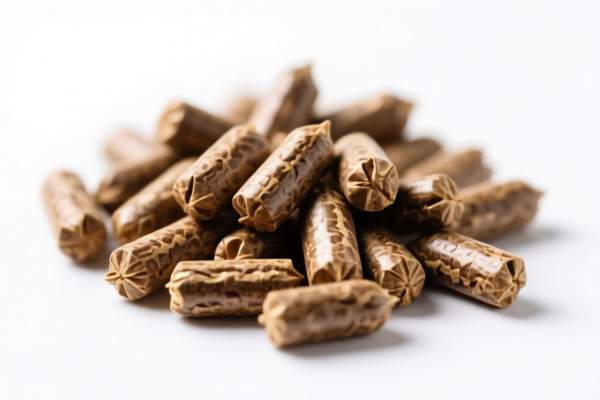
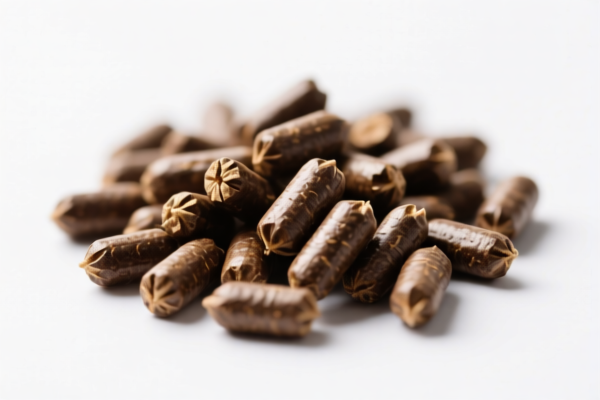
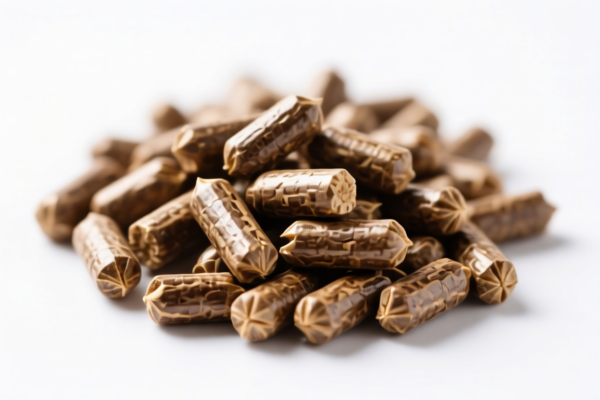
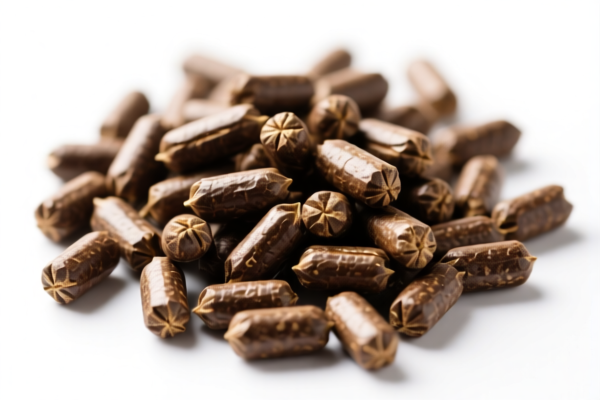
AI Analysis
🕯️ Wax Pellets / Wax Blocks (Paraffin, Microcrystalline, & Synthetic Waxes)
🌐 HS Code Reference & Customs Clearance Guide | 2026 Latest Tariff Analysis | Professional Strategy
📌 I. Product Definition & Classification: Do You Really Know "Wax"?
Wax, in international trade, is a complex category often misunderstood. It spans from raw petroleum byproducts to sophisticated artificial compounds. For Wax Pellets/Blocks, classification hinges entirely on the material source and processing level.
In global trade, wax is generally divided into two main buckets:
1. Mineral Waxes (Petroleum-Based):
Derived from crude oil distillation. Includes Paraffin Wax (straight-chain hydrocarbons) and Microcrystalline Wax (branched/complex hydrocarbons). These are primary products of the petroleum industry.
2. Artificial/Synthetic Waxes:
Man-made or chemically modified substances. This includes Montan Wax, Ester Waxes, Polyethylene Waxes, and Mixed/Prepared Waxes that do not fit strictly into the natural mineral categories.
⚠️ Key Distinction Point:
- If the wax is derived directly from petroleum/mineral sources (Paraffin/Microcrystalline) → It falls under Chapter 27.
- If the wax is synthetic, prepared, or "other" (not explicitly paraffin/microcrystalline) → It falls under Chapter 34.
- Physical Form (Pellets/Blocks): The shape does not change the HS Code category, but it confirms it is a "solid/waxy substance" suitable for these codes.
📦 II. HS Code Classification Details (2026 Latest Tariff Authority Comparison)
Based on the provided data for Wax Pellets/Blocks, here are the four critical HS Codes and their rationales. The choice depends on the specific chemical composition.
| HS Code | Product Description | Material Nature | Key Classification Logic |
|---|---|---|---|
2712.90.20.00 |
Mineral Waxes & Similar Products (Block Form) | Mineral/Paraffin-like | "Waxy matter" derived from minerals. Fits the broad category of "Mineral Wax." Often used for Paraffin Wax in block form. |
2712.20.00.00 |
Petroleum Waxes (Microcrystalline/Paraffin) | Petroleum-derived | Specific to Paraffin Wax or Microcrystalline Petroleum Wax. If it is a primary petrochemical product, this is the most accurate code. |
3404.90.51.10 |
Artificial/Prepared Waxes (Block Form) | Synthetic/Prepared | "Other artificial wax and prepared wax." Falls under the "Catch-all" principle for waxes that are neither natural nor standard mineral paraffin. |
3404.90.51.50 |
Artificial/Prepared Waxes (Primary Block Form) | Synthetic/Prepared | Similar to 51.10 but specifically categorized for "Waxy substances" in primary forms. Used for synthetic waxes (e.g., polyethylene wax blocks). |
🔍 Critical Reminder:
- Misclassification Risk: Declaring Synthetic Wax as Paraffin (or vice versa) can lead to customs delays or penalties.
- Material Proof: Customs may require a Certificate of Analysis (COA) to distinguish between Paraffin (C18-C30 alkanes) and Synthetic (Polymers/Esters).
💰 III. 2026 Latest Tariff Rate Breakdown (Including Additional Duties)
✅ Applicable Country: United States (US)
✅ Origin: China (CN)
✅ Effective Date: Post-November 10, 2025 (Subject to Section 301 & IEEPA)
The tax structure for wax from China is significantly higher due to retaliatory tariffs and Section 122 clauses. Below is the detailed breakdown for each code.
🎯 1. 2712.90.20.00 —— Mineral Waxes (Block Form)
| Item | Detail |
|---|---|
| Base Rate | 0.0% (Ad Valorem) |
| Section 301 Additional Tariff | +25.0% (USITC Footnote) |
| Section 122 Tariff | +10.0% (Specific trade remedy clause) |
| Total Tax Rate | 35.0% |
| Tax Calculation | CIF Value × 35% |
| De Minimis Exemption? | ❌ No (Denied for these specific HS codes under current rules) |
| Legal Path | Base 0% → Sec 301: +25% → Sec 122: +10% |
📌 Explanation:
- Although the base rate for mineral wax is low (0%), the Section 301 tariff (+25%) is standard for Chinese petrochemical products.
- The Section 122 tariff (+10%) is an additional punitive measure applied to specific mineral and wax imports.
- Total Impact: You must budget for 35% total duty on CIF value.
🎯 2. 2712.20.00.00 —— Petroleum Waxes (Paraffin/Microcrystalline)
| Item | Detail |
|---|---|
| Base Rate | 0.0% (Ad Valorem) |
| Section 301 Additional Tariff | +7.5% (Note: Lower rate for specific petroleum derivatives in some contexts) |
| Section 122 Tariff | +10.0% |
| Total Tax Rate | 17.5% |
| Tax Calculation | CIF Value × 17.5% |
| De Minimis Exemption? | ❌ No |
| Legal Path | Base 0% → Sec 301: +7.5% → Sec 122: +10% |
📌 Explanation:
- This is the most cost-effective option IF your wax qualifies as standard Paraffin or Microcrystalline Petroleum Wax.
- The Section 301 rate is lower (7.5% vs 25%) for this specific subheading, likely due to different trade policy classifications for refined petroleum products.
- Verification Required: Ensure your product is strictly "Paraffin Wax" or "Microcrystalline Wax" from petroleum. If it contains synthetic additives, this code is invalid.
🎯 3. 3404.90.51.10 —— Artificial/Prepared Waxes (Catch-All)
| Item | Detail |
|---|---|
| Base Rate | 0.0% (Ad Valorem) |
| Section 301 Additional Tariff | +25.0% |
| Section 122 Tariff | +10.0% |
| Total Tax Rate | 35.0% |
| Tax Calculation | CIF Value × 35% |
| De Minimis Exemption? | ❌ No |
| Legal Path | Base 0% → Sec 301: +25% → Sec 122: +10% |
📌 Explanation:
- This code is used for Synthetic Waxes (e.g., Polyethylene Wax, Ester Wax) or Mixed/Prepared Waxes.
- It attracts the maximum penalty rate (35%) because synthetic waxes are often subject to stricter anti-dumping or trade remedy measures.
- High Cost Alert: Do not use this code if you can legally classify under 2712.20.00.00.
🎯 4. 3404.90.51.50 —— Other Artificial/Prepared Waxes (Block Form)
| Item | Detail |
|---|---|
| Base Rate | 0.0% (Ad Valorem) |
| Section 301 Additional Tariff | +25.0% |
| Section 122 Tariff | +10.0% |
| Total Tax Rate | 35.0% |
| Tax Calculation | CIF Value × 35% |
| De Minimis Exemption? | ❌ No |
| Legal Path | Base 0% → Sec 301: +25% → Sec 122: +10% |
📌 Explanation:
- Similar to 51.10, this is a "catch-all" for artificial waxes in primary block forms.
- The tariff burden is identical to 51.10.
- Use this only if the wax does not fit 51.10 specifically but is still not a mineral wax.
🛠️ IV. Customs Clearance Practical Advice (Real-World Pitfall Guide)
✅ 1. Document Checklist (Mandatory)
| Document | Required | Purpose |
|---|---|---|
| ✅ Certificate of Origin (CO) | ✔️ | To confirm CN origin and trigger correct Section 301/122 rates. |
| ✅ Certificate of Analysis (COA) | ✔️ | CRITICAL. Must specify: Melting Point, Oil Content, Viscosity, and Chemical Composition (e.g., % Paraffin vs. Synthetic). |
| ✅ Product Specification Sheet | ✔️ | Describe as "Wax Pellets/Blocks, [Type], [Color], [Melting Point]." |
| ✅ Commercial Invoice | ✔️ | Clearly state "Artificial Wax" or "Paraffin Wax," NOT just "Wax." |
| ✅ Bill of Lading / Packing List | ✔️ | Ensure weight matches COA. |
⚠️ Warning: If the COA is missing or vague, Customs will default to the highest tariff code (likely 35% for synthetic or 25% for mineral) and may hold the shipment for chemical testing.
✅ 2. Declaration Tips (Key Mnemonics)
🔥 “Source Defines Code, Section 122 Hits Hard!”
| Scenario | Correct HS Code | Incorrect HS Code | Consequence |
|---|---|---|---|
| Paraffin Wax from Petroleum | 2712.20.00.00 (17.5%) |
3404.90.51.10 (35%) |
Overpaying 17.5% unnecessarily. |
| Synthetic Wax (PE Wax) | 3404.90.51.10 (35%) |
2712.20.00.00 (17.5%) |
Underpayment: Customs will assess back-taxes + penalties + interest. |
| Mineral Wax (Blocks) | 2712.90.20.00 (35%) |
3404.90.51.50 (35%) |
Same rate, but wrong description may cause inspection delays. |
| Mixed/Prepared Wax | 3404.90.51.10 (35%) |
2712.90.20.00 (35%) |
Risk of classification error if ingredients are unclear. |
💡 Pro Tip:
- If you are exporting Paraffin Wax, strictly use2712.20.00.00to save 17.5% compared to synthetic codes.
- If you are exporting Synthetic Wax, you cannot avoid the 35% rate. Focus on optimizing CIF value and ensuring accurate documentation to avoid delays.
✅ 3. Special Considerations for Section 122
| Issue | Detail |
|---|---|
| What is Section 122? | A special tariff clause applied to certain imports from China, often in addition to Section 301. |
| Impact on Wax | Adds 10% to all wax codes listed above. |
| Compliance | Ensure your HS Code exactly matches the 10-digit code. Any deviation (e.g., using an 8-digit code) may cause the 122 tariff to be missed or incorrectly applied, leading to audits. |
🌍 V. Global Market Comparison (2026 Update)
| Market | Recommended HS Code | Base Duty | Additional (China) | Total Est. Duty | Notes |
|---|---|---|---|---|---|
| 🇺🇸 USA | 2712.20.00.00 |
0% | 7.5% (Sec 301) + 10% (Sec 122) | 17.5% | Best for Paraffin. |
| 🇺🇸 USA | 3404.90.51.10 |
0% | 25% (Sec 301) + 10% (Sec 122) | 35.0% | For Synthetic Waxes. |
| 🇨🇳 China (Import) | 2712.10.00.00 |
5% | None | 5% | Lower duty for imports into China. |
| 🇪🇺 EU | 2712.10.00.00 |
2.5% | None (Most Favored Nation) | 2.5% | No Section 301/122. Much cheaper for EU market. |
| 🇬🇧 UK | 2712.10.00.00 |
2.5% | None | 2.5% | Post-Brexit, still favorable. |
| 🇯🇵 Japan | 2712.10.00.00 |
0% | None | 0% | Excellent for Japan exports. |
📌 Strategic Insight:
- US Market: High barriers. Cost calculation must include 17.5% or 35% total duty.
- EU/Asia Market: Much more competitive. Consider diversifying supply chains if shipping primarily to non-US markets to avoid high US tariffs.
📌 VI. Common Errors & Pitfalls (Lessons Learned)
❌ Error 1: Declaring Synthetic Wax as Paraffin Wax (2712.20.00.00) to save tax.
👉 Result: Customs lab tests, confirms synthetic content. Back-taxes + 25% penalty + legal fees.
❌ Error 2: Using "Wax" as the product name without specifying type.
👉 Result: Customs assigns the highest default duty (often 35%) and delays clearance for classification review.
❌ Error 3: Ignoring Section 122 in the calculation.
👉 Result: Underestimating landed cost by 10%, leading to profit margin erosion.
❌ Error 4: Assuming De Minimis applies to wax shipments.
👉 Result: Denied. Wax is a restricted/subject good. All duties apply regardless of value.
✅ Correct Approach:
"Paraffin Wax, Block Form, Melting Point 58-60°C, Mineral Origin, HS Code 2712.20.00.00, Origin: China"
🎯 VII. Conclusion: Precision in Classification Saves Money!
🎯 Remember This Mantra:
🔹 "Paraffin = 2712.20 (17.5%), Synthetic = 3404.90 (35%)."
🔹 "Section 122 adds 10% to ALL wax codes from China."
🔹 "If it's petroleum, fight for 2712.20. If it's synthetic, accept 35% and optimize logistics."
📌 Pro Tip:
For Paraffin Wax, ensure your supplier provides a detailed COA proving it is derived from petroleum distillation. This is your key to claiming the lower 17.5% rate.
For Synthetic Waxes, consider non-China origins if possible, as other countries may not face Section 301/122 tariffs (check specific FTAs).
📣 Immediate Action:
📞 Verify Chemical Composition with your supplier.
📄 Select the Correct 10-Digit HS Code based on material, not just shape.
🧮 Calculate Landed Cost including 17.5% or 35% duty.
🚀 Clear Customs Smoothly and Protect Your Margins!
✨ Professional Clearance Starts with Accurate Classification!
💼 Your Every Dollar Counts – Don't Overpay on Duties!
Customer Reviews
About HS Code Classification
The Harmonized System (HS) is an internationally standardized nomenclature developed by the World Customs Organization (WCO) to classify traded products. Over 200 countries use the HS system as the basis for customs tariffs, trade statistics, and import/export regulations.
Each HS code follows a hierarchical structure:
- Chapter (2 digits) — Broad category of goods (e.g., Chapter 84: Machinery and Mechanical Appliances)
- Heading (4 digits) — More specific grouping within the chapter
- Subheading (6 digits) — Internationally standardized breakdown, used by all WCO member countries
- National subdivisions (8-10 digits) — Country-specific extensions for further classification, such as US HTSUS 10-digit codes
Correct HS code classification is essential for smooth customs clearance, accurate duty payment, and compliance with trade regulations. Misclassification can lead to customs delays, overpayment of duties, or penalties.
When importing from CN to US, the applicable tariff rates may include:
- Most-Favored-Nation (MFN) rate — The standard duty rate applied to WTO members
- General rate — Applied to countries without trade agreements
- Trade remedy duties — Additional tariffs such as Section 301 (anti-dumping), Section 232 (national security), or countervailing duties
The information provided on this page is for reference purposes only. For official classification, please consult with your local customs authority or a licensed customs broker.