Wear Resistant Horse Leather Shoe Sole
CN → US| HS Code | Tariff Rate | Origin | Destination | Doc |
|---|---|---|---|---|
| 4104114060 | 15.0% | CN | US | Official Doc |
| 4107116060 | 13.3% | CN | US | Official Doc |
| 4107126060 | 13.3% | CN | US | Official Doc |
| 4104412000 | 37.4% | CN | US | Official Doc |
| 4107117030 | 15.0% | CN | US | Official Doc |
Product Images
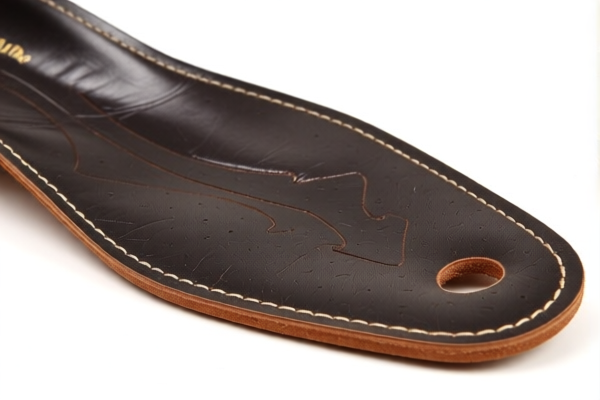
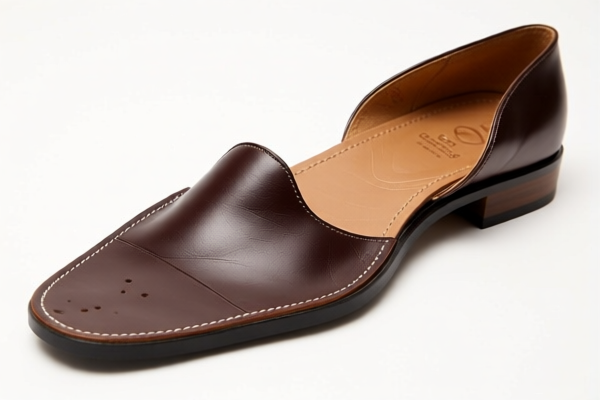
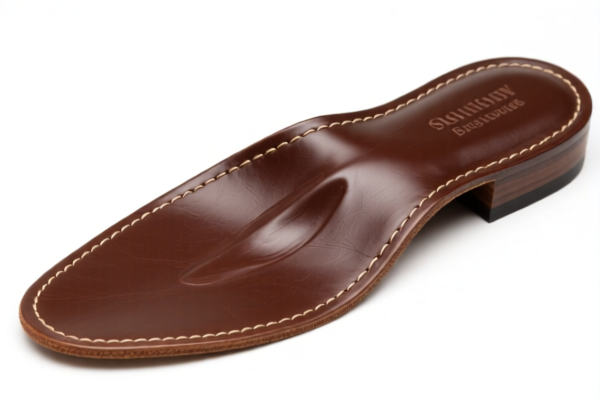
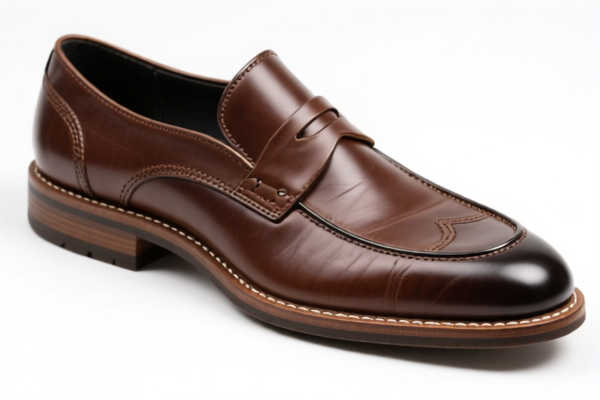
AI Analysis
🐎 Horse Leather Shoe Sole & Waistband Material (Wear-Resistant)
🌐 HS Code Reference & Clearance Guide | 2026 Latest Tariff Analysis | Professional Customs Strategy
📌 I. Product Definition & Classification: What Exactly Is This Product?
Horse Leather Shoe Soles and Wear-Resistant Horse Leather Materials are primary components in the footwear and leather goods industry. In international trade, precise classification depends heavily on the state of processing, specific use, and material composition.
Key Distinctions: * Shoe Soles (Finished/Part-Finished): Specifically shaped or cut for use as shoe bottoms. Classified under Chapter 41 (Leather), often distinguished by whether they are "footwear soles" or general "leather goods." * Leather Materials (Bushes, Waistband Materials): Unfinished or semi-finished leather pieces intended for further manufacturing (e.g., belts, bags). Classified based on the tanning process and specific leather type (Horse).
⚠️ Critical Classification Logic:
- If the item is specifically shaped/cut for shoes → It is a Shoe Sole.
- If the item is general leather sheet/piece used for belts or other goods → It is Leather Material.
- Material: Must be confirmed as Horse Leather (Tanned or Crust).
- Processing: Must be determined if it is "Full Length" vs. "Shaped/Cut."
📦 II. HS Code Classification Details (2026 Latest Tariff Authority Cross-Reference)
Based on the provided data, here are the authorized HS Codes for Horse Leather Shoe Soles and Wear-Resistant Horse Leather Materials.
| HS Code | Product Description | Classification Logic | Primary Use |
|---|---|---|---|
| 4104.11.40.60 | Horse Leather Shoe Sole | Material: Horse Leather; Form: Sole. Fits "Other Leather Soles." | Footwear manufacturing |
| 4107.11.60.60 | Horse Leather Shoe Sole | Material: Horse Leather; Form/Use matches definition of Horse Leather & Sole Leather. | Footwear manufacturing |
| 4107.12.60.60 | Horse Leather Shoe Sole | Material: Horse Leather; Use: Sole. Consistent with Horse Leather & Sole Leather definition. | Footwear manufacturing |
| 4104.41.20.00 | Wear-Resistant Horse Leather (Waistband Material) | Material: Horse Leather; Form: Leather Piece. Tanned or dry state leather material. | Belts, Bags, Accessories |
| 4107.11.70.30 | Wear-Resistant Horse Leather (Waistband Material) | Material: Horse Leather; Form: Leather Piece. Classification based on material match logic. | Belts, Bags, Accessories |
🔍 Important Note:
- Codes 4104.11.40.60, 4107.11.60.60, and 4107.12.60.60 are all classified as Shoe Soles. The difference lies in the specific subheading nuance regarding the tanning process and shape.
- Codes 4104.41.20.00 and 4107.11.70.30 are classified as Leather Materials (e.g., for waistbands/belts), not soles. Misclassification here can lead to significant tariff differences.
💰 III. 2026 Latest Tariff Rate Breakdown (Including Additional Taxes & Policy Add-ons)
✅ Applicable Country: United States (US)
✅ Origin: China (CN)
✅ Effective Time: Current tariffs apply (includes 122 Clause tariffs)
🎯 1. Shoe Soles Classification (HS Codes: 4104.11.40.60, 4107.11.60.60, 4107.12.60.60)
These codes relate specifically to Horse Leather Shoe Soles.
| Item | Content |
|---|---|
| HS Code Examples | 4104.11.40.60 / 4107.11.60.60 / 4107.12.60.60 |
| Basic Tariff | 3.3% – 5.0% (Ad Valorem) |
| Additional Tariff (Section 301) | 0.0% |
| 122 Clause Tariff | 10% |
| Total Tax Rate | 13.3% – 15.0% |
| Tax Calculation | CIF Value × Total Rate |
| Legal Basis Path | HS Code → Basic Tariff + 122 Clause (10%) |
📌 Explanation:
- The 122 Clause Tariff applies at 10%, which is a significant add-on to the basic duty.
- Basic duties range from 3.3% to 5.0% depending on the precise subheading (e.g., 4104 vs. 4107 series).
- Total effective rate is relatively low compared to manufactured goods, but still subject to the flat 10% surcharge.
🎯 2. Wear-Resistant Horse Leather Material (HS Codes: 4104.41.20.00, 4107.11.70.30)
These codes relate to Horse Leather Materials (e.g., for waistbands/belts), NOT shoe soles.
| Item | Content |
|---|---|
| HS Code Examples | 4104.41.20.00 / 4107.11.70.30 |
| Basic Tariff | 2.4% – 5.0% (Ad Valorem) |
| Additional Tariff (Section 301) | 25.0% |
| 122 Clause Tariff | 10% |
| Total Tax Rate | 37.4% – 15.0% (Note: Rates vary by specific HS subheading) |
| Tax Calculation | CIF Value × Total Rate |
| Legal Basis Path | HS Code → Basic Tariff + Section 301 (25%) + 122 Clause (10%) |
📌 CRITICAL WARNING:
- Code4104.41.20.00carries a 25% Section 301 Additional Tariff.
- Total Tax Rate: 37.4% (2.4% Basic + 25% 301 + 10% 122).
- Code4107.11.70.30appears to have 0% Section 301, resulting in a 15.0% total (5.0% Basic + 0% 301 + 10% 122).
- Misclassification Risk: If you declare a "Waistband Material" as a "Shoe Sole" to avoid the 25% tax, you risk severe penalties for false declaration.
🛠️ IV. Customs Clearance Practical Advice (Avoid Pitfalls Guide)
✅ 1. Essential Documentation Checklist (Non-Negotiable)
| Document | Mandatory? | Explanation |
|---|---|---|
| ✅ Product Specification Sheet | ✔️ | Must detail: Material (100% Horse Leather), Processing (Tanned/Crust), Form (Sole vs. Sheet). |
| ✅ Product Photos (Clear) | ✔️ | Must show: Texture, edges, any branding, and distinct shape (if sole). |
| ✅ Commercial Invoice | ✔️ | Must explicitly state: "Horse Leather Shoe Sole" or "Horse Leather Waistband Material" — Do not use generic terms like "Leather". |
| ✅ Packing List | ✔️ | Detail weights and quantities. Ensure no mixed declarations of soles and materials in one line item if they have different tariffs. |
| ✅ Origin Certificate | ✔️ | Required to verify CN origin for 122 Clause and Section 301 applicability. |
✅ 2. Declaration Strategy (Key Mnemonics)
🔥 “Shape Matters, Use Defines, Material Dictates!”
| Scenario | Correct HS Code Category | Risk if Misdeclared |
|---|---|---|
| Item is a Shoe Sole | 4104.11.40.60 / 4107.11.60.60 / 4107.12.60.60 |
Low Risk: Rate ~13.3-15%. |
| Item is Belt/Waistband Material | 4104.41.20.00 OR 4107.11.70.30 |
High Risk: Rate 15% – 37.4%. If you misdeclare as Sole to save 25%, you face fraud charges. |
| Mixed Package (Soles + Materials) | Split Declaration Required | Critical: Must separate lines. Combining them may lead to audit of the entire shipment. |
📌 Declaration Tip:
- For Soles: Use description: "Horse Leather Shoe Soles, Tanned, Shaped for Footwear."
- For Materials: Use description: "Wear-Resistant Horse Leather Sheets for Waistband Manufacturing, Tanned."
- Avoid: "Leather Goods" or "Horse Hide" — these are too vague and trigger manual inspection.
✅ 3. Special Handling for 122 Clause & Section 301
| Scenario | Action |
|---|---|
| Shoe Soles (HS 4104/4107.11/4107.12) | Expect 10% 122 Clause Tariff. No Section 301 (0%). Total ~13.3-15%. |
| Waistband Material (HS 4104.41) | Expect 25% Section 301 + 10% 122 Clause. Total 37.4%. |
| Waistband Material (HS 4107.11.70) | Expect 0% Section 301 + 10% 122 Clause. Total 15.0%. |
⚠️ Strategic Insight:
- If your product is wear-resistant horse leather intended for belts, check if it can be classified under 4107.11.70.30 (15% total) instead of 4104.41.20.00 (37.4% total).
- Condition: The physical characteristics must match the definition of 4107.11.70.30 (e.g., specific tanning process or leather type). Do not force a classification that doesn’t match the physical product.
🌍 V. Global Market Comparison (2026 Latest)
| Country/Region | Recommended HS Code (Shoe Sole) | Tariff (China Origin) | Key Requirement | Note |
|---|---|---|---|---|
| 🇺🇸 USA | 4104.11.40.60 / 4107.11.60.60 |
13.3% – 15.0% | 122 Clause (10%) | Low basic duty, but 122 clause applies. |
| 🇨🇳 China | 4104.11.40.60 |
5.0% – 10.0% | None | Import duty applies, but no US 122/301. |
| 🇪🇺 EU | 4106.21.00 (General) |
4.5% | CE/RoHS (if applicable) | No Section 301 or 122 Clause. |
| 🇬🇧 UK | 4106.21.00 |
4.5% | UKCA | Post-Brexit rules apply. |
📌 Conclusion:
- The US market imposes the 122 Clause (10%) on these leather products, making the total duty higher than in the EU or China.
- Section 301 (25%) only applies to specific leather materials (like 4104.41), NOT to shoe soles in the provided data. This makes Shoe Soles a more tariff-efficient category for export to the US.
📌 VI. Common Errors & Pitfalls (Lessons Learned)
❌ Error 1: Declaring Waistband Leather as Shoe Sole to avoid 25% tariff.
👉 Consequence: Customs may reject based on shape/use mismatch. Fraud penalties + Back Taxes!
❌ Error 2: Ignoring the 122 Clause (10%).
👉 Consequence: Underpayment by 10% on all leather imports from China. Audit Risk!
❌ Error 3: Vague Description: "Horse Leather."
👉 Consequence: CBP will request additional info, causing delayed clearance (5-10 days).
❌ Error 4: Mixing Soles and Materials in one HS Code line.
👉 Consequence: Incorrect tax calculation. If Materials are assigned Sole HS Code, you underpay. If Soles are assigned Material HS Code, you overpay (and may lose duty drawbacks).
✅ Correct Practice:
"Horse Leather Shoe Soles, Tanned, Shaped, 100% Horse Hide, for Footwear Assembly. HS: 4104.11.40.60."
🎯 VII. Conclusion: Precise Classification, Cost Optimization!
🎯 Remember the Key Takeaways:
🔹 “Soles vs. Materials: Shape is King.”
🔹 “122 Clause 10% Applies to All Leather from CN.”
🔹 “Section 301 25% Applies to Some Materials, NOT Soles.”
🔹 “Always Split Soles and Materials in Declaration!”
📌 Pro Tip:
If you are importing wear-resistant horse leather and are unsure whether it fits 4107.11.70.30 (15% total) or 4104.41.20.00 (37.4% total), request a Binding Ruling from US Customs (CBP) before shipment. The $2.2% tariff difference is substantial!
📣 Immediate Action:
📞 Consult with a licensed customs broker.
📄 Provide product samples or detailed specs for accurate HS Code determination.
🚀 Optimize your supply chain by choosing the most efficient HS Code compliant with reality.
✨ Professional clearance starts with accurate classification!
💼 Every percentage point saved is pure profit!
Customer Reviews
About HS Code Classification
The Harmonized System (HS) is an internationally standardized nomenclature developed by the World Customs Organization (WCO) to classify traded products. Over 200 countries use the HS system as the basis for customs tariffs, trade statistics, and import/export regulations.
Each HS code follows a hierarchical structure:
- Chapter (2 digits) — Broad category of goods (e.g., Chapter 84: Machinery and Mechanical Appliances)
- Heading (4 digits) — More specific grouping within the chapter
- Subheading (6 digits) — Internationally standardized breakdown, used by all WCO member countries
- National subdivisions (8-10 digits) — Country-specific extensions for further classification, such as US HTSUS 10-digit codes
Correct HS code classification is essential for smooth customs clearance, accurate duty payment, and compliance with trade regulations. Misclassification can lead to customs delays, overpayment of duties, or penalties.
When importing from CN to US, the applicable tariff rates may include:
- Most-Favored-Nation (MFN) rate — The standard duty rate applied to WTO members
- General rate — Applied to countries without trade agreements
- Trade remedy duties — Additional tariffs such as Section 301 (anti-dumping), Section 232 (national security), or countervailing duties
The information provided on this page is for reference purposes only. For official classification, please consult with your local customs authority or a licensed customs broker.