Wear resistant Insulating Tape
CN → US| HS Code | Tariff Rate | Origin | Destination | Doc |
|---|---|---|---|---|
| 3919905030 | 40.8% | CN | US | Official Doc |
| 3919102020 | 40.8% | CN | US | Official Doc |
| 3926909989 | 22.8% | CN | US | Official Doc |
| 3926904590 | 38.5% | CN | US | Official Doc |
| 3919102020 | 40.8% | CN | US | Official Doc |
Product Images
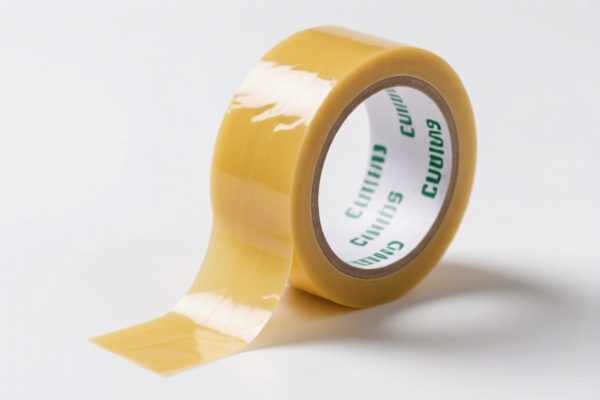
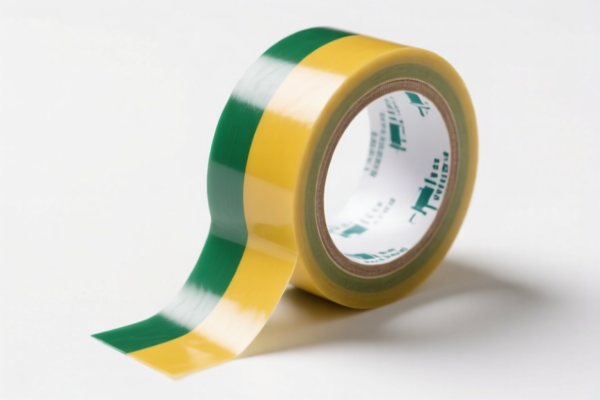
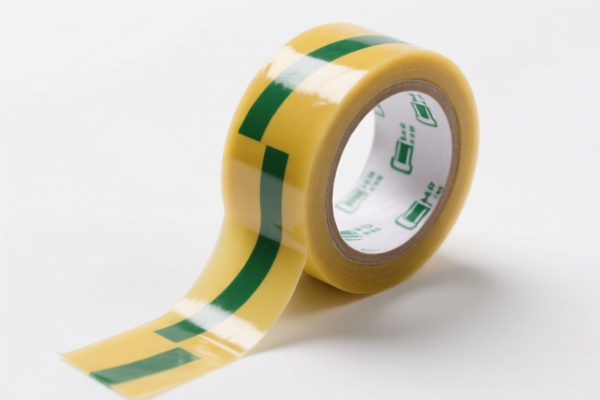
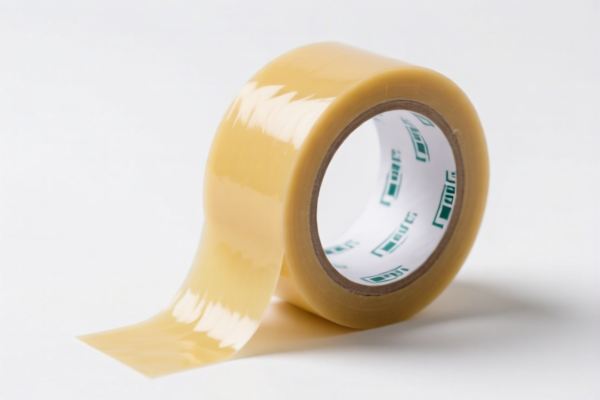
AI Analysis
🛡️ Wear-Resistant Insulating Tape (Electrical Adhesive Tape)
🌐 HS Code Reference & Customs Clearance Guide | 2026 Latest Tariff Analysis | Professional Clearance Strategy
📌 I. Product Definition & Classification: Do You Really Know "Insulating Tape"?
Wear-resistant insulating tape is a critical component in electrical engineering, automotive wiring, and industrial manufacturing. It provides electrical insulation, mechanical protection, and abrasion resistance. In international trade, its classification depends strictly on its material structure and intended end-use, not just its general name.
1. Electrical Adhesive Tape (Self-Adhesive Plastic Tapes):
Tapes specifically designed for electrical insulation, typically made of PVC or plastic polymers, with a pressure-sensitive adhesive backing. These are primarily classified under Heading 3919 (Plastics and articles thereof, self-adhesive plates, sheets, film, foil, tape, strip and other flat shapes, whether or not in rolls).
2. General Plastic Articles (Miscellaneous):
If the tape is made of plastic/polymer but does not fit the specific description of electrical adhesive tape (e.g., it's a general-purpose sealing tape, gasket material, or unclassified plastic strip), it falls under 3926 (Other articles of plastics and articles of other materials of headings 3901 to 3914).
⚠️ Key Distinction:
- If the primary function is electrical insulation and it is a self-adhesive plastic roll/tape → Likely 3919.
- If it is a general plastic sealing tape, gasket, or not primarily for electrical insulation → Likely 3926.
- Crucial Note: The "Wear-Resistant" feature is a marketing term; Customs classifies based on composition and use, not durability.
📦 II. HS Code Classification Details (2026 Latest Tariff Authority Comparison)
Based on the provided data, here are the four possible HS Code classifications for "Wear-Resistant Insulating Tape," each with different tax implications.
| HS Code | Product Description | Applicable Scenario | Estimated Total Tax Rate (US Import from CN) |
|---|---|---|---|
3919.90.50.30 |
Insulating tape, matching electrical insulation use, material inferred as plastic self-adhesive tape. | General electrical insulation tape, PVC-based, self-adhesive. | 40.8% |
3919.10.20.20 |
Insulating tape, matching electrical use, material is plastic self-adhesive tape. | Standard electrical adhesive tape, specifically listed under self-adhesive plastic tapes. | 40.8% |
3926.90.99.89 |
Insulating tape, material is plastic/polymer, classified as unclassified other plastic products. | General plastic tape, not specifically for electrical use or not fitting 3919 criteria. | 22.8% |
3926.90.45.90 |
Insulating tape, material is plastic/polymer, classified as washers, gaskets, and other seals. | Tape used as a sealing gasket or washer material, rather than electrical insulation. | 38.5% |
3919.10.20.20 |
Automotive insulating tape, use belongs to electrical tape, material is plastic (PVC etc.). | Insulating tape specifically marketed for automotive wiring harnesses. | 40.8% |
🔍 Critical Observation:
- High Tax Brackets (40.8%): Codes3919.90.50.30,3919.10.20.20(both variants). These are classified as self-adhesive plastic tapes for electrical use.
- Low Tax Bracket (22.8%): Code3926.90.99.89. This is a "catch-all" for unclassified plastic articles.
- Medium Tax Bracket (38.5%): Code3926.90.45.90. Classified specifically as gaskets/seals.
💰 III. 2026 Latest Tariff Rate Details (Including Surcharges & Policy Add-ons)
✅ Applicable Country: United States (US)
✅ Origin: China (CN)
✅ Effective Time: Ongoing (Section 301 & IEEPA)
🎯 1. High-Tax Category: 3919.90.50.30 & 3919.10.20.20
Classification: Self-Adhesive Plastic Tapes (Electrical Use)
| Item | Detail |
|---|---|
| Base Tariff Rate | 5.8% (Ad Valorem) |
| Section 301 Surcharge | +25.0% |
| Section 122 IEEPA Surcharge | +10.0% |
| Total Tax Rate | 40.8% |
| Tax Calculation | CIF Value × 40.8% |
| De Minimis Exemption | ❌ Not Eligible (Denied due to high combined rate and origin) |
| Legal Basis Path | USITC:3919.90.50.30 / 3919.10.20.20 → USITC Footnote:301 (25%) → IEEPA:9903.01.25 (10%) |
📌 Explanation:
- The 5.8% is the standard Most Favored Nation (MFN) rate for self-adhesive plastic tapes.
- The 25% is the Section 301 tariff on Chinese plastic articles.
- The 10% is the IEEPA (Executive Order 14032) surcharge on specific Chinese goods.
- Total: 40.8%. This is a very high duty, significantly impacting profit margins.
🎯 2. Medium-Tax Category: 3926.90.45.90
Classification: Other Plastic Articles, specifically Washers, Gaskets, Seals
| Item | Detail |
|---|---|
| Base Tariff Rate | 3.5% (Ad Valorem) |
| Section 301 Surcharge | +25.0% |
| Section 122 IEEPA Surcharge | +10.0% |
| Total Tax Rate | 38.5% |
| Tax Calculation | CIF Value × 38.5% |
| De Minimis Exemption | ❌ Not Eligible |
| Legal Basis Path | USITC:3926.90.45.90 → USITC Footnote:301 (25%) → IEEPA:9903.01.25 (10%) |
📌 Explanation:
- If Customs classifies your "insulating tape" as a gasket or seal (e.g., used for sealing gaps rather than electrical insulation), the base rate drops to 3.5%.
- However, the 25% + 10% surcharges still apply, resulting in 38.5%.
🎯 3. Low-Tax Category: 3926.90.99.89
Classification: Other Plastic Articles, Not Elsewhere Specified
| Item | Detail |
|---|---|
| Base Tariff Rate | 5.3% (Ad Valorem) |
| Section 301 Surcharge | +7.5% |
| Section 122 IEEPA Surcharge | +10.0% |
| Total Tax Rate | 22.8% |
| Tax Calculation | CIF Value × 22.8% |
| De Minimis Exemption | ❌ Not Eligible |
| Legal Basis Path | USITC:3926.90.99.89 → USITC Footnote:301 (Note: 7.5% surcharge may apply to certain 3926 subheads) → IEEPA:9903.01.25 (10%) |
📌 Explanation:
- This is the most favorable classification if the tape is deemed a "miscellaneous plastic article" rather than a dedicated electrical tape or gasket.
- The Section 301 surcharge is lower (7.5% vs 25%) for this specific subheading.
- Total: 22.8%. This offers a savings of ~18% compared to the 3919 classification.
🛠️ IV. Customs Clearance Practical Advice (Battle-Tested Pitfall Avoidance)
✅ 1. Documentation Checklist (All Are Mandatory)
| Document | Required | Explanation |
|---|---|---|
| ✅ Product Specification Sheet | ✔️ | Must detail: Material (PVC, PET, etc.), Thickness, Adhesive Type, Electrical Resistance (Volts/Insulation Class), Abrasion Resistance (Wear Rating). |
| ✅ Photos (Clear & Labeled) | ✔️ | Show the roll, label, core, and a cross-section if possible. Label must show "Insulating Tape" or "Electrical Tape". |
| ✅ Commercial Invoice | ✔️ | Must clearly state: "Wear-Resistant Insulating Tape, Plastic Material, For Electrical Insulation." Avoid vague terms like "Plastic Tape". |
| ✅ Packing List | ✔️ | Detail net/gross weight, number of rolls, dimensions. |
| ✅ Certificate of Origin (CO) | ✔️ | Essential for proving Chinese origin (triggers tariffs). |
| ✅ Test Reports | ✔️ | UL Certification, CE, or internal test reports for electrical insulation and wear resistance. |
✅ 2. Declaration Strategy (Key Mnemonic)
🔥 "Material First, Use Second, Name Precise, Tax Can Be Cleared!"
| Scenario | Recommended Declaration | Avoid |
|---|---|---|
| Standard Electrical Tape | "Self-Adhesive Plastic Tape for Electrical Insulation" → 3919.10.20.20 or 3919.90.50.30 |
"Plastic Tape" (Too vague) |
| Automotive Insulation Tape | "Automotive Wiring Harness Insulating Tape, PVC" → 3919.10.20.20 |
"Auto Part" (Incorrect) |
| General Purpose Plastic Tape | "Other Plastic Self-Adhesive Tape, For Sealing" → 3926.90.99.89 |
"Insulating Tape" (If not electrical) |
| Tape Used as Gasket Material | "Plastic Gasket Tape, Wear Resistant" → 3926.90.45.90 |
"Electrical Tape" (Misleading) |
✅ 3. Special Circumstances Handling
| Situation | Handling Advice |
|---|---|
| OEM Custom Tape | Provide customer order + design specs. If the tape is custom-printed for a specific client, declare as such. |
| Mixed Shipments | If a container contains both 3919 (electrical) and 3926 (general plastic) tapes, declare separately. Do not mix, as it may lead to incorrect classification of the entire shipment. |
| Dispute on Classification | If Customs questions why it's 3926 instead of 3919, provide technical data showing the adhesive is not pressure-sensitive in the same way, or the primary use is mechanical sealing, not electrical insulation. |
| Origin Marking | Ensure each roll/package is marked "Made in China". Mislabeling can lead to severe penalties. |
🌍 V. Global Market Customs Comparison (2026 Latest)
| Country/Region | Recommended HS Code | Tariff Rate (from CN) | Certification Requirements | Notes |
|---|---|---|---|---|
| 🇺🇸 USA | 3919.10.20.20 / 3926.90.99.89 |
22.8% - 40.8% | UL, FCC (if applicable) | High tariffs due to 301/IEEPA. |
| 🇨🇳 China | 3919.10.20.20 |
~3.5% | CCC (if applicable) | Low import duty. |
| 🇪🇺 EU | 3919.10.90 |
0% - 6.5% | CE, RoHS | No Section 301 equivalent. |
| 🇬🇧 UK | 3919.10.90 |
0% - 6.5% | UKCA, RoHS | Post-Brexit rules apply. |
| 🇦🇺 Australia | 3919.10.00 |
5% | RCM | No special surcharges. |
📌 Conclusion:
- The US is the most expensive market due to叠加 (stacked) tariffs.
- EU/UK/AU are significantly cheaper, with standard MFN rates.
- Strategy for US Market: If possible, argue for3926.90.99.89(22.8%) instead of3919(40.8%) by emphasizing the material and non-electrical specific use if applicable. However, this carries a risk of Customs audit.
📌 VI. Common Errors & Pitfalls Guide (Blood-Teaching Lessons)
❌ Error 1: Declaring "Insulating Tape" as "Plastic Sheet" (3920.xx)
👉 Consequence: Incorrect classification. If it's in rolls and self-adhesive, it must be 3919 or 3926. Wrong declaration leads to back taxes + penalties.
❌ Error 2: Omitting "Electrical" or "Insulating" from the description
👉 Consequence: Customs may classify it as a generic plastic tape, potentially triggering a different tariff code or requiring additional safety certifications (e.g., flame retardancy).
❌ Error 3: Not declaring Chinese origin clearly
👉 Consequence: If origin is not proven, you might avoid 301 tariffs, but if discovered, it’s considered fraud. Always declare origin.
❌ Error 4: Using "Wear-Resistant" as the primary descriptor
👉 Consequence: Customs doesn't classify by durability. Use Material + Use (e.g., "PVC Electrical Insulating Tape").
✅ Correct Practice:
"Self-Adhesive PVC Insulating Tape, Wear-Resistant, For Electrical Wiring, Model XYZ, Made in China"
🎯 VII. Conclusion: Professional Declaration, Save Time & Money!
🎯 Remember the Mnemonic:
🔹 "Electrical Tape = 3919 (High Tax)"
🔹 "General Plastic Tape = 3926 (Lower Tax)"
🔹 "Gasket Tape = 3926.45 (Medium Tax)"
🔹 "Name it right, Tax it light!"
📌 Tips:
- If your tape is not primarily for electrical insulation, try to classify under 3926.90.99.89 to save 18% in duties.
- Apply for a Binding Ruling with US Customs (CBP) before large shipments if the classification is ambiguous.
- Keep all test reports (electrical, wear, adhesive) ready for Customs inspection.
📣 Take Action Now:
📞 Contact a licensed customs broker.
📄 Provide product specs + photos.
🚀 Clear customs smoothly, reduce costs, and boost profits!
✨ Professional clearance starts with accurate classification!
💼 Every cent saved is pure profit!
Customer Reviews
About HS Code Classification
The Harmonized System (HS) is an internationally standardized nomenclature developed by the World Customs Organization (WCO) to classify traded products. Over 200 countries use the HS system as the basis for customs tariffs, trade statistics, and import/export regulations.
Each HS code follows a hierarchical structure:
- Chapter (2 digits) — Broad category of goods (e.g., Chapter 84: Machinery and Mechanical Appliances)
- Heading (4 digits) — More specific grouping within the chapter
- Subheading (6 digits) — Internationally standardized breakdown, used by all WCO member countries
- National subdivisions (8-10 digits) — Country-specific extensions for further classification, such as US HTSUS 10-digit codes
Correct HS code classification is essential for smooth customs clearance, accurate duty payment, and compliance with trade regulations. Misclassification can lead to customs delays, overpayment of duties, or penalties.
When importing from CN to US, the applicable tariff rates may include:
- Most-Favored-Nation (MFN) rate — The standard duty rate applied to WTO members
- General rate — Applied to countries without trade agreements
- Trade remedy duties — Additional tariffs such as Section 301 (anti-dumping), Section 232 (national security), or countervailing duties
The information provided on this page is for reference purposes only. For official classification, please consult with your local customs authority or a licensed customs broker.