Wear resistant Polyamide Raw Material
CN → US| HS Code | Tariff Rate | Origin | Destination | Doc |
|---|---|---|---|---|
| 3908100000 | 41.3% | CN | US | Official Doc |
| 3908907000 | 41.5% | CN | US | Official Doc |
| 3902300000 | 41.5% | CN | US | Official Doc |
| 3902100000 | 41.5% | CN | US | Official Doc |
| 3908100000 | 41.3% | CN | US | Official Doc |
Product Images
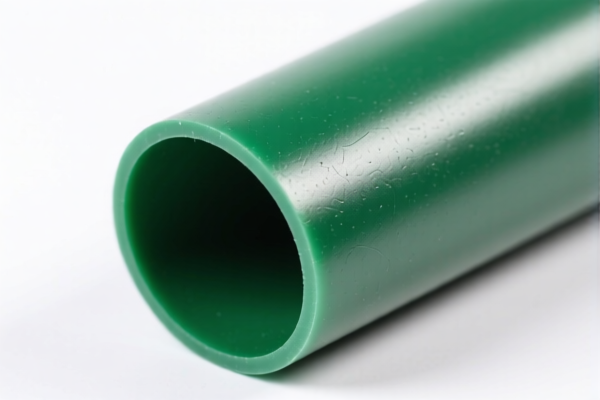
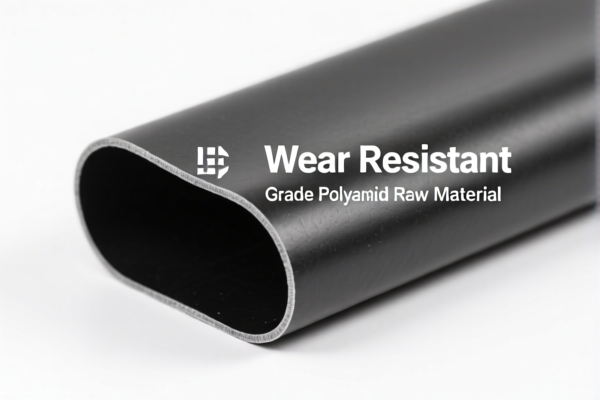
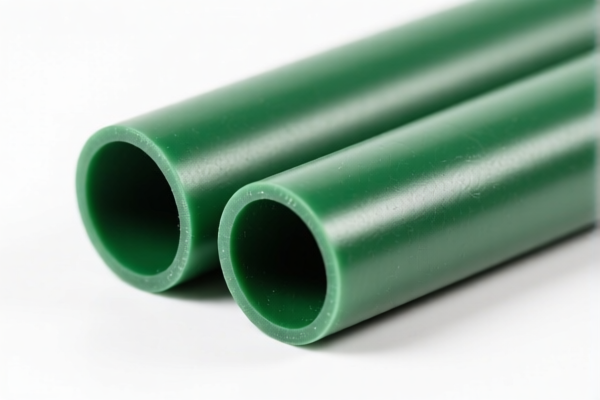
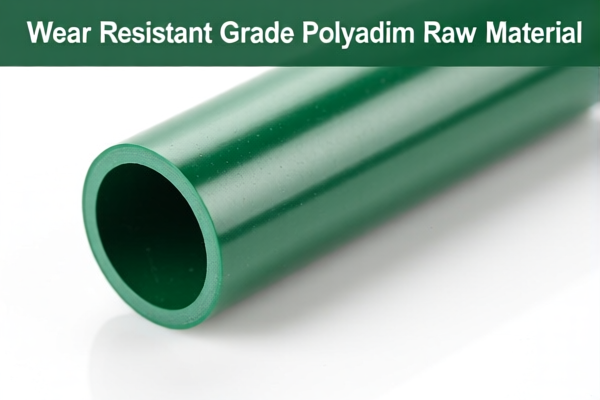
AI Analysis
🛡️ Wear Resistant Polyamide Raw Material (PA / Nylon)
🌐 HS Code Reference & Customs Clearance Guide | 2026 Latest Tariff Analysis | Professional Grade Entry Strategy
📌 I. Product Definition & Classification: What Exactly is "Wear Resistant Polyamide"?
Polyamide, commonly known as Nylon, is a versatile synthetic polymer renowned for its high strength, flexibility, and exceptional resistance to abrasion. In international trade, "Raw Material" implies the material is in a preliminary form, not yet processed into final articles like gears, bearings, or clothing.
The classification depends heavily on the form (pellets, powder, chips) and composition (pure vs. modified/additivized).
Two Primary Categories: 1. Virgin Polyamide Resin (Unmodified): Pure PA6, PA66, PA11, etc., in granular or powder form. → HS 3908 2. Modified/Compounded Polyamide: Polyamide mixed with glass fibers, carbon fibers, lubricants, or other polymers to enhance wear resistance. → HS 3909 (often requires careful justification)
⚠️ Critical Distinction:
- If the material is pure (only polyamide monomers/polymer + basic stabilizers) → HS 3908
- If the material contains reinforcing fillers (e.g., >20% Glass Fiber) or complex additives explicitly for "wear resistance" beyond standard stabilization → HS 3909 (Other primary forms of polyamides)
- Do not classify finished nylon parts (e.g., nuts, screws, conveyor belts) here; those go under Chapter 39 (Articles) or Chapter 84/85.
📦 II. HS Code Classification Details (2026 Latest Tariff Authority Comparison)
| HS Code | Product Description | Applicable Scenario | Modified/Compounded? |
|---|---|---|---|
3908.10.00.00 |
Polyamides-6, -10, -11, -12, their salts, and other polyamides-6, -10, -11, -12 in primary forms | Pure PA6/PA11/PA12 pellets/powder | ❌ No (Virgin) |
3908.90.00.00 |
Other polyamides in primary forms | Pure PA66, PA46, PA4T, etc. | ❌ No (Virgin) |
3909.50.00.00 |
Polyamides in primary forms (Specifically those modified/composite) | PA6+GF (Glass Fiber), PA66+MoS2 (Molybdenum Disulfide for wear) | ✅ Yes (Modified) |
3916.20.00.00 |
Monofilament, rod, stick, and profile shapes, of polymers of subheading 3908 | Pre-formed rods/tubes for machining | ⚠️ Semi-finished |
3926.90.00.00 |
Other articles of plastics (e.g., if pre-molded into simple shapes) | If classified as articles rather than raw materials | ❌ Avoid if possible |
🔍 Key Reminder:
- "Raw Material" = Primary Forms: Pellets, granules, powders, flakes.
- Wear Resistance Additives: If the wear resistance comes from standard lubricants (e.g., PTFE micro-dose) without significant fiber reinforcement, it may still qualify under 3908. However, if it contains >10-20% reinforcing fillers, 3909 is safer.
- Pre-molded shapes (rods/tubes): Often misclassified. If sold as raw material for machining, 3908 is preferred if sold in bulk. If sold as finished stock shapes, 3916.
💰 III. 2026 Latest Tariff Rate Detailed Breakdown (Including Surtaxes & Policy Add-ons)
✅ Applicable Country: United States (US)
✅ Country of Origin: China (CN)
✅ Effective Time: Post-November 10, 2025 (Subject to USITC Footnotes)
🎯 1. 3908.10.00.00 / 3908.90.00.00 —— Virgin Polyamide Resin (Unmodified)
| Item | Content |
|---|---|
| Base Rate | 0% (ad valorem) |
| USITC Additional Duty | +25% (Under USITC Footnote 9903.88.01 for Section 301 goods) |
| IEEPA Additional Duty | +10% (Targeting China/HK products under IEEPA 9903.01.24) |
| Total Effective Rate | 35% |
| Tax Calculation | CIF Value × 35% |
| De Minimis Exemption | ❌ Not Eligible (deny_de_minimis) |
| Legal Basis Path | IEEPA:9903.01.25 → IEEPA:9903.01.24 → USITC:3908.xxxx.xxxx → FOOTNOTE:9903.88.01 |
📌 Explanation:
- Virgin polyamides are considered industrial intermediates but are still subject to Section 301 tariffs.
- Total 35% is significant for bulk chemical imports. Must be factored into FOB pricing.
🎯 2. 3909.50.00.00 —— Modified/Compounded Polyamide (e.g., PA+GF)
| Item | Content |
|---|---|
| Base Rate | 0% |
| USITC Additional Duty | +25% |
| IEEPA Additional Duty | +10% |
| Total Effective Rate | 35% |
| Tax Calculation | CIF × 35% |
| De Minimis Exemption | ❌ Not Eligible |
| Legal Basis Path | Same as above |
📌 Note:
- Modified engineering plastics face the same tariff structure as virgin plastics under current US policy.
- Ensure the Technical Data Sheet (TDS) clearly states the composition to avoid reclassification disputes.
🛠️ IV. Customs Clearance Practical Advice (Real-World Pitfall Avoidance)
✅ 1. Required Documentation Checklist (Non-negotiable)
| Document | Must Provide | Description |
|---|---|---|
| ✅ Technical Data Sheet (TDS) | ✔️ | Must specify polymer type (PA6, PA66), molecular weight, and filler content %. |
| ✅ Safety Data Sheet (SDS) | ✔️ | Required for chemical safety; Class 9 (Miscellaneous Dangerous Goods) if applicable. |
| ✅ Commercial Invoice | ✔️ | Clearly state "Polyamide Resin, Unmodified" or "Compounded Polyamide, PA6+30% GF". |
| ✅ Certificate of Origin (CO) | ✔️ | Crucial for proving non-US origin to apply (or challenge) surtaxes. |
| ✅ Packaging List | ✔️ | Specify net/gross weight, package type (e.g., 25kg bags). |
| ✅ Import License (if applicable) | ✔️ | Some specialized polymers may require EPA or DOT approval if used in auto parts. |
✅ 2. Declaration Strategy (Key Mnemonics)
🔥 "Pure = 3908, Modified = 3909, Fillers = Disclose, De Minimis = Denied!"
| Scenario | Correct Declaration | Wrong Practice |
|---|---|---|
| Pure PA6 Pellets | 3908.10.00.00 |
Declare as "Plastic Parts" → Higher duty, compliance risk |
| PA66 + 30% Glass Fiber | 3909.50.00.00 |
Declare as 3908.10 → Classified as false, penalties |
| Pre-cut Nylon Rods | 3916.20.00.00 |
Declare as raw material → Misclassification |
| Small Sample (<$800) | Still 35% + Inspection | Assume De Minimis exemption → Seizure Risk! |
📌 Critical Warning:
- The de minimis exemption ($800) does NOT apply to goods from China under Section 301/IEEPA. Even small samples are subject to full tariff and strict inspection.
✅ 3. Special Handling for "Wear Resistant" Claims
| Situation | Handling Advice |
|---|---|
| Added Lubricants (PTFE, etc.) | If <10% additive, keep as Virgin (3908) if possible; otherwise, Compounded (3909). Provide TDS. |
| Carbon Fiber Reinforced | Strongly recommend 3909. Carbon fiber is a high-value filler; customs will scrutinize. |
| Bio-based Polyamide (PA11/PA12 from Castor Oil) | Still falls under 3908. No green tariff advantage in US currently. |
| Recycled Polyamide | If re-pelletized from waste, may qualify under 3902.30.00.00 (Polyolefins? No, PA is different). Actually, recycled PA is still 3908/3909. Check if "Recycled" status offers any preferential treatment (rarely). |
🌍 V. Global Market Comparison (2026 Latest)
| Country/Region | Recommended HS Code | Tariff Rate (China Origin) | Certification Requirements | Remarks |
|---|---|---|---|---|
| 🇺🇸 USA | 3908.10.00.00 / 3909.50.00.00 |
35% (25% Sec 301 + 10% IEEPA) | EPA TSCA, CPSIA (if food contact) | High tariff burden; verify origin carefully. |
| 🇨🇳 China | 3908.10.00.00 |
5% | CCC (only if finished goods) | Low duty for raw material import. |
| 🇪🇺 EU | 3908.10 / 3909.50 |
0% (Most FTA partners) or 4.4% (MFN) | REACH, RoHS, WEEE | No surtaxes. REACH registration is key. |
| 🇬🇧 UK | 3908.10 / 3909.50 |
4.4% (MFN) | UKCA, REUK | Post-Brexit rules apply. |
| 🇯🇵 Japan | 3908.10 / 3909.50 |
6.0% | PSE (if electronic components) | JIS standards often requested. |
| 🇦🇺 Australia | 3908.10 / 3909.50 |
5% | RCM (if electrical) | No surtaxes. |
📌 Conclusion:
- USA is the most expensive market for Chinese-sourced Polyamide due to the 35% effective rate.
- EU and Japan offer competitive rates (0-6%), but require strict chemical compliance (REACH/JIS).
- Supply Chain Strategy: Consider sourcing Virgin PA from non-US-tariffed countries (e.g., Malaysia, Vietnam) if re-exporting to US, though "Substantial Transformation" rules apply.
📌 VI. Common Errors & Pitfall Guide (Lessons Learned)
❌ Error 1: Declaring "Nylon 6,6" as "Polymer Parts"
👉 Consequence: Wrong HS Code (e.g., 3926), higher duty (up to 5-7% base + surtax), and compliance audits.
❌ Error 2: Ignoring "Modified" status
👉 Consequence: Declaring Compounded PA (with Glass Fiber) as Virgin PA (3908) → Customs reclassifies to 3909, applies penalties, and demands back taxes.
❌ Error 3: Assuming De Minimis ($800) applies
👉 Consequence: Seizure of goods. Chinese-origin polyamides are explicitly excluded from de minimis entry.
❌ Error 4: Missing SDS/REACH Documentation
👉 Consequence: Cargo held at port. EPA/Customs will block entry without proper chemical safety data.
✅ Correct Practice:
"Polyamide 6, Virgin, Unmodified, Pellet Form, PA6 Resin for Injection Molding, MSDS Provided, REACH Compliant"
🎯 VII. Conclusion: Precision in Classification Saves Money
🎯 Remember the Mantra:
🔹 "Pure = 3908, Modified = 3909, Fillers = Declare, De Minimis = NO!"
🔹 "Tariff = 35%, Compliance = Key, Documentation = Complete!"
📌 Pro Tip:
If your product is Bio-based PA11 or PA12, ensure you have ISCC PLUS or similar certification if marketing as "Green," but note it does not reduce US tariffs. For EU, REACH registration is mandatory.
📣 Immediate Action:
📞 Contact a licensed US Customs Broker.
📄 Prepare TDS, SDS, and Commercial Invoice.
🚀 Secure your supply chain with accurate classification to avoid 35% shock and delays!
✨ Professional Clearance Starts with Precise Classification!
💼 Every percentage point counts in commodity trading!
Customer Reviews
About HS Code Classification
The Harmonized System (HS) is an internationally standardized nomenclature developed by the World Customs Organization (WCO) to classify traded products. Over 200 countries use the HS system as the basis for customs tariffs, trade statistics, and import/export regulations.
Each HS code follows a hierarchical structure:
- Chapter (2 digits) — Broad category of goods (e.g., Chapter 84: Machinery and Mechanical Appliances)
- Heading (4 digits) — More specific grouping within the chapter
- Subheading (6 digits) — Internationally standardized breakdown, used by all WCO member countries
- National subdivisions (8-10 digits) — Country-specific extensions for further classification, such as US HTSUS 10-digit codes
Correct HS code classification is essential for smooth customs clearance, accurate duty payment, and compliance with trade regulations. Misclassification can lead to customs delays, overpayment of duties, or penalties.
When importing from CN to US, the applicable tariff rates may include:
- Most-Favored-Nation (MFN) rate — The standard duty rate applied to WTO members
- General rate — Applied to countries without trade agreements
- Trade remedy duties — Additional tariffs such as Section 301 (anti-dumping), Section 232 (national security), or countervailing duties
The information provided on this page is for reference purposes only. For official classification, please consult with your local customs authority or a licensed customs broker.