Wear resistant Polyester Bag
CN → US| HS Code | Tariff Rate | Origin | Destination | Doc |
|---|---|---|---|---|
| 6305330080 | 25.9% | CN | US | Official Doc |
| 3923290000 | 38.0% | CN | US | Official Doc |
| 6305390000 | 25.9% | CN | US | Official Doc |
| 4202923131 | 52.6% | CN | US | Official Doc |
| 4202929100 | 52.6% | CN | US | Official Doc |
Product Images
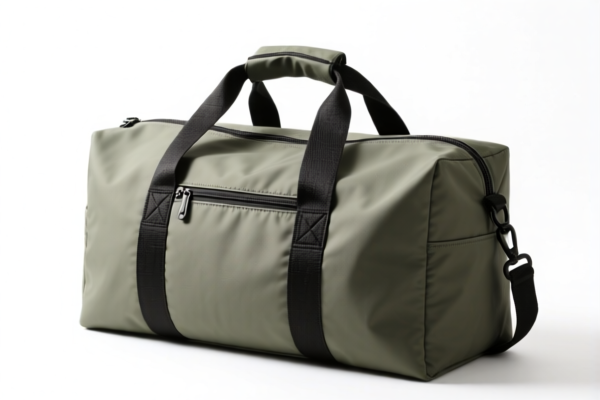
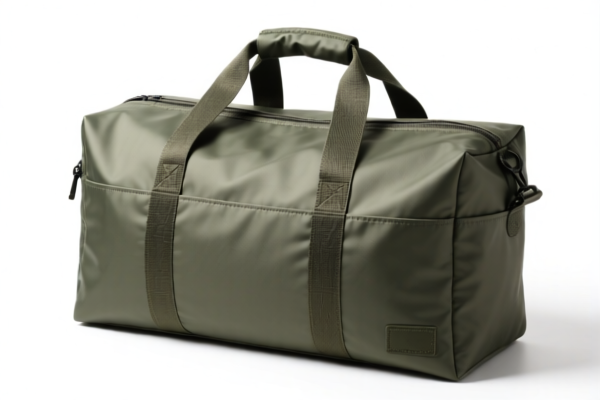
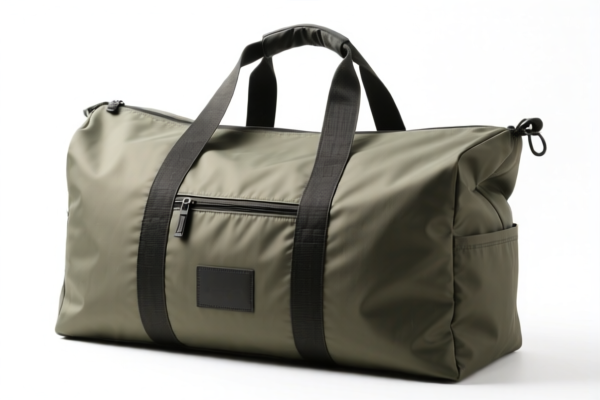
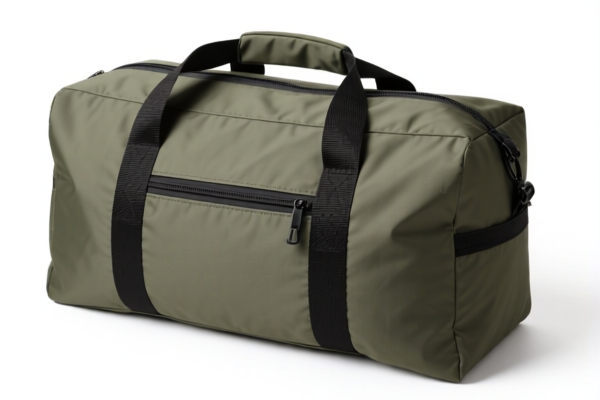
AI Analysis
🎒 Wear Resistant Polyester Bag (Polyester Bags)
🌐 HS Code Reference & Clearance Guide | 2026 Latest Tariff Analysis | Professional Customs Strategy
📌 I. Product Definition & Classification: What exactly is a "Wear Resistant Polyester Bag"?
Polyester bags are ubiquitous in global trade, used for everything from industrial packaging to luxury travel gear. However, "Wear Resistant" is a marketing term, not a HS Code descriptor. Customs authorities classify these items based on material composition (Synthetic vs. Plastic vs. Textile) and function/shape (Packaging vs. Luggage vs. General Article).
Misclassification is the #1 cause of customs delays and penalties. The key distinction lies in whether the bag is: 1. Textile-based (Synthetic Fiber): Made from woven/non-woven polyester fibers (e.g., Tote bags, duffel bags). 2. Plastic-based: Made from polymer sheets/films (e.g., Ziplock bags, shrink wrap). 3. Travel/Gear specific: Designed specifically for luggage or sports equipment.
⚠️ Critical Distinction:
- If it’s a textile bag (woven polyester fabric) used for general packaging → Chapter 63
- If it’s a plastic bag (polymer film) → Chapter 39
- If it’s a luggage/travel bag (polyester fabric) → Chapter 42
📦 II. HS Code Classification Matrix (Based on Provided Data)
| HS Code | Product Description | Material/Nature | Key Differentiator |
|--------|--------------------------|-----------------------|
| 6305.33.00.80 | Polyester Bags for Cargo Packaging | Synthetic Textile (Woven) | Specifically designed for industrial/commercial packaging of goods. |
| 3923.29.00.00 | Polymer (Plastic) Bags | Plastic/Polymer Film | Non-textile. Made from plastic sheets/films (e.g., retail shopping bags, shrink wrap). |
| 6305.39.00.00 | Polyester Bags (Synthetic Fiber) | Synthetic Textile (Woven) | General synthetic fiber bags not specified elsewhere (e.g., generic textile sacks). |
| 4202.92.31.31 | Polyester Bags for Travel/Sports | Synthetic Fiber | Shaped bags for luggage, handbags, travel goods. |
| 4202.92.91.00 | Polyester Bags (General Article) | Synthetic Fiber | Other shaped bags made of synthetic fibers, not for packaging or travel. |
🔍 Key Takeaway:
- Textile vs. Plastic:6305and4202are textiles/fabrics.3923is plastic.
- Function:6305is for packaging.4202is for personal use/luggage.
💰 III. 2026 Tariff Rate Breakdown (Including Surtaxes & Policy Surcharges)
✅ Applicable Country: United States (US)
✅ Origin: China (CN)
✅ Effective Date: 2025 November 10+ (Including subsequent imports)
🎯 1. 6305.33.00.80 — Polyester Bags for Cargo Packaging (Textile)
| Item | Detail |
|---|---|
| Base Tariff | 8.4% |
| Section 301 Surtax | +7.5% |
| 122 Clause Surtax | +10% |
| Total Tax Rate | 25.9% |
| Calculation | CIF Value × 25.9% |
| De Minimis Exemption? | ❌ NO (Deny de minimis) |
| Legal Basis | Base: 6305.33.00.80 → Section 301: 7.5% → 122 Clause: 10% |
📌 Explanation:
- This is the most common code for industrial textile sacks or generic polyester packaging bags.
- Total burden: 25.9%.
- Why so high? The 7.5% is from Section 301 (trade war surtax), and 10% is from Section 122 (national security/emergency surtax).
- No de minimis: These cannot enter via low-value packages (Section 321) duty-free.
🎯 2. 3923.29.00.00 — Polymer (Plastic) Bags
| Item | Detail |
|---|---|
| Base Tariff | 3.0% |
| Section 301 Surtax | +25.0% |
| 122 Clause Surtax | +10% |
| Total Tax Rate | 38.0% |
| Calculation | CIF Value × 38.0% |
| De Minimis Exemption? | ❌ NO (Deny de minimis) |
| Legal Basis | Base: 3923.29.00.00 → Section 301: 25% → 122 Clause: 10% |
📌 Explanation:
- Highest surtax! If your "polyester" bag is actually plastic (e.g., glossy shopping bags, thick plastic sacks), you pay 38%.
- Common Mistake: Importers often misdeclare plastic bags as "textile" to avoid the 25% Section 301 rate. Customs will seize this!
- Warning: If it’s shiny, crinkly, or non-woven fabric-like but synthetic polymer, it’s likely3923.
🎯 3. 6305.39.00.00 — Other Polyester Bags (Synthetic Fiber)
| Item | Detail |
|---|---|
| Base Tariff | 8.4% |
| Section 301 Surtax | +7.5% |
| 122 Clause Surtax | +10% |
| Total Tax Rate | 25.9% |
| Calculation | CIF Value × 25.9% |
| De Minimis Exemption? | ❌ NO |
| Legal Basis | Same as 6305.33.00.80 |
📌 Explanation:
- Use this if the bag is textile-based but doesn’t fit the specific "cargo packaging" definition of6305.33.
- Same rate as #1: 25.9%.
🎯 4. 4202.92.31.31 — Polyester Bags for Travel/Sports
| Item | Detail |
|---|---|
| Base Tariff | 17.6% |
| Section 301 Surtax | +25.0% |
| 122 Clause Surtax | +10% |
| Total Tax Rate | 52.6% |
| Calculation | CIF Value × 52.6% |
| De Minimis Exemption? | ❌ NO |
| Legal Basis | Base: 4202.92.31.31 → Section 301: 25% → 122 Clause: 10% |
📌 Explanation:
- Most Expensive! If your bag is a duffel bag, gym bag, travel tote, or handbag, it falls under Chapter 42.
- Base rate is higher (17.6%) because travel goods are often considered "luxury" or "consumer discretionary" items.
- Total burden: 52.6%.
- Warning: Do not declare a gym bag as a "packaging bag" (6305) to save 26.7%. Customs will reject it.
🎯 5. 4202.92.91.00 — Other Polyester Bags (Shaped Articles)
| Item | Detail |
|---|---|
| Base Tariff | 17.6% |
| Section 301 Surtax | +25.0% |
| 122 Clause Surtax | +10% |
| Total Tax Rate | 52.6% |
| Calculation | CIF Value × 52.6% |
| De Minimis Exemption? | ❌ NO |
| Legal Basis | Same as 4202.92.31.31 |
📌 Explanation:
- For shaped polyester bags that are not for travel/luggage (e.g., decorative tote bags, cosmetic pouches).
- Same high rate: 52.6%.
🛠️ IV. Customs Clearance Practical Advice (Avoiding Pitfalls)
✅ 1. Document Checklist (Mandatory)
| Document | Required? | Notes |
|---|---|---|
| ✅ Product Specification Sheet | ✔️ | Must specify: Material % (e.g., 100% Polyester), Construction (Woven/Non-woven/Plastic film), Usage (Packaging vs. Luggage). |
| ✅ Photos | ✔️ | Show texture, seams, handles, and any labels. |
| ✅ Commercial Invoice | ✔️ | Description must match HS Code. E.g., "Woven Polyester Sack for Industrial Packaging" vs. "Polyester Travel Duffel Bag". |
| ✅ Packing List | ✔️ | Include dimensions and weight. |
| ✅ Origin Certificate | ✔️ | To confirm CN origin for surtax application. |
✅ 2. Declaration Tips (Critical!)
🔥 "Material First, Function Second, Never Guess!"
| Scenario | Correct HS Code | Wrong HS Code | Consequence |
|---|---|---|---|
| Industrial sack (woven fabric) | 6305.33.00.80 (25.9%) |
3923.29.00.00 (38.0%) |
Overpayed 12.1% |
| Plastic grocery bag | 3923.29.00.00 (38.0%) |
6305.33.00.80 (25.9%) |
Underpaid 12.1% → Audit/Fine! |
| Gym Bag / Duffel Bag | 4202.92.31.31 (52.6%) |
6305.33.00.80 (25.9%) |
Underpaid 26.7% → Seizure/Heavy Fine! |
| Cosmetic Pouch (Shaped) | 4202.92.91.00 (52.6%) |
6305.39.00.00 (25.9%) |
Underpaid 26.7% → Seizure! |
📌 Key Rule:
- If the bag is shaped (has handles, zippers, structured form) and used for personal items, it’s Chapter 42.
- If it’s a simple sack for goods, it’s Chapter 63.
- If it’s plastic film, it’s Chapter 39.
✅ 3. Special Cases
| Case | Handling Advice |
|---|---|
| "Polyester" but actually Plastic | Many "polyester" bags are actually PET film. Check if it’s woven/fabric or smooth/film. If film → 3923. |
| Mixed Material | If bag has 60% polyester + 40% cotton, it may fall under different subheadings. Declare exact composition. |
| Customs Audit | If audited, provide lab test reports for material composition. |
| De Minimis (Section 321) | NOT APPLICABLE. All these codes are denied de minimis exemption. Full duty applies. |
🌍 V. Global Market Comparison (2026)
| Market | Recommended HS Code | Tariff (CN Origin) | Notes |
|---|---|---|---|
| 🇺🇸 USA | Varies (see above) | 25.9% - 52.6% | High surtaxes (301 + 122). Strict classification. |
| 🇪🇺 EU | 6305 / 3923 / 4202 | 0% - 12% | No Section 301/122 surtaxes. Lower cost. |
| 🇨🇳 China | 6305 / 3923 / 4202 | 5% - 15% | No US surtaxes. Import-friendly. |
| 🇨🇦 Canada | Varies | 5% - 10% | No Section 301. USMCA may apply if made in NA. |
📌 Strategy:
- If targeting the US market, optimize logistics cost but accept high tariffs.
- If possible, source from non-China origins (e.g., Vietnam, Bangladesh) to avoid Section 301 (7.5% or 25%) and 122 Clause (10%) surtaxes.
📌 VI. Common Mistakes & Pitfalls (Learn from Others!)
❌ Mistake 1: Calling a plastic bag a "polyester bag" to get 25.9% instead of 38%.
👉 Result: Customs inspection reveals plastic material → Fine + Back Taxes.
❌ Mistake 2: Declaring a gym bag as a "packaging sack" (6305) to pay 25.9% instead of 52.6%.
👉 Result: Customs sees handles/zippers → Rejection + Seizure.
❌ Mistake 3: Ignoring the 122 Clause (10%).
👉 Result: Forgetting this surtax leads to underpayment by 10% on every shipment.
✅ Correct Approach:
"Be precise. Woven textile = 6305/4202. Plastic film = 3923. Function dictates Chapter 42 vs 63."
🎯 VII. Conclusion: Precision Saves Money!
🎯 Remember:
🔹 "Textile Packaging = 25.9%"
🔹 "Plastic Bags = 38.0%"
🔹 "Travel/Gear Bags = 52.6%"
🔹 "Wrong Class = Audit + Fines"
📌 Pro Tip:
If your business volume is high, apply for an Advance Ruling from CBP (Customs and Border Protection) to lock in the correct HS Code and avoid future disputes.
📣 Action Item:
📞 Contact a licensed customs broker.
📄 Provide product photos and material specs.
🚀 Get a pre-classification ruling to ensure compliance and cost efficiency.
✨ Professional Customs Clearance Starts with Accurate Classification!
💼 Your Profit Margin Depends on It!
Customer Reviews
About HS Code Classification
The Harmonized System (HS) is an internationally standardized nomenclature developed by the World Customs Organization (WCO) to classify traded products. Over 200 countries use the HS system as the basis for customs tariffs, trade statistics, and import/export regulations.
Each HS code follows a hierarchical structure:
- Chapter (2 digits) — Broad category of goods (e.g., Chapter 84: Machinery and Mechanical Appliances)
- Heading (4 digits) — More specific grouping within the chapter
- Subheading (6 digits) — Internationally standardized breakdown, used by all WCO member countries
- National subdivisions (8-10 digits) — Country-specific extensions for further classification, such as US HTSUS 10-digit codes
Correct HS code classification is essential for smooth customs clearance, accurate duty payment, and compliance with trade regulations. Misclassification can lead to customs delays, overpayment of duties, or penalties.
When importing from CN to US, the applicable tariff rates may include:
- Most-Favored-Nation (MFN) rate — The standard duty rate applied to WTO members
- General rate — Applied to countries without trade agreements
- Trade remedy duties — Additional tariffs such as Section 301 (anti-dumping), Section 232 (national security), or countervailing duties
The information provided on this page is for reference purposes only. For official classification, please consult with your local customs authority or a licensed customs broker.