Weed Puller
CN → US| HS Code | Tariff Rate | Origin | Destination | Doc |
|---|---|---|---|---|
| 8432290060 | 35.0% | CN | US | Official Doc |
| 8467895060 | 17.5% | CN | US | Official Doc |
| 8432290080 | 35.0% | CN | US | Official Doc |
| 8201906000 | 35.0% | CN | US | Official Doc |
| 8201300080 | 35.0% | CN | US | Official Doc |
Product Images
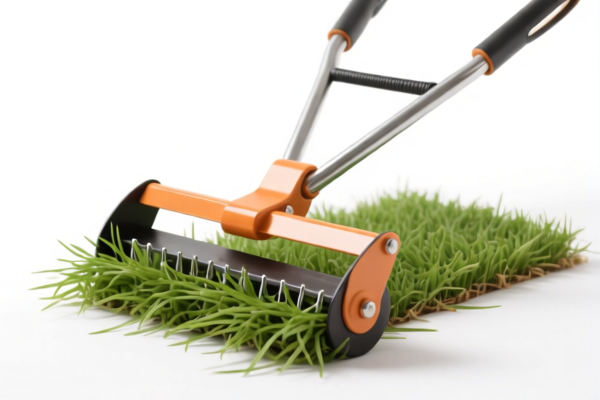
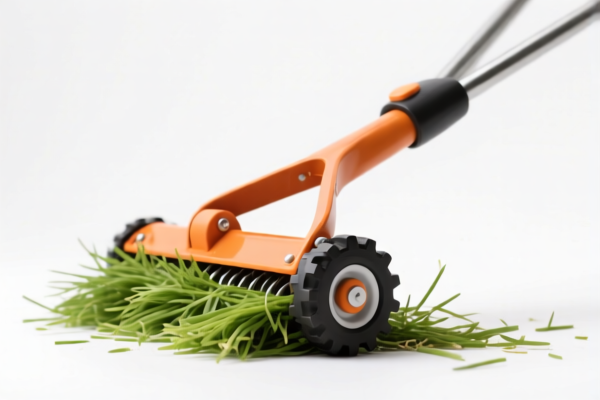
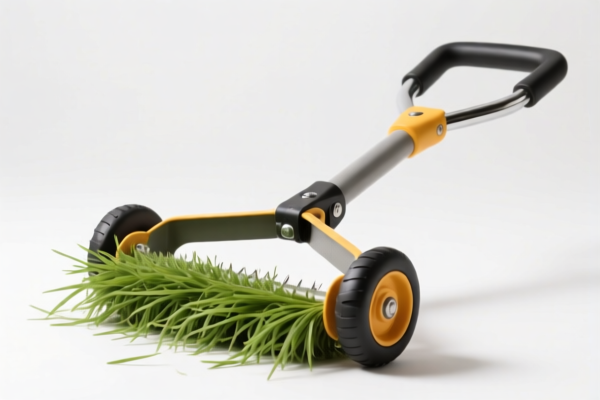
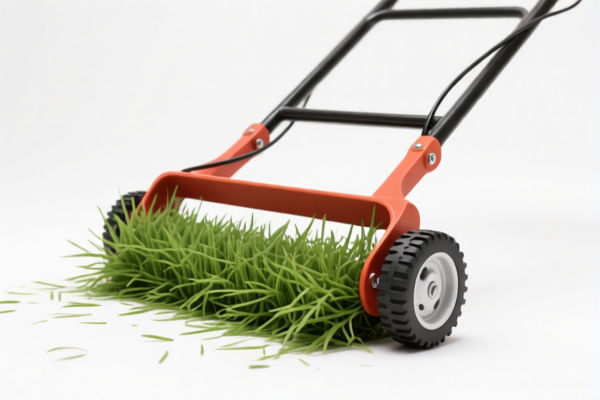
AI Analysis
🌿 Weed Puller (Weeders, Hoes, and Rakes)
🌐 HS Code Reference & Customs Clearance Guide | 2026 Latest Tariff Analysis | Professional Entry Strategies
📌 I. Product Definition & Classification: What is a "Weed Puller"?
A "Weed Puller" is a generic term often used in trade for tools designed to remove weeds. In international trade (specifically under US Customs regulations), these tools are strictly categorized based on their mechanical nature, power source, and specific design.
They generally fall into two main buckets: 1. Hand Tools (Manual): Traditional hoes, rakes, and cultivators made of metal/wood/plastic, operated by human force. 2. Machine Attachments/Parts: Devices attached to tractors, walk-behind tillers, or walk-behind weeders (e.g., rotary weeders, specific weeder blades).
⚠️ Key Distinction Point:
- If it is a standalone machine or part of a machine (motorized or tractor-mounted) → It likely falls under Chapter 84 (Machinery).
- If it is a simple hand tool (handled by a person) → It likely falls under Chapter 82 (Tools).
📦 II. HS Code Classification Details (2026 Latest Tariff Authority Match)
Below are the specific HS Codes mapped to your product description "Weed Puller," based on the provided data. Each code represents a different functional definition.
| HS Code | Product Summary (Matched Definition) | Category Type |
|---|---|---|
8432.29.00.80 |
Weeder, matched use, corresponds to Weeder category | Machine/Attachment |
8432.29.00.60 |
Weeder, matched use, conforms to definition of Cultivator, Weeder, and Hoe | Machine/Attachment |
8467.89.50.60 |
Weeder or weeding tool, matched use, specifically designed for agricultural or horticultural use | Handheld Power Tool |
8201.90.60.00 |
Weeding tool, matched use, hand tool for agricultural, horticultural, or forestry use | Manual Hand Tool |
8201.30.00.80 |
Weeding tool, matched use, falls under Hoe, Rake, Pick category (Other) | Manual Hand Tool |
🔍 Critical Analysis:
- Codes8432.29...: These refer to machinery parts or machines themselves (e.g., a rotary weeder attached to a tractor).
- Code8467.89...: This typically refers to powered hand tools (e.g., battery-operated weed whackers or electric weeders).
- Codes8201...: These refer to traditional manual hand tools (e.g., a standard hand hoe, rake, or mattock).
You must match the physical product to the correct definition above to avoid misclassification.
💰 III. 2026 Latest Tariff Rate Breakdown (Including Surcharges)
✅ Applicable Country: United States (US)
✅ Origin: China (CN) (Based on "122条款" and typical trade context)
✅ Effective Date: Current Trade War Tariffs Apply
All listed HS Codes above are subject to significant additional tariffs due to US-China trade tensions (Section 301 and Section 122).
🎯 1. Codes 8432.29.00.80 & 8432.29.00.60 (Machinery/Attachments)
| Item | Content |
|---|---|
| Base Rate | 0.0% (ad valorem) |
| USITC Additional Tariff | +25.0% (Section 301) |
| Section 122 Tariff | +10.0% |
| Total Rate | 35.0% |
| Tax Calculation | CIF Value × 35% |
| De Minimis Exemption | ❌ Not Eligible |
| Legal Basis | Standard Section 301 + Section 122 surcharges |
📌 Explanation:
- 35% Total Tax: This is a high-cost category. The 25% is the standard Section 301 tariff on machinery parts. The additional 10% is a specific Section 122 tariff.
- Impact: These rates apply to motorized weeders, tractor-mounted weeding attachments, or cultivator parts.
🎯 2. Code 8467.89.50.60 (Powered Handheld Weeding Tools)
| Item | Content |
|---|---|
| Base Rate | 0.0% (ad valorem) |
| USITC Additional Tariff | +7.5% |
| Section 122 Tariff | +10.0% |
| Total Rate | 17.5% |
| Tax Calculation | CIF Value × 17.5% |
| De Minimis Exemption | ❌ Not Eligible |
| Legal Basis | Lower Section 301 bracket (7.5%) + Section 122 (10%) |
📌 Explanation:
- 17.5% Total Tax: This is the most favorable rate among the options. It applies to battery-powered or corded electric weeders (power tools under Chapter 84, heading 8467).
- Why lower?: Some powered hand tools are listed in a lower Section 301 tariff bracket (7.5% vs 25%) depending on specific subheading nuances.
🎯 3. Codes 8201.90.60.00 & 8201.30.00.80 (Manual Hand Tools)
| Item | Content |
|---|---|
| Base Rate | 0.0% (ad valorem) |
| USITC Additional Tariff | +25.0% (Section 301) |
| Section 122 Tariff | +10.0% |
| Total Rate | 35.0% |
| Tax Calculation | CIF Value × 35% |
| De Minimis Exemption | ❌ Not Eligible |
| Legal Basis | Standard Section 301 + Section 122 surcharges |
📌 Explanation:
- 35% Total Tax: Traditional manual hoes, rakes, and hand cultivators (Chapter 82) are often grouped with machinery in certain Section 301 lists or attract the same high tariff rate.
- Note: Even though they are simple tools, they are not exempt from the 25% + 10% surcharge if originating from China.
🛠️ IV. Customs Clearance Practical Advice (Actionable Pitfall Prevention)
✅ 1. Required Documentation Checklist
| Document | Mandatory? | Description |
|---|---|---|
| ✅ Product Specifications | ✔️ | Must clearly state: Power Source (Manual, Battery, Gas, Electric), Material (Steel, Plastic, Wood), and Intended Use (Garden, Farm, Forestry). |
| ✅ Product Photos | ✔️ | Clear images showing: Handles, working heads (blades/tines), and any motors/batteries. |
| ✅ Commercial Invoice | ✔️ | Must use precise HS Code descriptions. Avoid vague terms like "Garden Stuff." Use "Weeder, Handheld, Electric" or "Hoe, Manual." |
| ✅ Origin Certificate | ✔️ | If applicable, to prove origin. Note: Origin from China triggers the 35% or 17.5% tax. |
| ✅ FCC/UL Certifications | ✔️ | Critical for Code 8467...: If it is a powered tool (battery/electric), FCC (USA) and UL safety certifications are mandatory for entry. |
✅ 2. Declaration Strategy (Key Mnemonic)
🔥 "Power Dictates Code, Material Dictates HS, Section 301 Hits All!"
| Scenario | Correct Classification | Risk of Misclassification |
|---|---|---|
| Battery Weed Whacker | 8467.89.50.60 (17.5%) |
❌ Don't declare as Manual Hoe (8201) → Penalty for misdeclaration. |
| Tractor Mounted Weeder | 8432.29.00.80 (35%) |
❌ Don't declare as Hand Tool → High risk of seizure. |
| Manual Steel Hoe | 8201.90.60.00 or 8201.30.00.80 (35%) |
❌ Don't declare as Machinery → Incorrect chapter. |
| Plastic Hand Weeder | 8201.90.60.00 (35%) |
✅ Ensure "Hand Tool" is prominent in description. |
✅ 3. Special Handling Tips
| Situation | Recommendation |
|---|---|
| Mixed Shipment | If shipping both manual hoes (8201) and electric weeders (8467), separate them in the manifest. Electric tools require FCC certs; manual tools do not. Mixing them causes delays. |
| Kit Sales | If selling a "Weeding Kit" (Handle + Blades), declare based on the essential character. If the blade is the core value, it may still be 8201. |
| Section 122 Awareness | All listed codes include a 10% Section 122 tariff. This is non-negotiable for Chinese-origin goods in these categories. Factor this into your landed cost. |
🌍 V. Global Market Comparison (2026 Latest)
| Country/Region | Recommended HS Code | Tariff (China Origin) | Certification | Notes |
|---|---|---|---|---|
| 🇺🇸 USA | 8467.89.50.60 (Lowest) |
17.5% (Best) | FCC, UL | Manual tools (8201) are 35%. |
| 🇪🇺 EU | 8201.30 / 8467 |
0-4.5% (Free/low) | CE, RoHS | No Section 301 tariffs. Much cheaper. |
| 🇬🇧 UK | 8201.30 / 8467 |
0-4.5% | UKCA | Post-Brexit tariffs still low for tools. |
| 🇨🇦 Canada | 8201.30 / 8467 |
0-5% | IC/UL | No Section 301. CUSMA benefits may apply. |
📌 Strategic Insight:
- The USA market is the most expensive due to Section 301 (25%) + Section 122 (10%).
- EU/UK/Canada offer significantly lower tariffs (often <5%).
- If possible, consider supply chain diversification (e.g., assemble in Vietnam or Thailand) to avoid Section 301 tariffs for the US market. Note: Check US rules of origin carefully.
📌 VI. Common Errors & Pitfalls (Blood & Tears Lessons)
❌ Error 1: Declaring an Electric Weed Eater as a "Manual Hoe"
👉 Consequence: Customs will flag it for lacking manual tool characteristics. They may reclassify it to 8467 (17.5%) anyway, but delay the shipment for inspection. Worse, if they suspect fraud, they impose penalties.
❌ Error 2: Missing FCC Certification for Powered Tools (8467.89...)
👉 Consequence: Border Rejection. CBP will not release batteries or electric motors without FCC compliance. Return or destroy cargo.
❌ Error 3: Ignoring Section 122
👉 Consequence: Underestimating landed cost by 10%. Your profit margin disappears because you didn't account for the extra 10% surcharge.
❌ Error 4: Vague Description: "Garden Tool"
👉 Consequence: Customs assigns a "catch-all" HS code, often with higher duties or requiring manual review.
✅ Correct: "Hand Cultivator, Steel Head, Wooden Handle, Manual Operation" OR "Cordless Electric Weeder, 20V Battery, for Garden Use".
🎯 VII. Conclusion: Precision Leads to Profit
🎯 Key Takeaway:
🔹 "Electric is 17.5%, Manual/Machine is 35%."
🔹 "Always check FCC for anything with a plug or battery."
🔹 "Factor in the 10% Section 122 for ALL Chinese goods in these categories."
📌 Pro Tip:
If you are importing large volumes, consider applying for an HS Code Advance Ruling from CBP. This provides legal certainty on whether your specific "Weed Puller" falls under 8432, 8467, or 8201, preventing surprise audits or retroactive duties.
📣 Immediate Action:
📞 Verify Product Type: Is it manual, battery, or tractor-mounted?
📝 Select Correct HS Code: Use the table above.
✅ Gather Certs: FCC for electric, CE/RoHS for others.
🚀 Calculate Landed Cost: Include CIF + 35% (or 17.5%) + Duties + Fees.
✨ Professional Clearance Starts with Accurate Classification!
💼 Don't let tariff errors eat your profit!
Customer Reviews
About HS Code Classification
The Harmonized System (HS) is an internationally standardized nomenclature developed by the World Customs Organization (WCO) to classify traded products. Over 200 countries use the HS system as the basis for customs tariffs, trade statistics, and import/export regulations.
Each HS code follows a hierarchical structure:
- Chapter (2 digits) — Broad category of goods (e.g., Chapter 84: Machinery and Mechanical Appliances)
- Heading (4 digits) — More specific grouping within the chapter
- Subheading (6 digits) — Internationally standardized breakdown, used by all WCO member countries
- National subdivisions (8-10 digits) — Country-specific extensions for further classification, such as US HTSUS 10-digit codes
Correct HS code classification is essential for smooth customs clearance, accurate duty payment, and compliance with trade regulations. Misclassification can lead to customs delays, overpayment of duties, or penalties.
When importing from CN to US, the applicable tariff rates may include:
- Most-Favored-Nation (MFN) rate — The standard duty rate applied to WTO members
- General rate — Applied to countries without trade agreements
- Trade remedy duties — Additional tariffs such as Section 301 (anti-dumping), Section 232 (national security), or countervailing duties
The information provided on this page is for reference purposes only. For official classification, please consult with your local customs authority or a licensed customs broker.